

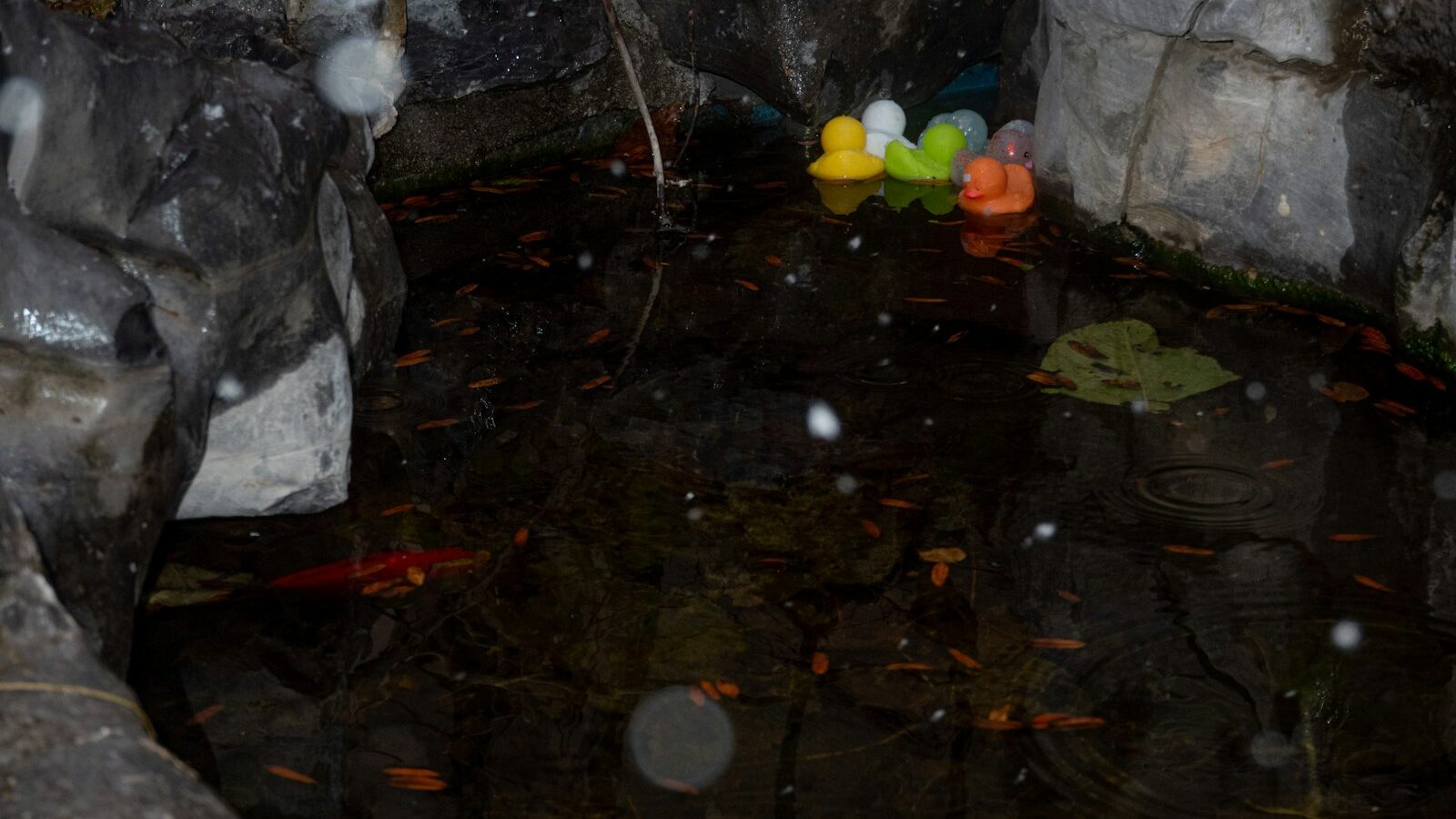
A small backyard pond can be a thriving little ecosystem, but the fish you choose make or break it. The right species stay healthy in modest water volumes, tolerate temperature swings, and won’t outgrow their home in a single season. In this guide we cover the best fish for a small or shallow pond, why koi almost never belong in one, how many fish you can safely keep, and how to help them survive winter.
Key takeaways
- Goldfish & comets are the best small-pond fish
- Koi need big, deep ponds — skip them in small ones
- Stock lightly: roughly 1 in of fish per 10 gal
- Provide depth/filtration for overwintering
- Mosquitofish help with larvae
As an Amazon Associate we earn from qualifying purchases.
What makes a fish right for a small pond?
“Small” usually means anything from a few hundred gallons down to a 50-gallon patio container. In that volume, three things matter most: adult size, hardiness, and oxygen demand. A fish that stays under 6 inches and tolerates a wide temperature range will thrive where a foot-long fish would suffocate or stunt. Cold-water species that don’t need a heater are ideal for outdoor ponds in most of the US and temperate climates worldwide.
You also want fish that won’t foul the water faster than your filter and plants can clean it. The more fish you add, the more waste (ammonia) they produce, and small water volumes swing toward dangerous conditions quickly. That’s why light stocking and good filtration matter far more in a small pond than in a large one. If you’re still in the planning stage, start with our pillar guide on how to build a backyard pond so the pond itself is sized and filtered before any fish arrive.
Why koi usually don’t belong in a small pond
Koi are gorgeous, but they are big-pond fish. A healthy adult koi reaches 24 to 36 inches and can weigh several pounds. They are messy eaters and heavy waste producers, demanding strong filtration and aeration. Most koi keepers aim for at least 1,000 gallons for the first fish and a depth of 3 feet or more so the fish have room and a safe zone in summer heat and winter cold.
Put koi in a small, shallow pond and you’ll fight stunting, poor water quality, and overheating. They also uproot plants and need a depth most small ponds simply can’t offer. If you have your heart set on koi, build the bigger pond they need first and read our dedicated koi fish care guide. For a small pond, choose goldfish and their relatives instead — they deliver the same color and movement at a fraction of the size and waste load.
Free, no-obligation quote · Connect with a local pro
The best fish for a small pond
Goldfish (common, comet & shubunkin)
Single-tail pond goldfish are the gold standard for small ponds. Common goldfish, comets (long, flowing single tails and the fastest swimmers), and shubunkins (mottled blue-and-orange calico coloring) are all hardy, cheap, and forgiving of beginner mistakes. They tolerate water from near-freezing to the high 80s F, eat almost anything, and overwinter outdoors in most climates as long as the pond doesn’t freeze solid. Expect comets and commons to reach 8 to 12 inches over several years, so they need a bit more room than fancy goldfish.
Fancy goldfish
Fancy goldfish — fantails, orandas, ryukins and similar egg-shaped, double-tailed varieties — stay smaller (typically 4 to 8 inches) and are perfect for the tiniest ponds. The trade-off is hardiness: their compact bodies and flowing fins make them slower swimmers and more sensitive to cold and to predators. In cold-winter regions, many keepers bring fancies indoors for the winter rather than risk them outside. In mild climates they can stay out year-round in a deep enough pond.
Golden orfe
Golden orfe are sleek, fast, golden-orange surface swimmers that look fantastic in a group. The catch: they grow large (often 12 to 18 inches), need to be kept in groups of five or more, and demand high oxygen levels and plenty of swimming space. That makes them a poor fit for truly small ponds and a better choice for medium-to-large ponds. List them as an aspirational pick — wonderful if you scale up, wrong for a container pond. Note that orfe are illegal to keep in some US states, so check local rules first.
Mosquitofish (Gambusia)
Mosquitofish stay tiny (1 to 2.5 inches), breed readily, and devour mosquito larvae — many US mosquito-control districts even give them away free. They’re ideal for small or shallow water features where mosquitoes are a concern and you don’t want a big colorful fish. Two cautions: they are livebearers and will overpopulate quickly, and they are invasive in many regions, so never release them into natural waterways. Keep them strictly contained in your pond.
Minnows and rosy red minnows
Native minnows (such as fathead and white cloud mountain minnows) are small, peaceful schooling fish that handle cold water well and add subtle movement. Rosy red minnows — an orange color form of the fathead minnow sold cheaply as “feeder fish” — are a popular budget pick. They’re hardy and active, but two notes: they have short lifespans (often just a couple of years) and feeder-tank fish can carry disease, so quarantine them before adding to an established pond. Keep minnows in groups of six or more.
Weather loach (dojo loach)
The weather loach, or dojo loach, is an eel-like bottom dweller that’s extremely cold-hardy and entertaining — it gets its name from becoming active before storms as pressure changes. It scavenges leftover food, stays around 6 to 8 inches, and coexists peacefully with goldfish. It’s one of the few catfish-style fish that suits a small, cool pond, though it appreciates a soft or smooth bottom and some hiding spots.
Quick fish comparison
| Fish | Size | Notes |
|---|---|---|
| Common & comet goldfish | 8–12 in | Hardy, cheap, best all-round small-pond fish |
| Shubunkin | 8–12 in | Calico goldfish; same care as comets |
| Fancy goldfish | 4–8 in | Smaller but cold-sensitive; protect in winter |
| Golden orfe | 12–18 in | Needs groups & space; not for tiny ponds |
| Mosquitofish (Gambusia) | 1–2.5 in | Eats larvae; breeds fast; can be invasive |
| Minnows / rosy reds | 2–4 in | Schooling; short-lived; quarantine feeders |
| Weather loach | 6–8 in | Cold-hardy bottom scavenger; peaceful |
| Koi | 24–36 in | Avoid — needs 1,000+ gal and 3 ft depth |
How many fish can a small pond hold?
The classic rule of thumb is roughly 1 inch of fish per 10 gallons of water for goldfish-type ponds — and in a small pond it pays to stay on the conservative side of that. So a 100-gallon pond comfortably supports about 10 inches of fish total, perhaps three or four small goldfish, not ten. Remember to plan for adult size, not the size of the fish in the bag: a 2-inch comet today will be a 10-inch fish in a few years.
Overstocking is the number one mistake in small ponds. Too many fish means too much waste, oxygen crashes on hot nights, and cloudy green water. Start with fewer fish than you think you want, let the biological filter mature, and add slowly. For a full method on building up a population safely, see our guide on how to stock a pond with fish.
Free, no-obligation quote · Connect with a local pro
Depth, overwintering, filtration & predators
Depth and overwintering
To keep fish outdoors through winter, the pond needs a zone deep enough that it won’t freeze solid. In most of the US, that means at least 18 to 24 inches of depth, and 30+ inches in cold northern climates. Fish settle near the bottom and slow down as the water cools. The real danger isn’t the cold itself but a fully iced-over surface, which traps toxic gases. Keep a hole open in the ice with a floating de-icer or a small air pump, and never smash the ice — the shockwave can harm the fish. In very small or shallow ponds, the safest option is to bring fish indoors for winter.
Filtration and aeration
Even a lightly stocked small pond benefits from a filter sized for the water volume, plus aeration to keep oxygen up — especially in summer heat when warm water holds less oxygen. A simple pump-and-filter combo with a small fountain or air stone goes a long way. Live plants also help by absorbing nutrients and providing shade and cover. For pumps, air stones, and seasonal strategy, see how to aerate a pond. Keep ammonia and nitrite in check with a pond water test kit, and feed a quality pond fish food sparingly — overfeeding fouls the water fast.
Predators
Small ponds are easy pickings for herons, raccoons, cats, and kingfishers. Provide hiding spots — deep zones, plant cover, a fish cave, or sections of pipe — so fish can dart out of reach. A pond net cover is the most reliable defense, particularly during spring and fall heron migrations and over winter when the water is clear and fish are sluggish. Motion-activated sprinklers and decoy deterrents can help too, though clever predators learn to ignore them.
Frequently asked questions
Can I keep koi in a small pond?
It’s not recommended. Koi grow 2 to 3 feet long, produce heavy waste, and need at least 1,000 gallons and about 3 feet of depth. In a small or shallow pond they stunt, foul the water, and overheat. Choose goldfish, comets, or shubunkins instead for the same color at a much smaller size.
How many goldfish can I put in a small pond?
Plan for roughly 1 inch of adult fish per 10 gallons, and stay conservative. A 100-gallon pond suits about three or four small goldfish at adult size — not ten. Overstocking causes oxygen crashes and green water, so start light and add fish slowly as the filter matures.
Will my pond fish survive winter outdoors?
Hardy goldfish, comets, shubunkins, weather loaches, and minnows can overwinter outdoors if the pond has a zone deep enough not to freeze solid — at least 18 to 24 inches in most regions, more up north. Keep a hole open in the ice with a de-icer or air pump. Fancy goldfish and very shallow ponds are safer brought indoors.
Do mosquitofish really control mosquitoes?
Yes. Mosquitofish (Gambusia) eat large numbers of mosquito larvae and are widely used for control; many US districts give them out free. But they breed fast and are invasive in many areas, so keep them contained and never release them into natural water.
Are rosy red minnows good pond fish?
They’re a cheap, hardy, active option and an orange color form of the fathead minnow. The downsides are short lifespans of a couple of years and the disease risk that comes with feeder-tank fish, so quarantine them before adding them to an established pond.
Want a pond built or serviced?
Compare free, no-obligation quotes from vetted local pond pros near you.