

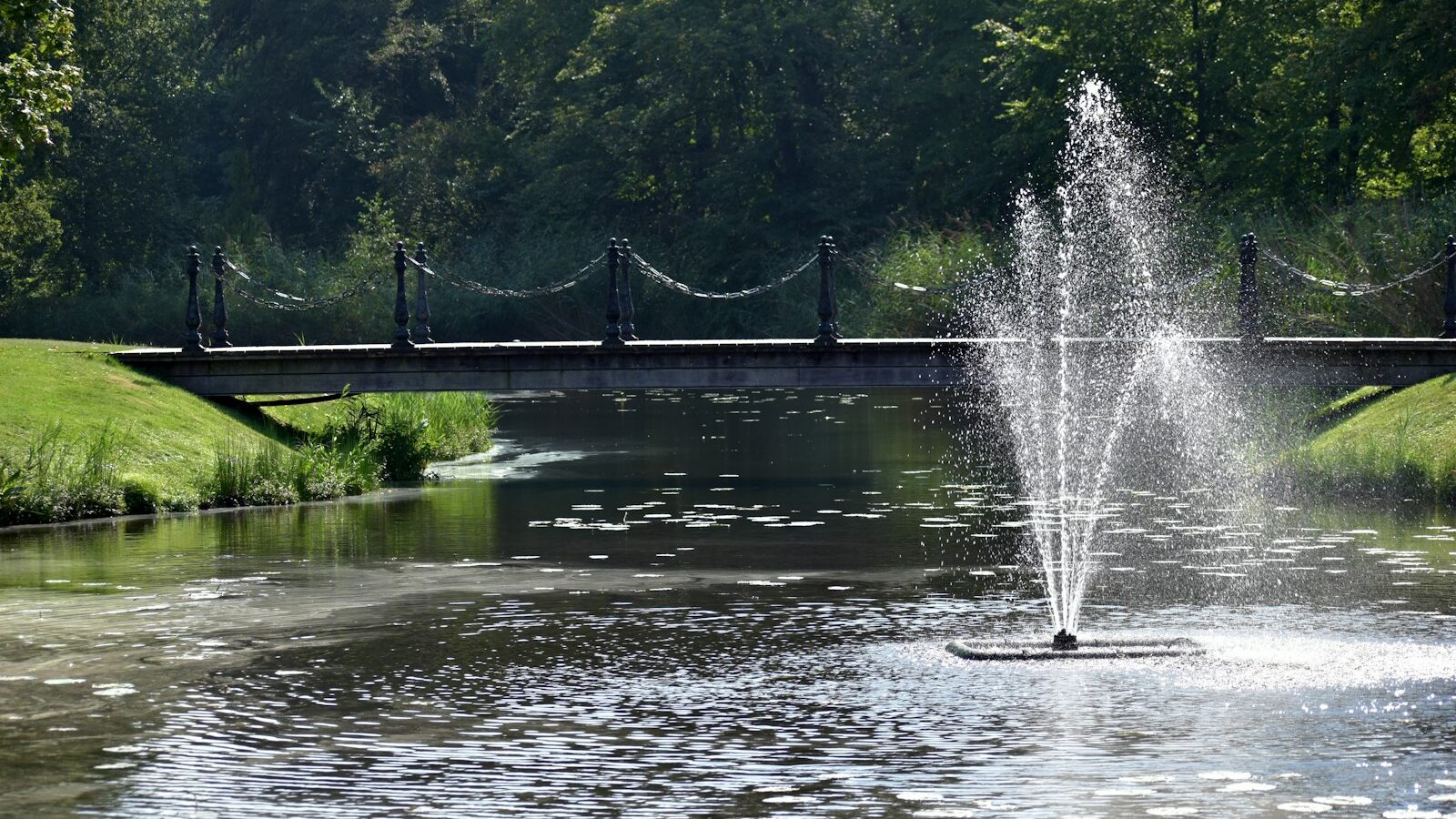
A pond can look crystal clear on the surface and still be quietly suffocating the life inside it. Oxygen is the single most important ingredient for healthy fish, clean water, and a balanced ecosystem, and most backyard ponds simply do not have enough of it, especially during hot summer nights. This guide explains why aeration matters, how to spot the warning signs of low oxygen, and exactly how to pick, size, and place an aeration system that keeps your fish and water thriving year round.
As an Amazon Associate we earn from qualifying purchases.
Key takeaways
- Oxygen keeps fish & good bacteria alive
- Fish gasping at the surface = low oxygen
- Air pump + diffuser is the most efficient method
- Aerate more in summer heat & at night
- In winter, keep a hole in the ice for gas exchange
Why oxygen matters in a pond
Dissolved oxygen is the invisible currency of a healthy pond. Fish breathe it through their gills, beneficial bacteria use it to break down waste, and even the plants depend on a balanced supply once the sun goes down. When oxygen runs low, the whole system starts to break down, and the symptoms show up as the exact problems most pond owners complain about: murky water, foul smells, slimy muck, and stressed or dying fish.
Fish and other livestock
Koi and goldfish are surprisingly hardy, but they cannot survive long in oxygen-starved water. Low oxygen stresses their immune systems, making them prone to disease, parasites, and fin rot. In severe cases, a single warm, still night can wipe out an entire stock of fish. Keeping oxygen high is the cheapest fish insurance you can buy. If you keep koi, pair good aeration with the rest of the basics in our koi fish care guide.
Beneficial bacteria
The unsung heroes of any pond are the aerobic bacteria living in your filter, gravel, and on every surface. These microbes convert toxic fish waste (ammonia) into less harmful nitrate through a process called the nitrogen cycle. Aerobic bacteria need oxygen to do their job. Starve them of air and the cleanup crew dies off, ammonia spikes, and the water turns toxic.
Algae, muck, and odor
That black, smelly sludge at the bottom of a neglected pond is decaying organic matter that anaerobic (oxygen-hating) bacteria feed on, releasing hydrogen sulfide, the rotten-egg smell. Good aeration circulates water, exposes more of it to air, and helps aerobic bacteria digest muck before it builds up. A well-oxygenated pond produces far less odor and less of the nutrient buildup that feeds nuisance algae. For a deeper look at clarity, see how to keep pond water clear.
Signs your pond has low oxygen
Your fish will usually tell you there is a problem long before a test kit does. Learning to read these signs can save your stock during a heat wave.
- Fish gasping at the surface. This is the classic distress signal. Fish crowd the surface or hang near a waterfall or fountain, mouths working at the air. It is most common at dawn after a hot, still night.
- Lethargic or clustered fish. Fish that stop eating, hover near inflows, or move sluggishly may be oxygen-stressed.
- Sudden fish deaths after a hot day. Warm water holds far less oxygen, so a heat wave plus an overnight oxygen crash is a common killer.
- Foul, rotten-egg smell. Indicates anaerobic conditions and rising muck on the bottom.
- Cloudy, green, or stagnant water. Poor circulation and low oxygen often go hand in hand with algae blooms.
Why nights and summer are the danger zone: warm water physically holds less dissolved oxygen than cool water. During the day, plants and algae produce oxygen through photosynthesis, but at night they stop and instead consume oxygen, just like the fish and bacteria. The result is a steep overnight oxygen drop that bottoms out around sunrise, which is exactly when you will see gasping. Hot, humid, overcast spells make it worse because there is little wind to mix the surface.
Aeration methods compared
There are several ways to get oxygen into your pond. They fall into two broad camps: bottom-up systems that push air up from the deepest point, and surface systems that agitate the top of the water. Here is how the main options stack up.
Air pump + diffuser / airstone (most efficient)
A small air pump sits on the bank and pushes air through tubing down to a weighted diffuser or airstone resting on the pond bottom. As thousands of tiny bubbles rise, they transfer oxygen into the water and, just as importantly, create a vertical current that mixes the entire water column. This bottom-up circulation is the most energy-efficient way to oxygenate a pond, and it directly attacks bottom muck where the worst problems start. A typical pond aerator kit draws very little electricity and runs 24/7 for pennies a day. Browse options with this pond aerator air pump search, and matching pond air stone diffuser units.
Fountains
A floating or pump-driven fountain sprays water into the air, adding oxygen as the droplets fall back and break the surface. Fountains are attractive and provide decent aeration for the upper layers, but they do little for the deep bottom water where muck accumulates. They also lose energy moving large volumes of water for show. Great as a feature, adequate as a backup, but not the most efficient primary method for a deep pond.
Waterfalls and streams
A waterfall is one of the most natural and effective surface aerators. Tumbling water grabs oxygen as it cascades and crashes into the pond. Many koi keepers rely on a waterfall as their primary aeration, and it doubles as a beautiful, soothing feature. The catch: it only oxygenates while the pump runs and mainly affects the surface zone near the falls. If your pond has a waterfall, you are already well ahead.
Surface aerators and paddle units
Surface aerators float on top and churn or spray water to maximize air contact. They move a lot of oxygen fast, which makes them popular for emergencies, fish-heavy ponds, and hot-weather rescue. They are powerful but use more energy than a diffused-air system and do less for deep circulation. A good tool to have on hand for a heat-wave emergency.
Free, no-obligation quote · Connect with a local pro
Sizing and placement
The right size depends on your pond’s volume, depth, and fish load. Oversizing slightly is far better than running short, especially in a stocked pond.
- Match the pump to pond size. As a rough rule, aim to circulate the entire pond volume at least once every one to two hours. Manufacturers rate air pumps by gallons or surface acres, so buy for your actual volume, not the smallest unit that fits the price.
- Go bigger for fish. A heavily stocked koi pond needs roughly twice the aeration of an ornamental pond of the same size.
- Place diffusers at the deepest point. Bottom placement drives full-column circulation and breaks up the oxygen-poor layer at the bottom.
- Use multiple diffusers in large or oddly shaped ponds. One in each lobe prevents dead spots.
- Keep the air pump dry and shaded. Mount it on the bank above the waterline, in a vented housing, and use a check valve to stop water back-siphoning into the pump when it shuts off.
One caution: if you have a deep pond that stratifies into warm and cold layers in summer, introduce strong bottom aeration gradually. Suddenly mixing a stratified pond on a hot day can crash oxygen all at once. Start aeration in spring and run it continuously so the pond never stratifies in the first place.
Winter aeration: keep a hole in the ice
In cold climates, aeration plays a different but vital role. When a pond freezes over completely, the ice seals it like a lid. Trapped toxic gases (from decaying matter and fish respiration) cannot escape, and fresh oxygen cannot get in. Fish and bacteria can slowly suffocate under a solid sheet of ice, a phenomenon called winterkill.
- The goal is gas exchange, not full circulation. You only need to keep a small opening in the ice so gases can vent and oxygen can enter.
- Move the diffuser up. In winter, raise the airstone to a mid-depth shelf (around 12 to 24 inches) rather than the bottom. You do not want to mix frigid surface water down into the warmer deep water where fish overwinter.
- Add a floating de-icer if needed. In very cold regions, pair the aerator with a thermostatic pond de-icer to guarantee an open hole.
- Never smash the ice. The shock waves can injure or kill dormant fish. If ice seals over, melt a hole gently with a pan of hot water.
Solar pond aeration options
If your pond is far from an outlet, or you want to cut running costs, solar aeration is worth a look. A solar panel powers a small air pump that drives a diffuser, no wiring trenches required. Solar aerators are ideal for remote farm ponds, off-grid properties, and water gardens where running electrical conduit is impractical.
- Direct solar runs only in sunlight. Basic panel-and-pump kits aerate during the day and stop at night, which is a problem because nighttime is when oxygen crashes.
- Choose a battery-backed model for fish ponds. A built-in battery stores daytime energy so the diffuser keeps running through the night and on cloudy days, exactly when fish need it most.
- Size the panel generously. Cloudy regions need a larger panel to keep the battery topped up.
For a hands-off, low-cost setup, compare current solar pond aerator kits and prioritize one with battery backup if you keep fish.
Quick how-to: set up a diffused aerator
Installing a bottom-diffuser aeration kit takes about 30 minutes and no special tools. Here is the basic process.
- Choose a pump rated for your pond. Confirm the air pump’s output matches your pond’s gallons and fish load before you buy.
- Position the pump on the bank. Place it on a dry, shaded, vented spot above the waterline. Mount it on a paver to keep it off wet ground.
- Install a check valve. Fit a one-way check valve in the airline near the pump so water cannot back-siphon in when power cuts off.
- Run the airline to the water. Connect weighted tubing from the pump to the diffuser, keeping the line as short and straight as practical.
- Lower the diffuser to the deepest point. Sink the weighted airstone to the bottom (or mid-depth in winter). Let it settle so the bubble column rises straight up.
- Power on and observe. Switch on and check for a steady, even boil of bubbles at the surface. Adjust placement if you see dead corners.
- Run it 24/7. Leave the aerator running continuously through the warm months, and increase coverage during heat waves. For year-round routines, see our pond maintenance guide.
Building a pond from scratch? Plan aeration in from the start by following our pillar guide on how to build a backyard pond, which covers depth, placement, and equipment so your water stays healthy from day one.
Frequently asked questions
Do I need to run my pond aerator all the time?
Yes, for a fish pond it is best to run aeration 24 hours a day during the warm months. Oxygen levels crash overnight when plants and algae stop producing oxygen and start consuming it, so the early morning hours are when fish are most at risk. Continuous running keeps levels stable around the clock.
Will a waterfall or fountain alone aerate my pond enough?
For a lightly stocked pond, a waterfall or fountain may be sufficient because tumbling water grabs plenty of oxygen at the surface. But they mainly oxygenate the top layer and only work while the pump runs. For deeper ponds or heavy koi loads, add a bottom diffuser so the entire water column and the muck-prone bottom get circulated.
Can a pond have too much aeration?
For most backyard ponds, more aeration is rarely harmful and usually beneficial. The main exception is a deep pond that has stratified into warm and cold layers in summer: suddenly mixing it with powerful bottom aeration can crash oxygen all at once. The fix is to start aeration in spring and run it continuously so the pond never stratifies.
How do I keep my pond from freezing solid in winter?
You do not need to keep the whole pond open, just a small hole in the ice for gas exchange. Raise your diffuser to mid-depth so you are not chilling the deep water where fish overwinter, and add a thermostatic de-icer in very cold climates. Never smash the ice, as the shock can harm dormant fish.
Is solar aeration good enough for fish?
It can be, but only if you choose a battery-backed solar aerator. Basic direct-solar kits stop running at night, which is exactly when oxygen levels are lowest and fish are most vulnerable. A model with battery storage keeps the diffuser running overnight and on cloudy days, making it suitable for stocked ponds.
Featured project by Gensou Aquascaping
Want a pro to service your pond?
Compare free, no-obligation quotes from vetted local pond pros near you.