

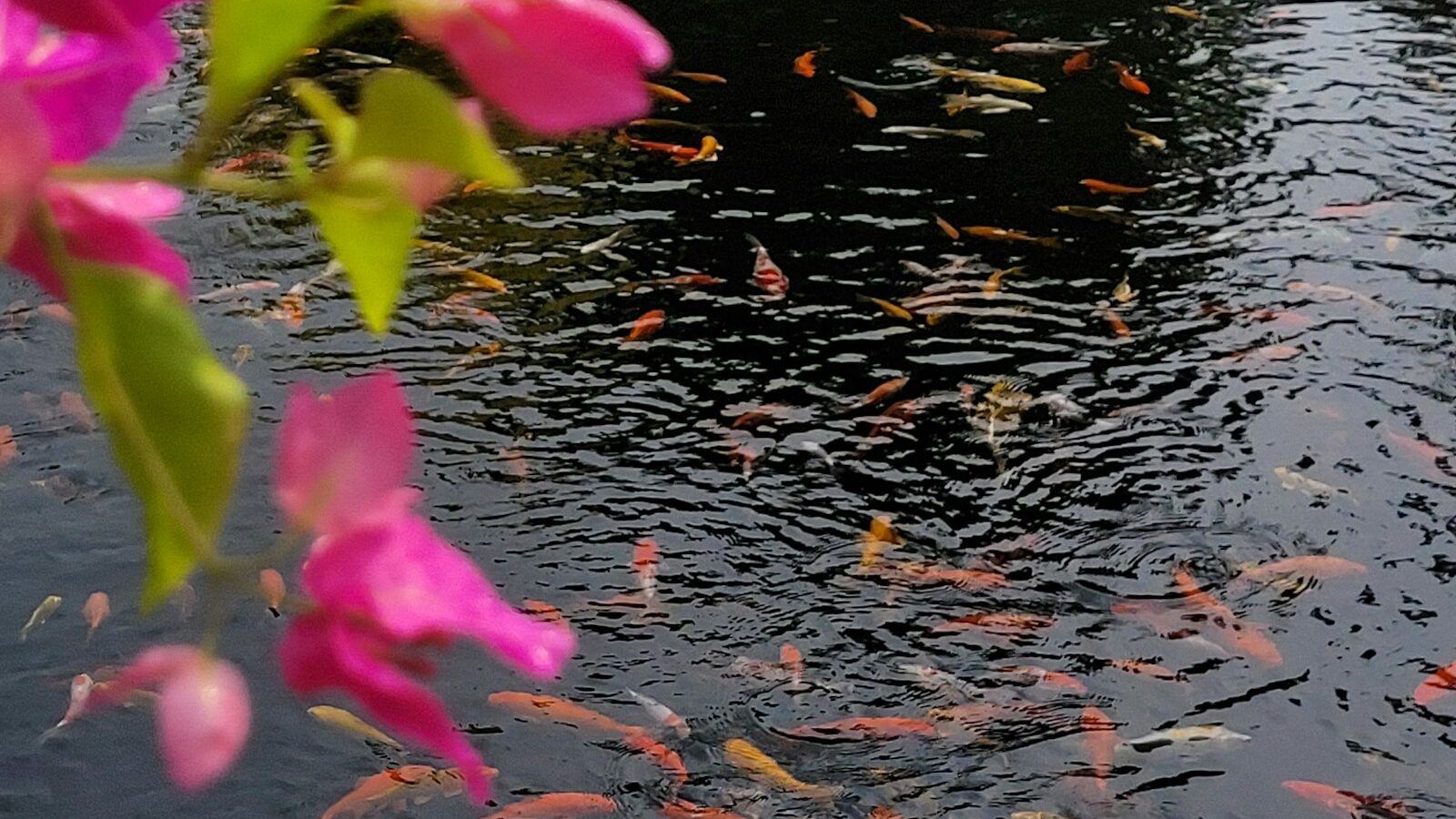
A backyard pond turns an ordinary yard into a living, moving focal point, whether you want a tiny container water garden on the patio or a koi pond big enough to lose an afternoon beside. The 30 ideas below are grouped by style so you can find the look that fits your space, your climate, and your budget, with quick notes on how each one works and roughly what it costs. When you find a design you love, our pillar guide on how to build a backyard pond walks you through the build step by step.
Key takeaways
- Small container and patio ponds can be built in a weekend for $100–$400 and need no digging.
- Koi and larger natural ponds reward more space, filtration, and depth (24–36 in.) for healthy fish and wildlife.
- Moving water—waterfalls, streams, and spillways—adds sound, oxygen, and instant visual interest.
- Pondless features give you the look and sound of water with the lowest maintenance and the highest safety for kids and pets.
- Edging, rock style, planting, and lighting are what make a pond read as “designed” rather than just a hole full of water.
Small & container ponds for tight spaces
You do not need a big yard—or any digging—to enjoy water. These small-footprint ideas suit patios, balconies, and courtyards.
1. Half-barrel water garden
Line a whiskey half-barrel (or use a sealed glazed pot), add a small water lily and a dwarf cattail, and you have a container pond in an afternoon. How it works: a tiny solar or low-watt pump keeps water moving to deter mosquitoes. Cost: roughly $80–$200.
2. Stock-tank pond
A galvanized or poly stock tank gives a modern, raised look with no liner needed. How it works: drop in a submersible pump and a small filter; plants soften the rim. Cost: $150–$400 depending on tank size.
3. Patio bubbling bowl
A glazed ceramic bowl with a low fountain nozzle delivers gentle sound in the smallest space. How it works: a hidden pump recirculates water up through the center. Cost: $120–$300.
4. In-ground mini pond
A preformed rigid liner sunk into a border creates a real pond under 50 gallons. How it works: drop the shell into a dug recess, backfill, add a pump and plants. Cost: $200–$500. For plant picks at any size, see our best pond plants guide.
Koi ponds for fish lovers
Koi need room, depth, and strong filtration. Plan for at least 1,000 gallons and 3 feet of depth for a healthy, year-round pond. Our dedicated guide on how to build a koi pond covers sizing and life support in detail.
5. Classic liner koi pond
A flexible EPDM liner over underlayment lets you shape a generous, deep pond. How it works: a bottom drain plus skimmer feeds an external pump and biological filter. Cost: $3,000–$10,000+ installed.
6. Formal raised koi pond
Block-and-render walls give a clean, architectural koi pond at viewing height. How it works: built walls hold the liner; a pump-fed bead or drum filter keeps water clear. Cost: $6,000–$15,000+.
7. Koi pond with bog filter
A gravel-filled planted bog polishes water naturally alongside mechanical filtration. How it works: water is pushed up through gravel and plant roots that strip nutrients. Cost: add $800–$2,500 to a standard build.
8. Viewing-window koi pond
An acrylic window set into a raised wall lets you watch koi swim at eye level. How it works: a sealed acrylic panel is built into the wall structure. Cost: a premium feature, often $2,000–$6,000 on top of the pond.
Natural & wildlife ponds
A wildlife pond trades fancy filtration for plants, gentle slopes, and a balanced ecosystem that draws frogs, dragonflies, and birds.
9. Wildlife pond with shallow beach
A gently sloping “beach” edge lets birds bathe and creatures climb out safely. How it works: a shelved liner profile with pebbles creates graduated depths. Cost: $800–$3,000 DIY-friendly.
10. Plant-balanced ecosystem pond
Heavy planting plus a small pump keeps water clear with little equipment. How it works: submerged oxygenators and marginals consume the nutrients algae would use. Cost: $600–$2,500.
11. Rain-garden pond
Capture roof runoff into a lined basin that doubles as habitat. How it works: downspouts feed the basin; overflow drains to a soakaway. Cost: $500–$2,000.
12. Native bog garden
A boggy margin of native marsh plants extends habitat beyond open water. How it works: a shallow lined area stays saturated, not flooded. Cost: $300–$1,200.
Free, no-obligation quote · Connect with a local pro
Modern & formal pond designs
Crisp geometry, hard edges, and restrained planting give these ponds an architectural, contemporary feel.
13. Geometric reflecting pool
A still, dark-lined rectangle mirrors the sky and surrounding architecture. How it works: a dark liner and minimal flow keep the surface glassy. Cost: $2,500–$8,000.
14. Sheer-descent spillway pond
A stainless or acrylic blade pours a flat sheet of water into a formal basin. How it works: a pump feeds a wide spillway weir set into a wall. Cost: $1,500–$5,000.
15. Corten steel water trough
Weathered steel boxes bring warm, rusted texture and clean lines. How it works: a sealed steel vessel holds water with a small recirculating jet. Cost: $1,200–$4,000.
16. Infinity-edge pond
Water spills over a hidden edge into a catch basin for a “no border” look. How it works: a precisely leveled weir and pumped return create the effect. Cost: $5,000–$15,000+.
Ponds with waterfalls & streams
Moving water adds sound, sparkle, and oxygen. These ideas pair a pond with a cascade or meandering stream.
17. Rock waterfall into a pond
A stacked-stone cascade tumbles into the main pool. How it works: a pump pushes water to a top reservoir that flows back down over rocks. Cost: add $1,000–$4,000.
18. Meandering stream feature
A lined stream winds across the yard before joining the pond. How it works: a gentle gradient and pumped flow carry water through a rocky channel. Cost: $1,500–$6,000 depending on length.
19. Multi-tier cascade
Several small drops create layered sound and white-water sparkle. How it works: stepped pools each spill to the next on the way down. Cost: $2,000–$7,000.
Pondless & low-maintenance features
No standing water means low maintenance and high safety. These deliver the sound and movement without a deep pool. See how to build a pondless waterfall for a full build.
20. Pondless waterfall
Water cascades over rocks and disappears into a gravel-filled reservoir. How it works: a hidden underground basin and pump recirculate the water. Cost: $1,500–$5,000.
21. Bubbling rock or urn
A drilled boulder or ceramic urn gently overflows onto stones. How it works: a small pump in a buried basin pushes water up through the rock. Cost: $400–$1,500.
22. Disappearing fountain trio
Three columns or jars of different heights add rhythm to a bed. How it works: each vessel overflows into a shared hidden reservoir. Cost: $700–$2,500.
Edging, rock & raised styles
The edge is where design happens. The right rock and raised treatments make a pond look intentional and finished.
23. Natural boulder edging
Mixed boulders and pebbles hide the liner and mimic a wild shoreline. How it works: rocks rest on a planting shelf and conceal the liner lip. Cost: $300–$1,500 in stone.
24. Flagstone-capped edge
Overhanging flat stone gives a clean, walkable rim. How it works: mortared flagstone caps the liner edge and overhangs the water. Cost: $400–$1,800.
25. Raised stone-wall pond
A knee-high stone wall doubles as casual seating around the water. How it works: a built retaining wall holds the liner above grade. Cost: $2,500–$8,000.
26. Deck-integrated pond
A pond set flush into a deck blurs the line between living space and water. How it works: decking is framed around a liner or shell with an access hatch. Cost: $3,000–$9,000.
Free, no-obligation quote · Connect with a local pro
Planting, lighting & budget ideas
Plants and light are the cheapest ways to transform a pond, and a few smart shortcuts keep the whole project affordable.
27. Water-lily focal planting
A single hardy water lily delivers big seasonal color and shade. How it works: potted lilies sit on the pond floor and shade out algae. Cost: $25–$60 per plant.
28. Submersible LED lighting
Underwater and uplighting turn a pond into an evening showpiece. How it works: low-voltage LEDs light the falls, plants, and edges. Cost: $150–$600 for a kit.
29. Solar-pump budget pond
A solar pump skips wiring and trenching to keep small ponds moving. How it works: a panel powers a fountain or small filter by day. Cost: $40–$150 for the pump.
30. Recycled-container pond
An old trough, tub, or planter becomes a water garden for next to nothing. How it works: seal any drain holes, add water, plants, and a tiny pump. Cost: $50–$150.
Frequently asked questions
What is the cheapest backyard pond to build?
A recycled-container or half-barrel pond is the most affordable option, often $50–$200 including a small solar pump and a couple of plants. It needs no digging and can be set up in an afternoon, making it the best entry point before committing to a larger in-ground build.
How deep should a backyard pond be?
For plants and small fish, 18–24 inches is fine. For koi or for fish to overwinter in cold climates, aim for at least 30–36 inches so a stable, non-freezing zone remains at the bottom. Deeper water also stays clearer and cooler in summer.
Do backyard ponds need a pump and filter?
Container and heavily planted wildlife ponds can survive with just a small pump for circulation, or none at all if planting is balanced. Koi and stocked ponds need both a pump and biological filtration to handle the fish waste and keep water clear and healthy.
Are ponds safe around children and pets?
Open water always carries some drowning risk for young children. Pondless waterfalls, bubbling rocks, and disappearing fountains give the same sight and sound of water with no standing pool, which is why they are the safest choice for families with toddlers or curious pets.
How much maintenance does a pond require?
Expect to net debris, trim plants, and check the pump weekly in season, plus a more thorough cleanout once or twice a year. Pondless and well-planted ecosystem ponds need the least attention, while stocked koi ponds need the most because of feeding and filtration demands.
Featured project by Gensou Aquascaping
Want a pond or water feature built?
Compare free, no-obligation quotes from vetted local pond pros near you.