

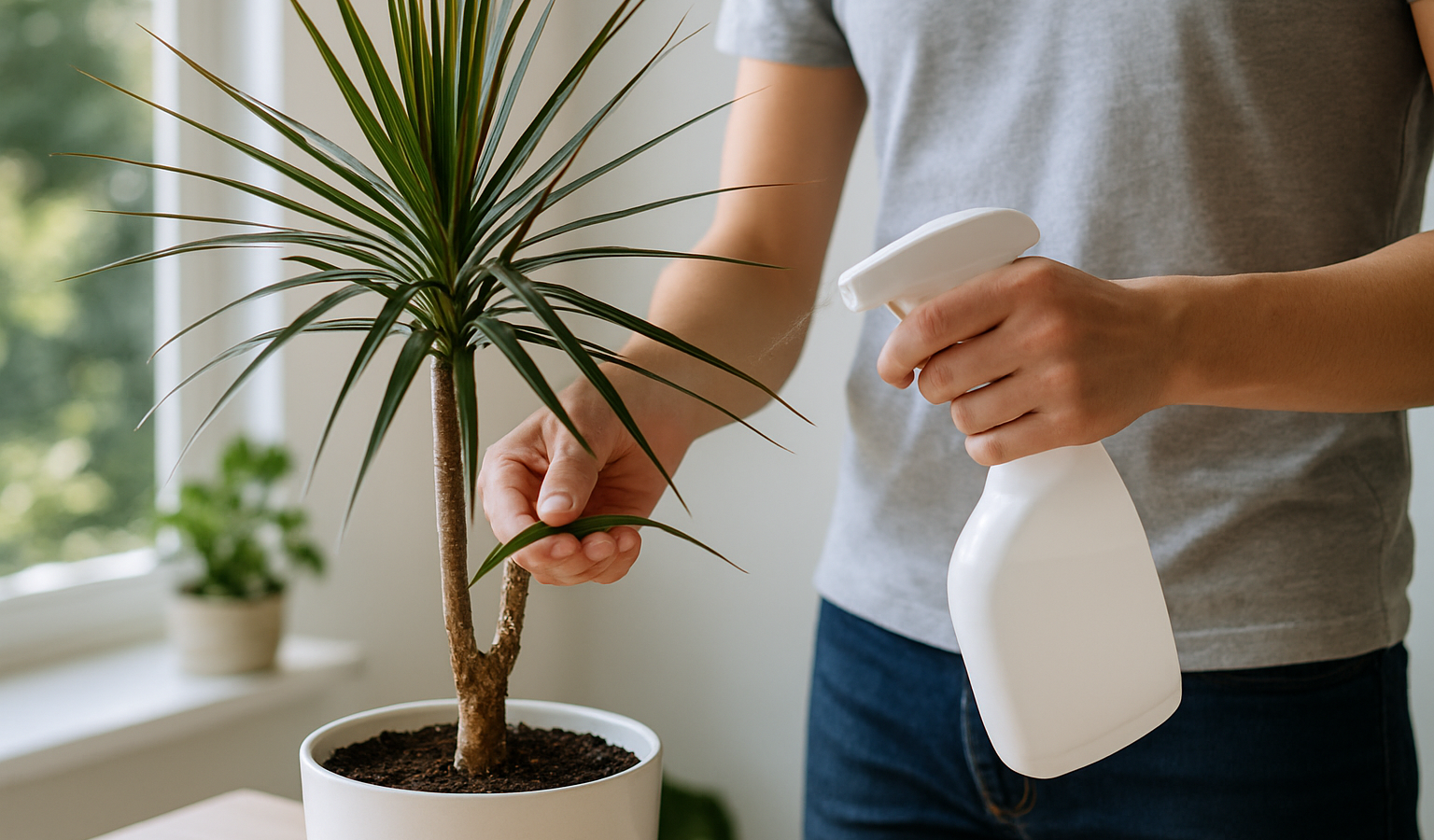
The dracaena marginata (Dracaena marginata, also sold as Dracaena reflexa var. angustifolia and commonly called the dragon tree or Madagascar dragon tree) is one of the most forgiving houseplants you can own. It is the plant for people who travel, forget to water, or have a dim corner that nothing else will tolerate. With its slender, woody canes topped by fountains of thin, arching, sword-shaped leaves edged in red, it brings an architectural, almost palm-like look to a room, and it does so while asking for remarkably little.
This is a slow-growing but long-lived plant, native to Madagascar, that can eventually reach several feet tall indoors, developing characterful, often curving or multi-headed canes over the years. Its reputation for being nearly unkillable rests on two traits: it is genuinely drought-tolerant, preferring to dry out between waterings, and it tolerates low to moderate light far better than most decorative plants. The main ways people get into trouble are overwatering it and using tap water heavy in fluoride and salts, which causes the signature brown leaf tips this plant is known for.
Here is the full rundown: how much light it actually needs, how to water a drought-tolerant dracaena correctly, why your tap water may be browning the tips, plus temperature, feeding, potting, propagation from its canes, and the toxicity warning every pet owner should know.
Key Takeaways
- Dracaena marginata is one of the easiest, most drought-tolerant houseplants: let the top inch or two of soil dry out fully before watering again.
- It tolerates low to moderate light but grows best and keeps the brightest red leaf edges in bright, indirect light. Avoid harsh direct sun.
- Brown leaf tips are usually caused by fluoride, chlorine, and salts in tap water. Use filtered, distilled, or left-out water and flush the soil periodically.
- Propagation is easy: cut a cane into sections and root them in water or soil, and the cut parent will resprout new growth below the cut.
- Important: dracaena marginata is toxic to cats and dogs if eaten, so keep it out of reach of pets.
Light: Tolerant, but Brighter Is Better
One of the dragon tree’s best qualities is its flexibility with light. It tolerates low and moderate light, which is why it survives in offices, hallways, and corners away from windows where fussier plants sulk. But tolerance is not the same as preference. The plant grows fastest, stays fullest, and keeps the most vivid red edging on its leaves in bright, indirect light. A spot near an east-facing window, or a few feet back from a brighter south- or west-facing window, is ideal.
In genuinely low light the plant will keep living, but growth slows further, the canes may stretch and lean toward the light source, new leaves come in smaller, and the red margins fade toward plain green. If you want a robust, colorful plant rather than merely a surviving one, give it good indirect light. Just avoid intense, direct midday sun through glass, which can scorch the thin leaves and leave bleached or brown patches. Soft morning sun is fine; harsh afternoon sun is not. If you rotate the pot a quarter turn every week or two, the plant grows evenly instead of leaning.
Watering: Drought-Tolerant, Overwater-Sensitive
The golden rule with dracaena marginata is to let it dry out. It is drought-tolerant and strongly prefers underwatering to overwatering. Allow the top inch or two of soil to dry completely before watering again, then water thoroughly until it drains from the bottom, and empty the saucer so the roots never sit in water. In a moderate spot this often works out to roughly every one to two weeks, but check the soil rather than watering on a schedule, since light and pot size change the pace.
In winter, when growth slows and light is weaker, the plant uses much less water, so stretch the interval and let the soil dry further between drinks. Overwatering is the most common way to harm this otherwise tough plant: soggy soil rots the roots, and the first visible signs are yellowing lower leaves and a soft, mushy base. If you see that, ease off watering immediately and check that your pot drains freely. When in doubt, wait, because a dragon tree shrugs off dryness far better than it survives wet feet. Its dislike of soggy soil is a theme it shares with the drought-loving plant in our string of dolphins care guide.
Brown Leaf Tips: The Fluoride Problem
If there is one quirk every dracaena owner runs into, it is brown leaf tips. While dry air or inconsistent watering can contribute, the most common and specific cause with this plant is its sensitivity to fluoride, chlorine, and dissolved salts in tap water. Dracaenas accumulate fluoride in their leaf tips, where it causes the tissue to die and turn brown, often with a yellow band just behind the dead edge. Many municipal water supplies are fluoridated, so the problem is widespread.
The fix is to change your water. Use filtered, distilled, or rainwater, or fill a container with tap water and let it sit out overnight, which allows chlorine (though not fluoride) to dissipate; distilled or filtered water is the more complete solution for fluoride. It also helps to flush the pot thoroughly every few months, running plenty of water through the soil to leach out accumulated salts and minerals, and to avoid over-fertilizing, since fertilizer salts add to the buildup. Trim the brown tips off with clean scissors, cutting at an angle to mimic the natural leaf shape, for cosmetic tidiness; trimming does not harm the plant. Once you switch your water source, new growth should come in clean.
Temperature, Humidity, Soil, and Feeding
Dracaena marginata likes typical warm room temperatures of about 65-80°F (18-27°C) and should be kept above 55°F (13°C). It is a tropical plant with no frost tolerance, so protect it from cold drafts, chilly winter windows, and the drying air of heating and cooling vents. It is not fussy about humidity and tolerates average household air well, though it appreciates a little extra humidity, which can also help reduce brown tips; in very dry homes a nearby humidifier or pebble tray is a small bonus, not a requirement.
For soil, use a well-draining general potting mix, ideally lightened with some perlite to ensure water moves through freely, in a pot with drainage holes. Good drainage is your best defense against the overwatering that this plant is sensitive to. It is a slow grower with a modest root system and is happy somewhat root-bound, so repot only every two to three years, or when roots crowd the pot, moving up just one size in spring. Feed lightly: a balanced houseplant fertilizer at half strength once a month in spring and summer is plenty, and skip feeding in fall and winter. Light feeding also keeps fertilizer-salt buildup, and the brown tips that come with it, to a minimum. For help choosing the right bagged medium, see our guide to potting mix vs. garden soil.
How to Propagate Dracaena Marginata
Dracaena marginata propagates readily from its canes, and the same technique doubles as a way to control a plant that has grown tall and leggy. The best time is spring or summer during active growth.
Cane (stem) cuttings
Using clean, sharp pruners, cut a healthy cane into sections. You can take the leafy top as a top cutting, and cut the bare lower cane into several cane sections a few inches long each (keep track of which end was up, since they root from the bottom). Let the cut ends dry and callus for a few hours to a day to reduce rot. Then root them either in water, standing the bottom end in a glass and changing the water regularly, or directly in moist, well-draining soil. Roots and new shoots typically appear within a few weeks to a couple of months; dracaenas are slow, so be patient.
The real magic is what happens to the parent plant. After you cut the top off a cane, the remaining stump does not die; instead it sprouts one or more new clusters of leaves just below the cut, often creating a fuller, multi-headed plant. This is exactly how growers produce the branched, sculptural dragon trees you see in stores, and it is the standard way to rejuvenate a plant that has gotten too tall and bare-stemmed. So pruning to propagate improves the parent at the same time. For more easy, architectural houseplants, browse our plants and flowers hub.
Common Problems and Fixes
Brown leaf tips usually mean fluoride, chlorine, or salt buildup from tap water (sometimes compounded by dry air or fertilizer salts); switch to filtered or distilled water, flush the soil, and ease off feeding. Yellowing lower leaves with a soft, mushy base mean overwatering and root rot, so dry the plant out and improve drainage. Drooping or curling leaves with bone-dry soil mean underwatering, fixed with a thorough drink. A leggy plant with a long bare cane and a small tuft of leaves on top means too little light or simply age; move it brighter and consider cutting the top to force fuller branching. Bleached or scorched leaf patches mean too much direct sun.
It is also normal for the oldest, lowest leaves to slowly yellow and drop as the plant grows taller and forms its woody cane; that is how a dragon tree develops its characteristic trunk and is nothing to worry about in small numbers. Pests are uncommon but watch for spider mites (more likely in hot, dry air, showing as fine webbing and stippled leaves), plus the occasional mealybug or scale. Treat with insecticidal soap or neem oil and wipe the leaves clean, raising humidity to discourage mites.
Frequently Asked Questions
Why does my dracaena marginata have brown leaf tips?
The most common cause is sensitivity to fluoride, chlorine, and salts in tap water, which dracaenas accumulate in their leaf tips until the tissue browns. Switch to filtered, distilled, or rainwater (or water left out overnight to dechlorinate), flush the soil every few months to leach out salts, and avoid over-fertilizing. Dry air can contribute too, so a little extra humidity helps. Trim brown tips off for appearance; it does not harm the plant.
How often should I water a dracaena marginata?
Let the top inch or two of soil dry out completely, then water thoroughly and let it drain. In a moderate spot that is often every one to two weeks, less in winter. This plant is drought-tolerant and far more sensitive to overwatering than to drying out, so when in doubt, wait. Yellowing lower leaves and a mushy base are signs you are watering too much.
Can a dracaena marginata live in low light?
Yes. Dracaena marginata tolerates low and moderate light well, which is why it thrives in offices and dim corners. It grows faster, stays fuller, and keeps brighter red leaf edges in bright, indirect light, though, so give it good light if you want a robust plant. Avoid harsh direct sun, which scorches the thin leaves. In very low light expect slow growth and fading color.
How do I make my leggy dracaena fuller?
Cut the cane back. Using clean pruners, remove the leafy top (which you can root as a cutting) at the height you want. The remaining cane sprouts new clusters of leaves just below the cut, creating a fuller, often multi-headed plant. This is the standard way to rejuvenate a tall, bare dragon tree, and giving it brighter light afterward encourages strong, compact regrowth.
Is dracaena marginata toxic to cats and dogs?
Yes. Dracaena marginata is toxic to cats and dogs if eaten; ingestion can cause vomiting (sometimes with blood), drooling, loss of appetite, and lethargy, and it is especially concerning for cats. Keep the plant out of reach of pets, and contact your veterinarian if you suspect your pet has chewed on it.