

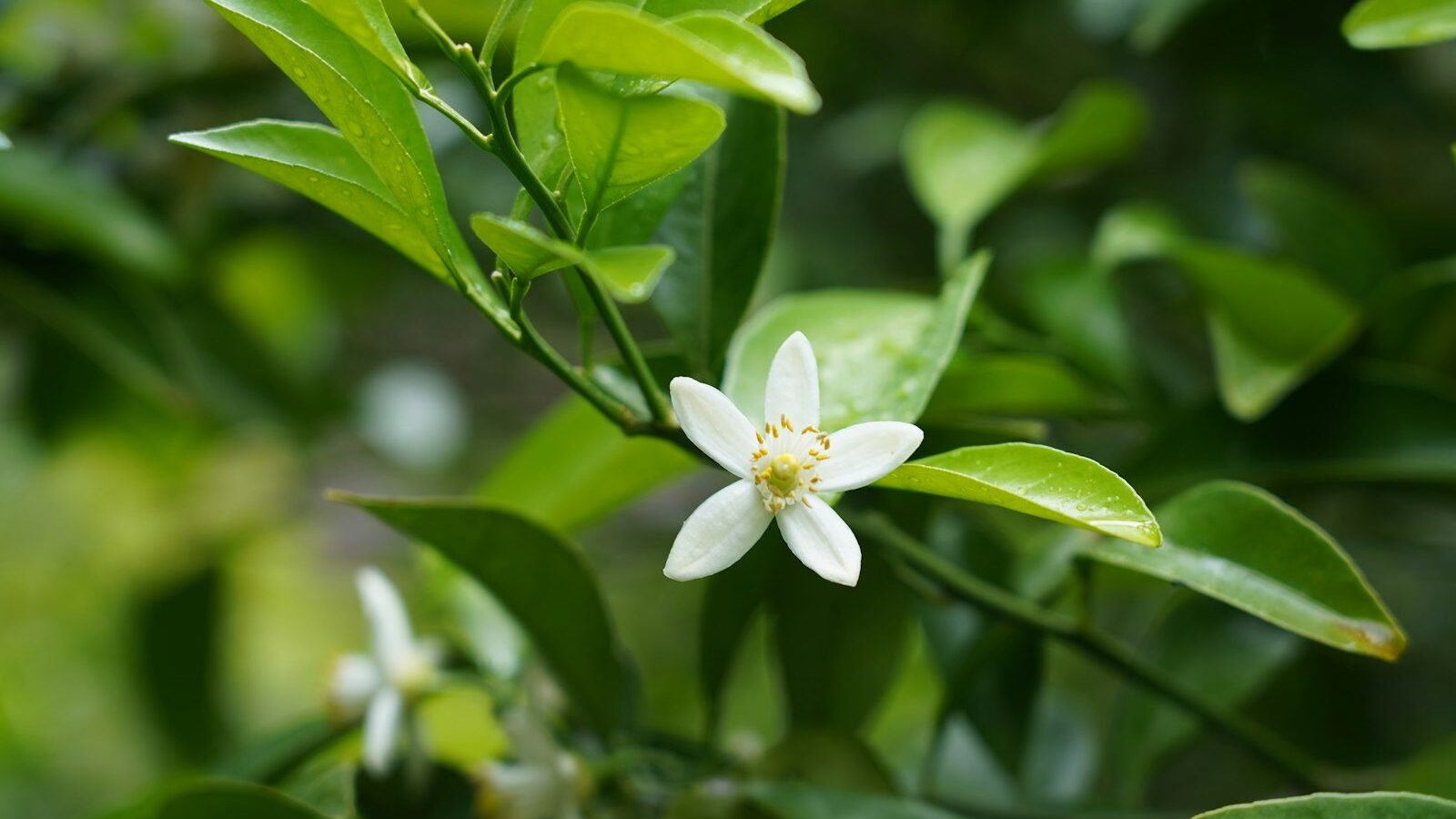
Mexican orange blossom (Choisya ternata) is a rounded evergreen shrub with glossy, aromatic leaves and clusters of white, star-shaped flowers that smell like orange blossom in spring, often with a lighter rebloom in fall. It thrives in mild-winter climates, roughly USDA zones 7 through 9, and is at its best in the Pacific Northwest and coastal California, where summers are not brutally hot and humid. In the South it can succeed with afternoon shade and sharp drainage. This guide covers climate fit, planting, watering, pruning, varieties and the problems to watch for.
In this guide
Key Takeaways
- Hardy in roughly zones 7–9; protect from hard freezes and drying winter wind at the cold edge.
- Full sun near the coast; morning sun and afternoon shade in hot inland and Southern gardens.
- Needs well-drained, slightly acidic to neutral soil. Heavy, wet or very alkaline soil causes root rot and yellowing.
- Prune lightly right after spring bloom to keep it compact and encourage fall flowers.
- Grows about 6–8 feet tall and wide; ‘Sundance’ and ‘Aztec Pearl’ are smaller, popular cultivars.
Mexican Orange Blossom at a Glance
| Trait | Details |
|---|---|
| Botanical name | Choisya ternata |
| Plant type | Evergreen flowering shrub |
| USDA zones | About 7–9 (marginal in 7, some success in 10 near the coast) |
| Mature size | 6–8 ft tall and wide; cultivars smaller |
| Bloom time | Mid to late spring; often a lighter rebloom in late summer or fall |
| Flowers | White, star-shaped, orange-blossom fragrance |
| Light | Full sun to part shade |
| Soil | Well-drained, slightly acidic to neutral |
| Water | Moderate; drought tolerant once established in mild climates |
| Deer | Generally avoided due to aromatic foliage |
Despite the name, Choisya isn’t a true orange; it is in the citrus family, which explains the fragrance and the citrusy smell when you crush a leaf. It’s also unrelated to mock orange (Philadelphus), a deciduous shrub with similarly scented white flowers that is much hardier. If you garden in a colder zone, our guide on how to grow mock orange covers that alternative.
Climate Fit: West Coast and Southern Gardens
Pacific Northwest
The maritime Northwest, from western Oregon through the Seattle area, is close to ideal: mild winters, cool summers and acidic soil. Plant in full sun or light shade. In cold snaps that dip into the teens, leaves may scorch or drop, but established plants usually regrow from the stems. Avoid exposed, windy sites in colder pockets.
California
In coastal and Bay Area gardens, Mexican orange blossom performs well in full sun with moderate summer water. In hot inland valleys and Southern California away from the coast, give it afternoon shade and regular deep watering; intense sun and dry heat cause leaf scorch and yellowing. In alkaline soils common in parts of California, iron chlorosis (yellow leaves with green veins) is a frequent problem; amend with organic matter and use acidifying mulch.
The South
Choisya is more challenging in the humid South. It grows best in the Upper South and higher elevations in zones 7 and 8, where summer nights are cooler. In the Gulf Coast and Florida, heat, humidity and summer rain on heavy soils increase root rot risk. Success depends on planting in raised, well-drained beds, choosing a spot with morning sun and afternoon shade, and avoiding irrigation that keeps the soil soggy. Treat it as a worthwhile experiment rather than a sure thing in the Deep South.
Colder Zones
In zone 7 and the warm end of zone 6, plant against a south- or east-facing wall for shelter, mulch the roots well in fall, and protect from winter wind. In zone 6 and colder, grow it in a container and overwinter it in a cool, bright, frost-free space.
Varieties
- Choisya ternata (species): dark green leaves, 6–8 ft. The most fragrant and reliable bloomer.
- ‘Sundance’: bright golden-yellow foliage, more compact at about 4–6 ft. Flowers less heavily. Needs some shade in hot climates, where the gold leaves can scorch.
- ‘Aztec Pearl’ (Choisya × dewitteana): narrow, finely divided leaves and pink-tinged buds opening white. Compact, about 4–5 ft, with a good fall rebloom.
- ‘White Dazzler’: narrow leaves on a compact plant, with heavy spring bloom.
- ‘Goldfingers’: golden, narrow foliage combining the color of ‘Sundance’ with the leaf shape of ‘Aztec Pearl’.
Planting Mexican Orange Blossom
Plant in fall in mild-winter areas, which gives roots time to establish before summer. In colder parts of its range, plant in spring after frost risk passes so the shrub settles before its first winter.
- Choose the site: full sun near the coast, part shade in hot climates, and shelter from strong winds. Allow 6 to 8 feet of space for the species, 4 to 5 feet for compact cultivars.
- Check drainage: dig a hole about 12 inches deep, fill with water, and make sure it drains within a few hours. If not, plant on a mound or raised bed.
- Dig wide, not deep: make the hole two to three times as wide as the root ball and just as deep.
- Set the plant so the top of the root ball is level with or slightly above the surrounding soil.
- Backfill with native soil mixed with a little compost, and water deeply.
- Mulch with 2 to 3 inches of bark or shredded leaves, keeping it a few inches from the stems.
Watering
Water deeply once or twice a week through the first summer, letting the top couple of inches of soil dry between waterings. Once established, Mexican orange blossom tolerates some drought in coastal climates, but inland and in the South it performs best with regular deep watering during hot, dry spells. The bigger risk is overwatering: constantly wet soil is the main cause of root rot and sudden collapse. Drip irrigation is ideal because it keeps foliage dry.
Soil and Fertilizer
Choisya prefers slightly acidic to neutral soil rich in organic matter. In alkaline soils, yellowing between leaf veins indicates iron chlorosis; a fertilizer for acid-loving plants with chelated iron helps, along with organic mulch. Feed lightly in early spring with a balanced slow-release fertilizer or a layer of compost. Avoid heavy nitrogen, which produces soft growth that’s more prone to pests and winter damage.
Pruning
Mexican orange blossom naturally forms a neat, rounded shape and needs little pruning. The best time is right after the main spring flowering. Light trimming then encourages new growth that often produces a second flush of flowers in late summer or fall.
- Routine shaping: cut back flowered shoots by 8 to 12 inches to keep the plant compact.
- Remove damage: cut out winter-damaged or dead stems in spring once new growth shows where live wood begins.
- Renewal: overgrown plants can be cut back hard, removing a third of the oldest stems near the base each year over three years. Choisya usually resprouts well from old wood.
- Avoid late pruning: pruning in late summer or fall removes buds and can stimulate tender growth before winter.
For general shrub technique, see how to prune shrubs.
Landscape Uses
With dense evergreen foliage and spring fragrance, Mexican orange blossom works as an informal hedge or screen, a foundation plant near entries and patios where you can enjoy the scent, a backdrop for perennials, or a specimen in a large container. Golden ‘Sundance’ brightens shady corners. Plant it near windows, paths and seating areas so the fragrance can be appreciated. It pairs well with other evergreen shrubs; see our ideas for evergreen shrubs for the front of the house. Because deer tend to avoid its aromatic leaves, it’s also a candidate for gardens with deer pressure; see more deer-resistant shrubs.
Companion Plants
Choose companions that like the same well-drained soil and moderate water. In the Pacific Northwest, Mexican orange blossom pairs well with rhododendrons, Japanese maples, hellebores, heucheras and ferns at the shadier edge, and with lavender, rosemary and ornamental grasses in sunnier spots. In California, try it with salvias, ceanothus, coral bells and Pacific Coast iris. In Southern gardens, combine it with tea olive, camellias, hellebores and autumn fern in a part-shade bed. The dark green foliage of the species makes a strong backdrop for purple, blue and burgundy flowers and foliage, while golden ‘Sundance’ contrasts well with dark-leaved plants such as purple heuchera or black mondo grass.
Avoid planting it right next to thirsty lawns or annual beds that get daily irrigation, since that much water around its roots invites rot.
Growing in Containers
Compact cultivars like ‘Aztec Pearl’ and ‘Sundance’ grow well in containers at least 18 to 24 inches wide. Use a quality potting mix with extra bark or perlite for drainage, water when the top inch dries, and feed lightly in spring. Containers let gardeners in zone 6 or colder enjoy the plant by moving it into a cool garage or sunroom for winter.
Pests and Problems
- Root rot: the most serious problem, caused by poorly drained or overwatered soil. Symptoms include wilting, yellowing and dieback despite moist soil. Prevention is far easier than cure.
- Yellow leaves: often iron chlorosis in alkaline soil, too much sun in hot climates, or overwatering.
- Winter damage: browned or dropped leaves after hard freezes or drying winds. Wait until spring to prune; plants often regrow.
- Snails and slugs: chew leaves, especially on young plants in damp climates.
- Aphids, scale and spider mites: occasional, especially in hot, dry conditions or on stressed plants. Hose off or treat with insecticidal soap or horticultural oil according to the label.
- Leaf scorch: brown edges in hot afternoon sun, especially on golden cultivars.
Propagation
Mexican orange blossom roots readily from semi-ripe cuttings taken in mid to late summer. Take 4- to 6-inch cuttings, remove lower leaves, dip in rooting hormone, and insert into a mix of perlite and peat or coir. Keep in bright, indirect light with high humidity, and expect roots in several weeks. Pot up rooted cuttings and grow them on for a season before planting out. For more fragrant shrubs and perennials, visit the flowers and perennials hub.
Frequently Asked Questions
Is Mexican orange blossom evergreen?
Yes. Choisya ternata keeps its glossy leaves year-round in mild climates, though hard freezes can cause leaf drop or browning.
How cold-hardy is Mexican orange blossom?
It is generally hardy in zones 7 to 9. In zone 7, plant in a sheltered spot and mulch the roots; colder areas should grow it in containers.
When does Mexican orange blossom bloom?
Mainly in mid to late spring, often with a smaller second bloom in late summer or fall, especially after light pruning after the first flush.
Why is my Mexican orange blossom turning yellow?
Common causes are poorly drained or overwatered soil, iron deficiency in alkaline soil, or too much hot afternoon sun. Check drainage first.
Can Mexican orange blossom grow in shade?
It tolerates part shade well and benefits from afternoon shade in hot climates, but flowering is reduced in deep shade.