

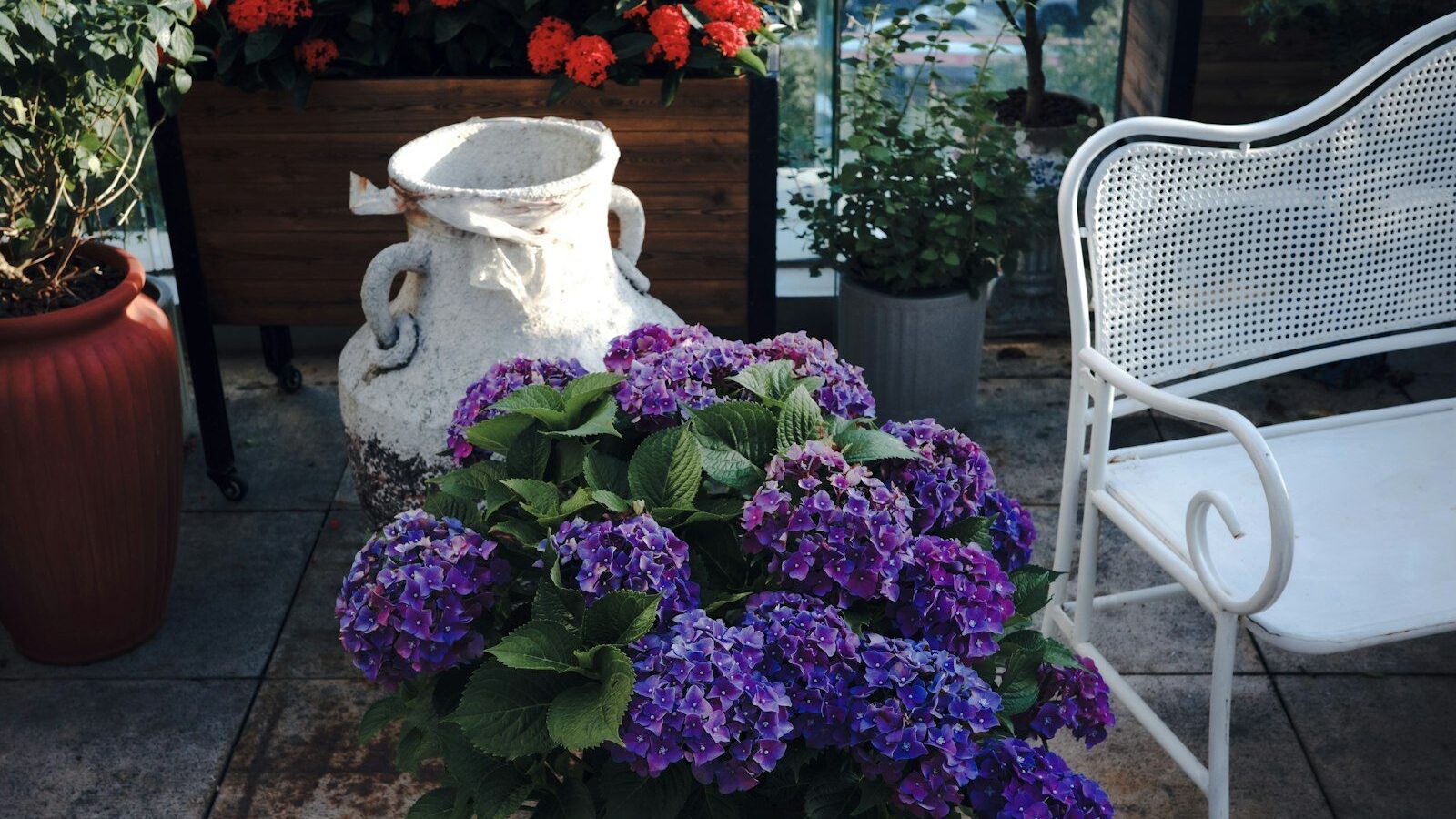
You do not need a yard to grow real food. A sunny balcony, a hot patio, or even a fire-escape landing can produce tomatoes, peppers, herbs, salad greens, and beans if you get a few container basics right. The trick is matching the pot to the crop, using a mix that drains fast but holds moisture, and staying ahead of the two things that kill container vegetables most often: drying out and running out of nutrients. This guide walks through pot sizes, soil, sun, watering, feeding, and the specific crops that reward small-space growers — so your first container harvest is a genuine one, not a sad single tomato.
Key Takeaways
- Match pot to plant: 1–2 gallons for greens and herbs, 5 gallons for peppers and bush beans, 7–10+ gallons for tomatoes.
- Use a quality potting mix (never garden soil) and make sure every pot has drainage holes.
- Most fruiting vegetables need 6–8 hours of direct sun; leafy greens tolerate 4–5.
- Containers dry fast — expect to water daily in summer, sometimes twice, and feed every 1–2 weeks.
- Best beginner container crops: lettuce, radishes, bush beans, peppers, cherry tomatoes, and herbs.
Choosing the Right Pot Size
Pot size is the single biggest factor in container success, because root volume sets how big and productive a plant can get and how often it will dry out. Too small a pot means stunted plants and constant watering; the right size buys you a buffer. As a working rule, leafy greens and most herbs are happy in 1–2 gallon pots, compact crops like radishes, scallions, and bush beans want 3–5 gallons, peppers and eggplant like 5 gallons each, and a single indeterminate tomato needs at least 7–10 gallons (a 5-gallon bucket is the bare minimum and will demand twice-daily watering in July).
Material matters too. Plastic and glazed ceramic hold moisture longest and are forgiving for beginners. Terracotta breathes and dries quickly, which suits Mediterranean herbs like rosemary and thyme but punishes thirsty tomatoes. Fabric grow bags air-prune roots and prevent circling, drain superbly, and fold away in winter — they are my default recommendation for patio vegetables. Whatever you choose, every container must have drainage holes. A pot without drainage drowns roots after the first heavy rain. Skip the layer of gravel at the bottom; it does not improve drainage and actually raises the saturated zone. For more small-space strategy, our urban gardening hub covers balcony and vertical setups in depth.
The Best Soil Mix for Container Vegetables
Never fill pots with soil dug from the garden. It compacts in a container, drains poorly, and brings in weeds and disease. Use a peat- or coir-based potting mix designed for containers — it stays light, drains freely, and holds enough moisture between waterings. A good mix is roughly 60% potting medium, 20% compost for slow-release nutrition and biology, and 20% perlite or coarse bark to keep it open. The compost matters: most bagged potting mixes contain only a few weeks of starter fertilizer, so adding compost and planning to feed regularly keeps plants producing all season.
Reusing mix from last year is fine if it was disease-free. Refresh it by mixing in a third fresh compost and a balanced organic granular fertilizer, and discard any mix where plants showed wilt or root rot. Fill pots to within an inch of the rim so you have room to water without it sheeting straight over the edge, and firm the mix gently rather than packing it tight.
Sun, Placement, and Wind
Vegetables are sun machines. Fruiting crops — tomatoes, peppers, cucumbers, beans, squash — need a minimum of 6 hours of direct sun and do best with 8. Leafy greens (lettuce, spinach, chard, kale) and most herbs will produce with 4–5 hours and actually appreciate afternoon shade in hot climates, where full sun can make lettuce bolt. Before you commit, watch your space for a day and note how the sun tracks; a balcony that looks bright at noon may only get two real hours of direct light because of a railing or overhang.
Heat and wind are the hidden challenges of container growing. Dark pots on a south-facing concrete patio can cook roots above 100°F, so light-colored containers or a bit of afternoon shade help. Wind on a high balcony dries pots fast and can snap tall tomatoes, so group containers together to buffer each other, stake early, and consider a wind-permeable screen. The mobility of containers is an advantage here — chase the sun in spring, then slide pots into partial shade during a brutal heat wave.
Watering Without Killing Your Plants
Watering is where most container vegetables live or die. Pots have a limited reservoir and exposed sides, so they dry far faster than ground soil — in midsummer, a 5-gallon pot of tomatoes can need watering once or even twice a day. The goal is consistently moist, never waterlogged and never bone-dry. Erratic watering causes blossom-end rot on tomatoes and peppers and makes greens bitter, so a routine beats guesswork.
Check by pushing a finger an inch into the mix: if it is dry at the fingertip, water until it runs freely from the drainage holes, then stop. Water in the early morning so plants are hydrated before the heat and foliage dries before night, which reduces disease. To cut the workload, mulch the surface of each pot with an inch of straw, bark, or even shredded leaves to slow evaporation, use larger pots that hold more water, and group containers so they shade each other’s sides. Self-watering containers with a built-in reservoir, or a cheap drip line on a timer, transform balcony growing for anyone who travels or forgets. If you are short on horizontal space, a vertical or stacked container system packs more crops into the same sunny footprint.
Feeding Container Vegetables
The constant watering that containers require also flushes nutrients out the bottom, so potted vegetables are far hungrier than the same plants in the ground. Starter fertilizer in bagged mix runs out in 4–6 weeks, after which growth stalls and leaves yellow from the bottom up. Plan to feed from week three or four onward.
The simplest approach is a balanced liquid feed (such as a fish-and-seaweed blend or an all-purpose 5-5-5 type) diluted to label rate every 7–14 days. Leafy greens want more nitrogen for lush growth; fruiting crops appreciate a feed slightly higher in phosphorus and potassium once they begin to flower. You can also mix a slow-release granular fertilizer into the soil at planting for a steady baseline and supplement with liquid feed during heavy fruiting. Watch the plants: pale lower leaves signal nitrogen hunger, while purple-tinged leaves often mean cold or phosphorus shortage. Do not overdo it — salt buildup from heavy feeding scorches roots, so flush pots with plain water every few weeks.
The Best Vegetables to Grow in Pots
Some crops were practically made for containers, while sprawling, deep-rooted vegetables fight you the whole way. Start with the reliable performers below and expand once you have your watering rhythm down.
Easy, high-reward container crops
- Lettuce and salad greens — fast, shallow-rooted, and perfect for shallow wide pots and window boxes; harvest outer leaves for weeks.
- Radishes — ready in 25–30 days, ideal for impatient beginners and kids.
- Bush beans — productive in a 5-gallon pot, no trellis needed, and they fix some of their own nitrogen.
- Peppers — compact, heat-loving, and beautiful; one plant per 5-gallon pot yields all season.
- Cherry and patio tomatoes — determinate or dwarf varieties like ‘Patio’, ‘Tiny Tim’, or ‘Tumbling Tom’ stay manageable; give indeterminate types a big pot and a stake or cage.
- Herbs — basil, parsley, chives, thyme, and mint (keep mint in its own pot — it is a thug) thrive and earn their space daily.
Crops to approach with care include sweet corn (needs many plants for pollination), full-size pumpkins and watermelon (enormous root and vine demands), and most root crops deeper than carrots, which want a tall pot. Choose compact or “patio” cultivars wherever they exist — breeders have created dwarf versions of cucumbers, squash, and tomatoes specifically for pots. For tying container growing into broader small-space planning, the Urban Gardening hub covers raised beds and balcony design that complement potted crops.
Frequently Asked Questions
How big a pot do I need for tomatoes?
A single indeterminate tomato needs at least a 7–10 gallon container; a 5-gallon bucket is the absolute minimum and will require watering once or twice daily in summer. Compact patio and cherry varieties do well in 5 gallons. Bigger pots hold more water and produce healthier, more productive plants.
How often should I water container vegetables?
Check daily by pushing a finger an inch into the soil; water when it is dry at the fingertip. In peak summer heat, fruiting crops in pots often need daily or twice-daily watering. Water until it runs from the drainage holes, water in the morning, and mulch the surface to slow evaporation.
Can I reuse potting soil from last year?
Yes, if the previous plants were healthy. Refresh it by mixing in about a third fresh compost plus a balanced fertilizer to restore nutrients and structure. Discard any mix where plants suffered root rot or wilt disease rather than risk carrying the problem into a new crop.
Do container vegetables need fertilizer?
Yes — far more than in-ground plants. Frequent watering flushes nutrients out the drainage holes, and bagged mix only feeds for a few weeks. Use a balanced liquid feed every 1–2 weeks, or mix slow-release granules into the soil at planting and supplement during heavy fruiting.
What vegetables grow best in pots for beginners?
Lettuce, radishes, bush beans, peppers, cherry tomatoes, and herbs like basil and parsley are the most forgiving and productive container crops. They have modest root needs, tolerate small spaces, and reward you quickly. Avoid corn, full-size pumpkins, and deep-rooted vegetables until you are confident.