

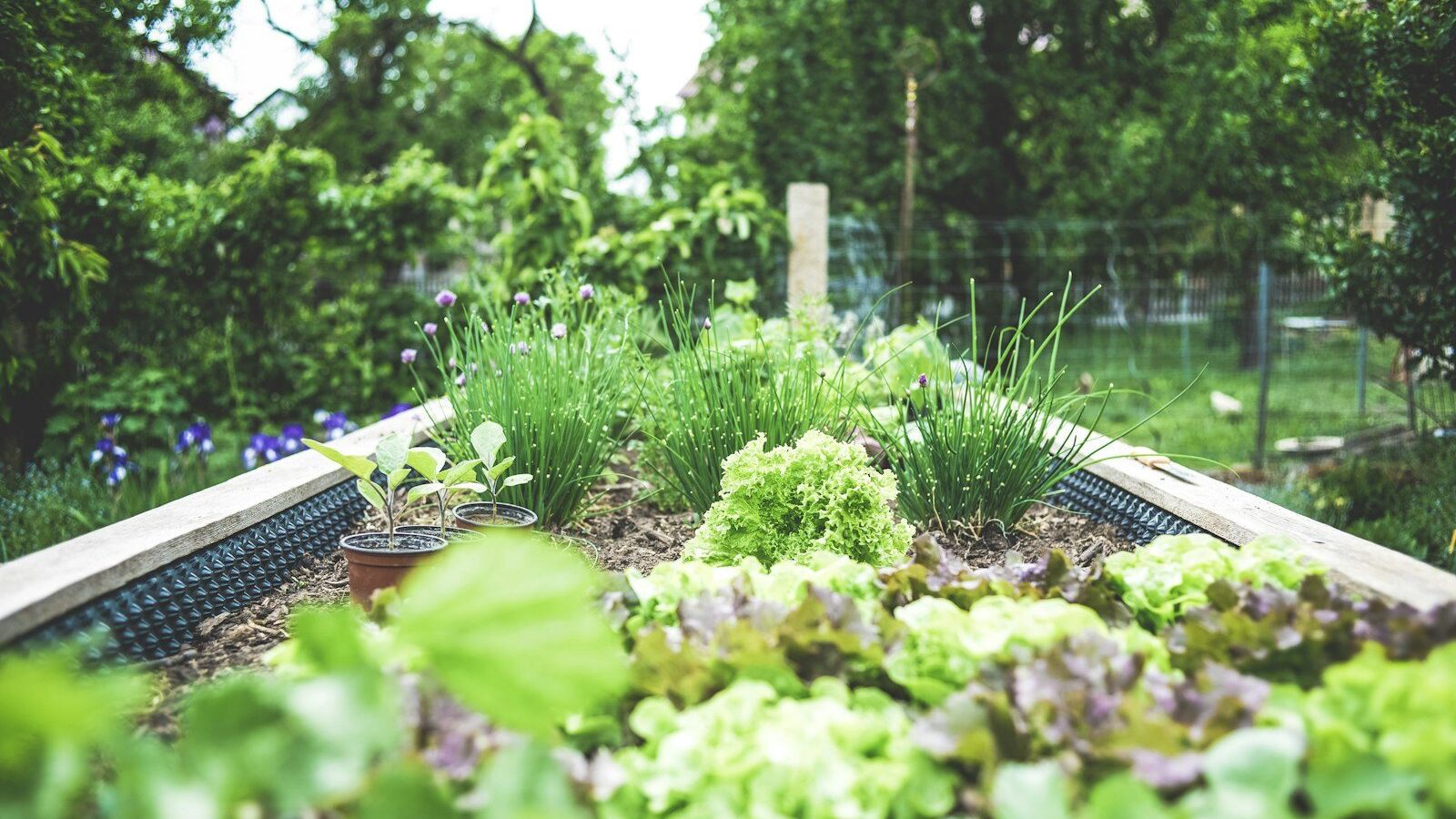
You can grow a real vegetable harvest in containers on a balcony, patio or driveway — the secret is bigger pots, a true potting mix (never garden soil), and a watering and feeding routine that compensates for the limited root zone. Get those three things right and a handful of pots will outproduce a neglected in-ground bed. Here is exactly how to do it.
Key Takeaways
- Go bigger than you think. Tomatoes and peppers want 5+ gallon pots; leafy greens and herbs are happy in 1–3 gallons.
- Use potting mix, never garden soil. Garden soil compacts in pots, drains poorly and drowns roots.
- Containers dry out fast — in summer heat, expect to water daily, sometimes twice. Always use pots with drainage holes.
- Feed regularly. Frequent watering flushes nutrients, so fertilize every 1–2 weeks once plants are established.
- Most vegetables need 6+ hours of direct sun; place pots accordingly or choose shade-tolerant greens.
Choose the Right Container Size
Root volume is the single biggest factor in container success. Too-small pots dry out hourly, restrict roots and stunt yields. Size up:
- 5–10 gallons: tomatoes, peppers, eggplant, squash, a single dwarf cucumber.
- 3–5 gallons: bush beans, compact peppers, determinate tomatoes, chard.
- 1–3 gallons: lettuce, spinach, radishes, green onions, most herbs.
- Window boxes / troughs: a salad mix of greens and herbs grown shallow and cut often.
Material matters too. Fabric grow bags air-prune roots and breathe well but dry fastest. Glazed ceramic and plastic hold moisture longer. Terracotta is attractive but wicks water away quickly. Whatever you choose, it must have drainage holes — a pot without them will rot roots after the first heavy watering or rain.
Fill With the Right Potting Mix
Never fill containers with garden soil or topsoil. In a pot it compacts into a dense brick that smothers roots and drains terribly. Use a quality potting mix — a soilless blend of peat or coir, compost, and perlite or vermiculite that stays light and drains freely while holding moisture.
Mix in a few handfuls of compost for fertility and a slow-release granular fertilizer at planting to carry plants through the first weeks. Skip the gravel layer at the bottom — it does not improve drainage and actually raises the saturated zone in the root area. Just fill to about an inch below the rim so water does not overflow.
Watering: The Make-or-Break Skill
Containers dry out far faster than garden beds because the soil volume is small and exposed on all sides. In spring you may water every two or three days; in midsummer heat a 5-gallon tomato can need watering once or even twice a day.
- Check daily. Push a finger an inch into the mix — if it is dry, water until it runs from the drainage holes.
- Water at the soil, not the leaves, and ideally in the morning to reduce disease and evaporation.
- Mulch the surface with straw, bark or even a layer of coco coir to slow evaporation.
- Group pots together to create a humid microclimate and reduce drying.
If you travel or can’t keep up, consider self-watering containers — our guide to self-watering containers explains how the reservoir system buys you days between waterings.
Feeding Your Container Vegetables
Frequent watering constantly flushes nutrients out of the limited soil, so container vegetables are hungrier than in-ground plants. After the slow-release fertilizer at planting fades (about 4–6 weeks), switch to a liquid feed.
- Leafy greens and herbs: a balanced liquid fertilizer every two weeks.
- Fruiting crops (tomatoes, peppers, squash): a fertilizer higher in phosphorus and potassium once flowering begins, every 7–10 days, to support fruit set.
Watch the leaves: pale, yellowing lower foliage usually means it is time to feed; lush leaves with no fruit means too much nitrogen.
Sun, Placement and Support
Most fruiting vegetables need at least 6 hours of direct sun, and 8 is better for tomatoes and peppers. Track the sun across your space over a day before committing pots to a spot. If you only have part shade, lean into leafy crops — lettuce, spinach, kale, chard and herbs like parsley and mint tolerate 4–5 hours.
Add support early. Drive a stake or set a tomato cage at planting so you are not disturbing roots later. Cucumbers and pole beans climb a trellis happily and save floor space — a key trick on small balconies covered in our vertical garden guide.
A Simple Month-by-Month Plan
Timing follows your last and first frost dates more than the calendar, but a typical temperate-zone season looks like this:
- Early spring (6–8 weeks before last frost): start tomato and pepper seeds indoors; direct-sow cool crops like lettuce, radishes and spinach in pots outdoors.
- Last frost: transplant tomatoes, peppers and basil into their final containers; direct-sow beans, cucumbers and squash.
- Early summer: stay on top of watering and feeding; harvest greens often to keep them producing.
- Midsummer: peak harvest; pick fruit regularly so plants keep setting more.
- Late summer / early fall: replace spent crops with a second round of fast greens and radishes for an autumn harvest.
Crop-by-Crop Container Guide
The general rules carry you far, but each vegetable has its own pot size, spacing, and timeline. Use this as a quick planting reference for the most rewarding container crops.
- Tomatoes: 5–10 gallon pot, one plant each. Full sun (8 hours), stake or cage at planting, water steadily to prevent blossom end rot. Choose determinate or dwarf types (‘Patio’, ‘Tiny Tim’, ‘Bush Early Girl’); harvest 60–80 days after transplant.
- Peppers: 3–5 gallon pot, one plant. Full sun and warmth, even moisture, potassium-rich feed at fruiting. ‘Jalapeño’, ‘Lunchbox’, ‘Mini Bell’. Harvest 65–85 days from transplant; leaving fruit to ripen red boosts flavor and vitamin C.
- Lettuce and salad greens: 1–3 gallon pot or window box, 6 inches deep, space leaf types ~4 inches apart. Part shade tolerant (4–5 hours), keep moist, harvest outer leaves and they regrow. Ready in 30–45 days; sow every 2–3 weeks.
- Bush beans: 3–5 gallon pot, sow 6–8 seeds and thin to the strongest 4–5. Full sun, direct-sow after frost, pick every few days to keep them producing. Harvest 50–60 days from sowing.
- Cucumbers: 5 gallon pot, one plant. Full sun, abundant consistent water, a trellis for vining types. Compact varieties (‘Spacemaster’, ‘Patio Snacker’) stay tidy. Harvest 50–65 days; pick young and often.
- Radishes: 1–2 gallon pot, 6 inches deep, sow thickly and thin to 2 inches. Part sun, keep evenly moist or they turn woody. Fastest crop of all — harvest in 25–30 days.
- Green onions: 1–2 gallon pot, sow in clusters. Part sun, even moisture; you can regrow them from store-bought root ends. Snip as needed from about 60 days.
- Herbs: 1–2 gallon pot each. Mediterranean herbs (rosemary, thyme, oregano) want full sun and drier soil; basil and cilantro want more moisture. Pinch and harvest often to delay flowering. Keep mint isolated in its own pot — it is invasive.
For a deeper look at which varieties shine in pots, see our companion guide on the best vegetables for container gardening.
Overwintering and Extending the Season
One advantage of containers is mobility — you can chase the sun in summer and dodge the frost in fall. As nights cool, move tender pots (basil, peppers, tomatoes still ripening fruit) against a south-facing wall, which radiates stored heat overnight and buys you extra weeks. A light row-cover fabric draped over plants on frosty nights protects them down a few degrees; pull it off in the morning.
Cool-season crops run the other way: lettuce, spinach, kale, chard, and radishes actually prefer fall’s mild days and shrug off light frost, so a second sowing in late summer gives an autumn harvest long after the tomatoes quit. In mild-winter regions you can keep greens and roots going through winter in containers. In cold regions, perennial herbs like rosemary and thyme survive if you move the pots into an unheated garage or against the house; small pots freeze solid and kill roots, so cluster them, wrap them, or sink them temporarily into a bed. Empty pots should be drained and stored under cover, since waterlogged ceramic and terracotta crack when the trapped moisture freezes.
Common Problems and Fixes
- Wilting despite wet soil: roots are waterlogged or the pot lacks drainage — check holes and reduce watering.
- Blossom end rot on tomatoes: caused by inconsistent watering disrupting calcium uptake; water steadily and mulch.
- Leggy, pale plants: not enough sun — relocate to a brighter spot.
- Lots of leaves, no fruit: too much nitrogen or too little sun; switch to a bloom fertilizer and improve light.
- Pests (aphids, whiteflies): blast with water, then spray insecticidal soap; container plants are easy to isolate and treat.
For ideas on which crops perform best in pots, see our companion guide on the best vegetables for container gardening, and explore more small-space ideas in the Urban Gardening hub.
Frequently Asked Questions
What size container do vegetables need?
It depends on the crop. Tomatoes, peppers and eggplant want 5+ gallon pots; bush beans and compact varieties do well in 3–5 gallons; lettuce, radishes, green onions and herbs thrive in 1–3 gallons. Bigger pots dry out slower and yield more.
Can I use garden soil in containers?
No. Garden soil compacts in pots, drains poorly and can drown roots or introduce disease. Use a quality soilless potting mix that stays light and drains freely, amended with compost and a slow-release fertilizer.
How often should I water container vegetables?
Check daily by feeling the top inch of soil. In cool weather you may water every 2–3 days; in summer heat large fruiting plants can need water once or twice a day. Water until it runs from the drainage holes.
How much sun do container vegetables need?
Most fruiting vegetables need at least 6 hours of direct sun, with 8 being ideal for tomatoes and peppers. If you only have partial sun, grow leafy greens and herbs, which tolerate 4–5 hours.
Why are my container plants growing leaves but no fruit?
Usually too much nitrogen, not enough sunlight, or poor pollination. Switch to a fertilizer higher in phosphorus and potassium once flowering starts, move pots into more sun, and gently shake flowering plants to aid pollination.
Can I reuse potting mix from last year?
Yes, with refreshing. Old mix compacts and loses nutrients over a season, so each spring loosen it, mix in fresh compost and a portion of new potting mix, and add slow-release fertilizer. Discard mix from any plant that had a soil-borne disease, and rotate crop families between pots to avoid building up pests.
How many vegetables can I grow in one pot?
Give large fruiting plants their own container — one tomato, pepper, or cucumber per 5-gallon pot. Smaller crops can share: several lettuces or a mix of herbs in a 2–3 gallon pot, or 4–5 bush beans in a 5-gallon pot. Overcrowding starves roots and cuts yields, so err toward fewer plants in more soil.