

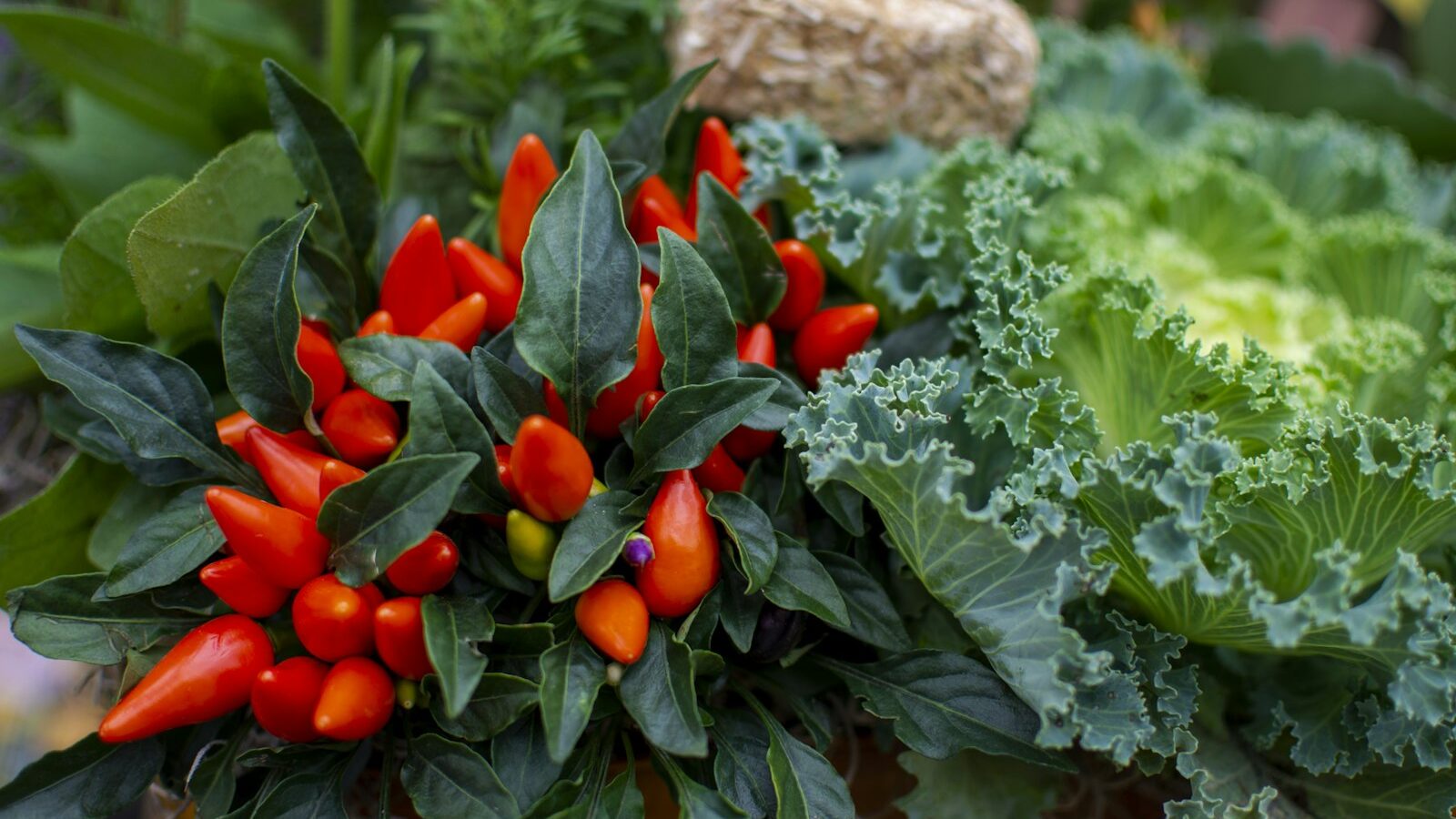
You don’t need a backyard to grow your own food. A sunny balcony, patio, or even a bright windowsill can produce baskets of fresh vegetables when you pick the right crops and the right pots. This guide rounds up the best vegetables to grow in containers, with pot sizes, sun needs, and quick growing tips for each.
Some links in this article are affiliate links. As an Amazon Associate we earn from qualifying purchases, at no extra cost to you.
Why grow vegetables in containers?
Containers give you control. You choose the soil, move pots to chase the sun, and keep pests and weeds in check far more easily than in open ground. They’re also the natural starting point for anyone learning urban gardening in a small space.
- The easiest container vegetables are fast, compact crops like lettuce, radishes, and bush beans.
- Most vegetables need at least 6 hours of direct sun per day; leafy greens tolerate a little less.
- Match the pot to the plant: bigger roots need bigger containers and deeper soil.
- Always use potting mix, never garden soil, and never let containers dry out completely.
The best vegetables for containers
These crops are proven performers in pots. Start with two or three that match your sunlight, then expand once you get a feel for watering.
Tomatoes
Pot size: 5 gallons (about 20 inches) or larger per plant. Sun: 6 to 8 hours of full sun. Tomatoes are the headline crop of any container garden, but they’re hungry and thirsty. Choose determinate or “patio” varieties for smaller spaces, add a cage or stake at planting time, and water consistently to prevent blossom-end rot and cracking.
Peppers & chillies
Pot size: 3 to 5 gallons per plant. Sun: 6 to 8 hours of full sun. Peppers love warmth and actually thrive in the contained, heat-holding environment of a pot. Wait until nights are reliably warm before setting them out, and feed lightly once fruit starts to set. Hot chillies often get spicier with a little water stress late in the season.
Lettuce & salad greens
Pot size: 6 to 8 inches deep; a wide, shallow trough works well. Sun: 4 to 6 hours; tolerates partial shade. Lettuce is one of the fastest, most forgiving container crops. Sow seeds thinly every couple of weeks for a steady supply, and harvest the outer leaves of loose-leaf types so plants keep producing. In hot weather, give greens afternoon shade to delay bolting.
Radishes
Pot size: 6 inches deep is plenty. Sun: 4 to 6 hours. Radishes are the quickest reward in gardening, often ready in 3 to 4 weeks from seed. Sow directly into the pot, thin to about an inch apart, and keep the soil evenly moist so roots stay crisp rather than woody or pithy.
Bush beans
Pot size: 8 to 12 inches deep, the wider the better. Sun: 6 to 8 hours of full sun. Bush beans stay compact and need no trellis, making them ideal for tubs and window boxes. Sow seeds directly after the last frost, then pick pods regularly while young and tender to keep the plants producing for weeks.
Spinach
Pot size: 6 to 8 inches deep. Sun: 4 to 6 hours; appreciates cooler conditions. Spinach is a cool-season green that’s perfect for spring and fall pots. It bolts quickly in heat, so grow it early, water steadily, and harvest baby leaves often. A shadier spot can extend the season into early summer.
Kale
Pot size: 3 to 5 gallons per plant. Sun: 5 to 6 hours. Kale is tough, productive, and ornamental enough to look good on a patio. Pick the lower leaves as you need them and the plant keeps growing for months. It actually sweetens after a light frost, making it one of the best crops to carry into cold weather.
Carrots
Pot size: 10 to 12 inches deep for standard types; shorter for round or “baby” varieties. Sun: 6 hours. Carrots need loose, stone-free potting mix so roots can grow straight and long. Sow directly, thin carefully, and keep moisture even. Choose stubby or round cultivars if your container is shallow.
Herbs
Pot size: 6 to 10 inches per herb. Sun: 4 to 6 hours for most; basil and rosemary prefer more. Herbs are the highest-value container crop for a small space, since a little goes a long way in the kitchen. Group herbs with similar needs, harvest often to encourage bushy growth, and keep Mediterranean types like rosemary and thyme on the drier side.
Container & soil basics
Pot size and drainage
Bigger pots hold more soil, which means more moisture and a more stable root zone, so err on the larger side. Every container must have drainage holes; without them, roots sit in water and rot. If you’re weighing pots against ground beds, our guide to the best raised garden beds compares both approaches.
Use potting mix, not garden soil
Garden soil compacts in containers, drains poorly, and can carry pests and disease. Use a quality potting mix instead. It’s light, holds moisture while still draining, and gives roots the air they need. Refresh or replace it each season for best results.
Watering
Containers dry out far faster than open ground, sometimes daily in summer heat. Check the top inch of soil and water deeply until it runs from the drainage holes. Consistent moisture is the single biggest factor in container success, so don’t let pots swing between bone-dry and soaked.
Feeding
Frequent watering flushes nutrients out of the mix, so container plants need regular feeding. Mix in a slow-release fertilizer at planting, then supplement with a diluted liquid feed every week or two for hungry crops like tomatoes and peppers. Follow the label rates and avoid overfeeding leafy greens.
Ready to plan your space? See our full urban gardening guide, or if you’re working with a small outdoor area, learn how to start a balcony garden.
Frequently asked questions
What vegetables are easiest to grow in pots?
Lettuce, radishes, bush beans, and most herbs are the easiest. They grow quickly, stay compact, and forgive beginner mistakes. Start with these to build confidence before moving on to fussier crops like tomatoes and carrots.
How big a pot do I need for tomatoes?
Aim for at least a 5-gallon pot (around 20 inches across and deep) for a single tomato plant. Larger is even better, since more soil holds moisture and nutrients more steadily. Compact patio or determinate varieties can manage in 3 to 5 gallons.
How much sun do container vegetables need?
Most fruiting vegetables, including tomatoes, peppers, and beans, need 6 to 8 hours of direct sun daily. Leafy greens and many herbs do fine with 4 to 6 hours and even benefit from afternoon shade in hot climates.
How often should I water containers?
It depends on weather, pot size, and crop, but in summer many containers need water once a day. Check the top inch of soil; if it’s dry, water deeply until it drains from the bottom. Smaller pots and hot, windy spots dry out fastest.
Can I reuse potting mix next season?
You can, but refresh it first. Mix in fresh potting mix and some compost or slow-release fertilizer to restore structure and nutrients. If a plant suffered from disease, discard that mix rather than reusing it.