

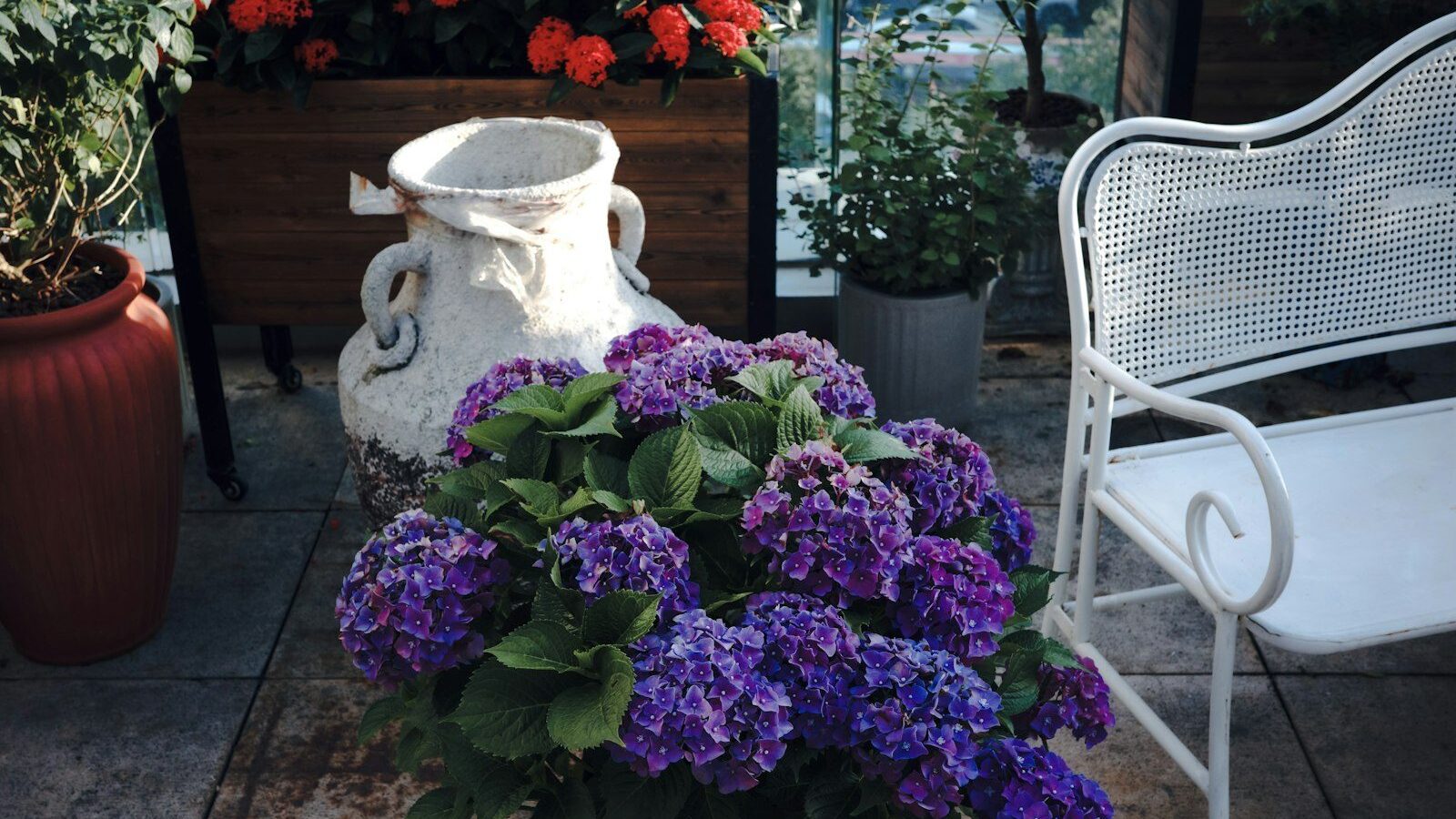
The best vegetables for containers are compact, fast, and productive for the space they take — crops that give you a real harvest from a single pot rather than sprawling for square footage you don’t have. Leafy greens, herbs, tomatoes, peppers and root crops top the list. Below are the standout performers, with the pot size, recommended varieties and care notes for each so you can plan a balcony or patio garden that actually feeds you.
Key Takeaways
- Leafy greens, herbs and bush/determinate crops are the highest-value container vegetables — fast, compact and productive.
- Look for “patio,” “bush,” “compact” or “dwarf” varieties bred specifically for small spaces.
- Match pot size to the crop: greens and herbs in 1–3 gallons, peppers and beans in 3–5, tomatoes and squash in 5+.
- Cut-and-come-again greens and frequent picking keep plants producing for weeks or months.
Lettuce and Salad Greens
Greens are the easiest, fastest win in containers. Loose-leaf lettuce, arugula, spinach and Asian greens grow shallow, mature in 30–45 days, and regrow when you harvest outer leaves rather than pulling the whole plant. A single trough or wide 2-gallon pot becomes a continuous salad bar.
Pot: 1–3 gallons or a window box, 6+ inches deep. Varieties: ‘Salad Bowl’, ‘Black Seed Simpson’, ‘Buttercrunch’, ‘Bloomsdale’ spinach. Care: tolerate part shade (4–5 hours sun), keep moist, and sow a fresh batch every 2–3 weeks. They bolt in heat, so grow them in spring and fall.
Tomatoes (Bush and Determinate)
Tomatoes are the headline container crop, but variety choice is everything. Skip rampant indeterminate beefsteaks and choose determinate or dwarf types bred to stay compact while loading up with fruit. Cherry tomatoes especially thrive in pots and pump out fruit all season.
Pot: 5+ gallons per plant. Varieties: ‘Patio’, ‘Bush Early Girl’, ‘Tiny Tim’, ‘Tumbling Tom’ (great for hanging baskets), ‘Celebrity’. Care: 8 hours of sun, a cage or stake set at planting, steady watering to prevent blossom end rot, and a bloom fertilizer once flowering begins.
Peppers
Peppers are nearly purpose-built for containers — naturally bushy, attractive enough to be ornamental, and productive in a modest pot. Both sweet and hot types do well, and the confined warm root zone of a dark pot suits their love of heat.
Pot: 3–5 gallons. Varieties: ‘Jalapeño’, ‘Cayenne’, ‘Lunchbox’ snacking peppers, ‘Mini Bell’. Care: full sun and warmth, even moisture, and a potassium-rich feed during fruiting. Our guide to growing peppers in containers covers the details.
Herbs
Herbs may be the single best use of container space: high value, compact, and harvested constantly. Basil, parsley, cilantro, chives, thyme, oregano and mint all thrive in pots — and keeping mint contained in a pot is the only sane way to grow it, since in the ground it becomes invasive.
Pot: 1–2 gallons each, or group sun-loving Mediterranean herbs together. Care: most want full sun and slightly drier soil (especially rosemary, thyme and oregano); basil and cilantro prefer more moisture. Pinch and harvest often to keep them bushy and delay flowering.
Radishes and Green Onions
For instant gratification, radishes go from seed to harvest in as little as 25–30 days and need only a shallow pot. Green onions are equally forgiving — you can even regrow them from the root ends of store-bought bunches.
Pot: 1–2 gallons, 6 inches deep. Varieties: ‘Cherry Belle’ and ‘French Breakfast’ radishes; ‘Evergreen’ bunching onions. Care: sow radishes thickly and thin, keep evenly moist (drought makes them woody and hot), and succession-sow for a steady supply.
Bush Beans
Bush beans give a generous harvest without the trellis that pole beans demand, making them ideal where vertical space is limited. A single 5-gallon pot with a few plants yields handfuls of beans over several weeks.
Pot: 3–5 gallons, several plants. Varieties: ‘Provider’, ‘Contender’, ‘Mascotte’ (bred for containers). Care: full sun, direct-sow after frost, and pick regularly — frequent harvesting keeps the plants flowering and producing.
Cucumbers (Bush and Trellised)
Cucumbers reward container growers if you pick a compact variety or train a vining one up a trellis. Bush types stay tidy; vining types climb and save floor space while producing heavily.
Pot: 5 gallons per plant. Varieties: ‘Spacemaster’, ‘Bush Champion’, or ‘Patio Snacker’. Care: full sun, abundant and consistent water (cucumbers are thirsty), a trellis for vining types, and a steady feed. Training them vertically pairs perfectly with a vertical garden setup.
Kale, Chard, and Other Leafy Producers
Beyond lettuce, the sturdy leafy greens are some of the most generous container crops because you harvest the same plant for months. Kale and Swiss chard are cut-and-come-again champions: snap off the outer leaves and the plant keeps pushing new ones from the center well into cold weather. Both are also handsome enough to mix into ornamental pots.
Pot: 2–3 gallons per plant, 8+ inches deep. Varieties: ‘Lacinato’ (dinosaur) and ‘Dwarf Blue Curled’ kale; ‘Bright Lights’ and ‘Fordhook Giant’ chard. Care: tolerate part shade (4–5 hours) and light frost — flavor in kale actually sweetens after a frost. Keep moisture even, feed every couple of weeks, and watch for cabbage worms, which are easy to pick off in a pot. Harvest from the outside in and a single plant feeds you for months.
Eggplant
Eggplant loves the warm, confined root zone of a dark pot and makes a striking patio plant with its purple flowers and glossy fruit. Compact varieties are far better suited to containers than the large standard types.
Pot: 5 gallons per plant. Varieties: ‘Patio Baby’, ‘Fairy Tale’, ‘Hansel’. Care: full sun (8 hours) and heat, a stake for support, consistent water, and a potassium-rich feed once flowering. Harvest 60–80 days from transplant when the skin is glossy; dull skin means it is overripe and seedy. Pick regularly to keep the plant setting more.
Pole Beans and Peas (Vertical Crops)
Where floor space is tight but you have a sunny wall or railing, climbing legumes turn vertical inches into a real harvest. Pole beans out-yield bush beans over a longer window, and peas are a cool-season crop you can grow in spring and again in fall.
Pot: 5 gallons with a sturdy trellis or netting. Varieties: ‘Kentucky Wonder’ and ‘Blue Lake’ pole beans; ‘Sugar Snap’ and ‘Oregon Sugar Pod’ peas. Care: full sun for beans, part sun acceptable for peas; direct-sow beans after frost and peas in cool weather. Keep evenly watered and pick constantly — both crops shut down if pods are left to mature on the vine. Pair them with a vertical garden setup to maximize a small balcony.
How to Plan a Mixed-Crop Container Garden
The best small-space gardens combine crops with different speeds, sizes, and seasons so every pot earns its keep all year. Start by reserving your sunniest spots — a south-facing wall or railing that gets 8 hours — for the fruiting crops that demand it: tomatoes, peppers, eggplant, and cucumbers. Tuck the shade-tolerant greens and herbs into the spots that get only 4–5 hours. This single decision does more for your harvest than any fertilizer.
Then stack your crops in time, not just space. Begin the season with fast cool-weather crops — radishes, lettuce, spinach, peas — in early spring while it is too cold for tomatoes. As those finish and the weather warms, replace them with the heat-lovers in the same pots. In late summer, sow another round of fast greens and roots for an autumn harvest after the summer crops wind down. A 5-gallon pot can easily produce three different crops across one growing year. Succession-sowing the quick crops every two to three weeks, rather than all at once, turns a feast-then-famine harvest into a steady supply.
Group your pots thoughtfully too: clustering containers creates a humid microclimate that slows drying, makes watering faster, and lets you shelter tender plants together when frost threatens. Put the thirstiest crops (cucumbers, leafy greens) where they are easiest to reach with the hose, and keep drought-tolerant Mediterranean herbs slightly apart so you do not overwater them. For the full rundown on pot sizing, potting mix, watering, and feeding, see our companion how to grow vegetables in containers guide.
What to Avoid in Small Containers
A few crops are simply poor value for limited space: sprawling winter squash and pumpkins, sweet corn (which needs a block of many plants for pollination), and large indeterminate tomatoes that overwhelm a pot. Brussels sprouts and full-size cabbage are slow and bulky for the single head they yield. Melons and full-size winter storage crops likewise want more root run and square footage than a container offers. If space is tight, prioritize the fast, compact, cut-and-come-again crops above, which reward you many times over for the same soil volume.
Once you’ve picked your crops, dial in the pots, mix and watering with our full how to grow vegetables in containers guide, and find more small-space inspiration in the Urban Gardening hub.
Frequently Asked Questions
What are the easiest vegetables to grow in containers?
Leafy greens (lettuce, spinach, arugula), radishes, green onions and most herbs are the easiest — they’re fast, compact, and forgiving. Cherry tomatoes and peppers are easy too if you give them enough sun and a large enough pot.
Which tomatoes grow best in pots?
Determinate and dwarf varieties bred for containers, such as ‘Patio’, ‘Bush Early Girl’, ‘Tiny Tim’ and ‘Tumbling Tom’. Cherry tomatoes are especially productive. Avoid large indeterminate beefsteaks, which need more root space and support than a pot provides.
How many vegetables can I grow in one container?
One large fruiting plant (tomato, pepper, cucumber) per 5-gallon pot. Smaller crops can share: several lettuces or a mix of herbs in a 2–3 gallon pot, or a few bush beans per 5-gallon pot. Avoid overcrowding, which limits yields.
What vegetables grow in shade or partial sun?
Leafy greens and many herbs tolerate 4–5 hours of sun — lettuce, spinach, kale, chard, parsley, cilantro and mint. Fruiting crops like tomatoes and peppers need 6–8 hours, so reserve your sunniest spots for them.
Can I grow vegetables in containers year-round?
In mild climates, yes — grow cool-season greens and roots in fall through spring and warm-season crops in summer. In cold regions, extend the season with frost protection or move pots indoors, but most fruiting crops stop in winter.
What is the most productive vegetable for a small container?
Cut-and-come-again leafy crops give the most food per pot over time — loose-leaf lettuce, kale, and chard keep yielding for weeks or months from one planting. For sheer value in a tiny footprint, herbs and cherry tomatoes are hard to beat, since a single plant produces continuously all season.
Which vegetables grow fastest in containers?
Radishes are the speed champion at 25–30 days from seed. Loose-leaf lettuce and arugula follow at 30–45 days, and green onions and most salad greens are quick too. These fast crops are perfect for succession sowing every couple of weeks to keep a steady supply coming.