

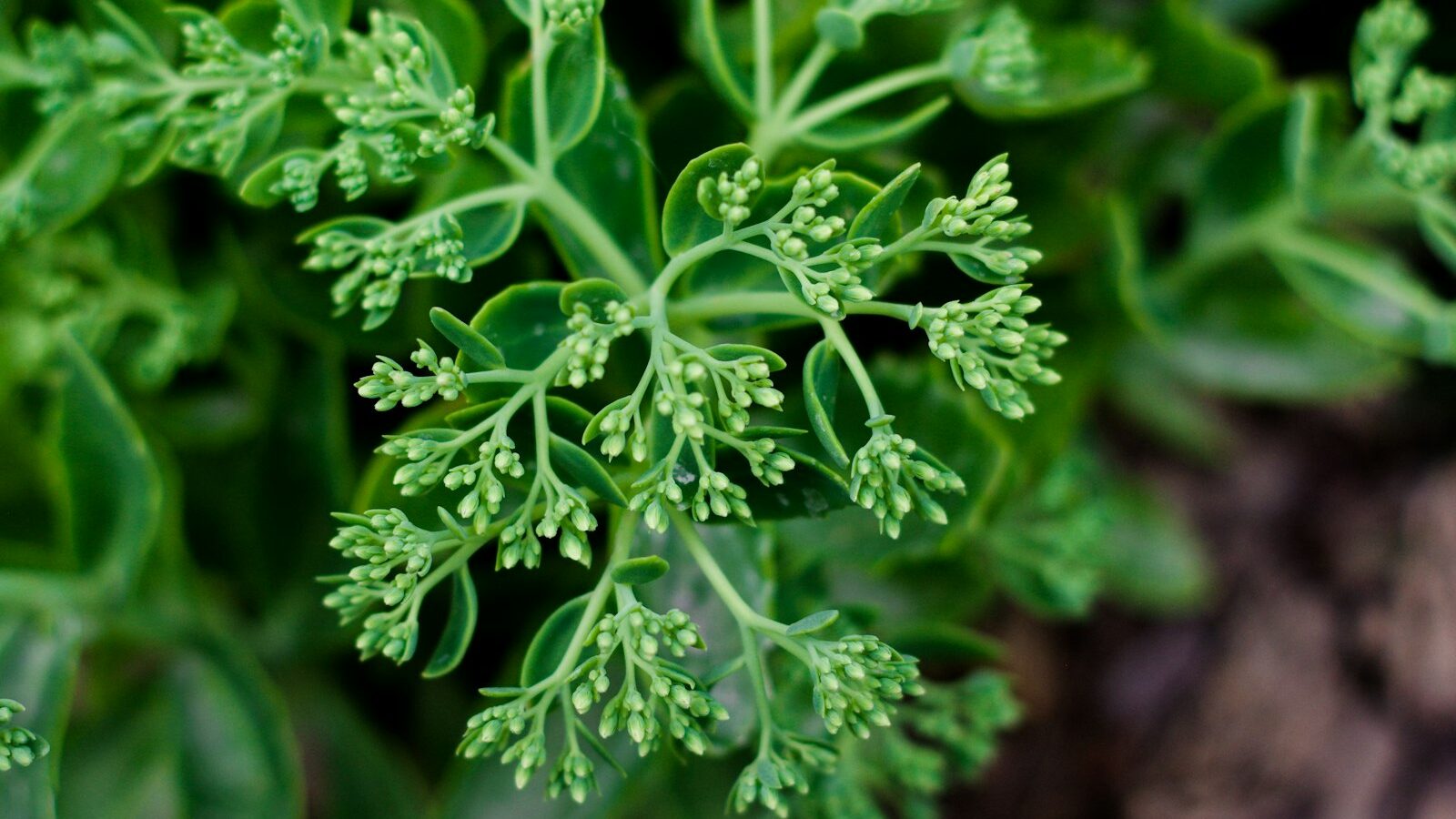
Soapwort is a hardy perennial that thrives on neglect, lathers like real soap when you boil its leaves, and spreads fast enough that you need a plan to contain it before you plant it. Common soapwort (Saponaria officinalis), also called bouncing Bet, is cold-hardy in USDA zones 3 to 9, grows 1 to 3 feet tall, and spreads aggressively by underground rhizomes and self-seeding. Its low cousin, rock soapwort (Saponaria ocymoides), is a tidy 4 to 8 inch alpine mat for zones 4 to 8 that drapes over walls and rockeries in spring. Both want full sun to part shade, tolerate poor well-drained soil, and ask almost nothing of you once established. The catch with the common species is its vigor: plant it where you want a tough, fragrant groundcover for a slope or a wild corner, not in a tidy perennial border where it will swallow its neighbors.
In this guide
- What Soapwort Is and Why You’d Grow It
- Zones, Sun, and Soil
- The Spreading Habit and How to Contain It
- How to Plant Soapwort
- Watering and Ongoing Care
- Using Soapwort as a Groundcover, on Slopes, and in Rockeries
- The Historic Soap Use: Saponins and How to Make a Soapwort Wash
- Pests, Problems, and Wildlife
- Frequently Asked Questions
Key Takeaways
- Common soapwort is hardy in zones 3-9; rock soapwort in zones 4-8. Both take full sun to part shade and poor, well-drained soil.
- Space plants 12-18 inches apart. Common soapwort spreads vigorously by rhizome and seed and can become invasive, so contain it or site it where spread is welcome.
- Start from seed sown in spring, by division, or from softwood cuttings. Drought tolerant once roots are established.
- Shear plants back hard after the mid-to-late-summer bloom to tidy the foliage, encourage rebloom, and cut off seed before it scatters.
- The leaves and roots contain saponins that lather in water; boiled, they make a gentle natural wash still used to clean delicate and museum textiles. Saponins are mildly toxic if eaten in quantity, so keep use external.
What Soapwort Is and Why You’d Grow It
Soapwort earns its place in the garden two ways: it is one of the toughest flowering groundcovers you can grow, and it carries centuries of practical history as a plant you can literally wash with. Before you buy or sow, the single most important decision is which soapwort you actually want, because the two common garden species behave completely differently. Confusing them is the most common mistake new growers make, and it leads either to a disappointing little rockery plant where you wanted coverage, or a rampaging colony where you wanted a neat edging.
Common soapwort, Saponaria officinalis, is the historic soap plant and the bigger, more assertive of the two. It forms upright leafy stems 1 to 3 feet tall topped with loose clusters of fragrant pink or white flowers that look much like phlox. It blooms mid-to-late summer, often from July into September, and the scent gets noticeably stronger in the evening as it works to draw in night-flying moths along with daytime bees and butterflies. This is a naturalizing plant. It escaped from old American homesteads generations ago and now grows wild along roadsides and railway embankments across much of the country, which tells you everything you need to know about how easy it is to keep alive and how readily it travels.
Rock soapwort, Saponaria ocymoides, is an entirely different proposition. It is a low, mat-forming alpine that stays just 4 to 8 inches tall and sprawls outward into a dense cushion that can reach a couple of feet wide. In spring through early summer it covers itself in bright magenta-pink flowers, smothering the foliage so completely you can barely see the leaves. This is the plant for the front of a sunny border, for tumbling over a retaining wall, for tucking into the gaps of a dry-stone wall or a gravelly rockery, and for edging a path. It self-seeds modestly but does not have the running rhizomes that make its big cousin a problem, so it is far easier to keep in bounds. If you want a well-behaved spring carpet, this is your soapwort. If you want a rugged summer-blooming groundcover for a difficult slope, you want the common species, with the cautions below firmly in mind. For more groundcover and perennial options, browse our Plants & Flowers hub.
Zones, Sun, and Soil
Soapwort’s defining trait as a garden plant is how undemanding it is. Common soapwort survives winters down through USDA zone 3 and tolerates the heat of zone 9, which covers nearly the entire continental United States. Rock soapwort runs zones 4 to 8, slightly less cold-hardy at the extreme end but otherwise just as forgiving. Both prefer full sun, where they bloom hardest and grow most compactly, but they accept part shade and will simply produce somewhat looser, leggier growth and fewer flowers there. If you are gardening in the hot lower South, a little afternoon shade actually helps the plants look better through the worst of summer.
For soil, the only real requirement is drainage. Soapwort tolerates poor, lean, rocky, sandy, or chalky ground that would starve a fussier perennial, and in fact lean soil is an advantage because rich, fertile, heavily fertilized ground makes common soapwort flop and spread even faster. A neutral to slightly alkaline pH suits it, but it is not particular. What it will not abide is soggy, waterlogged ground over winter, which rots the crown. Rock soapwort is especially insistent on sharp drainage, which is exactly why it belongs in walls, rockeries, and gravel gardens where excess water drains away instantly. Skip the fertilizer entirely for both; if your soil is genuinely impoverished, a thin scatter of compost at planting is all either species ever needs.
The Spreading Habit and How to Contain It
This section matters more than any other, so do not skip it. Common soapwort spreads by two mechanisms at once. Underground, it sends out creeping rhizomes that push up new stems further and further from the original clump, slowly colonizing outward in every direction. Above ground, it sets abundant seed that scatters and germinates readily wherever bare soil is available. The combination makes it genuinely weedy, and it is listed as invasive or as a noxious weed in some regions and states. Before you plant it, check your local extension office or state invasive-species list, because in some areas the responsible choice is not to grow the common species at all.
Where it is appropriate to grow, contain it deliberately rather than hoping for the best. The cleanest approach is to plant it somewhere bounded on all sides, like a strip between a driveway and a wall, an island bed in lawn that gets mowed around, or a sunny slope where vigorous spread is the whole point. If you want it in a mixed bed, sink a physical root barrier, a rigid plastic or metal edging buried 8 to 12 inches deep, around the planting to stop the rhizomes from running. The single most effective seed-control habit is shearing the plants right after they flower, before the seed heads ripen and drop, which I cover in detail under care. Treat common soapwort with the same wariness you would give mint or bee balm, and you will enjoy it. Plant it casually in good garden soil next to delicate perennials and you will regret it within two seasons. Rock soapwort, again, carries far less of this risk; it stays put as a clump and only seeds modestly.
How to Plant Soapwort
From Seed
Both species grow easily from seed. Sow directly outdoors in spring after the last frost has passed and the soil has warmed, or start seed indoors 6 to 8 weeks before your last frost date for transplanting out. Soapwort seed needs light to germinate, so press it onto the soil surface and barely cover it, no more than an eighth of an inch. Keep the surface consistently moist and expect germination in roughly two to three weeks at temperatures around 65 to 70°F. Seed-grown plants usually flower in their second year, though some bloom the first season if started early. Be aware that seed-raised common soapwort establishes the same vigorous, self-seeding habit, so still plan for containment.
From Division
Division is the fastest way to bulk up plantings and the easiest way to share, and soapwort takes to it with no fuss. Lift an established clump in early spring as new growth emerges, or in early fall, and slice the rhizomatous root mass into sections with a spade or sharp knife, making sure each piece has both roots and a few growing shoots. Replant the divisions immediately at the same depth they grew before, water them in, and keep them watered until you see new growth. With common soapwort, division doubles as a useful way to control an overgrown patch, since you are removing chunks of the spreading root system in the process.
From Cuttings and Spacing
Softwood cuttings taken from non-flowering stems in late spring or early summer root readily. Take 3 to 4 inch tip cuttings, strip the lower leaves, and insert them into a gritty, free-draining cutting mix kept lightly moist and out of harsh sun; most will root within a few weeks. Whichever method you use, space plants 12 to 18 inches apart. That spacing lets common soapwort knit together into solid groundcover within a season or two, and gives rock soapwort room to spread into overlapping cushions. If you want faster coverage on a slope, plant toward the closer end of that range; if you want to slow the rate at which clumps merge, space at the wider end.
Watering and Ongoing Care
Soapwort is drought tolerant once established, which is one of its best qualities for low-maintenance and water-wise gardens. During the first growing season, water newly planted soapwort regularly, roughly an inch a week in the absence of rain, to settle the roots in. After that first year the established plants get by on natural rainfall across most of the country and only need supplemental water during extended drought. Overwatering does more harm than underwatering, since constantly wet roots invite crown rot, so let the soil dry between waterings and never let plants sit in standing water.
The most important maintenance task is shearing after bloom. Once the main flush of flowers fades, cut the plants back hard, by a third to a half, with shears or hedge trimmers. This does three jobs at once: it removes the developing seed heads before they ripen and scatter, dramatically cutting back self-seeding; it tidies up foliage that tends to flop and look ragged after flowering, especially in the taller common soapwort; and it frequently triggers a lighter second flush of bloom later in the season. If you only want to reduce seeding without cutting the whole plant down, deadhead spent flower clusters as they fade. For controlling spread, shearing and deadheading together are far more important than any other single practice. Every few years, when an established clump becomes crowded or starts dying out in the center, lift and divide it in spring or fall to rejuvenate it. In cold-winter regions you can leave the dead top growth standing over winter and cut it to the ground in early spring before new shoots appear.
Using Soapwort as a Groundcover, on Slopes, and in Rockeries
Played to its strengths, soapwort is a problem-solver. Common soapwort excels at clothing difficult sites where you want tough, self-sustaining coverage and care little about formality: eroding banks, hot dry slopes, the rough margins of a property, naturalized meadow edges, and the looser parts of a cottage garden. Its dense root system helps stabilize soil on a slope, and the summer flowers feed bees, butterflies, and evening moths, making it a genuine pollinator plant during a season when many spring perennials have finished. Just give it room and a boundary it cannot cross. It pairs well with other rugged, self-reliant plants; if you like easy historic perennials, see our guide to growing comfrey, another vigorous old-world plant best sited where it can spread freely.
Rock soapwort is the choice for tighter, more decorative situations. Set it at the top of a retaining wall or along the edge of a raised bed and let it cascade down in a sheet of pink. Tuck it into the joints of a dry-stone wall, scatter it through a gravel garden or scree bed, or run it as edging along a sunny path. Because it blooms in spring to early summer while common soapwort blooms later, the two species can extend the soapwort season across your garden if you have spots suited to each. For more ideas on building out planted patios, walls, and outdoor spaces, see our outdoor living section.
The Historic Soap Use: Saponins and How to Make a Soapwort Wash
The name is not decorative. Soapwort’s leaves, stems, and especially its roots are rich in natural compounds called saponins, which behave chemically like a mild soap. Agitated in water, saponins produce a real, if gentle, lather, and that lather lifts dirt and grease much the way ordinary soap does. Long before manufactured soap was cheap and universal, households across Europe and later America grew bouncing Bet specifically as a washing plant. The Latin name itself, Saponaria, comes from sapo, the word for soap. People used it to wash their bodies and hair, to clean wool and linen, and to launder fabrics too delicate for harsher methods.
That last use is the reason soapwort still matters today. Its lather is so gentle and so free of the harsh modern detergents and additives that can damage old fibers and dyes that textile conservators still use soapwort-based washes to clean antique tapestries, historic costumes, and fragile museum textiles where no commercial product is safe enough. It was traditionally valued for washing fine fabrics, lace, and silks at home for the same reason, and as a mild shampoo for sensitive skin and hair. If you garden with an eye toward old crafts and self-sufficiency, growing your own washing plant is a satisfying link to that history.
Making a simple soapwort wash is easy. Gather a generous handful of fresh leaves and stems, or dig and chop a few roots, which are the most saponin-rich part. Roughly chop your material, place it in a pot, cover with water, bring to a gentle boil, then simmer for around 15 to 30 minutes. The liquid will turn cloudy and develop a soft foam as the saponins release. Let it cool, strain out the plant matter, and use the strained liquid as a gentle wash for delicate fabrics, for hand-laundering, or, with care, as a mild shampoo. Make it fresh and use it within a day or two, since it has no preservatives. Test it on an inconspicuous corner of any valuable or antique textile before committing to the whole piece.
One firm caution: the same saponins that make soapwort useful for cleaning make it mildly toxic if eaten in quantity. This is strictly an external, cleaning, and laundry plant, not a food or a tea. Do not drink the wash, do not let children or pets consume the plant, and wash your hands after handling the boiled liquid. Used externally as intended, soapwort is gentle and safe; ingested in any meaningful amount, the saponins can cause stomach upset and irritation. Keep its uses to the washtub and you are on firm, time-tested ground.
Pests, Problems, and Wildlife
By the standards of garden perennials, soapwort is remarkably trouble-free. It has no serious insect pests and no significant disease problems when grown in the well-drained soil it prefers. The one real risk is root and crown rot from soggy, poorly drained ground or chronic overwatering, which is entirely avoidable through good siting and restraint with the hose. The bitter, saponin-laden foliage also makes soapwort reliably deer resistant and generally untroubled by rabbits, a genuine advantage for gardeners battling browsing wildlife on slopes and rural edges. Realistically, the only “problem” most gardeners ever face with soapwort is the opposite of frailty: it spreads too well. Manage that with the containment, shearing, and deadheading covered above, and this is about as close to a plant-it-and-forget-it perennial as exists, while still earning its keep with fragrant summer flowers, pollinator value, and a working connection to the history of how people kept themselves and their cloth clean.
Frequently Asked Questions
Is soapwort invasive?
Common soapwort (Saponaria officinalis) can be invasive. It spreads aggressively by underground rhizomes and self-seeding and is listed as a noxious or invasive weed in some regions. Check your state or local extension list before planting, site it where spread is welcome or behind a buried root barrier, and shear it after bloom to stop it seeding. Rock soapwort (Saponaria ocymoides) is far better behaved and stays in a clump.
What is the difference between common soapwort and rock soapwort?
Common soapwort grows 1 to 3 feet tall, blooms pink or white in mid-to-late summer, and spreads vigorously, making it a groundcover for slopes and wild areas in zones 3 to 9. Rock soapwort is a low 4 to 8 inch mat that blooms bright pink in spring to early summer, suits walls and rockeries, and stays much more contained in zones 4 to 8.
How do you make soap from soapwort?
Chop a handful of fresh leaves and stems or a few roots, cover with water, bring to a boil, and simmer 15 to 30 minutes until the water turns cloudy and foamy from the saponins. Cool, strain out the plant matter, and use the gentle liquid for washing delicate fabrics or as a mild shampoo. Use it fresh within a day or two and never drink it.
How far apart should I plant soapwort?
Space soapwort 12 to 18 inches apart. The closer end of that range gives faster groundcover on a slope, while the wider end slows how quickly clumps merge. Both species fill in within a season or two at this spacing.
Is soapwort poisonous?
Soapwort contains saponins that are mildly toxic if eaten in quantity, so it should only be used externally for cleaning and laundry, never as a food or tea. Used as a wash on the skin, hair, or fabrics it is gentle and safe. Keep the plant and any homemade wash away from children and pets, and wash your hands after handling the boiled liquid.