

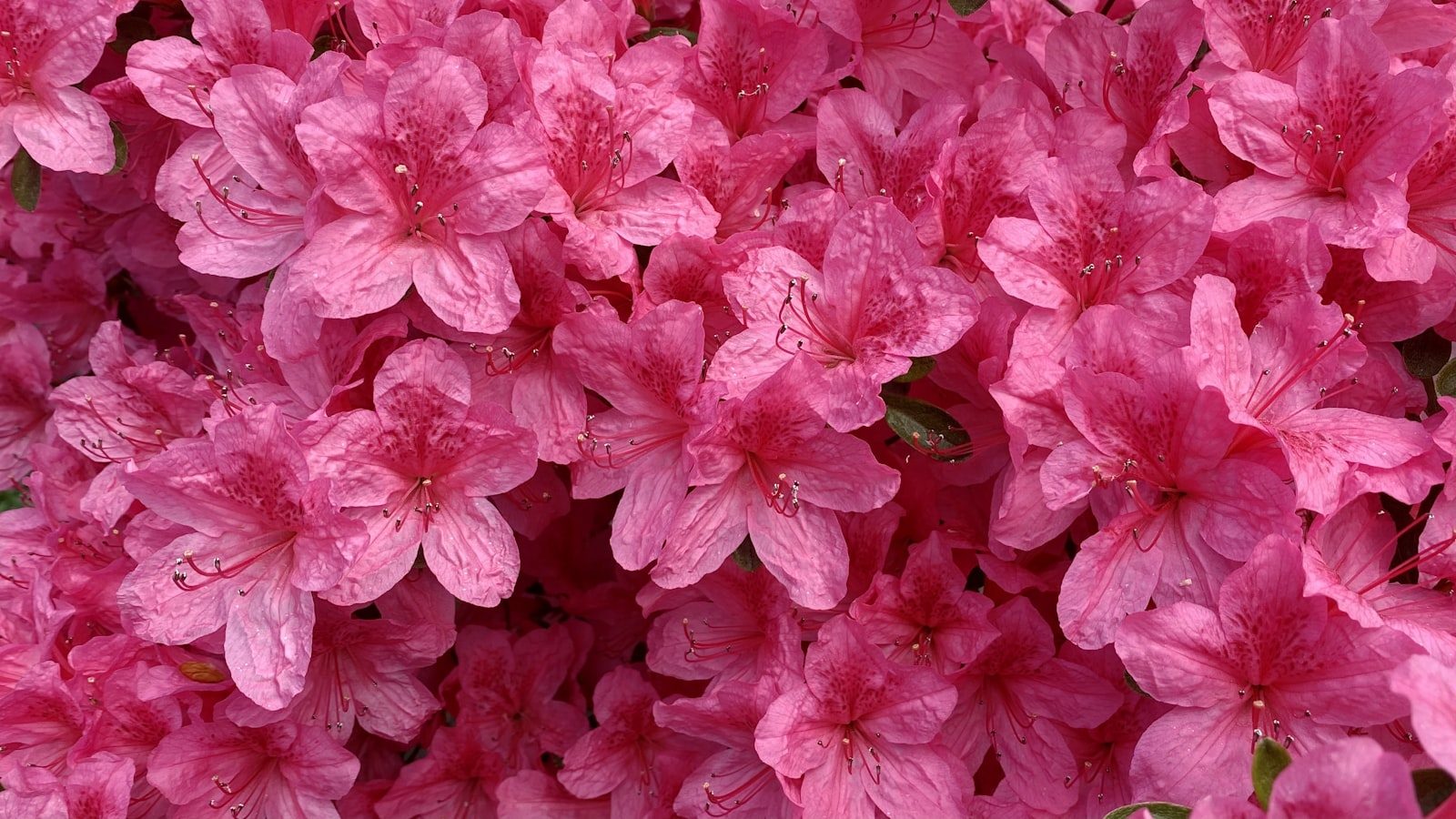
Few shrubs put on a spring show like rhododendrons and azaleas. A mature plant in full bloom can stop traffic, smothering itself in pink, white, lavender, or fiery orange for two or three glorious weeks. But these plants have a reputation for being fussy, and that reputation is earned for one simple reason: most people plant them wrong. Get the soil, the depth, and the light right from day one and they are remarkably long-lived, low-maintenance shrubs that will outlast the gardener who planted them. Get those three things wrong and you will fight a slow, frustrating decline no amount of feeding can reverse. This guide walks through everything that actually matters, with the specific numbers and timing that separate a thriving plant from a struggling one.
Part of our Trees & Shrubs guide →
In this guide
- Azaleas Are Rhododendrons (and Why It Matters)
- Hardiness Zones and Choosing the Right Variety
- Acid Soil: The One Thing You Cannot Skip
- Planting High: Respecting Shallow Roots
- Light, Moisture, and Drainage
- Watering Through the Seasons
- Feeding: Less Is More
- Pruning and Deadheading at the Right Time
- Bloom Time and Reblooming Types
- Pests and Diseases to Watch
- Frequently Asked Questions
Key Takeaways
- Azaleas are rhododendrons; both belong to the genus Rhododendron and want the same core conditions.
- Acid soil is non-negotiable: aim for a pH of 4.5 to 6.0 and never apply lime.
- Roots are shallow and fibrous, so plant high with the crown above grade and never dig around the base.
- Dappled or part shade with morning sun is ideal; full sun scorches and deep shade kills bloom.
- Prune only right after flowering, because next year’s buds form in summer.
Azaleas Are Rhododendrons (and Why It Matters)
This trips up almost every beginner, so let’s settle it first. Botanically, azaleas are not a separate plant from rhododendrons. They are all members of the genus Rhododendron. Azalea is simply a common name for a couple of subgroups within that genus. So when a nursery tag says “azalea” and another says “rhododendron,” you are looking at close cousins, not different families. They want the same acidic soil, the same shallow planting, and the same general care. This is genuinely good news, because once you learn to grow one, you can grow them all.
That said, gardeners use the two names to flag real, practical differences in size and habit. Azaleas are generally smaller, with thinner, softer leaves, and a large number of them are deciduous, dropping their foliage in autumn. Their flowers are typically funnel-shaped and carry five to six stamens each. The plants we call rhododendrons in the everyday sense tend to be larger, evergreen, with thick, leathery leaves, and their bell-shaped blooms usually carry ten or more stamens clustered into big rounded trusses. If you ever need to tell two unlabeled plants apart, count the stamens in a single flower: five or six points to an azalea, ten-plus points to a rhododendron. None of this changes how you care for them, but it helps you choose the right size plant for the right spot.
Hardiness Zones and Choosing the Right Variety
Broadly, the genus spans USDA zones 4 through 8, but the right plant for your garden depends entirely on which type you buy. The big-leaf evergreen rhododendrons, the elepidote group with the showy trusses, are happiest in zones 5 through 8, though breeders have produced ironclad hybrids hardy down to zone 4. Many traditional evergreen azaleas are tender and resent hard winters, performing best in zones 6 and warmer. The popular Encore series of reblooming azaleas thrives in zones 6 through 9. Native deciduous azaleas, by contrast, range widely depending on species, with some extending the limits in both directions.
The practical lesson is to buy for your climate rather than for the prettiest flower on the bench. A plant rated two zones too warm will sail through a mild autumn and then die in the first brutal February. Check the tag, ask the nursery, and when in doubt choose a cultivar bred for hardiness over one bred purely for flower color. Local botanical gardens and well-established neighbors’ yards are an excellent guide to what genuinely survives where you live.
Acid Soil: The One Thing You Cannot Skip
If you remember nothing else from this guide, remember this: rhododendrons and azaleas demand acidic soil, ideally a pH between 4.5 and 6.0. This is not a preference, it is a requirement. These plants evolved on acidic woodland soils, and they depend on specific soil chemistry and beneficial fungi to absorb iron and other nutrients. When the pH climbs too high, the plant simply cannot take up iron even when plenty is present in the ground. The result is chlorosis: leaves that turn pale yellow while the veins stay green, followed by stunted growth and a slow, sickly decline. I have seen countless rhododendrons written off as “diseased” when the only problem was alkaline soil.
Before you plant anything, test your soil. If you do not know your pH, you are gambling. A simple test kit or a sample sent to your local extension service will tell you exactly where you stand. Our guide on how to test soil pH walks through the process step by step. If your soil reads above 6.0, you will need to acidify it before planting and keep an eye on it for years afterward.
How to Acidify Your Soil
The most reliable long-term tool is elemental sulfur, sometimes sold as soil sulfur or flowers of sulfur. Soil bacteria slowly convert it to sulfuric acid, lowering pH over several months, so apply it well ahead of planting and reapply based on follow-up testing rather than guesswork. To improve the planting bed itself, work in generous amounts of acidic organic matter: peat moss, composted pine bark, and pine needle mulch all help build the loose, acidic, humus-rich root zone these plants crave. Many gardeners also choose acidifying fertilizers formulated for acid-loving plants.
One firm rule: never apply lime anywhere near these plants. Lime raises pH, which is the exact opposite of what they need. Be careful too about runoff from nearby concrete foundations, fresh masonry, or limestone gravel, all of which leach alkalinity into the soil. A spot tucked against a new concrete wall is one of the worst places you can plant a rhododendron.
Planting High: Respecting Shallow Roots
Rhododendrons and azaleas grow a dense mat of fine, fibrous roots that sit close to the surface. This shallow root system shapes nearly every planting decision you make. The single most common fatal mistake is planting too deep. These shrubs must be planted high, with the top of the root ball sitting an inch or two above the surrounding soil grade. If you bury the crown, the plant suffocates and rots, often dying a year or two later for reasons the gardener never understands.
Dig a hole no deeper than the root ball but two to three times as wide, since the roots want to spread sideways, not down. Loosen the sides of the hole, tease apart any circling roots on a pot-bound plant, and set it so the crown proudly sits above grade. Backfill with the amended, acidic soil and water it in to settle air pockets. Then mulch with a two to three inch layer of pine bark, pine needles, or shredded leaves, keeping that mulch pulled back a couple of inches from the stem so the trunk can breathe and stays dry.
Because the roots are so shallow and so close to the surface, never cultivate, hoe, or dig around an established plant. You will shred the feeder roots it depends on. Manage weeds by hand pulling or by smothering them with mulch instead. Spring or early fall is the best time to plant, giving roots time to establish in cool, moist soil before either summer heat or hard frost arrives. Space plants according to their mature size: compact azaleas may sit two to three feet apart, while large rhododendrons need four to six feet to develop their full form without crowding.
Light, Moisture, and Drainage
The ideal site offers dappled or part shade: morning sun followed by protection from harsh afternoon rays. Think of the high, broken shade beneath tall deciduous trees, which is precisely the habitat these plants evolved in. Too much sun, especially hot afternoon sun, scorches the foliage, bleaches the leaves, and stresses the whole plant. Too much shade swings the other way, producing leggy growth and dramatically reducing flowering, since the plant needs reasonable light to set buds. A spot that gets a few hours of gentle morning sun and shade through the heat of the day hits the sweet spot for both healthy leaves and abundant bloom.
Soil must be moist but exceptionally well-drained. This is a delicate balance: the plants want consistent moisture but absolutely cannot tolerate wet feet. Standing water or heavy, soggy clay is a death sentence, because waterlogged roots invite the root-rot pathogens discussed below. If your drainage is poor, plant in a raised bed or a generous mound of amended soil so excess water can escape. The combination they want is a soil that holds moisture like a wrung-out sponge yet never stays saturated.
Watering Through the Seasons
Aim to provide about one inch of water per week through the growing season, more during hot, dry spells, applied deeply rather than in frequent light sprinkles. Those shallow roots dry out fast, so consistent moisture matters. The plants will tell you when they are thirsty: in drought or cold, the leaves of evergreen types droop, curl inward, and roll up like cigars. Some leaf curl in genuine winter cold is completely normal and nothing to worry about, a natural way the plant reduces water loss when the ground is frozen.
One watering job is easy to forget and very important: water evergreen rhododendrons thoroughly going into winter. Because they keep their leaves, they continue to lose moisture through the cold months, and a plant that enters winter dry is far more prone to desiccation and winter burn. A deep soaking in late autumn before the ground freezes, plus a fresh layer of mulch, makes a real difference to how the plant emerges in spring.
Feeding: Less Is More
These are not hungry plants, and over-feeding does far more harm than under-feeding. A light application of a fertilizer formulated for acid-loving plants, often sold as azalea or rhododendron food, applied once after the plants finish blooming, is plenty for most gardens. The acidifying formulation does double duty, feeding the plant while helping maintain the low pH the roots need. Avoid heavy doses of high-nitrogen lawn fertilizer, which pushes soft, floppy growth at the expense of flowers and can scorch the sensitive root system.
Stop feeding by midsummer. Late-season fertilizer encourages tender new growth that will not harden off before frost and gets damaged over winter. If your plants are growing well and flowering reliably, a yearly feed plus an annual refresh of organic mulch is genuinely all they need. If you see yellowing leaves with green veins, the answer is almost always pH correction rather than more fertilizer.
Pruning and Deadheading at the Right Time
Pruning timing is the detail that catches out otherwise careful gardeners. Rhododendrons and azaleas set next year’s flower buds during summer, soon after the current season’s blooms fade. That means the only safe time to prune is right after flowering finishes in spring. Prune in late summer, autumn, or winter and you will be cutting off the very buds that would have given you next year’s display. So the rule is simple: shape and cut back immediately after the flowers are done, and then leave the plant alone for the rest of the year.
Deadheading the spent flower trusses, while not strictly necessary, tidies the plant and channels energy into growth rather than seed. Do it carefully. Hold the base of the faded truss and snap it off sideways with your fingers or snip it just above the cluster of small new buds emerging right below. Those tiny buds are next year’s shoots, so a clumsy break that takes them off will leave a bare gap. When you need to control size, make your cuts back to a whorl of leaves or a visible bud, and spread larger renovation pruning over a couple of seasons rather than butchering the whole plant at once.
Bloom Time and Reblooming Types
Most rhododendrons and azaleas flower in spring, with the main show landing in April and May depending on your climate and the particular variety. By choosing early, mid, and late-season cultivars you can stretch that color over many weeks. For gardeners who want more than one flush, the Encore azaleas are bred specifically to rebloom, flowering in spring and then again through summer and into fall, which is why they have become so popular in warmer regions. If continuous color is your goal, mix a few rebloomers in among traditional spring-only types so the bed never goes entirely quiet.
Pests and Diseases to Watch
Healthy, properly sited plants shrug off most trouble, but a few problems are worth knowing on sight.
- Lace bugs are the most common pest, especially on plants growing in too much sun. They suck sap from the underside of leaves, leaving a stippled, silvery-mottled look on top and dark specks beneath. Moving plants into more shade and treating early keeps them in check.
- Phytophthora root rot is the biggest killer of all, and it thrives in wet, poorly drained soil. There is no easy cure once it takes hold, which is exactly why drainage and planting high matter so much. Prevention is the only reliable defense.
- Rhododendron borer tunnels into stems, causing wilting branches and dieback. Prune out and destroy affected wood and keep plants vigorous.
- Vine weevils chew distinctive notches around the leaf margins as adults, while their grubs do the real damage feeding on roots underground.
- Powdery mildew coats leaves in a dusty white film in humid, still conditions, and improving air circulation helps.
- Bud blast turns flower buds brown or black so they never open, often spread by leafhoppers; remove and bin affected buds.
Remember that drooping, curled leaves in cold weather are normal winter behavior and not a sign of pests at all. If your plant thrives, you may want to expand into other acid-loving shrubs that enjoy similar conditions, such as camellias and gardenias, or browse more options in our plants and flowers hub.
Frequently Asked Questions
Are azaleas and rhododendrons the same plant?
Yes, in the sense that all azaleas belong to the genus Rhododendron. Gardeners use the names to flag differences in size and habit: azaleas are generally smaller with funnel-shaped blooms and five to six stamens, while rhododendrons tend to be larger and evergreen with bell-shaped trusses and ten or more stamens. Both want the same acidic soil, shallow planting, and part shade.
Why are my rhododendron leaves turning yellow?
The most common cause is soil that is too alkaline, which blocks iron uptake and triggers chlorosis, showing as yellow leaves with green veins. Test your soil pH and, if it is above 6.0, acidify with elemental sulfur and acidic mulch. Yellowing rarely means the plant needs more fertilizer.
When should I prune rhododendrons and azaleas?
Prune only right after the plant finishes flowering in spring. These shrubs set next year’s flower buds during summer, so pruning later in the year removes the buds that would have bloomed. Deadhead spent trusses carefully, snapping them off just above the small new buds below.
How much sun do rhododendrons need?
Dappled or part shade is ideal, especially morning sun with protection from harsh afternoon rays. Too much sun scorches and bleaches the leaves and invites lace bugs, while too much shade produces leggy growth and few flowers. The high, broken shade beneath tall deciduous trees mimics their natural habitat.
Why is my rhododendron dying even though I water it?
The most likely culprit is root rot from soil that stays too wet, often made worse by planting too deep. These plants have shallow roots that cannot tolerate waterlogging. Make sure the crown sits above grade, improve drainage with a raised bed or mound if needed, and never bury the stem in soil or mulch.