

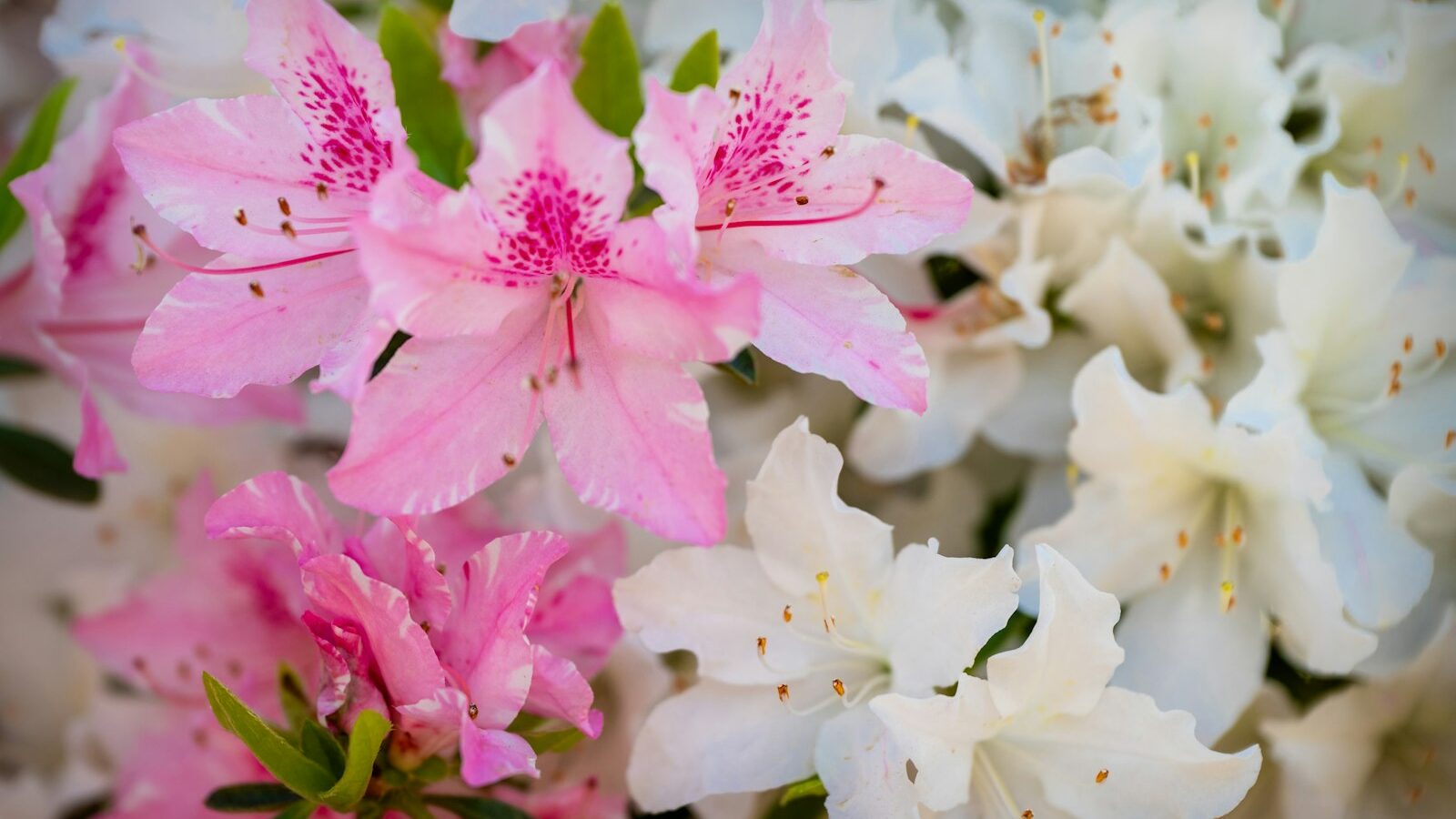
Azaleas put on a spectacular spring show, but their leaves are quick to flag trouble, and yellowing is the most common alarm they raise. Like their cousins the rhododendrons and gardenias, azaleas are acid-loving plants, and the leading cause of yellow leaves is iron chlorosis, a nutrient lockout triggered by soil that is too alkaline. Other culprits include nitrogen shortage, overwatering or drought, and the normal seasonal shedding of old leaves. Because the wrong remedy can deepen the problem, accurate diagnosis is essential. This guide shows you how to read the pattern of yellowing, confirm whether pH is the issue, and apply the right fix so your azaleas return to healthy green foliage and reliable bloom.
Key Takeaways
- Azaleas are acid-loving and need soil pH around 4.5 to 6.0; higher pH locks out iron and yellows the leaves.
- Iron chlorosis appears as yellow leaves with green veins on the newest growth, the classic sign.
- Uniform yellowing of older leaves first usually means nitrogen shortage or normal seasonal leaf drop.
- Overwatering, poor drainage, and drought all yellow azalea leaves by stressing the shallow root system.
- Correct with chelated iron for quick relief, elemental sulfur to lower pH, acidic fertilizer, and proper watering plus acidic mulch.
Read the Yellowing Pattern First
The first diagnostic move is to look at which leaves are yellowing and how. Yellow with green veins on new growth at the tips is interveinal chlorosis, the signature of iron deficiency driven by high pH, because iron does not move within the plant and shortage shows on the youngest leaves. Older, lower leaves yellowing evenly while new growth stays green suggests nitrogen deficiency or natural shedding of old foliage. Widespread yellowing with wilting and soggy soil indicates overwatering and root problems. Older leaves yellowing and dropping in fall or after bloom is often simply the plant’s normal leaf turnover. Reading the pattern points you straight at the likely cause.
Back it up with a quick soil pH test. Azaleas are even fussier about acidity than many plants, so a pH reading is the fastest way to confirm or eliminate the most common cause.
Cause 1: Iron Chlorosis from High Soil pH
Diagnose: This is the dominant cause of yellow azalea leaves. Azaleas are acid-loving plants that prefer a soil pH in the range of about 4.5 to 6.0. When the soil is too alkaline, iron and other micronutrients become chemically unavailable even when present, and the plant cannot produce chlorophyll. The result is classic interveinal chlorosis: yellow leaf tissue with a network of still-green veins, showing on the newest leaves first. High pH commonly comes from limestone soils, hard water, concrete foundations leaching lime, or the mistaken application of lime or wood ash. A pH test reading above roughly 6.0 to 6.5 confirms it.
Fix: Restore acidity. For fast green-up, apply chelated iron as a foliar spray or soil drench; it remains available even in imperfect soil and greens leaves in a couple of weeks. For the durable solution, lower soil pH with elemental sulfur applied at label rates, retesting over time since pH shifts slowly. Feed with a fertilizer made for acid-loving plants (azalea/rhododendron/camellia food) that supplies iron and helps acidify. Mulch with pine bark, pine needles, or shredded oak leaves, and water with rainwater if your tap water is hard. Never apply lime, wood ash, or alkaline amendments near azaleas.
Cause 2: Nitrogen Shortage or Poor Feeding
Diagnose: When the oldest leaves yellow uniformly (no green vein pattern) while new growth stays green, the likely cause is nitrogen deficiency. Nitrogen is mobile, so the plant moves it from old leaves to new growth when short, yellowing the bottom of the plant first. This shows up in underfed azaleas, those growing in poor or compacted soil, and plants competing with tree roots. As with other broadleaf evergreens, a degree of old-leaf yellowing in fall or after flowering is normal renewal, not a deficiency.
Fix: Feed with an acid-loving plant fertilizer in spring after bloom and again in early summer if needed, following the label rate. This supplies nitrogen along with the acidity and iron azaleas need. Do not over-fertilize, since azaleas have shallow, sensitive roots that burn easily, and avoid feeding late in the season, which can push tender growth into cold weather. Maintaining a layer of acidic organic mulch feeds the soil gently over time. If only a few old leaves yellow seasonally while the plant otherwise looks robust, no action is needed.
Cause 3: Watering and Drainage Problems
Diagnose: Azaleas have shallow, fine root systems that are unforgiving of both extremes. Overwatering or poor drainage drowns and rots these roots, causing broad yellowing, wilting in wet soil, and decline. Drought stress on their shallow roots also yellows leaves, browns the edges, and causes leaf drop, especially during hot, dry spells. Feel the soil a few inches down and inspect for soggy conditions or, conversely, bone-dry mulch. Azaleas planted too deeply or in heavy clay are especially prone to root suffocation and yellowing.
Fix: Aim for evenly moist, sharply drained, organic-rich soil. Water deeply when the top inch or two begins to dry, then let it drain; never let azaleas sit in waterlogged ground or dry out completely. Plant them slightly high in well-amended soil if you have heavy clay, and never bury the shallow root ball deeply. A 2 to 3 inch layer of acidic mulch is essential to conserve moisture and keep the roots cool and evenly damp. If root rot has begun, improve drainage and water more carefully. For the closely related acid-lover, compare our guide on yellowing gardenia leaves.
Cause 4: Seasonal Leaf Drop and Pests
Diagnose: Not all yellowing is a problem. Evergreen azaleas shed their oldest interior leaves on a one to three year cycle, and deciduous azaleas yellow and drop all their leaves in fall, both perfectly normal. If the yellowing is confined to older interior leaves and the plant is otherwise vigorous, it is likely routine. Pests can also cause yellowing: lace bugs are a major azalea pest, stippling leaves with pale or yellow speckling and leaving dark varnish-like spots on the undersides, while spider mites cause fine stippling and bronzing. Check leaf undersides for insects, cast skins, and tiny dark droppings.
Fix: For normal seasonal shedding, do nothing; it resolves on its own. For lace bugs, treat the undersides of leaves with insecticidal soap or horticultural oil when the pests are active, repeating per label, and keep the plant well-watered and lightly shaded, since stressed, sun-baked azaleas suffer worse infestations. For spider mites, hose off foliage and treat with horticultural oil. As always, a properly sited, acid-fed, evenly watered azalea resists pests and shrugs off minor leaf turnover. Find more shrub and flower care in the Plants & Flowers hub.
Why Planting Depth and Soil Prep Matter So Much
A surprising share of chronic azalea yellowing traces back to how the plant went into the ground in the first place. Azaleas have shallow, fibrous root systems adapted to the loose, acidic, organic-rich, well-aerated soils of woodland edges. Plant one too deep, or in dense clay that stays wet and starves the roots of oxygen, and it will struggle to take up water and nutrients no matter how carefully you feed it later, producing persistent yellowing that resists every spray. The root ball should sit slightly above the surrounding grade, with the top of the roots just at or barely above soil level, never buried.
If you garden on heavy clay or alkaline soil, prepare a wide, shallow planting area amended generously with organic matter such as composted pine bark, peat, or leaf mold, rather than digging a deep narrow hole that becomes a sump. Raised beds or berms work well where drainage is poor. This up-front investment in the right soil structure and acidity pays off for years, because it lets the roots breathe, keeps the pH where it belongs, and prevents the slow decline that so often gets misdiagnosed as a simple nutrient problem. When an established azalea yellows persistently despite correct feeding and watering, suspect that its roots are sitting too deep or too wet, and consider lifting and replanting it higher.
A Routine That Keeps Azaleas Green
Healthy azalea foliage rests on respecting their acid-loving roots. Test and hold soil pH between 4.5 and 6.0, acidifying with elemental sulfur and using chelated iron for quick correction of chlorosis. Feed with an acid-loving plant fertilizer after bloom, mulch generously with pine needles or pine bark, and water consistently to keep the shallow roots evenly moist with excellent drainage. Site azaleas in dappled shade or morning sun with afternoon protection, plant them high rather than deep, and watch leaf undersides for lace bugs. When leaves yellow, diagnose by pattern: interveinal yellowing on new growth means iron and pH, uniform old-leaf yellowing means nitrogen or normal renewal, and wilting in wet soil means drainage trouble. Match the fix to the pattern and your azaleas will stay lush and bloom dependably each spring.
Frequently Asked Questions
What soil pH do azaleas need?
An acidic range of about 4.5 to 6.0. If the pH climbs higher, iron is locked out and the newest leaves yellow with green veins. Test the soil and acidify with elemental sulfur if needed.
How do I quickly fix yellow azalea leaves?
Apply chelated iron as a foliar spray or soil drench for fast green-up, then lower soil pH with elemental sulfur and feed with an acid-loving plant fertilizer for a lasting correction.
Is it normal for azaleas to drop yellow leaves?
Yes. Evergreen azaleas shed older interior leaves on a multi-year cycle, and deciduous azaleas yellow and drop all their leaves in fall. If only old leaves are affected and the plant is healthy, it is normal.
Can too much water turn azalea leaves yellow?
Yes. Azaleas have shallow, fine roots that rot in soggy, poorly drained soil, causing widespread yellowing and wilting. Water deeply only when the top inch or two dries, and plant in well-drained, organic soil.
What pest causes yellow stippled azalea leaves?
Azalea lace bugs are the usual culprit, leaving pale or yellow speckling on top and dark varnish-like spots underneath. Treat leaf undersides with insecticidal soap or horticultural oil and keep the plant well watered.