

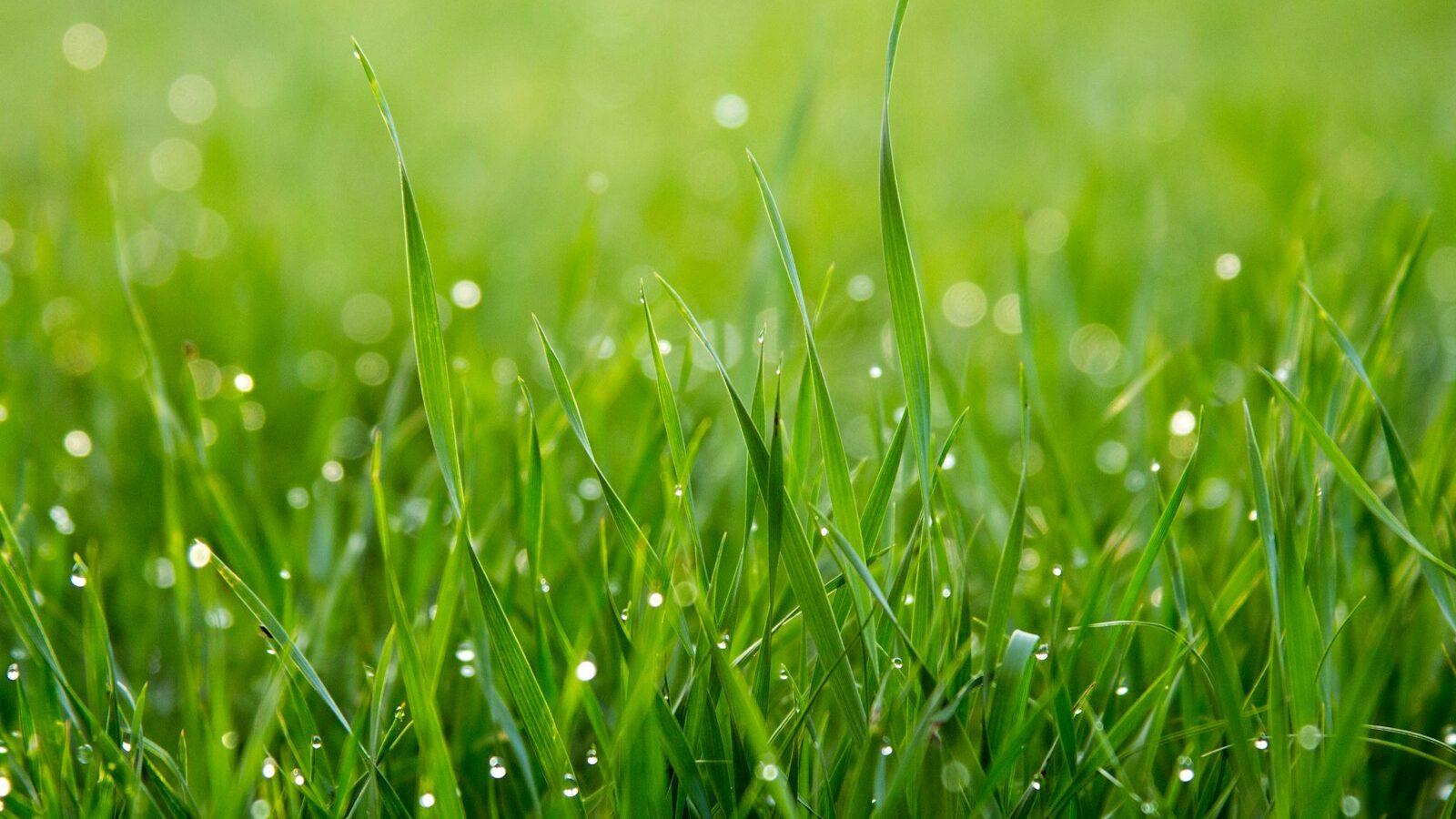
Pink muhly grass (Muhlenbergia capillaris) delivers one of the most jaw-dropping displays in the fall garden: in September and October, a fine-textured green clump erupts into a glowing cloud of airy, rosy-pink flower plumes that seem to float above the foliage and catch the low autumn sun like spun cotton candy. The rest of the year it’s a tidy, well-behaved mound of slender green blades. Best of all, it’s a tough North American native—heat-loving, drought-proof, salt-tolerant, pest-free, and not invasive. For Southern and coastal gardeners especially, pink muhly is about as close to a perfect ornamental grass as you’ll find.
Key Takeaways
- Zones 6–10, full sun. A warm-season native that loves heat and needs sun for the best pink show.
- Fall color peak: rosy-pink plumes appear September–October above 2–3 ft of green foliage.
- Moderate size: 2–3 ft tall and wide (4 ft in bloom); space 24–36 in apart.
- Cut back once a year to a few inches in late winter before new growth.
- Divide every 3 years or so in spring if clumps thin out.
- Native and non-invasive—a responsible alternative to pampas or fountain grass.
Where Pink Muhly Grass Grows Best
Pink muhly grass is hardy in USDA zones 6 through 10, and it’s especially at home in the warm Southeast and along the Gulf and Atlantic coasts, where it grows wild. As a warm-season grass it relishes heat and humidity that would stress cool-season grasses like blue fescue or feather reed grass. Full sun is essential for the spectacular bloom—six or more hours of direct light. In shade, plants grow leggy and flower sparsely or not at all, robbing you of the entire reason to grow it.
It’s remarkably adaptable on soil, tolerating sand, clay, rocky ground, poor fertility, and a wide pH range. It thrives in lean conditions and handles both drought and brief flooding once established, plus coastal salt spray—a big reason it’s a beachside favorite. The one thing to avoid is rich, constantly wet soil, which causes floppy growth and can rot the crown. Sharp drainage and lean soil give the sturdiest clumps and the most plumes.
Planting Pink Muhly Grass
Plant in spring after the last frost, once the soil has warmed—this warm-season grass needs the full season to establish strong roots before winter, so spring beats fall in cooler zones. In the Deep South you can plant through early fall. Dig a hole twice as wide as the root ball and the same depth, set the crown at soil level, backfill, and water in deeply.
Space plants 24 to 36 inches apart. Pink muhly is at its most breathtaking planted in a mass—a drift of a dozen or more plants creates a continuous pink haze in fall that a single specimen can’t match, so if you have the room, plant in groups. A light mulch helps new plants through their first summer; keep it off the crown. Established plantings need little ongoing attention.
Watering and Feeding
Water new plants regularly through the first growing season to establish the roots. After that, pink muhly is genuinely drought-tolerant and needs supplemental water only in extended dry spells. It actually performs best on the dry side—overwatering produces soft, floppy foliage and can encourage rot.
Like most native grasses, pink muhly wants lean soil and little to no fertilizer. Feeding it, especially with nitrogen, leads to lush green growth that flops and a disappointing bloom—the plant puts energy into leaves instead of those signature plumes. In average or poor soil, skip fertilizer entirely; the show is better for it. If your muhly grass is all foliage and few flowers, too much shade, water, or fertilizer is almost always the cause.
Cutting Back Pink Muhly Grass
The plumes fade to a tan, wheaty color in late fall and the foliage adds quiet winter texture, so leave the clump standing through the cold months. Cut it back once a year in late winter to early spring—February or March in most zones—before new green growth emerges from the base. As with all warm-season grasses, getting the cut done before new growth appears keeps you from leaving brown stubs among the fresh blades.
Cut the clump down to a few inches above the ground. Pink muhly’s foliage is fine and soft rather than sharp-edged, so this is an easy job with hand pruners or shears—no need for the heavy equipment or protective gear that pampas grass demands. New growth fills in quickly once the weather warms.
Dividing Pink Muhly Grass
Pink muhly is a clumping grass that stays put rather than running, and it’s fairly long-lived. Over time—usually every three years or so—a clump may thin or open in the center, which is the cue to divide. Do it in early spring as new growth begins. Lift the clump, split it into sections each with healthy roots and shoots using a sharp spade or knife, discard any dead center, and replant at the same depth. Water the divisions well. Division both rejuvenates an aging clump and gives you free plants to extend that fall pink display elsewhere in the garden.
A Native That Stays Put
One of pink muhly grass’s best qualities is what it doesn’t do: it doesn’t take over. As a North American native it’s well-behaved and non-invasive, forming discrete clumps that expand only slowly and self-seeding only modestly in ideal conditions. That makes it a guilt-free, ecologically friendly substitute for the dramatic-but-problematic grasses—pampas grass, invasive miscanthus, or fountain grass—when you want big seasonal impact without the spread. It also supports native wildlife, providing cover and nesting material. You get the fireworks without the worry.
Common Problems and Design Tips
Pink muhly is famously trouble-free—few pests, no significant diseases, and high deer resistance. The most common disappointment is weak or absent bloom, which almost always traces to insufficient sun, overwatering, overfeeding, or simply a plant that’s still establishing (young plants may bloom lightly their first year or two). Flopping likewise points to shade or rich, wet soil. For design, plant pink muhly where the late-day sun can backlight the plumes—against a dark background like an evergreen hedge or a fence, the glowing pink cloud is unforgettable. Mass it for maximum effect, and pair it with fall-blooming perennials in complementary tones.
Growing Pink Muhly in Containers and Coastal Gardens
Pink muhly grass adapts well to large containers, which is good news for patio and balcony gardeners who want that fall pink cloud without an in-ground bed. Use a pot at least 16 to 18 inches across with excellent drainage and a gritty, free-draining mix, since the plant hates sitting in soggy soil. Place it in full sun, water when the top inch of mix dries, and feed sparingly if at all. In zones at the cold edge of its range (zone 6), a potted plant is more vulnerable to winter cold than one in the ground, so move containers to a sheltered spot or insulate them over winter.
Coastal gardeners have a special ally in pink muhly. Its native range includes sandy coastal habitats, so it shrugs off salt spray, sandy soil, and wind that would burn or topple less rugged plants. That makes it a top choice for beachside borders and dune-style plantings where few ornamentals thrive. Inland, its drought tolerance makes it equally valuable in low-water and xeriscape gardens—once established, it sails through hot, dry summers that would have you dragging the hose to thirstier plants. In every setting, the rule is the same: more sun, less water, and lean soil produce the densest foliage and the most spectacular bloom.
Pink muhly is a centerpiece of the autumn garden; for more seasonal stars browse our Plants & Flowers guides and our look at native vs non-native plants. If you garden where pampas grass is a concern, compare it with our guide to growing and controlling pampas grass to see why the native option wins.
Frequently Asked Questions
Is pink muhly grass invasive?
No. Muhlenbergia capillaris is a North American native that forms tidy clumps, spreads only slowly, and self-seeds modestly. It’s a responsible, non-invasive alternative to pampas grass, fountain grass, or invasive miscanthus.
Why won’t my pink muhly grass bloom?
Usually too little sun, too much water, or too much fertilizer—all of which favor leaves over flowers. Give it full sun and lean, dry soil with no feeding. Young plants may also bloom lightly for the first year or two before hitting full stride.
When do I cut back pink muhly grass?
Cut the clump to a few inches above the ground in late winter to early spring (February–March), before new growth emerges. The fine foliage isn’t sharp, so hand pruners do the job easily. Leave it standing over winter for texture.
How big does pink muhly grass get?
About 2–3 feet tall and wide in foliage, rising to around 4 feet when the pink plumes appear in fall. Space plants 24–36 inches apart, and mass them for the strongest display.
When does pink muhly grass turn pink?
The rosy-pink plumes emerge in early to mid fall, typically September through October, peaking for several weeks before fading to a tan color that persists into winter.