

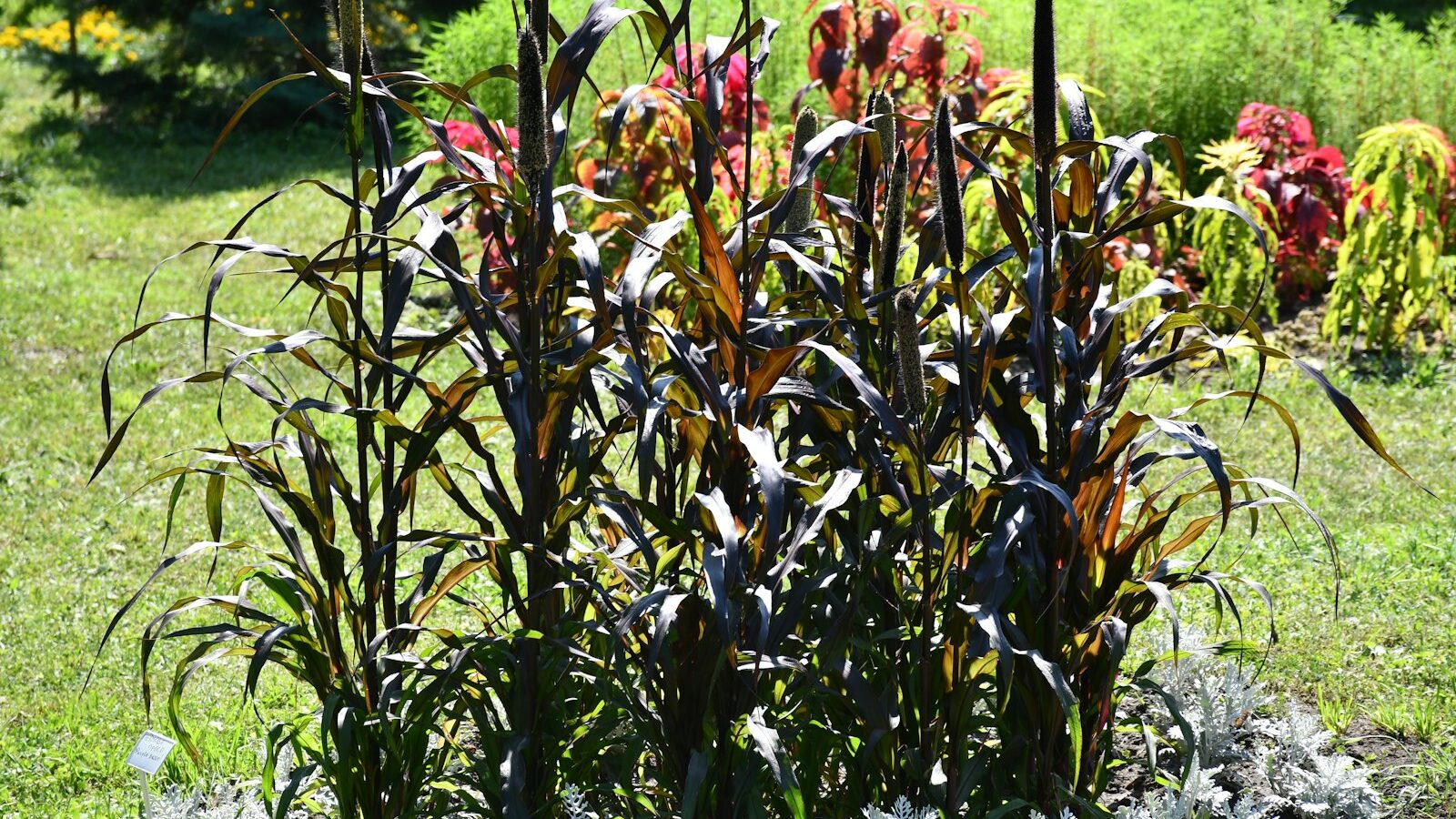
Few ornamental grasses earn their place in the garden as easily as fountain grass. The arching mound of fine foliage and the soft, fox-tail plumes that nod in every breeze give a border movement and texture that stiff shrubs simply cannot match. Belonging to the genus Pennisetum, fountain grass is one of the most forgiving plants a gardener can grow once you understand one crucial fact: not all fountain grasses are the same. Some are bone-hardy perennials that return faithfully for a decade, while others are tender tropicals grown as annuals in most of the country. Confuse the two and you will either be disappointed in spring or pleasantly surprised. This guide walks you through both groups, how to plant them, how to keep them looking their best, and how to carry the tender ones through winter.
Key Takeaways
- Perennial fountain grass (Pennisetum alopecuroides) is hardy in USDA zones 5-9; tender purple types (P. setaceum ‘Rubrum’) survive only in zones 9-10 and are grown as annuals elsewhere.
- Give all fountain grasses full sun (6+ hours) and well-drained soil for the best plume display and tightest habit.
- Space plants 18-36 inches apart depending on variety; dwarf forms like ‘Little Bunny’ need far less room than full-size types.
- Cut perennial types back to 4-6 inches in late winter, just before new growth begins.
- Divide established perennial clumps every 3-4 years to keep them vigorous and well-shaped.
- Overwinter tender purple fountain grass indoors as a dormant clump or houseplant if you want to save it.
- The green species P. setaceum is invasive in warm regions like California and Hawaii, so choose sterile cultivars there.
Meet the Genus: Pennisetum at a Glance
Pennisetum is a genus of warm-season grasses native to tropical and warm-temperate regions of Africa, Asia, and Australia. The common name “fountain grass” comes from the way the foliage erupts from a central crown and then arches outward and downward, spilling like water from a fountain. The flower spikes, which appear from midsummer into fall, are soft, cylindrical, and bristly, earning them nicknames like bottlebrush or fox-tail plumes. These plumes catch light beautifully, hold up through autumn, and often persist into winter as bleached tan wands that rustle in the wind.
For the home gardener, the genus splits cleanly into two practical camps. The first is the cold-hardy perennials, dominated by Pennisetum alopecuroides, sometimes sold under its newer botanical name Cenchrus alopecuroides. The second is the tender, frost-sensitive species such as Pennisetum setaceum, prized for dramatic burgundy foliage but unable to survive a hard freeze. Knowing which one you are buying determines everything about how you treat it. If you enjoy comparing ornamental grasses, you may also want to look at how to grow maiden grass, another reliable clumping species that pairs well with fountain grass in mixed borders.
Perennial Fountain Grass: Pennisetum alopecuroides
Hardy fountain grass is the backbone of the group and the one most gardeners in temperate climates should reach for. Reliably perennial in USDA zones 5 through 9, P. alopecuroides forms a tidy, rounded mound of slender green blades topped by tan-to-pinkish bottlebrush plumes from late July through September. The straight species reaches about 3 to 4 feet tall and wide, but the real value lies in the named cultivars, which give you precise control over scale.
- ‘Hameln’ — A compact workhorse reaching 2 to 2.5 feet tall, with creamy-tan plumes that arrive a couple of weeks earlier than the species. It is the standard choice for the front-to-middle of a border.
- ‘Little Bunny’ — A true dwarf at just 12 to 18 inches, this is the smallest fountain grass commonly sold. It is perfect for edging, rock gardens, and small containers where a full-size grass would overwhelm.
- ‘Cassian’ — A medium grower around 2.5 to 3 feet with excellent golden-orange fall color.
- ‘Moudry’ — A taller, late-blooming type with dramatic near-black plumes, though it self-sows freely and can become a nuisance, so deadhead before seed sets.
These perennials are warm-season growers, meaning they emerge late in spring and do most of their growing in summer heat. Do not panic if your fountain grass shows no green when daffodils are blooming. It commonly waits until soil temperatures climb in May before pushing new blades, and that patience is normal behavior, not a sign of a dead plant.
Tender Purple Fountain Grass: Pennisetum setaceum ‘Rubrum’
If you have admired the deep burgundy grass that anchors so many summer container displays, you have met Pennisetum setaceum ‘Rubrum’, often labeled purple fountain grass. Its wine-red blades and pinkish-purple foxtail plumes are unmatched for drama, and it can shoot up to 3 to 5 feet in a single season. The cultivar ‘Fireworks’ takes it further, striping the foliage in pink, white, burgundy, and green.
The catch is hardiness. These tender types survive winter only in USDA zones 9 and 10. Everywhere colder, they are grown as annuals, putting on a spectacular show from late spring until the first hard frost blackens them. For the cost of a single nursery pot each year, most gardeners treat them as a seasonal splurge. If you want to save your plant, the overwintering section below explains how. Importantly, the green-leaved species form of P. setaceum is highly invasive in warm, dry climates such as California, Hawaii, Arizona, and parts of the Southwest, where it spreads aggressively by seed and fuels wildfire. In those regions, plant only sterile or low-fertility cultivars, or skip the species entirely in favor of a native or non-invasive alternative.
Light and Soil Requirements
Both groups demand the same two things to thrive: full sun and good drainage. Plant fountain grass where it receives at least six hours of direct sun daily, and ideally eight or more. In too much shade the foliage flops, the mound loses its tidy form, and plume production drops off sharply. Purple fountain grass in particular needs strong sun to develop its richest red coloring; in shade the leaves fade toward muddy green.
Fountain grass is not fussy about soil fertility and grows in everything from sandy loam to clay, but it insists on drainage. Soggy winter soil is the single most common killer of otherwise-hardy perennial fountain grass, because roots sitting in cold standing water rot before spring. If your site stays wet, amend generously with compost and coarse grit, or plant on a slight mound. Aim for a soil pH between 6.0 and 7.0, though the plant tolerates a wider range. Avoid heavy feeding; rich soil and excess nitrogen produce floppy, oversized growth and fewer plumes.
When and How to Plant
Because fountain grass is a warm-season grower, timing matters. Plant in spring after the last frost has passed and the soil has warmed, typically late April through early June across most of the country. This gives perennial types the full growing season to establish a strong root system before winter. You can plant container-grown fountain grass through summer if you keep it watered, but avoid fall planting in zones 5 and 6, where young roots may not anchor before the ground freezes.
- Dig a hole as deep as the root ball and twice as wide, loosening the surrounding soil to ease root expansion.
- Set the plant so the crown sits level with the surrounding soil, never buried, which invites crown rot.
- Backfill, firm gently, and water deeply to settle the soil around the roots.
- Apply a 2-inch layer of mulch around but not touching the crown to conserve moisture during establishment.
- Space according to mature size: dwarf ‘Little Bunny’ at 12 to 18 inches, mid-size ‘Hameln’ at 18 to 24 inches, and full-size species or purple types at 30 to 36 inches.
For mass plantings or a flowing groundcover effect, set plants at the closer end of their spacing range so the clumps knit together within a season or two. For specimen plants you want to admire individually, give them the wider spacing.
Watering and Feeding
Water new plantings regularly for the first growing season, providing about an inch of water per week through rainfall or irrigation to encourage deep roots. Once established, perennial fountain grass is notably drought tolerant and rarely needs supplemental water except during prolonged dry spells. Container-grown purple fountain grass is the exception; pots dry out fast in summer heat and may need watering daily during the hottest stretches.
Feeding requirements are minimal. A single light application of a balanced, slow-release fertilizer in spring is plenty for in-ground plants, and many gardeners skip it entirely in decent soil. Overfeeding does more harm than good, producing weak, leggy foliage that flops open in the middle. Container plants in soilless mix benefit from a diluted liquid feed every few weeks during active growth.
Cutting Back and Seasonal Care
Leave perennial fountain grass standing through winter. The bleached foliage and persistent plumes add structure and movement to the dormant garden, and the crown insulates itself against cold. Resist the urge to tidy up in fall. The real maintenance happens in late winter or very early spring, before new green growth emerges, typically February through early April depending on your zone.
How to Cut Back Perennial Types
- Wait until late winter, just before new shoots appear, so the plant gets maximum winter protection from its old growth.
- Gather the entire clump and tie it with twine into a tight bundle, which makes cutting and cleanup far easier.
- Using sharp hedge shears or a hand pruner, cut the bundle down to 4 to 6 inches above the crown.
- Rake out any loose debris from the center to improve air circulation as new growth begins.
Cutting too low can damage the crown, while leaving stubs too tall makes the emerging foliage look ragged. The 4-to-6-inch window is the sweet spot. Wear long sleeves and gloves, as the dried blades have fine edges that can nick skin. For more on managing big grasses, our guide on how to grow pampas grass covers similar cut-back technique for larger clumps.
Dividing Established Clumps
Over time perennial fountain grass clumps expand outward and may begin to die out in the center, leaving a hollow donut of growth. Dividing every three to four years restores vigor, controls size, and gives you free plants. The best time to divide is early spring as new growth begins, when the plant has energy to recover quickly.
- Dig up the entire clump with a sharp spade, lifting as much of the root mass as you can.
- Split it into sections using a spade, saw, or two garden forks back to back; mature root masses are dense and tough.
- Discard any dead or woody material from the center, keeping the vigorous outer growth.
- Replant divisions at the same depth, water in well, and treat them as new plantings for the season.
Overwintering Tender Purple Fountain Grass
In zones colder than 9, purple fountain grass dies at the first hard frost, but you can save a favorite plant with a little effort. There are two reliable methods. The first is to grow it as a houseplant: before frost, pot up the plant, cut the foliage back by about half, and place it in your brightest sunny window indoors, watering sparingly through winter. The second, more space-efficient method is forced dormancy. Dig the plant after the first light frost, cut it back hard to a few inches, pot it in barely moist soil, and store it in a cool, dark place such as an unheated basement or garage that stays just above freezing. Water only enough to keep the roots from desiccating, perhaps once a month.
In early spring, bring the dormant clump back into light and warmth, resume watering, and it will leaf out again. Honestly, given how inexpensive nursery plants are and how readily they grow, many gardeners decide each spring whether the effort is worth it. There is no shame in treating purple fountain grass as a glorious annual.
Pests and Diseases
Fountain grass is one of the most trouble-free ornamentals you can grow. Deer and rabbits generally leave it alone, and serious insect problems are rare. The one disease worth watching for is rust, a fungal infection that shows up as orange or reddish-brown pustules on the leaves, usually in warm, humid weather or where air circulation is poor. To prevent it, space plants properly, water at the base rather than overhead, and avoid crowding. If rust appears, remove and dispose of affected foliage and improve airflow; severe cases rarely occur in well-sited plantings.
The other issue is not a pest at all but self-seeding. Some cultivars, notably ‘Moudry’, drop viable seed and can pop up where you do not want them. Deadheading the plumes before seed matures keeps volunteers in check. And as noted, in warm-winter regions the green species can escape into wild areas, so source responsibly.
Design Ideas and Uses in the Garden
Fountain grass shines in almost any role you give it. In mixed borders, its soft texture is a perfect foil for bold-leaved perennials like coneflowers, black-eyed Susans, sedum, and salvia, while the late-summer plumes extend interest just as many flowers fade. Massed in drifts, perennial types create a low-maintenance, movement-filled sweep that looks superb in modern and naturalistic plantings alike. Dwarf ‘Little Bunny’ edges paths and tucks into rock gardens, while taller types make graceful informal screens.
In containers, purple fountain grass is the classic “thriller” in the thriller-filler-spiller formula, its upright burgundy blades adding height and color to mixed pots on a patio or deck. It also looks striking planted singly in a tall pot as a living sculpture. For more ways to bring grasses and structure into your patio and yard, browse our outdoor living ideas, and explore the full range of options in the Plants & Flowers hub. Whichever type you choose, fountain grass rewards minimal care with months of graceful, light-catching beauty.
Frequently Asked Questions
Is fountain grass a perennial or an annual?
It depends on the species. Hardy fountain grass (Pennisetum alopecuroides, including ‘Hameln’ and ‘Little Bunny’) is a perennial in USDA zones 5-9. Tender purple fountain grass (P. setaceum ‘Rubrum’) is hardy only in zones 9-10 and is grown as an annual everywhere colder.
When should I cut back my fountain grass?
Cut perennial fountain grass back to 4 to 6 inches in late winter or very early spring, just before new growth emerges, usually February through early April. Leave the foliage standing all winter for protection and visual interest.
Why is my fountain grass not coming up in spring?
Fountain grass is a warm-season grass that emerges late, often not until May when the soil warms. If there is still no growth by late spring, gently scratch a stem near the crown to check for green tissue, or wait a bit longer before assuming it has died.
Can I save purple fountain grass over winter?
Yes. Either pot it up and grow it as a sunny houseplant, or cut it back hard, pot it in barely moist soil, and store it dormant in a cool, dark, frost-free space like a garage, watering lightly about once a month until spring.
Is fountain grass invasive?
The clumping perennial Pennisetum alopecuroides is not invasive, though some cultivars like ‘Moudry’ self-seed. The green species form of P. setaceum is invasive in warm regions such as California and Hawaii, so choose sterile cultivars there.