

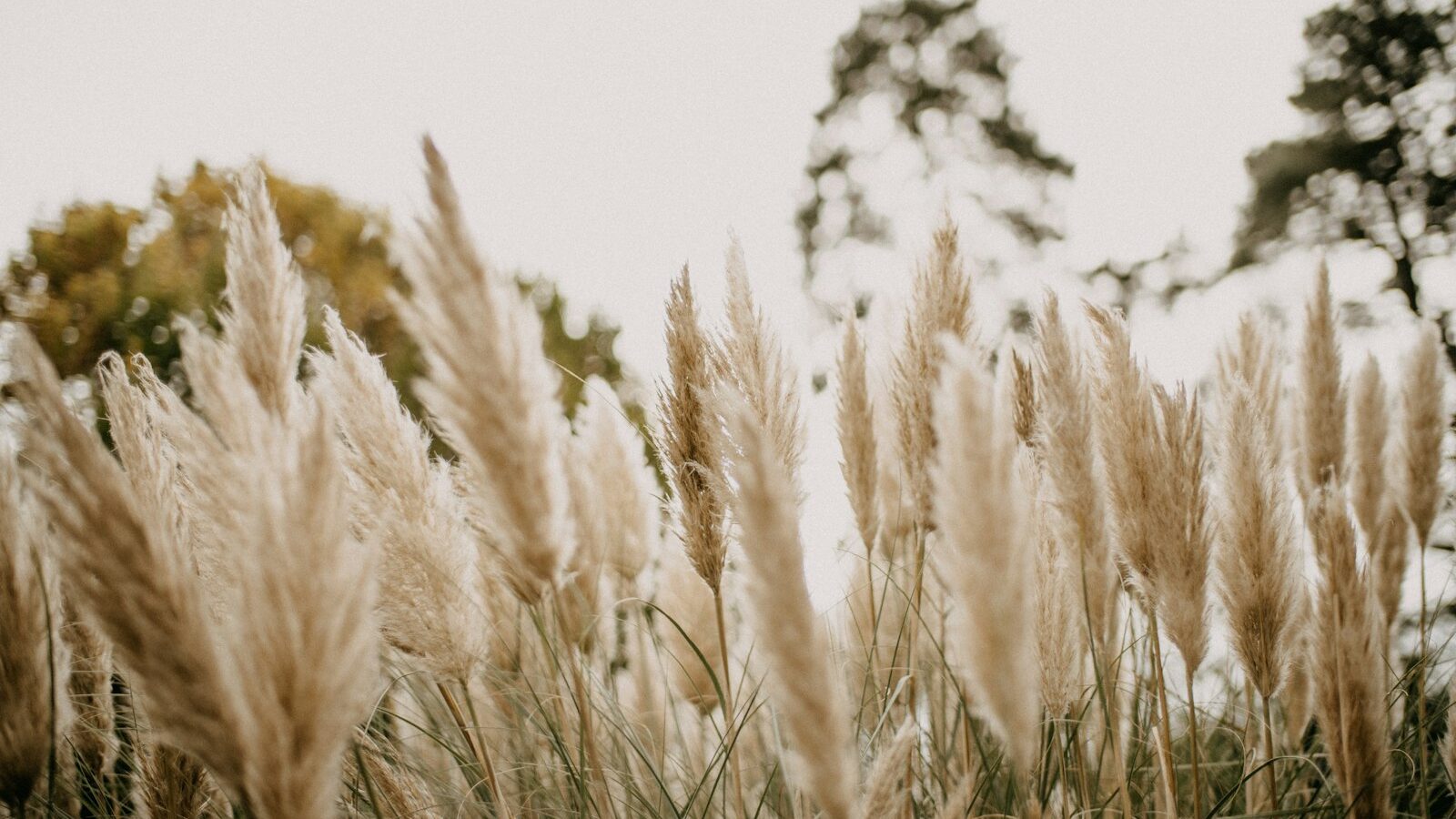
Pampas grass (Cortaderia selloana) is the showstopper of ornamental grasses—a massive fountain of arching blades that can top ten feet, crowned in late summer by huge silky plumes that look like feather dusters and dry beautifully for arrangements. It’s drought-tough, fast-growing, and undeniably dramatic. It’s also genuinely invasive in many regions, with sharp-edged foliage that can slice skin, and it’s a serious wildfire fuel in dry climates. This guide covers how to grow pampas grass well—and, just as importantly, how to control it responsibly so it doesn’t escape your yard. In some states you shouldn’t plant it at all.
Key Takeaways
- Zones 7–11, full sun. A big warm-season grass that needs heat and space.
- Enormous: 6–10+ ft tall and 4–6 ft wide; space 6–8 ft apart and well away from paths.
- Serious invasiveness warning: banned or restricted in parts of California, Hawaii, Texas, and the Southeast; female plants seed prolifically.
- Sharp foliage: blade edges cut skin—always wear gloves and long sleeves.
- Cut back hard once a year to about 1 ft in late winter; it’s a big, tough job.
- Hard to divide due to a massive woody root mass; deadhead plumes to limit seeding.
The Invasiveness Warning—Read This First
Before you buy a single plant, check whether pampas grass is legal and advisable where you live. Cortaderia selloana is one of the most problematic ornamental grasses in North America. A single female plant can release millions of wind-borne seeds that travel for miles, colonizing disturbed ground, coastal bluffs, roadsides, and wildlands, where dense stands crowd out native vegetation and create severe fire hazards. It is listed as invasive or noxious—and in some places its sale is restricted or banned—in parts of California, Hawaii, Texas, Oregon, and across the Southeast. Always confirm with your state agriculture department or local extension office first.
If you garden in an invasive-listed region, the responsible choice is usually not to plant it. Better-behaved alternatives that give similar drama include native switchgrass, sterile feather reed grass, or low-seeding miscanthus cultivars. If you do plant pampas grass where it’s permitted, two precautions are essential: choose a male plant (the showy plumes are mostly female, but male-only or sterile selections set no seed) or a named sterile cultivar, and cut and bag the plumes before the seed disperses every fall. Never plant near natural areas, coastlines, or open land.
Where Pampas Grass Grows Best
Pampas grass is hardy in USDA zones 7 through 11, though it may die back to the ground in zone 7 and resprout in spring. It’s a warm-season grass that thrives on heat and grows astonishingly fast once established. Full sun is required—at least six hours, and ideally all day—for dense growth and abundant plumes. In shade it grows sparse, floppy, and shy to bloom.
It’s wonderfully unfussy about soil, growing in sand, clay, or loam across a wide pH range, and it tolerates coastal salt spray, which is part of why it has naturalized along so many coastlines. Once established it’s strongly drought-tolerant. The real planting consideration isn’t soil—it’s space and safety. A mature clump is a six-to-ten-foot mass with razor-edged leaves, so keep it far from walkways, play areas, driveways where it blocks sightlines, and structures (it’s a fire hazard against buildings in dry climates).
Planting Pampas Grass
Plant in spring after the last frost so the warm-season roots have the full season to establish before winter. Dig a hole twice the width of the root ball and the same depth, set the crown level with the soil, backfill, and water deeply. Space plants a generous six to eight feet apart—they look small in the pot but will become enormous, and crowding them creates an impenetrable, unmaintainable thicket.
Wear thick gloves, long sleeves, and even eye protection whenever you handle pampas grass. The leaf margins are finely serrated and will slice exposed skin like a blade—this is not an exaggeration, and it’s a real reason to site it where people and pets won’t brush against it. Water the new plant regularly through its first season; after that it largely fends for itself.
Cutting Back Pampas Grass
Pampas grass needs a hard cutback once a year to remove the previous season’s dead foliage and make room for fresh growth. Do it in late winter to early spring, before new growth begins—typically February or March. Cut the entire clump down to about one foot above the ground. On a mature plant this is a major, physical job: the safest method is to tie the foliage into a tight column with rope, then cut through the base with a hedge trimmer, chainsaw, or reciprocating saw.
Full protective gear is mandatory—heavy gloves, long sleeves, long pants, and eye protection—because the dead blades are even sharper and more brittle than the green ones. In dry-climate fire zones, this annual clearing of dead, flammable material is also a wildfire-safety measure, not just a cosmetic one. Bag and dispose of the trimmings rather than composting, especially if any seed-bearing plumes are mixed in.
Dividing (and Why It’s Rarely Worth It)
Pampas grass can be divided in early spring, but be warned: an established clump develops a huge, dense, woody root crown that is brutally hard to dig and split—gardeners often resort to an axe, a mattock, or a saw, and even then it’s exhausting work. Most people never divide pampas grass; they plant one where they want it and leave it. If a clump must be moved or thinned, do it in spring as new growth begins, cut the crown into large chunks with healthy roots and shoots, and replant immediately. Don’t expect easy division like you’d get with a small grass.
Controlling and Removing Pampas Grass
If pampas grass outgrows its spot or you decide to remove it, expect a fight. The deep, woody root crown resprouts from any fragment left behind. For removal, cut the top growth down, then dig out the entire root mass—every piece—or for very large clumps, repeatedly cut new growth to the ground to exhaust the roots over a season, or treat freshly cut stumps with an appropriate herbicide per label directions. To prevent spread in the meantime, the single most effective step is to remove the plumes before they go to seed each fall, bagging them for disposal. Vigilance about volunteer seedlings nearby is also wise—pull them while young.
Common Problems
The “problems” with pampas grass are mostly its strengths turned against you: too big, too sharp, too fertile, too flammable. Genuine pests and diseases are few—it’s tough and largely trouble-free. The dead center can develop in very old clumps, calling for the difficult division above. In zone 7, cold winters may kill top growth, but it usually resprouts. The biggest ongoing job is the annual cutback and the seasonal deadheading that keeps a permitted plant from becoming a neighborhood problem. Grow it only where it’s legal, give it room, respect the blades, and stay on top of the plumes.
If you love the look but want a safer plant, our Plants & Flowers guides cover gentler options, and our native vs non-native plants guide explains why escaped exotics like pampas cause such trouble. For a non-invasive native with real presence, see how to grow switchgrass.
Frequently Asked Questions
Is pampas grass invasive?
Yes—seriously so in many regions. A single female plant releases millions of wind-borne seeds, and it’s listed as invasive or restricted in parts of California, Hawaii, Texas, Oregon, and the Southeast. Check your state rules before planting, choose a sterile or male selection, and cut off plumes before they seed.
When and how do I cut back pampas grass?
Cut the whole clump to about 1 foot in late winter to early spring before new growth starts. Tie the foliage into a column and cut through the base with a hedge trimmer, chainsaw, or reciprocating saw. Always wear heavy gloves, long sleeves, and eye protection—the blades are razor-sharp.
How big does pampas grass get?
Very big—6 to 10+ feet tall and 4 to 6 feet wide, with plumes rising even higher. Space plants 6–8 feet apart and well away from walkways, play areas, and buildings.
How do I get rid of pampas grass?
Cut down the top growth, then dig out the entire woody root crown—any fragment left will resprout. For large clumps, repeatedly cut regrowth to exhaust the roots over a season, or treat cut stumps with herbicide per label directions. Remove plumes to stop seeding in the meantime.
Why is pampas grass dangerous?
Its leaf edges are finely serrated and cut skin like a blade, so handle it only with gloves and long sleeves. In dry climates the dense dead foliage is also a significant wildfire fuel, which is another reason to keep it away from buildings and to clear it annually.