

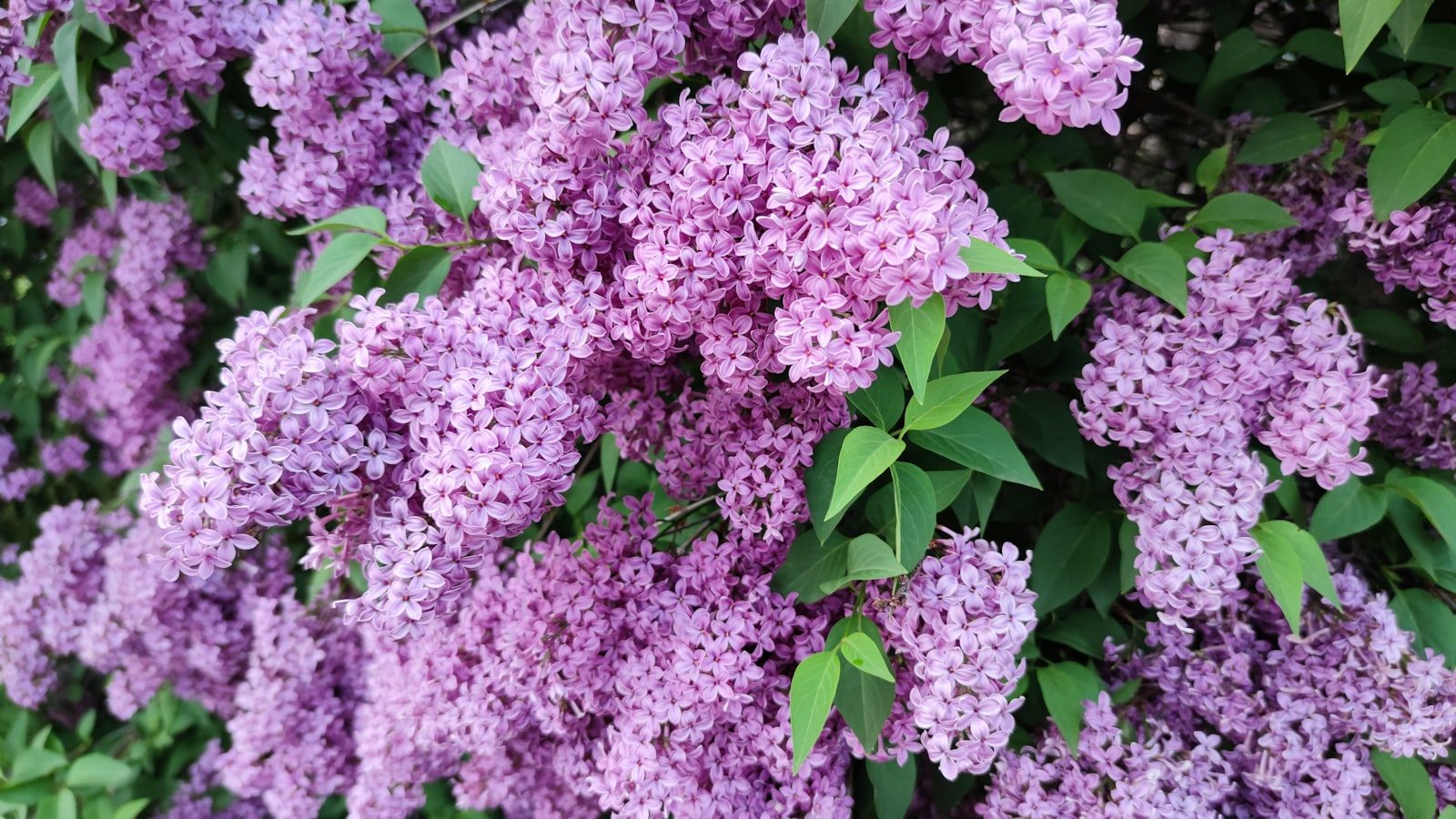
Few shrubs deliver the nostalgia and fragrance of a lilac in full May bloom — those heavy panicles of purple, lavender, white, or pink that perfume an entire yard. Lilacs are tough, long-lived, and famously cold-hardy, with some old farmhouse plants thriving for a century or more with almost no care. The catch is that lilacs have firm opinions: they demand full sun, near-neutral soil, good drainage, and a winter cold spell to bloom well, and they punish poorly timed pruning by skipping their flowers. Meet those conditions and you will be rewarded with one of the most reliable spring spectacles in the garden.
Key Takeaways
- Lilacs need at least 6 hours of full sun a day to bloom well — shade is the most common reason for a lilac that won’t flower.
- They prefer well-drained, neutral to slightly alkaline soil (pH 6.5–7.0); most are hardy in zones 3–7 and require winter chill.
- Plant in spring or fall; space standard lilacs 5–15 feet apart depending on cultivar and whether you want a hedge or specimen.
- Prune immediately after flowering — lilacs set next year’s buds in summer, so later pruning sacrifices the bloom.
- Rejuvenate old, leggy lilacs by removing one-third of the oldest stems to the ground each year over three years.
Choosing a Lilac Variety
The classic common lilac (Syringa vulgaris) and its hundreds of named cultivars — ‘Sensation’ (purple edged in white), ‘Madame Lemoine’ (double white), ‘President Lincoln’ (true blue) — give the largest, most fragrant blooms and reach 8–15 feet tall. They need a solid winter chill and bloom best in zones 3–7. If your winters are mild (zone 8 and warmer), look for low-chill types such as the Descanso hybrids (‘Lavender Lady’ and friends), bred specifically for southern California and the Deep South.
For smaller spaces, the dwarf Korean lilac (Syringa meyeri ‘Palibin’) and the Manchurian ‘Miss Kim’ stay 4–7 feet, bloom reliably, and offer better mildew resistance. Reblooming types like the Bloomerang series flower in spring and then again in summer and fall, a genuine break from the once-a-year tradition. Tree lilacs (Syringa reticulata, such as ‘Ivory Silk’) grow into 20–30 foot small trees with creamy summer flowers — a different look entirely. Choose based on your climate, your space, and whether fragrance, rebloom, or compact size matters most.
Site and Soil
Sun is the single most important factor. Lilacs want full sun — a minimum of six hours of direct light, and more is better. Plants in part shade grow leafy but bloom sparsely or not at all, which is the most frequent complaint gardeners have about lilacs. Pick an open spot away from the shade of buildings and large trees.
Lilacs like well-drained soil with a neutral to slightly alkaline pH, ideally 6.5 to 7.0. This is unusual among ornamental shrubs and the opposite of acid-lovers like azaleas, so do not plant the two in the same amended bed. Test your soil; if it is acidic (below 6.5), work in garden lime to raise the pH. They tolerate a range of soil types but resent wet feet — sustained soggy soil leads to root rot and decline. If your ground is heavy clay, amend it with compost and grit or plant on a raised mound; see our guide on improving clay soil for the methods that actually work. A bonus of their alkaline preference: lilacs thrive in the limey soil near old foundations and walkways where other shrubs sulk.
Planting Lilacs
Plant in early spring or fall, while temperatures are cool. Bare-root lilacs go in during their dormant season; container plants can be planted through the growing season if kept watered.
- Dig a hole as deep as the root ball and twice as wide.
- Set the plant at the same depth it grew in the pot, or for bare-root stock, with the crown at soil level — lilacs do not like to be planted deep.
- Backfill with native soil amended with a little compost, firm gently, and water thoroughly.
- Apply a 2–3 inch ring of mulch, kept away from the stems, to conserve moisture and suppress weeds.
- Note: many lilacs sucker. If yours is grafted, watch for and remove suckers from below the graft union; if it is on its own roots, suckers can be dug and transplanted to start new plants.
Spacing depends on intent. For a single specimen or to let each shrub show its natural form, give common lilacs 10–15 feet. For an informal flowering hedge or screen, plant them 5–6 feet apart so they grow together. Dwarf types like ‘Palibin’ need only 4–5 feet. Good spacing also improves air circulation, which is your first line of defense against powdery mildew.
Watering and Feeding
Water newly planted lilacs regularly through their first growing season — about 1 inch per week — to settle them in. Established lilacs are quite drought tolerant and usually need supplemental water only during extended dry spells, especially while buds and flowers are developing in spring. Avoid keeping the soil constantly wet, which they hate.
Lilacs are not heavy feeders. A spring application of compost or a balanced fertilizer is plenty for most. Resist the urge to pour on high-nitrogen lawn fertilizer near them — excess nitrogen produces lush leaves at the expense of flowers, another classic cause of a non-blooming lilac. If your soil drifts acidic over time, a periodic dusting of lime keeps the pH in the range lilacs prefer and can noticeably improve bloom. A handful of bone meal in fall supports root and bud development.
Pruning for More Blooms
Timing is everything with lilac pruning. Lilacs bloom on old wood and set the buds for next spring during the summer after they flower. That means the correct time to prune is immediately after the blooms fade in late spring — within two to three weeks. Prune later than that and you cut off the developing buds, guaranteeing a flowerless next season. This single point of timing explains the majority of “my lilac stopped blooming” cases.
Routine annual pruning has three parts. First, deadhead the spent flower clusters just above the topmost pair of leaves; this tidies the plant and channels energy into next year’s buds rather than seed. Second, remove excess suckers at the base so the plant does not turn into a congested thicket — keep a handful of vigorous young stems and pull the rest. Third, thin out a few of the oldest, thickest stems to keep the shrub open and productive, since lilac flowering declines on very old wood.
Rejuvenating an Old, Overgrown Lilac
An old lilac that has become a tall, woody tangle blooming only at the top can be brought back to a dense, flowering shrub. The gentle method, which keeps some bloom each year, is to remove one-third of the oldest, thickest stems at ground level each spring for three consecutive years; new vigorous shoots replace them and the whole plant is renewed by year three. The drastic method — cutting the entire shrub down to about 12 inches in late winter — works on tough common lilacs but costs you a year or two of flowers while the plant rebuilds. Either way, the lilac’s enormous reserves usually power a strong recovery.
Pests, Diseases and Why Lilacs Fail to Bloom
The most common cosmetic problem is powdery mildew, a white dusty coating on the leaves in late summer. It looks alarming but rarely harms the plant, and you minimize it by choosing resistant cultivars, giving plants full sun and good airflow, and avoiding overhead watering. Bacterial blight can cause blackened shoots in wet springs — prune out affected wood and improve air circulation. Lilac borer is the most serious pest; the larvae tunnel into stems near the base, causing wilting and dieback. Keep plants vigorous, remove and destroy infested stems, and avoid wounding the bark. Scale insects occasionally appear and are treated with horticultural oil during dormancy.
When a healthy-looking lilac refuses to bloom, run through this checklist: it is getting too much shade; it was pruned at the wrong time and lost its buds; it is being over-fed with nitrogen; it is too young (seedlings and freshly transplanted plants may take three to five years to flower); or, in mild climates, it is not getting enough winter chill. Correct the cause and the flowers return. For more spring-shrub strategy and companion planting ideas, browse the full Plants & Flowers collection.
Frequently Asked Questions
Why won’t my lilac bloom?
The usual culprits are too much shade, pruning at the wrong time (lilacs set buds in summer, so any pruning after early summer removes the flowers), too much nitrogen fertilizer, a plant that is still too young, or — in warm climates — not enough winter chill. Lilacs need at least six hours of full sun.
When should I prune lilacs?
Immediately after the flowers fade in late spring, within two to three weeks. Lilacs bloom on old wood and form next year’s buds in summer, so later pruning cuts off the coming season’s flowers.
How do I rejuvenate an old lilac?
Remove one-third of the oldest, thickest stems at ground level each spring for three years to gradually renew it while keeping some bloom. Alternatively, cut the whole shrub to about 12 inches in late winter for a hard reset, accepting a year or two without flowers.
Do lilacs need acidic soil?
No — the opposite. Lilacs prefer neutral to slightly alkaline soil, around pH 6.5–7.0. If your soil is acidic, add garden lime. This is why they should not share a bed with acid-loving azaleas.
How far apart should I plant lilacs?
Space common lilacs 10–15 feet apart as specimens, or 5–6 feet apart for an informal hedge or screen. Dwarf varieties like ‘Palibin’ need only 4–5 feet. Adequate spacing improves airflow and reduces powdery mildew.