

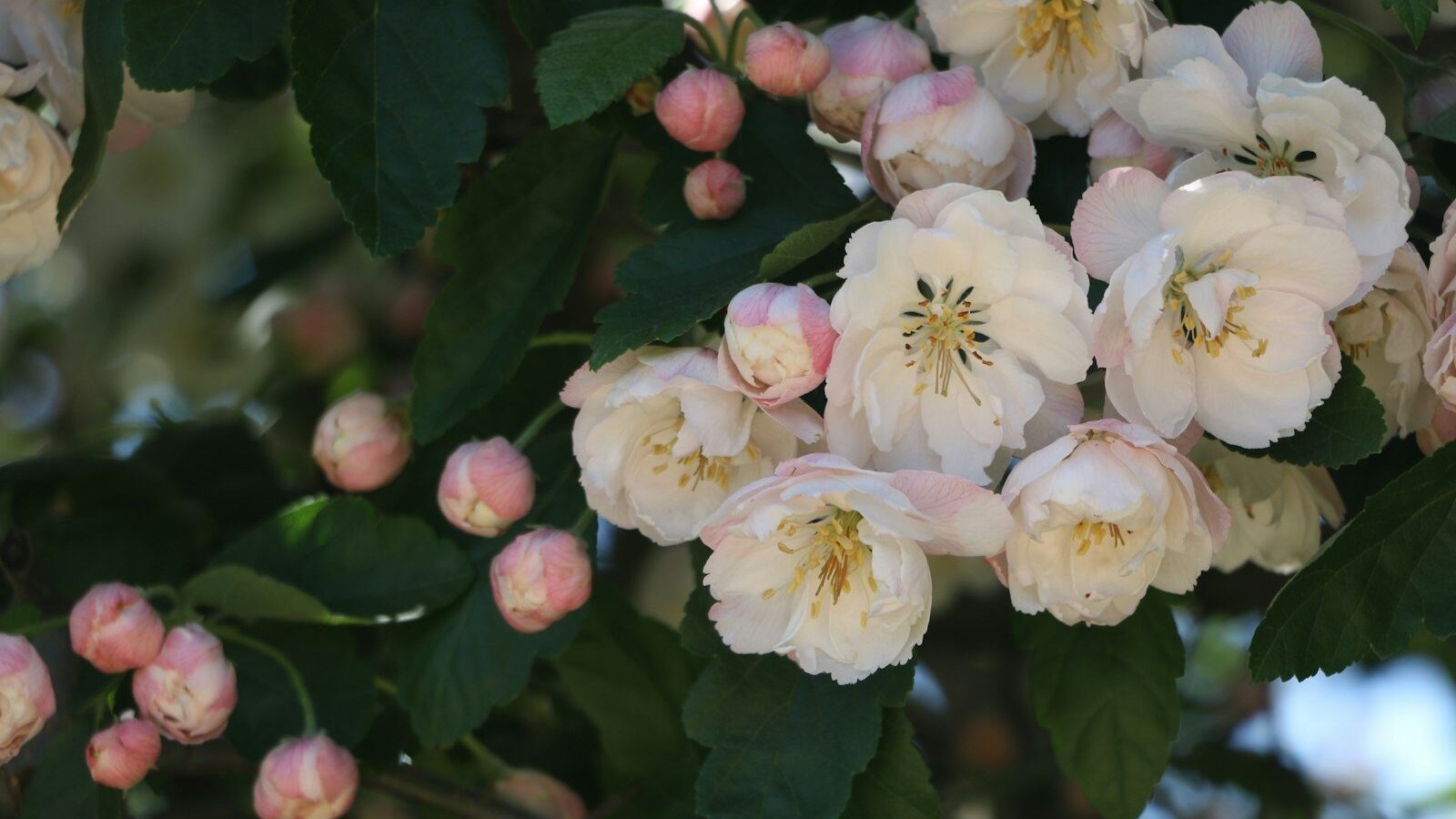
A flowering crabapple is the most reliable spring spectacle you can plant in a small yard: clouds of pink, white, or magenta bloom in April, glossy summer leaves, and persistent jewel-like fruit that feeds birds through winter. Modern disease-resistant cultivars have shed the messy, scab-ridden reputation of older trees, and most stay between 15 and 25 feet, making them ideal for front yards, property corners, and under utility lines. Plant a bare-root or container tree in early spring, give it full sun and decent drainage, and you can expect a respectable bloom show within two to three years. This guide walks through hardiness zones, siting, planting, pollination, pruning, and the disease management that separates a clean, long-lived crabapple from a defoliated eyesore.
Key Takeaways
- Zones: Hardy in USDA zones 4–8; most cultivars need a cold winter to bloom well.
- Sun: Full sun (6+ hours) for dense flowering and disease resistance; shade thins bloom and invites fungus.
- Size: Typically 15–25 ft tall and wide; choose the cultivar’s mature size to match your space.
- Bloom: Most trees flower within 2–3 years of planting; fruit follows the same season.
- Disease: Buy scab-, rust-, and fireblight-resistant cultivars — it is the single most important decision.
Hardiness Zones and Climate
Crabapples (Malus species and hybrids) are cold-climate trees, thriving in USDA hardiness zones 4 through 8. They are genuinely tough: most cultivars shrug off winter lows of -20°F or colder, and they require a winter chilling period — roughly 600 to 900 hours below 45°F — to break dormancy and bloom heavily in spring. That chill requirement is why crabapples underperform in the Deep South and warm coastal zones, where winters are too mild to satisfy them; gardeners in zones 9 and warmer should look to other flowering trees. In the cold end of the range, crabapples are far hardier than ornamental cherries or magnolias, and their late-April to early-May bloom usually escapes the hardest spring frosts.
The trade-off in colder zones is a compressed planting window. Aim to plant in early spring as soon as the soil is workable, or in early fall (at least six weeks before the ground freezes) so roots can establish before winter. Crabapples tolerate a wide pH range, from about 5.0 to 7.5, and adapt to most soils as long as drainage is reasonable.
Choosing the Right Cultivar
Cultivar selection matters more for crabapples than almost any other ornamental tree, because disease resistance is bred in or absent — you cannot spray your way out of a bad choice. Prioritize cultivars rated highly resistant to the four big problems: apple scab, cedar-apple rust, fireblight, and powdery mildew. Reliable, widely available performers include ‘Prairifire’ (deep pink-red bloom, purple-tinged foliage, excellent resistance), ‘Sugar Tyme’ (white bloom, persistent red fruit, very clean), ‘Donald Wyman’ (white bloom, glossy red fruit that hangs into winter), and ‘Adirondack’ (white, narrow upright form for tight spaces). Avoid older varieties like ‘Hopa’ and ‘Radiant’ that defoliate from scab by midsummer.
Also match the mature size and shape to your spot. Forms range from narrow columnar (8–10 ft wide) to broad rounded (20+ ft) to graceful weeping. Persistent-fruited cultivars — those with small fruit under half an inch — hold their fruit through winter for birds and never create a slip-and-fall litter problem on walkways, unlike large-fruited types that drop a fermenting mess in fall.
Siting Your Crabapple
Give a crabapple full sun: at least six hours of direct light, and ideally eight or more. Shade is the enemy on two fronts — it thins the bloom dramatically and keeps foliage damp, which fuels scab and mildew. Choose an open spot with good air circulation rather than a tight pocket between buildings where humidity lingers.
Drainage is the next priority. Crabapples tolerate clay but not standing water; avoid low spots where puddles linger after rain. Keep the tree away from cedar and juniper plantings if you can, since those are the alternate host for cedar-apple rust — though resistant cultivars make this far less critical. Allow room for the mature canopy, and remember the surface roots dislike being mowed over: plan a mulch ring rather than a turf collar. For a coordinated planting, pair a crabapple with other spring shrubs from our Plants & Flowers guides.
How to Plant a Crabapple
Dig a planting hole two to three times as wide as the root ball but no deeper than the root ball is tall. The goal is a wide, shallow saucer that encourages roots to spread laterally into the surrounding soil. Set the tree so the root flare — the point where the trunk widens into roots — sits at or slightly above grade. Planting too deep is a leading cause of slow decline.
- Loosen the roots. On container trees, tease apart any circling roots; on bare-root, spread them over a cone of soil in the hole.
- Backfill with native soil. Do not amend heavily — roots must adapt to your actual soil. Firm gently and water as you fill to eliminate air pockets.
- Build a watering basin and soak thoroughly until the rootzone is saturated.
- Mulch 2–3 inches deep in a wide ring, pulled back a few inches from the trunk. Never mound mulch against the bark.
- Stake only if needed on windy sites, using loose ties, and remove stakes after one season so the trunk strengthens.
Water deeply once or twice a week for the first full growing season — roughly an inch at a time — letting the top inch dry between soakings. Established crabapples are notably drought-tolerant and rarely need irrigation except in extended dry spells.
Pollination and Fruit
Most crabapple cultivars are self-fertile enough to set fruit on their own, and a single tree will bloom and fruit reliably. Their abundant, pollen-rich flowers also make crabapples one of the best pollinizer trees for orchard apples — if you grow eating apples nearby, a crabapple blooming in the same window dramatically improves their fruit set, and many small orchards plant a crabapple specifically for that purpose. Bees do the work, so avoid spraying insecticides during bloom.
Fruit follows the flowers and ripens from late summer into fall, ranging from yellow to orange to deep red depending on cultivar. Crabapple fruit is edible — tart and best in jelly or preserves — though most ornamental cultivars are grown for show and for the birds. Cedar waxwings, robins, and finches strip persistent-fruited trees through winter.
Years to Flower
A nursery crabapple is usually grafted and already a few years old, so most newly planted trees bloom within two to three years — often the first spring after planting if the tree was already of flowering age at purchase. Expect the show to intensify each year as the canopy fills out. Fruit set follows bloom in the same season. If a young tree refuses to bloom, the usual culprits are too much shade, overly rich nitrogen fertilizer pushing leafy growth at the expense of flower buds, or simple immaturity — be patient and stop feeding nitrogen.
Pruning
Crabapples need only light, structural pruning, done in late winter while the tree is dormant (February to early March in most zones). Dormant pruning lets you see the framework clearly and minimizes the risk of spreading fireblight, which is most contagious during wet spring growth.
What to Remove
- The three Ds first: dead, damaged, and diseased wood.
- Water sprouts and suckers: the vertical shoots from branches and the suckers from the rootstock below the graft — remove these any time you see them.
- Crossing and rubbing branches that create wounds and crowd the interior.
- Inward-growing branches to open the canopy for light and airflow, which reduces disease.
Avoid heavy heading cuts, which trigger a thicket of water sprouts. If you prune for fireblight during the season, disinfect tools between cuts with 70% alcohol and cut well below the visibly affected wood. For the structural principles behind fruit-tree pruning, see our guide on how to prune an apple tree, which applies directly to crabapples.
Pests and Diseases
If you chose a resistant cultivar, you have already won most of this battle. The major diseases are apple scab (olive-black leaf spots leading to yellowing and defoliation), cedar-apple rust (orange spots, worse near junipers), fireblight (blackened, “shepherd’s crook” shoot tips), and powdery mildew. Cultural controls go a long way: rake and dispose of fallen leaves in autumn to break the scab cycle, prune for airflow, and avoid overhead watering.
Insect pests are usually minor. Watch for aphids on new growth (a strong hose spray or insecticidal soap handles them), Japanese beetles skeletonizing leaves in midsummer, and occasional tent caterpillars, whose webs can be pruned out. Healthy, well-sited trees rarely need chemical intervention. For broader landscape pest and weed management, browse our Outdoor Living guides.
Seasonal Care Calendar
- Late winter: Structural pruning; remove dead/diseased wood and suckers.
- Early spring: Plant new trees; refresh mulch; skip nitrogen fertilizer unless growth is genuinely poor.
- Bloom (April–May): Enjoy; do not spray insecticides while bees are working.
- Summer: Water young trees in drought; monitor for beetles and aphids.
- Fall: Rake and dispose of all fallen leaves to reduce scab; enjoy fruit color.
Frequently Asked Questions
How fast does a crabapple tree grow?
Crabapples grow at a moderate rate, typically 10 to 18 inches per year, reaching their mature 15–25 ft size in about 8 to 12 years. Most bloom within 2–3 years of planting.
Do I need two crabapple trees to get fruit?
No. Most crabapples are self-fertile and will flower and fruit as a single tree. They are, however, excellent cross-pollinators for nearby eating apples.
Are crabapples edible?
Yes, the fruit is edible but very tart. It is best cooked into jelly, butter, or preserves rather than eaten fresh. Ornamental cultivars are mainly grown for bloom and bird food.
Why is my crabapple losing its leaves in summer?
Summer defoliation is almost always apple scab, a fungal disease. Rake and destroy fallen leaves, improve airflow with pruning, and consider replacing susceptible older cultivars with resistant ones like ‘Prairifire’ or ‘Sugar Tyme’.
How big does a crabapple tree get?
It depends on the cultivar. Most reach 15–25 feet tall and wide, but narrow columnar types stay around 8–10 feet wide and dwarf forms top out near 10 feet. Always check the mature size before planting.
A well-chosen crabapple rewards you for decades with very little effort: one annual dormant pruning, an autumn leaf cleanup, and almost no watering once established. Start with a disease-resistant cultivar sized to your space, plant it high in full sun, and you will have spring flowers, summer shade, and winter fruit for the birds — the closest thing to a no-fuss flowering tree the cold-climate garden offers.