

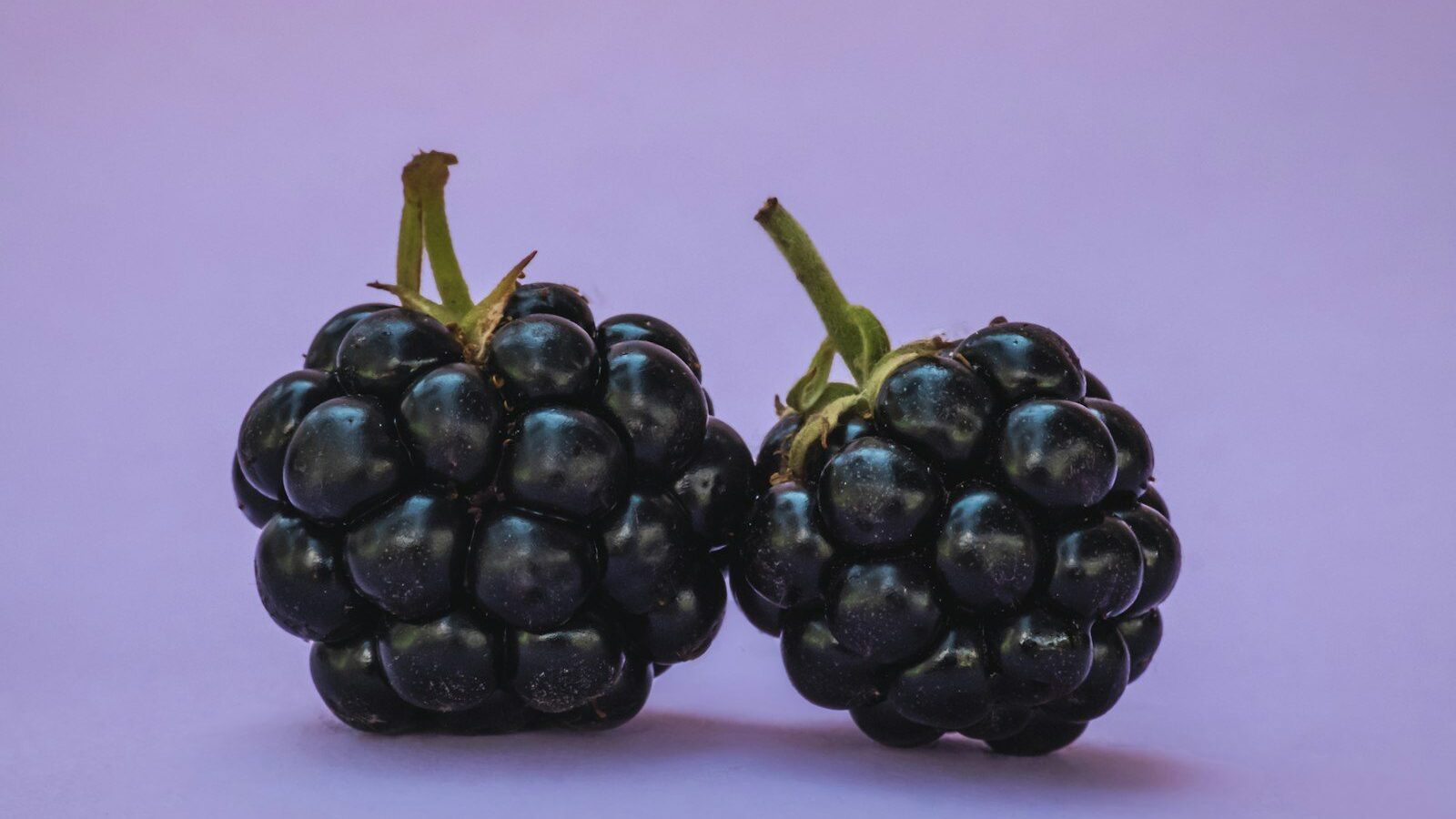
Blackberries are one of the most generous fruits you can plant: a single healthy row will hand you quarts of berries every summer for fifteen years or more, and once established they shrug off heat, drought, and neglect that would kill fussier fruit. The catch is that almost every problem people have with blackberries traces back to two things they got wrong at the start — choosing a thorny, sprawling wild type instead of a tidy modern cultivar, and never learning the simple two-cane pruning cycle. Get those right and the rest is mostly watering and picking. This guide walks through variety choice, planting, trellising, the pruning rhythm that makes or breaks your harvest, and the pests worth watching for.
Key Takeaways
- Blackberries are hardy in USDA zones 5–9; choose erect thornless varieties like ‘Navaho’ or ‘Apache’ for the easiest care.
- Plant bare-root canes in early spring, 3–4 feet apart in rows 8 feet apart, in full sun and well-drained soil at pH 5.5–6.5.
- Canes are biennial: primocanes grow year one, fruit as floricanes year two, then die — prune them out after harvest.
- Water 1–2 inches per week, especially during fruit swell, and harvest when berries are dull black and pull off with no tug.
Choosing the Right Type of Blackberry
Blackberries come in three growth habits, and the one you pick decides how much trellising and bending you’ll do. Erect blackberries stand up on their own stiff canes and need little or no support; thornless erect cultivars like ‘Navaho’, ‘Apache’, ‘Ouachita’, and ‘Natchez’ are the friendliest choice for a backyard and produce large, sweet berries. Semi-erect types such as ‘Triple Crown’ and ‘Chester’ are thornless, hugely productive, and trailing enough that they want a trellis. Trailing blackberries — the dewberries and marionberries of the Pacific Northwest — have the best flavor but the longest, floppiest canes and the least cold hardiness.
For most US gardeners in zones 5 through 8, a thornless erect cultivar is the sweet spot: cold-hardy to roughly -10°F, self-fertile so you only need one plant to get fruit, and forgiving of pruning mistakes. If you garden in zone 9 with mild winters, look at ‘Prime-Ark’ primocane-fruiting types, which can fruit on first-year canes and give you a second crop. Buy certified disease-free plants from a nursery rather than digging up wild brambles, which often carry viruses that will slowly destroy a planting.
When and Where to Plant
Plant bare-root blackberries in early spring as soon as the soil is workable, four to six weeks before your last expected frost. Potted plants can go in anytime through early summer if you keep them watered. Blackberries demand full sun — at least six and ideally eight hours of direct light — for sweet, plentiful fruit; in shade you’ll get leggy canes and sour berries. Pick a site with good air movement to reduce fungal disease, but avoid frost pockets at the bottom of slopes where late frosts can nip the blossoms.
Soil should be well-drained loam with a slightly acidic pH of 5.5 to 6.5. Blackberries hate wet feet; if your soil is heavy clay, plant on raised mounds or berms 8–10 inches high to keep the crowns above standing water. Work in 2–3 inches of compost before planting. A soil test the autumn before planting tells you whether to add sulfur to lower pH or lime to raise it — adjustments take months to register, so do them early.
Spacing and Planting Depth
Space erect cultivars 3 feet apart within the row; semi-erect and trailing types want 4–6 feet between plants because they fill far more space. Leave 8 feet between rows so you can walk, mow, and harvest without fighting the canes. Set bare-root plants so the crown sits at the same depth it grew in the nursery — usually with the topmost roots an inch below the surface. Spread the roots out in the planting hole, backfill, firm gently, and water in thoroughly. Cut the cane back to about 6 inches after planting to push the plant into producing strong new shoots rather than struggling to support old top growth.
If you’re also planning other berry crops, the same sunny, well-drained bed logic applies — our guide on how to grow raspberries covers the close cousin that shares many of these methods, and the broader Plants & Flowers hub has companion fruit guides worth browsing before you commit your space.
Trellising
Even self-supporting erect blackberries benefit from a simple trellis once they’re loaded with fruit, because berry-heavy canes flop into the path and onto the ground where they rot. A two-wire trellis is plenty: set sturdy posts at the ends of each row and run galvanized wire at 3 feet and 5 feet. Tuck the canes between or tie them to the wires as they grow. For vigorous semi-erect types like ‘Triple Crown’, use a T-post trellis with crossarms and run wires on each side, then fan the canes out so light reaches every shoot and air dries the foliage after rain.
Understanding Canes: The Key to Pruning
Almost all blackberry confusion disappears once you understand that the roots are perennial but the canes are biennial. In year one a cane emerges from the crown — this is a primocane, and on standard varieties it only grows leaves and stems, no fruit. The following year that same cane becomes a floricane: it flowers, sets berries, and after harvest it dies. Meanwhile new primocanes are pushing up beside it for next year’s crop. So at any time a mature plant has both this year’s fruiting floricanes and next year’s vegetative primocanes coexisting.
The pruning routine follows that cycle. In summer, once primocanes reach 3–4 feet tall, tip them — snip the top inch or two — to force them to branch into lateral shoots, which is where next year’s fruit will form. More laterals means more berries. After harvest, cut every spent floricane right down to the ground and remove it; leaving dead canes invites disease and clutters the row. In late winter, before growth resumes, shorten the lateral branches on the remaining primocanes to about 12–18 inches and thin the canes so you keep only the four to six strongest per plant.
Primocane-fruiting ‘Prime-Ark’ types break this rule: they fruit on first-year canes in late summer and again on those same canes the next early summer. For a single big late-summer crop, simply mow the whole planting to the ground in late winter and let fresh primocanes fruit that same season — the simplest pruning system in all of fruit growing.
Watering, Feeding and Mulching
Give blackberries 1 to 2 inches of water per week, and lean toward the higher end during bloom and fruit swell — water stress at that stage gives you small, seedy, crumbly berries. Drip irrigation or a soaker hose is far better than overhead sprinkling, which wets the fruit and foliage and spreads rot. A 3-inch mulch of wood chips or straw conserves moisture, smothers weeds, and keeps the shallow roots cool; just keep it pulled an inch back from the crowns.
Feed lightly. In early spring as growth starts, apply a balanced fertilizer such as 10-10-10 at about 4–5 pounds per 100 feet of row, and give established plants a second light dose after fruiting. Avoid heavy nitrogen, which produces a jungle of soft cane at the expense of fruit and invites disease.
Pests and Diseases
The pest that worries blackberry growers most today is spotted wing drosophila (SWD), a vinegar fly that lays eggs in ripening fruit. Harvest promptly and completely — never leave overripe berries on the canes — and refrigerate picked fruit quickly to slow any larvae. Japanese beetles can skeletonize foliage in midsummer; hand-pick them in the cool morning into soapy water. Watch also for cane borers, which cause a sudden wilt at the tip of a single cane; prune out and destroy the affected cane below the damage.
Disease control is mostly about airflow and sanitation. Anthracnose and cane blight show up as purple-to-gray spots and dying canes; remove infected wood and thin the planting so it dries fast after rain. Orange rust, a systemic fungus that coats the leaf undersides in bright orange spores in spring, cannot be cured — dig out and destroy the entire infected plant before it spreads. This is exactly why starting with certified virus-free stock and rogueing wild brambles nearby pays off for years.
Harvesting and Storage
Blackberries ripen over three to four weeks, usually from midsummer into August depending on variety and climate. Unlike many fruits, blackberries do not sweeten after picking, so wait for full ripeness: a ready berry is dull black rather than glossy, plump, and releases from the plant with the gentlest tug. If you have to pull, it isn’t ripe. Pick every two to three days during the peak, in the cool of the morning, and handle the soft fruit gently into shallow containers so the bottom layer isn’t crushed.
Fresh blackberries last only two to five days refrigerated, so eat, freeze, or cook them quickly. To freeze, spread berries in a single layer on a tray, freeze solid, then bag them — they’ll keep flavor and shape for a year and are ideal for pies, jam, and smoothies. A mature, well-pruned planting yields roughly 10 to 20 pounds of fruit per 10 feet of row each season, more than enough to share. For ideas on putting that harvest space to work alongside other edibles, see our take on growing strawberries in containers.
Frequently Asked Questions
How long until blackberries produce fruit?
Standard floricane-fruiting blackberries planted in spring give their first real crop in the second summer, since they must grow primocanes one year and fruit on them the next. Primocane-fruiting types like ‘Prime-Ark’ can produce a small crop the first autumn after planting.
Do I need more than one blackberry plant to get fruit?
No. Blackberries are self-fertile, so a single plant will set fruit on its own. Planting more simply increases your harvest and lets you stretch the picking season by mixing early and late varieties.
Why are my blackberries small and crumbly?
Crumbly, partly formed berries usually mean water stress during fruit development, poor pollination from cold or rainy bloom weather, or a virus in older plants. Ensure 1–2 inches of water weekly during fruiting and replace plants showing chronic decline with certified stock.
When should I prune blackberries?
Tip primocanes in summer at 3–4 feet to force branching, cut spent floricanes to the ground right after harvest, and shorten laterals and thin canes in late winter before new growth begins.
Can blackberries grow in containers?
Compact thornless erect varieties can grow in a 15–20 gallon container with full sun and consistent watering, though yields are smaller and you’ll need to feed more often since nutrients leach from pots quickly.