

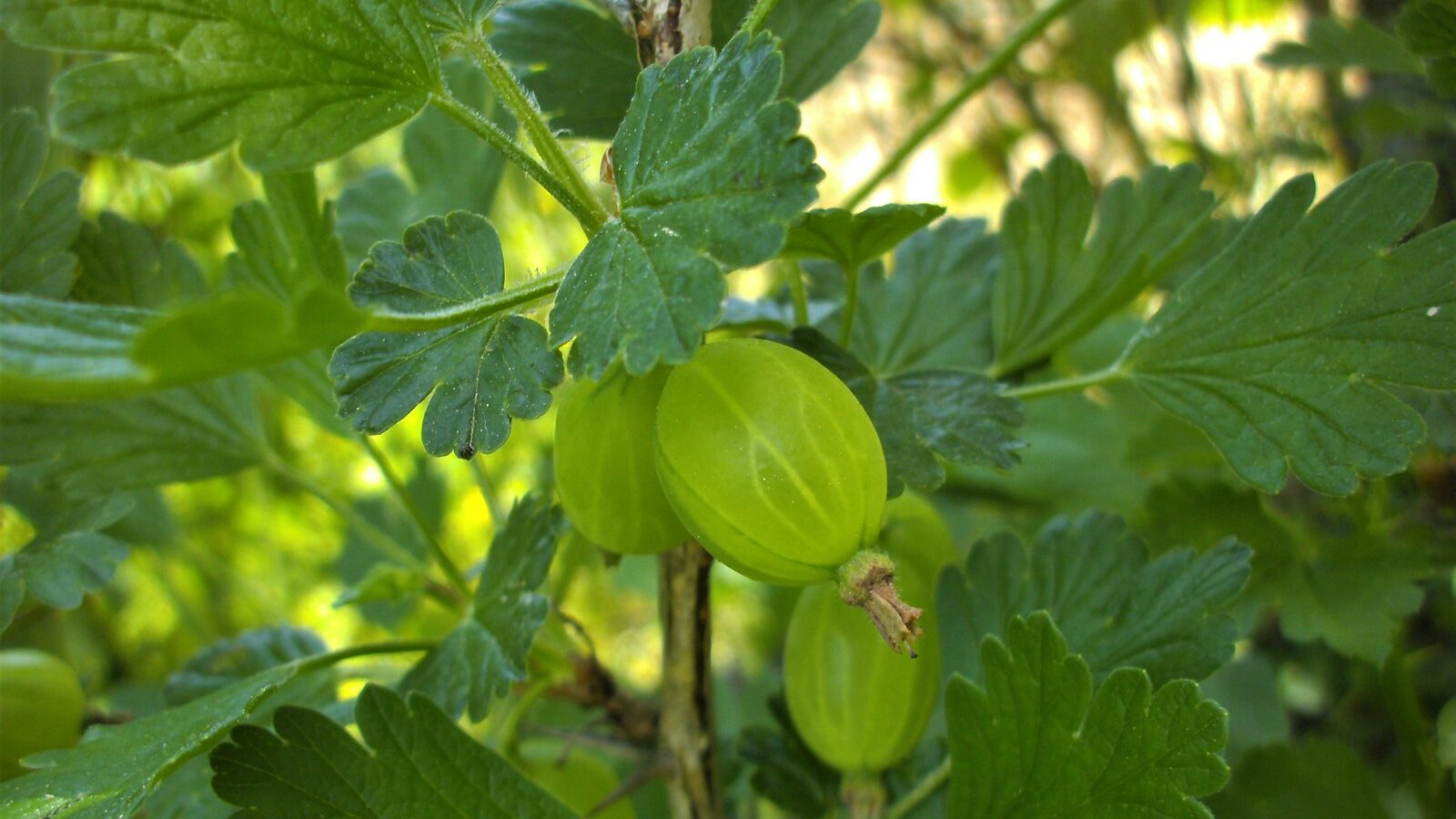
Gooseberries are one of the most forgiving fruit shrubs you can grow in a cool climate, yet they reward attention more than almost any other berry. A single well-pruned bush can hand you four to eight pounds of fruit a year for fifteen years or more, ranging from firm, tart green berries for pies and jam to fat, sweet dessert berries you eat warm off the branch. They are self-fertile, so one plant fruits on its own, and they tolerate part shade better than most fruit. The catch is that gooseberries are thorny, prone to mildew, and a favorite target of sawfly larvae that can strip a bush bare in three days. Get the site, the pruning, and the pest watch right, and the rest takes care of itself. This guide walks through everything from choosing a spot to thinning berries for the biggest dessert fruit.
Key Takeaways
- Gooseberries are hardy in USDA zones 3-8, need winter chill, and struggle in hot southern summers; give them full sun in the north and afternoon shade in warm zones.
- Plant bare-root bushes while dormant (late fall to early spring), spacing them 3-5 feet apart in rows 4-5 feet apart, in fertile, well-drained, moisture-retentive soil at pH 6.0-6.5.
- Fruit forms on spurs on 2- and 3-year-old wood, so winter-prune to an open goblet of 8-12 main branches and summer-prune sideshoots to about 5 leaves for airflow and fruit size.
- Watch closely for gooseberry sawfly and American gooseberry mildew; choose resistant cultivars like ‘Invicta’ and ‘Hinnonmaki’ and avoid heavy nitrogen feeding.
- Harvest early and firm for cooking, or leave berries to soften and sweeten for dessert; thin early fruit to size up the rest.
About the Gooseberry Bush
The gooseberry you grow at home is one of two species or a hybrid between them. The European gooseberry, Ribes uva-crispa, produces the large, flavorful dessert berries that British and European gardeners have prized for centuries, in colors from green and gold to deep red. The American gooseberry, Ribes hirtellum, bears smaller fruit but shrugs off mildew far better and copes with humidity that flattens European types. Most modern cultivars worth growing, including the workhorse ‘Invicta’ and the Finnish ‘Hinnonmaki’ series, are crosses that aim for the size and flavor of the European parent with the disease resistance of the American one.
Whatever the parentage, a gooseberry is a deciduous, thorny berry shrub that grows roughly 3 to 5 feet tall and wide. The thorns are real and unfriendly, so position the bush where you will not brush against it constantly, and keep a pair of long gauntlet gloves nearby for pruning and picking. Plants leaf out early in spring, flower modestly in small greenish bells, and ripen fruit from early to midsummer depending on your zone and cultivar. A bush reaches full production around its fourth year and stays productive for a decade and a half if you keep the wood young. Gooseberries are close cousins of currants, and the two grow under nearly identical conditions, so if you have managed one you can manage the other.
Climate and Site
Gooseberries are cool-climate plants through and through. They are reliably hardy from USDA zone 3 to zone 8, and they need a genuine winter chill to break dormancy and set fruit properly. The flip side is that they suffer in hot, humid summers; gardeners in the warm South often find the bushes scorch, drop leaves early, and succumb to mildew before the fruit ripens. If you garden in zone 7 or 8, treat heat as the limiting factor and plan your site around keeping the roots and foliage cool.
In the cooler north, give gooseberries full sun for the best crop and ripening. In warmer zones, deliberately choose a spot with afternoon shade or dappled light, such as the east side of a building or the north edge of a taller planting, which spares the bush the worst midday heat while still giving it enough light to fruit. Gooseberries are one of the few fruits that genuinely produce in part shade, so a partly shaded corner that you cannot use for tomatoes or raspberries may be perfect for them.
Soil matters more than people expect. Gooseberries want a fertile, moisture-retentive but well-drained soil that is rich in organic matter, with a slightly acidic to neutral pH around 6.0 to 6.5. They will not tolerate waterlogged ground, where the roots rot, but they equally dislike drying out, which stresses the plant and worsens mildew. Before planting, dig in a generous amount of compost or well-rotted manure to build the moisture-holding humus the roots depend on. Avoid frost pockets, since the early flowers can be caught by late spring frosts, and pick a site with reasonable air movement, because still, stagnant air is exactly what powdery mildew loves.
Planting Gooseberries
The best gooseberries are sold and planted as bare-root bushes while dormant, any time from late fall through early spring when the ground is workable and not frozen. Bare-root plants establish faster and cost less than container-grown stock, and dormant planting lets the roots settle before the plant has to support leaves. Container plants can go in almost any time the soil is not frozen or baked, but they still establish best in cool, moist conditions, so spring and fall plantings beat summer ones.
Space bushes 3 to 5 feet apart, allowing 4 to 5 feet between rows so you can walk and pick without fighting thorns. If you are training plants as cordons against a wall or fence, you can crowd them to as little as 12 to 18 inches apart, but a free-standing bush needs the full spacing for airflow. Dig a hole wide enough to spread the roots without bending them and deep enough to set the plant at the same level it grew in the nursery, marked by the soil line on the stem. Work the enriched soil back around the roots, firm it gently with your boot, and water in well to settle the soil around the roots.
- Soak bare-root plants in a bucket of water for an hour or two before planting if the roots look dry.
- Set the bush on a short clear stem (a “leg”) of 4-6 inches by rubbing off the lowest buds, which keeps fruit off the ground and improves airflow.
- Spread a 2-3 inch mulch of compost, leaf mold, or bark around the base, kept clear of the stem, to keep the roots cool and moist.
- Water consistently through the first growing season while the roots establish.
Mulching is not optional for gooseberries. A thick organic mulch keeps the shallow roots cool and evenly moist, suppresses weeds that would compete for water, and feeds the soil as it breaks down. Top it up every spring. Because gooseberries are self-fertile, a single bush will set a full crop with no pollination partner, which makes them ideal for small gardens where there is room for only one fruit plant. If you want a steady supply over a longer window, plant two or three cultivars that ripen at different times rather than relying on cross-pollination.
Watering and Feeding
Even moisture is the single most important thing you provide after planting. Gooseberries have shallow roots that dry out quickly, and the most critical period is when the fruit is swelling, roughly from petal fall to harvest. A bush that goes dry during fruit swell drops berries, produces small ones, and is far more likely to crack fruit or split skins if heavy rain follows a drought. Aim to keep the root zone consistently damp without waterlogging it, watering deeply once or twice a week in dry spells rather than a daily sprinkle. The mulch does much of this work for you, but check beneath it during hot, dry stretches.
Feeding is straightforward and easy to overdo. In early spring, apply a balanced general fertilizer along with a dose of potassium, which gooseberries need for good fruiting and disease resistance; sulfate of potash is a common choice. The thing to avoid is excess nitrogen. High-nitrogen feeds push soft, sappy growth that is a magnet for aphids and especially for mildew, which thrives on lush young shoots. If your bush is already growing vigorously, ease off the nitrogen entirely and lean on potassium and a spring mulch of compost. A balanced spring feed plus a generous organic mulch is enough for most plants in reasonable soil.
Pruning Gooseberries
Pruning is where good gooseberry growers separate themselves from frustrated ones, and it is genuinely the key to large fruit, easy picking, and far less disease. The principle to hold in your head is simple: gooseberries fruit on spurs that form on two- and three-year-old wood, and they do best as an open, airy bush. Old wood becomes unproductive and crowds the center, so your job over the years is to keep a framework of younger branches with light and air moving through the middle.
Winter Bush Pruning
Do the main structural pruning in winter while the bush is fully dormant, after leaf fall and before the buds break in late winter. The goal is an open-centered goblet or wine-glass shape built on roughly 8 to 12 main branches radiating outward from a short leg. Work through the bush and take out four kinds of wood: any branch that is four years old or older and no longer fruiting well, any branch crossing through or rubbing another, any low branch that droops toward the ground where fruit would rot, and any weak, spindly, or damaged growth. Removing the old central wood is what opens the bush and keeps mildew at bay.
Once the framework is clear, shorten the new growth at the tips of the main branches by about half, cutting back to an outward-facing bud to keep the shape opening outward rather than inward. Shorten the sideshoots that come off the main branches to about two buds, which is where next year’s fruiting spurs will form. The finished bush should look almost sparse, with a hollow center you could drop a hat into. That open structure lets you spray and pick easily, dries the foliage quickly after rain, and gives every berry good light to ripen.
Summer Pruning
Summer pruning is a lighter job done around early to midsummer that pays off in airflow, light, and fruit size. Shorten the current season’s sideshoots back to about five leaves, leaving the leading shoots at the branch tips unpruned. This does several things at once: it lets more light into the center to ripen the berries, it improves air circulation so mildew gets far less of a foothold, and it channels the plant’s energy into swelling the existing fruit rather than growing more leaf. Summer pruning also makes the bush easier to pick by removing the whippy new growth that snags your sleeves. Do not summer-prune so hard that you strip all the leaves; you are tidying and opening up, not defoliating. Save the harder cutting for winter when you reduce those same sideshoots to two buds.
Pests and Diseases
Gooseberries attract a short list of troublemakers, and two of them, sawfly and mildew, deserve close, ongoing attention. Most problems are manageable if you catch them early and if you have set the bush up with good airflow and sensible feeding from the start.
The gooseberry sawfly is the pest that catches new growers off guard. The small green caterpillar-like larvae hatch low in the center of the bush, often unnoticed, and they can strip a mature plant of every leaf in two or three days, usually right as the fruit is swelling. There are several generations a season, so vigilance from late spring onward is essential. Inspect the lower, inner leaves regularly, pick larvae off by hand the moment you see chewed leaves, and treat heavier infestations with a suitable insecticide or organic spray. A bush defoliated by sawfly will usually survive but yields poorly and is weakened going into winter.
American gooseberry mildew is the disease that limits how easily you can grow European types. This powdery mildew appears as a white, felt-like coating on the shoot tips, leaves, and eventually the fruit, where it turns brown and ruins the berries. It thrives in stagnant, humid air on soft growth, which is why airflow pruning, restrained nitrogen feeding, and good spacing matter so much. The single most effective defense is to plant resistant cultivars from the start.
- ‘Invicta’ — a heavy-cropping green cooking gooseberry with strong mildew resistance, widely grown for good reason.
- ‘Hinnonmaki Red’ and ‘Hinnonmaki Yellow’ — hardy Finnish cultivars with good mildew resistance and dessert-quality fruit.
- ‘Captivator’ — a nearly thornless red American-type berry with strong disease resistance.
- ‘Pixwell’ — a tough, productive American hybrid that handles tougher conditions.
Beyond those two, watch for aphids, which cluster on and distort the shoot tips in spring and respond to a strong jet of water, encouragement of ladybugs, or an insecticidal soap. Currant fruit fly and other maggots occasionally infest berries. Birds will strip ripening fruit fast, so drape the bush in netting as the berries color up. Various leaf spot fungi can cause early leaf drop in wet seasons; rake up and remove fallen leaves to break the cycle, since the spores overwinter in debris.
One issue is regulatory rather than horticultural. Ribes plants, including gooseberries and currants, are an alternate host for white pine blister rust, a fungal disease that can be devastating to five-needle pines. Because of this, some US states and local areas restrict or ban planting Ribes, and historically there were federal bans. Before you buy, check your state and county rules, and where planting is allowed, choose cultivars described as rust-resistant or immune. Many modern gooseberry varieties carry resistance, but local regulations can still apply regardless of the cultivar.
Harvesting Gooseberries
One of the pleasures of gooseberries is that you harvest the same bush twice for two different purposes. Pick early, while the berries are still firm, green or pale, and sharply tart, for cooking, pies, crumbles, and jam, where the high pectin and acidity of underripe fruit actually works in your favor. Then leave the rest of the crop on the bush for a few more weeks to soften, swell, and sweeten into dessert berries you can eat fresh, by which point red and gold cultivars develop their full color and a grape-like flavor.
If dessert fruit is your goal, thin the crop early. Around the time you would take the first cooking pick, remove every other berry along the branches; this leaves the remaining berries room to size up dramatically, and the thinnings go straight into the kitchen. It feels counterintuitive to throw away fruit, but a thinned bush of large, sweet dessert gooseberries is far more satisfying than a crowded one of small, sour ones. Wear gauntlet gloves and pick carefully around the thorns, supporting the branch with one hand.
A healthy mature bush yields roughly 4 to 8 pounds of fruit a year. Fresh-picked gooseberries keep for a week or two in the refrigerator, and they freeze beautifully: spread them on a tray to freeze individually, then bag them, and they will hold for a year for winter pies and sauces. Their natural acidity and pectin also make them one of the easiest fruits to turn into preserves. For more cool-climate fruit to grow alongside them, see our guides to growing currants and growing elderberries, both of which share the gooseberry’s love of moist, fertile soil. You will find more options in our full plants and flowers library.
Frequently Asked Questions
Do you need two gooseberry bushes to get fruit?
No. Gooseberries are self-fertile, so a single bush will set a full crop on its own. Planting two or three different cultivars simply spreads the harvest over a longer window.
How long until a gooseberry bush produces fruit?
You will usually get a small crop the second year after planting, with bushes reaching full production around their fourth year and staying productive for fifteen years or more with good pruning.
Why are the leaves on my gooseberry bush disappearing?
That is almost always gooseberry sawfly. The green larvae hatch in the center of the bush and can strip every leaf in a few days. Inspect the inner, lower leaves regularly and pick larvae off or spray at the first sign of chewing.
Can gooseberries grow in shade?
Yes, better than most fruit. They produce well in part shade and, in warm zones 7 and 8, actually prefer afternoon shade to protect them from heat. In cool northern gardens, full sun gives the best crop.
When should I prune gooseberries?
Do the main structural pruning in winter while dormant, opening the bush to a goblet of 8-12 branches and removing old, crossing, and low wood. Add a lighter summer prune, shortening sideshoots to about five leaves, to improve airflow and fruit size.