

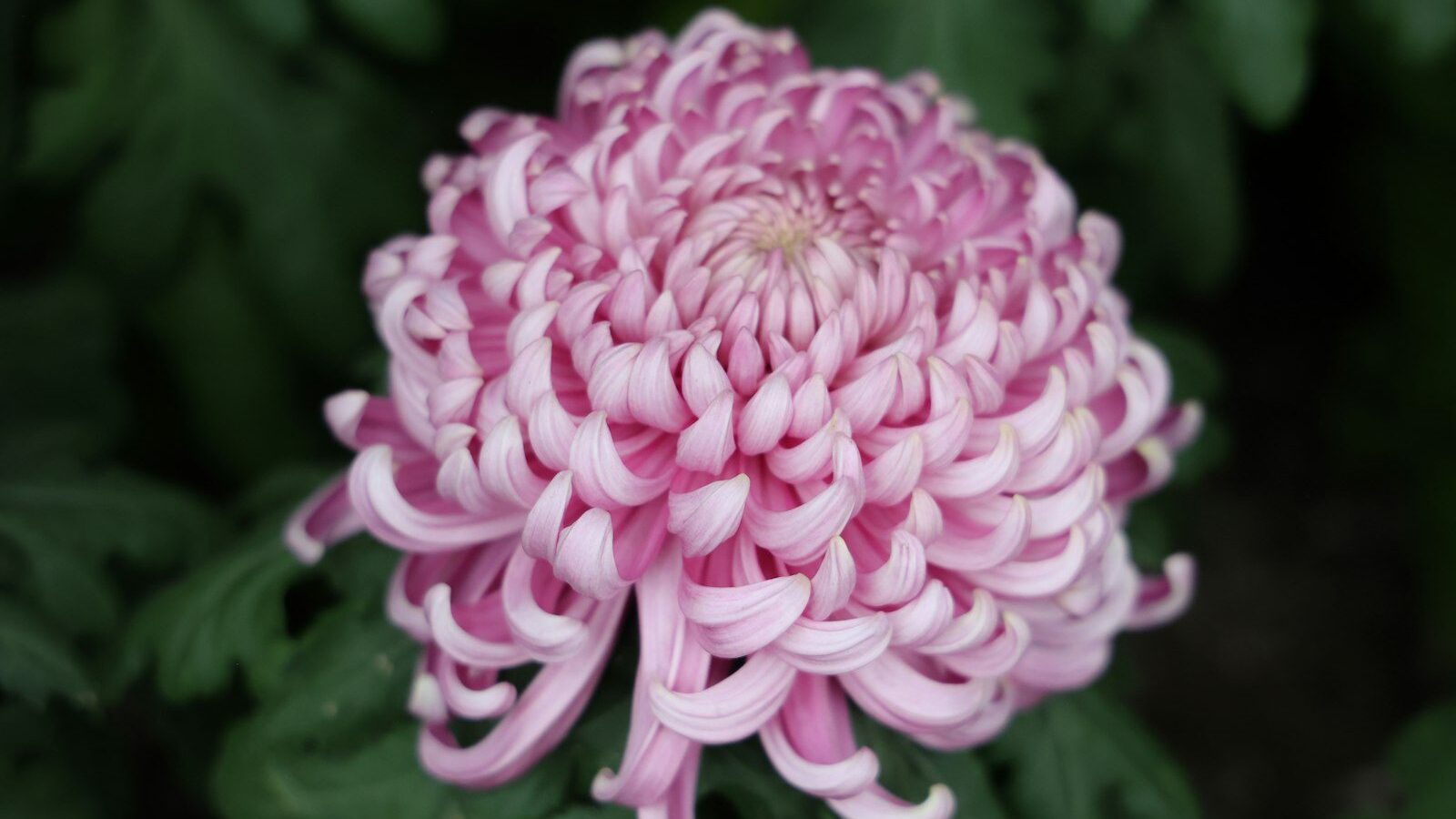
Chrysanthemums—mums to most gardeners—are the workhorses of the autumn border, throwing out hundreds of blooms just as the rest of the garden fades. The trick to keeping them year after year, rather than treating them as disposable porch decorations, is understanding the difference between a true hardy garden mum and a forced florist mum, then planting at the right time so the roots establish before frost. Get the timing, the pinching, and the drainage right and a single plant will return larger and fuller every season for five years or more.
Key Takeaways
- Plant hardy garden mums (Chrysanthemum × morifolium) in spring, not fall, if you want them to overwinter; spring planting gives roots months to anchor.
- Mums are hardy in USDA zones 5–9; choose a spot with 6+ hours of direct sun and sharp drainage.
- Pinch growing tips from late spring until early July to force a dense, dome-shaped plant covered in flowers.
- Space plants 18–24 inches apart and water 1 inch per week at the base, never overhead.
- Mulch crowns after the ground freezes and leave stems standing over winter to protect the roots.
Hardy Garden Mums vs. Florist Mums
Before you buy, know which mum you are getting. Hardy garden mums are bred for cold tolerance and a vigorous root system; planted early enough, they survive winter in the ground in zones 5–9. Florist mums (sometimes labeled “cut mums” or “exhibition mums”) produce larger, showier blooms but put almost all their energy into flowers and almost none into roots—they rarely survive a winter outdoors and are best treated as annuals or houseplants. The grocery-store and garden-center mums sold in bloom every September are usually hardy types that have been forced into early flower, but because they are sold in full bloom with shallow root balls, even hardy varieties planted that late often die over winter. If your goal is a perennial, buy small hardy mums in spring instead.
When and Where to Plant
Timing
For perennial mums, plant in spring once nighttime temperatures stay above 40°F—April to May in most of the country. This gives the plant a full growing season to develop a deep, fibrous root system before its first winter. If you plant in fall, do it at least six weeks before your first hard frost so roots can grab hold; even then, treat fall-planted mums as a gamble for overwintering. Mums set buds in response to shortening days (they are “short-day” plants), which is why they naturally flower in autumn.
Light and Soil
Mums need full sun—at least six hours of direct light, and eight is better. Too little sun produces leggy, floppy stems and sparse blooms. Soil should be rich, loose, and above all well-draining; wet feet in winter is the single most common killer of garden mums. Work 2–3 inches of compost into the planting area and, if your soil is heavy clay, add coarse sand or plant on a slight mound. Aim for a slightly acidic to neutral pH of 6.5–7.0. Avoid low spots where water collects.
Spacing and Planting Depth
Space plants 18–24 inches apart, measured center to center; mums mature into wide mounds and crowding invites mildew. Dig a hole slightly wider than the root ball and set the plant so the crown sits at the same depth it grew in the pot—burying the crown causes rot. Backfill, firm gently, and water in well. For containers, use a pot at least 12 inches across with drainage holes and a quality potting mix.
Pinching for Bushy, Bloom-Heavy Plants
Pinching is the secret that separates a tight, flower-smothered dome from a leggy, sparse plant. When new spring growth reaches 6 inches tall, pinch or snip off the top inch of each stem just above a leaf node. This forces the plant to branch, doubling the number of stem tips and therefore flowers. Repeat every two to three weeks—each time the new shoots add another 6 inches—until the first week of July (zones 5–6) or mid-July (zones 7–9). Stop pinching after that cutoff; the plant needs the remaining weeks to set buds and bloom on schedule in fall. A diligently pinched mum can carry several hundred blooms.
Watering and Feeding
Mums have shallow roots and wilt quickly when dry, but they also rot in soggy soil—consistency is everything. Provide about 1 inch of water per week, more in heat or for container plants, which may need daily watering in late summer. Water at the base in the morning so foliage dries fast; overhead watering spreads fungal disease and spots the flowers. Mulch with 1–2 inches of shredded bark to hold moisture and moderate soil temperature.
Feed established plants with a balanced fertilizer (such as 10-10-10) every three to four weeks from spring through mid-July, then stop. Late-season nitrogen pushes soft growth that won’t harden before frost and can reduce bloom. A slow-release granular fertilizer worked in at planting carries young plants through much of the season. The same steady-feeding discipline that suits mums also rewards other fall performers—if you grow them alongside dahlias, you can run both on a similar schedule.
Supporting and Deadheading
Well-pinched mums usually stand on their own, but tall or top-heavy varieties may flop after rain. Install a grow-through grid or a few discreet stakes in early summer before the plant fills out. Deadhead spent blooms by snipping back to a leaf or branch junction; this tidies the plant, prevents seed set, and on early varieties can coax a second flush. At the end of the flowering season, leave the stems standing—do not cut the plant to the ground in fall. The old growth shelters the crown and catches insulating snow.
Overwintering Hardy Mums
Winter survival comes down to drainage and insulation. After the first hard frost kills the top growth, wait until the ground has frozen, then heap 4 inches of straw, shredded leaves, or evergreen boughs over the crown. Leave the dead stems in place to trap mulch and snow. In spring, pull the mulch back gradually as new shoots emerge and cut the old stems off at ground level. Container mums are far less hardy—their roots have no soil mass to insulate them—so either sink the pot in the ground for winter or move it to an unheated garage that stays near freezing.
Dividing for More Plants
Mums spread outward and grow woody and bare in the center after a few years. Divide every two to three years in early spring when new shoots are a couple of inches tall. Dig the whole clump, discard the dead woody middle, and pull or cut the vigorous outer sections into pieces with roots and several shoots each. Replant immediately at the same depth, water in, and you have free plants that bloom the same fall.
Pests and Diseases
Aphids cluster on tender new growth and bud clusters; blast them off with a hose or treat with insecticidal soap. Spider mites appear in hot, dry spells, stippling leaves and spinning fine webs—raise humidity and spray the undersides of leaves. Chrysanthemum leaf miners tunnel pale trails through foliage; remove and destroy affected leaves. On the disease side, the main threats are fungal: powdery mildew, leaf spot, and root rot. All three are encouraged by crowding, overhead watering, and poor drainage, so good spacing and base watering prevent most problems. Remove and discard infected foliage rather than composting it. The mildew-prevention habits here apply across the border—the same airflow logic helps when you grow calendula nearby.
Container and Patio Mums
Mums are the classic fall patio plant, and growing them well in pots takes only a few adjustments. Use a container at least 12 inches across with strong drainage, and fill it with a quality potting mix rather than garden soil, which compacts and stays wet in a pot. Container mums dry out fast in late summer and may need watering once or even twice a day during their bloom push—check by feeling the soil rather than guessing. Feed them every couple of weeks through midsummer, then stop, just as you would in the ground. The big limitation is winter: a pot offers no soil mass to insulate the roots, so container mums rarely survive cold winters outdoors. To keep them, sink the whole pot into a garden bed for the winter or move it into an unheated garage or shed that stays just above freezing, water sparingly, and bring it back out in spring.
Growing Mums as Cut Flowers
Mums are among the longest-lasting cut flowers—two to three weeks in a vase is normal. Cut in the cool of early morning when blooms are about three-quarters open, using clean shears. Strip any leaves that would sit below the waterline, recut stems at an angle, and place them in cool water with floral preservative. Change the water every few days. For garden display, leave the bulk of the blooms in place and harvest only a few stems at a time. Browse the full Plants & Flowers collection for more cut-flower companions that bloom on the same autumn calendar.
Frequently Asked Questions
Why do my fall-bought mums die over winter?
Most mums sold in bloom in September are planted too late for their roots to establish before frost, and many are also grown in shallow root balls. Buy small hardy garden mums in spring and plant them then for the best chance of overwintering.
When should I stop pinching my mums?
Stop pinching around the first week of July in zones 5–6 and mid-July in zones 7–9. After that the plant needs the remaining weeks to set buds and bloom on time in autumn.
How much sun do chrysanthemums need?
At least six hours of direct sun daily, and eight is better. Too little light produces weak, leggy stems and far fewer flowers.
Should I cut mums back in the fall?
No. Leave the dead stems standing through winter to insulate the crown and trap snow, then cut them to the ground in spring as new growth emerges.
How often should I divide chrysanthemums?
Every two to three years in early spring. Discard the woody dead center and replant the vigorous outer pieces, each with roots and several shoots.