

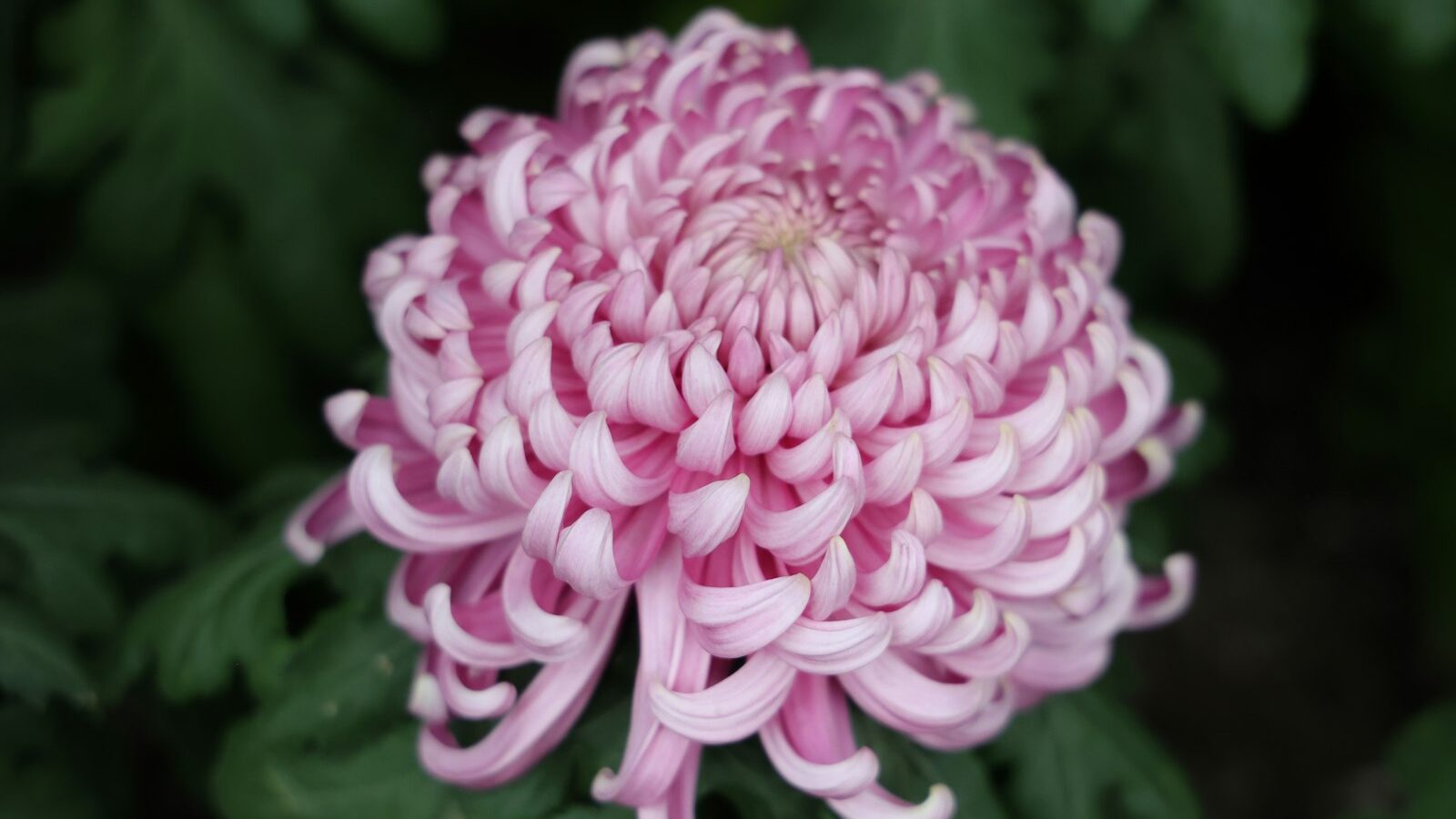
Chrysanthemums, affectionately called “mums,” are the unofficial flower of fall, blanketing porches and garden beds in waves of gold, bronze, burgundy, and white. But there is a catch that surprises many gardeners: the potted mums you grab at the store in September are often a one-season splurge, while the hardy mums you plant in spring can return for years. This guide walks you through growing mums the right way, from the all-important pinching schedule to overwintering tricks that keep your plants alive through the cold.
Chrysanthemum quick facts
- Light: full sun
- Soil: rich, well-drained
- USDA zones: 5-9 (hardy types)
- Pinch until early summer for fall blooms
- Plant in spring to overwinter well
As an Amazon Associate we earn from qualifying purchases.
Garden Mums vs. Florist Mums: Know What You’re Buying
Not all chrysanthemums are created equal, and understanding the difference is the single most important step to success. The plants sold in nurseries and grocery stores fall into two broad camps, and only one of them is built to survive your winter.
Hardy (garden) mums
Hardy mums (Chrysanthemum × morifolium, sometimes sold as Dendranthema) are perennials bred to develop deep, cold-tolerant root systems. Planted at the right time and given a little protection, they reliably return each year in USDA zones 5 through 9. These are the mums you want for permanent landscape color. Their tags often say “hardy mum,” “garden mum,” or “perennial mum.”
Florist mums
Florist mums (often the large, exhibition-style blooms in flower arrangements or sold as gift plants) are bred for spectacular flowers rather than winter survival. They are generally treated as annuals or houseplants. Even hardy varieties are frequently sold as disposable fall décor because they are forced into bloom in containers and sold too late in the season to root in. If your goal is a returning perennial, read the label and buy a true hardy mum in spring. You can compare available varieties through hardy mum plants to see what suits your zone.
Light, Soil, and Where to Plant
Mums are sun worshippers. Give them the brightest, most open spot you have and they will reward you with dense foliage and heavy bloom.
Sunlight
- Full sun is essential: aim for at least 6 hours of direct light per day, ideally more.
- Too little sun produces leggy, floppy stems and sparse flowers.
- Morning sun with a bit of afternoon shade is fine in very hot southern climates.
Soil
- Mums need rich, well-drained soil. Soggy ground is the fastest way to kill them, especially over winter.
- Work in 2 to 3 inches of compost before planting to improve fertility and drainage.
- A slightly acidic to neutral pH (6.0 to 6.8) is ideal.
- In heavy clay, plant in a raised bed or amend generously so roots never sit in standing water.
Space plants 18 to 24 inches apart so air can circulate freely. Crowded mums are far more prone to the fungal problems covered later in this guide. For more on building healthy beds, see our main plant & flower care guide.
Watering Mums Correctly
Chrysanthemums have shallow, fibrous roots that dry out quickly, so consistent moisture matters, particularly during their first season and through the heat of summer.
- Water deeply when the top inch of soil feels dry, generally 1 to 2 inches of water per week.
- Water at the base, not overhead. Wet leaves invite leaf spot and powdery mildew.
- Container mums dry out fast and may need daily watering in warm weather. Check the soil every morning.
- Reduce watering as plants go dormant in late fall, but don’t let roots dry out completely before the ground freezes.
- A 2 to 3 inch layer of mulch helps conserve moisture and keeps roots cool.
The Pinching Schedule for Bushy Fall Blooms
Here is the secret behind those perfectly mounded, flower-covered mums you admire each autumn: pinching. Left alone, mums grow tall and leggy with few blooms. Pinching removes the growing tips, forcing the plant to branch repeatedly into a compact, dome-shaped mound loaded with buds.
How and when to pinch
- First pinch: when spring growth reaches about 6 inches tall, pinch out the top inch of each stem with your fingers.
- Repeat every 2 to 3 weeks, or each time stems add another 4 to 6 inches of growth.
- Stop pinching by early to mid-summer (around the Fourth of July, or by mid-July in cooler northern zones).
- Pinching after that point delays or prevents bud formation, leaving you with fewer fall flowers.
That early-summer cutoff gives the plant time to set buds and bloom on schedule. The reward is a tidy, ball-shaped mum smothered in those cheerful yellow flowers, bronzes, and reds that define the season.
Feeding Your Mums
Mums are moderate to heavy feeders during their active growth, but timing matters as much as the formula.
- Begin feeding in spring as new growth emerges, using a balanced fertilizer such as 10-10-10 or 12-6-6.
- Feed every 2 to 4 weeks through early summer to fuel all that branching foliage.
- Stop fertilizing by midsummer (around the same time you stop pinching). Late feeding pushes tender new growth that won’t harden off before frost.
- A slow-release granular fertilizer worked in at planting time simplifies the schedule.
A general-purpose balanced fertilizer works well for both in-ground and container mums.
Why Store-Bought Fall Mums Often Die Over Winter
It’s one of gardening’s most common disappointments: you buy a gorgeous mum in September, it blooms beautifully, then it never comes back. The plant wasn’t defective. The problem is almost always timing.
- Fall-purchased mums pour all their energy into flowers, not roots. With only weeks before frost, they never establish the root system needed to survive winter.
- Many are sold root-bound in small pots, further limiting establishment.
- When the ground freezes, those shallow, immature roots heave and dry out, killing the plant.
The fix: plant hardy mums in spring instead. A spring planting gives the roots an entire growing season to dig in deep before facing the cold. If you do buy in fall, get them in the ground as early as possible, water well, and mulch heavily, but treat winter survival as a bonus rather than a guarantee. For ideas on timing your autumn beds, see what to plant in fall.
Overwintering, Mulching, and Dividing
Overwintering and mulch
- Leave the foliage standing after frost. Don’t cut mums back to the ground in fall; the dead stems trap insulating snow and protect the crown. Cut them back in spring instead.
- After the ground freezes, apply a 4 to 6 inch layer of mulch such as straw, shredded leaves, or pine bark over and around the plant.
- Mulching after the freeze prevents the freeze-thaw cycles that heave roots out of the soil, which is the leading cause of winter loss.
- Pull mulch back gradually in early spring as new growth appears.
A bale of clean straw or a bag of shredded mulch is inexpensive insurance for your perennial mums.
Dividing
Mums grow vigorously and become woody and bare in the center after a few years. Dividing rejuvenates them and gives you free plants.
- Divide every 2 to 3 years, in spring once new growth is a few inches tall.
- Dig up the whole clump, discard the woody center, and replant the vigorous outer sections.
- Water the divisions in well and resume your normal pinching routine.
Common Problems and Pests
Healthy, well-spaced mums in full sun rarely suffer serious trouble, but watch for these usual suspects.
Aphids
- Small green, black, or gray insects cluster on new growth and flower buds, leaving sticky residue.
- Blast them off with a strong spray of water, or treat with insecticidal soap or neem oil.
- Encourage ladybugs and lacewings, which devour aphids naturally.
Leaf spot
- Brown or black spots on lower leaves that yellow and drop, usually from fungal infection in damp conditions.
- Remove and discard affected leaves, water at the base, and improve air circulation.
Powdery mildew
- A white, powdery coating on leaves, common when nights are cool and humidity is high.
- Space plants for airflow, avoid overhead watering, and apply a fungicide or a baking-soda spray at the first sign.
Frequently asked questions
Will the mums I bought at the store in fall come back next year?
Maybe, but often not. Most fall-purchased mums focus on blooming rather than rooting and run out of time to establish before winter. For reliable returns, plant hardy garden mums in spring instead, and mulch heavily over winter.
When should I stop pinching my mums?
Stop by early to mid-summer, roughly around the Fourth of July (or mid-July in cool northern zones). Pinching later delays bud set and reduces your fall flower display.
Should I cut mums back before winter?
No. Leave the dead foliage standing through winter to insulate the crown and trap snow, then cut the old stems back in early spring once new growth appears.
What’s the difference between garden mums and florist mums?
Garden (hardy) mums are perennials bred for cold-hardiness and winter survival in zones 5 to 9. Florist mums are bred for large showy blooms and are usually treated as annuals or indoor gift plants.
How often should I divide my mums?
Every 2 to 3 years in spring. Dig up the clump, discard the woody center, and replant the healthy outer portions to keep plants vigorous and well shaped.