

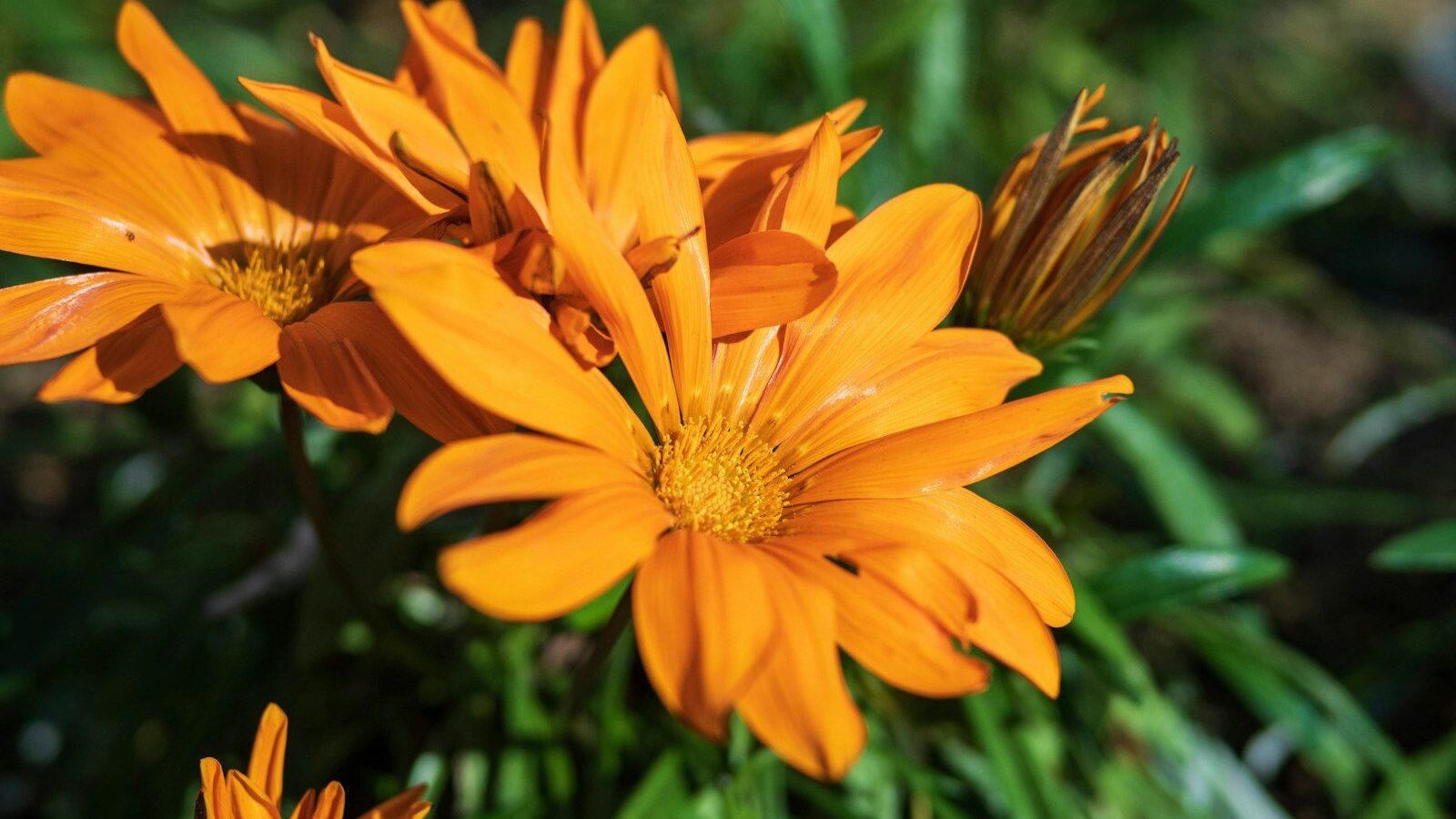
Calendula, or pot marigold (Calendula officinalis), is one of the easiest and most useful flowers a gardener can grow. Its sunny orange and gold blooms are edible, the petals dry for teas and skin salves, and the plant flowers nonstop from late spring until hard frost if you keep picking. It self-seeds happily, tolerates poor soil, and even repels some garden pests. Despite the name, true calendula is unrelated to the French and African marigolds (Tagetes) sold at garden centers. This guide covers direct sowing, cool-season timing, deadheading for endless bloom, and harvesting petals.
Key Takeaways
- Calendula is a cool-season annual that thrives in spring and fall and often pauses in midsummer heat.
- Direct-sow seed 1/4–1/2 inch deep, 2–4 weeks before your last frost; it germinates in 5–15 days.
- Give full sun (or part shade in hot climates) and average, well-draining soil—it tolerates poor soil.
- Thin or space plants 8–12 inches apart and water about 1 inch per week.
- Deadhead or harvest blooms regularly to keep flowers coming and prevent the plant from going to seed.
What Calendula Is (and Isn’t)
Calendula is a hardy annual in the daisy family, grown for centuries as both an ornamental and a medicinal and culinary herb—the petals color and flavor soups, rice, and salads, and the “pot” in pot marigold refers to the cooking pot. It is frost-tolerant, fast from seed, and one of the longest-blooming flowers in the garden. Do not confuse it with Tagetes marigolds; though both are cheerful and orange, they are different plants with different uses. Calendula is the one you eat and make salves from.
When and How to Sow
Calendula is best direct-sown because it grows quickly and dislikes root disturbance. As a cool-season plant, it can go in early—sow outdoors two to four weeks before your last spring frost, as soon as the soil can be worked. In mild-winter regions (zones 8–10), sow in fall for winter and early-spring bloom. For a head start you can sow indoors 6–8 weeks before transplanting, but handle the roots gently.
Sow seed 1/4 to 1/2 inch deep—calendula seed germinates best in darkness, so unlike snapdragons it does want light cover. Space seeds a few inches apart in rows or scatter in drifts, keep evenly moist, and expect germination in 5 to 15 days at soil temperatures of 60–70°F. Once seedlings have a few true leaves, thin to stand 8–12 inches apart. To keep a steady supply of blooms and petals, sow a fresh batch every three to four weeks through spring (succession sowing).
Sun, Soil, and Spacing
Calendula flowers most prolifically in full sun—six or more hours—but in hot-summer climates it appreciates afternoon shade, which also extends bloom into the warmer months. It is famously unfussy about soil and grows in average to even somewhat poor ground, as long as it drains well; overly rich soil produces lush leaves at the expense of flowers. A neutral pH around 6.0–7.0 suits it. Work in a little compost at planting, space plants 8–12 inches apart for good airflow, and that is essentially all the soil prep it needs. It also performs beautifully in containers at least 8 inches deep and is a classic companion plant in vegetable beds, where it is said to deter aphids and attract pollinators and beneficial insects.
Watering and Feeding
Provide about 1 inch of water per week, letting the top of the soil dry slightly between waterings; established calendula is fairly drought-tolerant but blooms best with steady moisture. Water at the base in the morning to keep foliage dry and discourage powdery mildew, the plant’s main disease. Calendula needs little to no fertilizer—a single dose of compost or a light feeding early in the season is plenty. Too much nitrogen gives you a leafy plant with few flowers, so err on the lean side. Mulch lightly to conserve moisture and keep weeds down.
Deadheading for Endless Bloom
The single most important task is deadheading. Calendula’s natural drive is to flower, set seed, and stop; every spent bloom you remove pushes the plant to make more. Pinch or snip faded flowers back to the next leaf or bud, and the plant will rebloom continuously from late spring to frost. If you are harvesting petals or whole flowers for use, that harvesting doubles as deadheading—the more you pick, the more you get. If plants flag in midsummer heat, shear them back by a third and keep them watered; they usually rebound as fall approaches. The same airflow and base-watering discipline that prevents mildew here helps when you grow it near other bloomers like chrysanthemums.
Harvesting Flowers and Petals
Harvest calendula flowers on a dry, sunny morning after the dew has lifted, when blooms are fully open—this is when the resinous, beneficial compounds in the petals are highest. Pinch the flower head off at the base of the bloom. For culinary use, pull the fresh petals from the head and scatter them over food. To dry for tea or salves, spread whole heads or loose petals in a single layer on a screen in a warm, airy, shaded spot until completely crisp—usually a week or two—then store in an airtight jar away from light. Dried petals keep their color and potency for about a year. Harvesting frequently keeps the plant producing, so pick every few days at peak season.
Saving Seed and Self-Sowing
If you let some late-season blooms mature instead of deadheading them, calendula forms distinctive curved, ridged seeds. Let the seed heads dry on the plant, then collect the brown, hooked seeds and store them in a labeled envelope in a cool, dry place for next year. Left to their own devices, calendula plants readily self-sow, dropping seed that sprouts the following spring—so once you grow it, you often have it for years with no effort. To control where it spreads, simply pull unwanted seedlings or deadhead before seed sets. For more easy, self-sowing flowers, see the full Plants & Flowers collection.
Growing Calendula in Containers
Calendula is well suited to pots, window boxes, and balcony gardens. Use a container at least 8 inches deep with drainage holes and an ordinary potting mix—no need for rich blends, since calendula flowers best in lean conditions. Sow seed directly into the pot or transplant a small seedling, and thin to give each plant room to form its full mound, usually one or two plants per 10-inch pot. Containers dry out faster than the ground, so check the soil and water when the top inch is dry, but still let it dry slightly between waterings to avoid mildew and rot. Deadhead just as you would in the garden, and a container plant will bloom from spring well into fall. Pots also make it easy to position calendula near vegetables as a pest-deterring, pollinator-attracting companion, then move it as the season changes.
Calendula Varieties Worth Growing
Most calendula carries the classic single orange or yellow daisy form, but there’s real variety to explore. ‘Pacific Beauty’ is a tall, heat-tolerant mix prized for cutting, with long stems in a wide color range. ‘Indian Prince’ offers deep orange petals backed with bronze, adding warmth to autumn arrangements. ‘Resina’ is the variety herbalists favor for salves and teas because of its high resin content. ‘Snow Princess’ and other pale, creamy selections soften the usual hot palette, while double-flowered “ball” types give a fuller bloom for bouquets. All are grown the same way, so you can mix several in a bed for a long, layered season of color. For more easy cut-flower options that share calendula’s cool-season timing, see the broader Plants & Flowers guides.
Using Calendula in the Garden and Kitchen
Beyond its looks, calendula earns its place by being genuinely useful. In the vegetable garden it works as a companion plant: its flowers draw bees, hoverflies, and other beneficial insects, and it acts as a trap crop that pulls aphids away from prized crops. In the kitchen, the fresh petals—sometimes called “poor man’s saffron”—add gentle color and a faintly peppery, tangy note to salads, rice, butter, soups, and baked goods, though they don’t carry true saffron’s flavor. The dried petals steep into a mild herbal tea and are the classic base for soothing skin balms and infused oils, valued for the resins concentrated in fully open blooms. Because every part of growing calendula—deadheading, harvesting, succession sowing—feeds back into more flowers, a small patch can supply the garden, the kitchen, and the medicine cabinet all season long.
Pests and Problems
Calendula is largely trouble-free. Aphids are the most likely pest—ironically drawn to calendula, which gardeners sometimes use as a “trap crop” to lure aphids away from vegetables. Knock them off with water or treat with insecticidal soap. Powdery mildew can coat leaves in late summer humidity; prevent it with spacing, airflow, and base watering, and remove badly affected foliage. Slugs and snails may chew young seedlings—use traps or barriers. In persistently hot weather, expect bloom to slow; this is normal and not a problem, and the plant typically recovers in fall.
Frequently Asked Questions
Is calendula the same as marigold?
No. Calendula (pot marigold) is Calendula officinalis and is edible and medicinal. The common bedding marigolds are Tagetes—a different, unrelated plant.
How deep should I sow calendula seed?
Sow 1/4 to 1/2 inch deep. Unlike some flowers, calendula germinates best with light cover, sprouting in 5–15 days at 60–70°F.
Why has my calendula stopped flowering?
Usually midsummer heat or a lack of deadheading. Keep removing spent blooms, and if heat stalls the plant, shear it back by a third and water—it typically rebounds in fall.
Can you eat calendula petals?
Yes. The fresh petals are edible and add color and a mild peppery flavor to salads, soups, and rice; the dried petals are used in teas and skin salves.
Does calendula come back every year?
It is an annual, but it self-sows readily—dropped seed sprouts the next spring, so it often returns on its own year after year.