

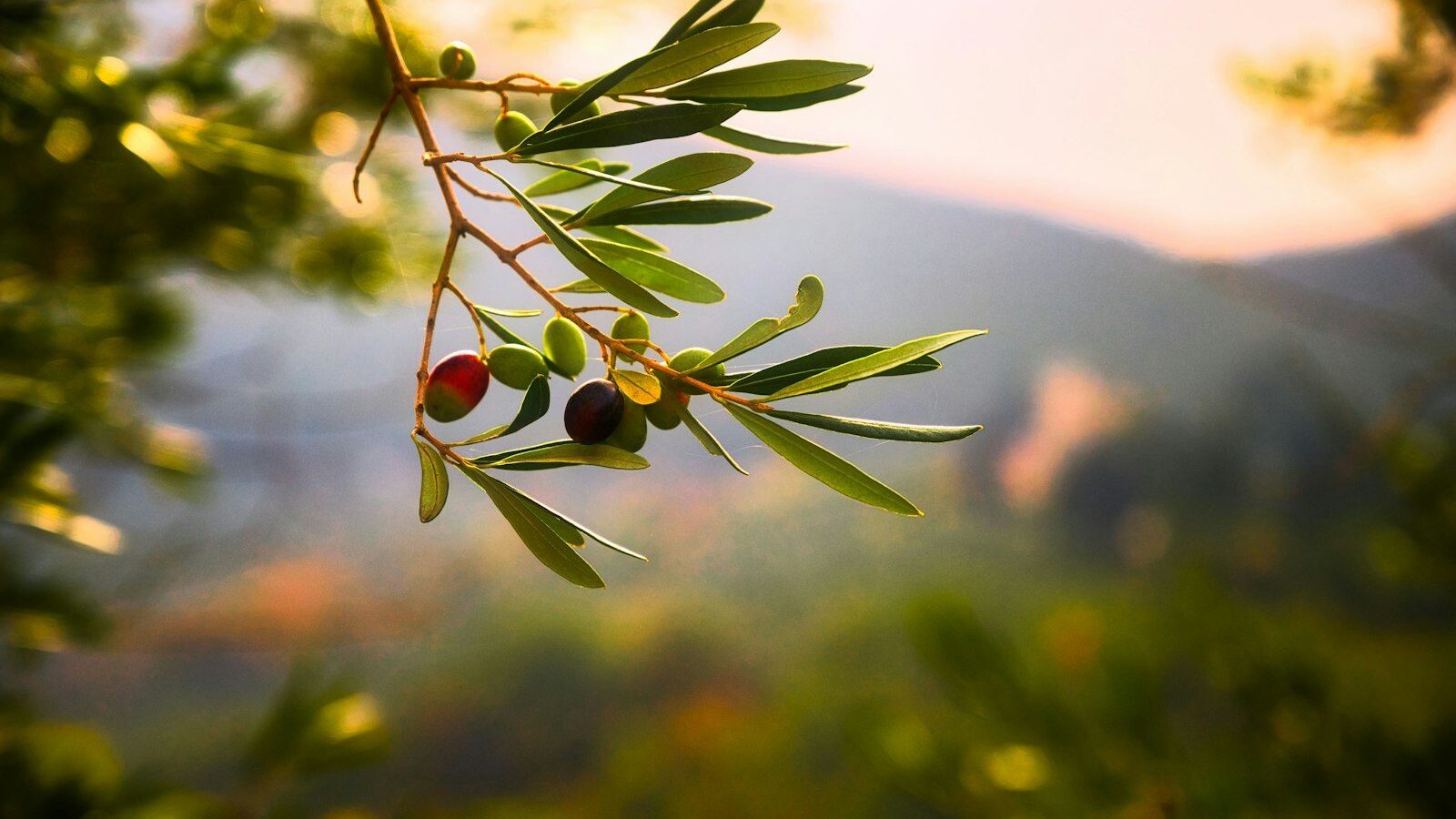
To grow an olive tree, give it the three things it craves: full sun, sharp drainage, and a Mediterranean rhythm of hot dry summers and cool (not frozen) winters. Plant it in USDA zones 8-10 in the ground, or in a 20-gallon-plus pot anywhere if you can overwinter it in a cool, bright spot. Olives are tough, drought-tolerant, and slow to anger, but they have one non-negotiable demand most beginners miss: they need a brief winter cool spell to set fruit, yet they cannot survive a hard freeze. Get the climate match right and an olive will outlive you. Get it wrong and you’ll have a handsome silver-leaved foliage plant that never fruits, which is fine if that’s what you wanted.
Key Takeaways
- Hardy in the ground in USDA zones 8-10; brief dips to 15-20F are survivable, but fruit and young wood suffer below about 22F.
- Demand full sun, fast-draining soil, and pH 6-8; once established they are strongly drought tolerant.
- To fruit, an olive needs both a long hot summer to ripen and a winter cool spell of roughly 200-300 hours below 50F, but never a hard freeze.
- Many cultivars like ‘Arbequina’ and ‘Mission’ are partly self-fertile; a pollinizer such as ‘Manzanillo’ raises yields. Pollination is by wind.
- In cold climates, grow olives in 20+ gallon pots and overwinter them in a cool, bright space around 35-50F, never warm and dark.
Hardiness Zones and Climate
Olives (Olea europaea) are reliably hardy in the ground in USDA zones 8 through 10. Mature trees shrug off brief dips into the high teens, roughly 15-20F, especially if the cold is short and the tree is dormant and dry. But the margins matter: fruit drops and young wood is damaged once temperatures fall below about 22F, and a sustained freeze in the low teens or colder will kill branches outright or take the whole tree to the ground. In zone 7 and colder, an in-ground olive is a gamble you will usually lose, which is exactly why container growing exists.
Climate is more than a single cold number, though. Olives evolved around the Mediterranean basin, and they want that whole pattern: hot, dry, sunny summers and mild, cool, damp winters. Two climate demands pull in opposite directions and you have to satisfy both. First, the tree needs a long, hot growing season to actually ripen fruit. In cool-summer coastal regions, an olive may grow beautifully for years and never set a usable crop simply because the summers never get hot enough or long enough. Second, it needs that winter cool spell to trigger flowering. More on both below, because together they explain almost every “my olive won’t fruit” question ever asked.
Where to Plant: Siting and Soil
Pick the sunniest spot you have. Olives want a minimum of six hours of direct sun and are happiest with eight or more. Shade gives you leggy growth, sparse flowering, and a tree that sulks. A south- or west-facing position against a wall is ideal in marginal zones, because the wall stores daytime heat and buffers night-time cold.
Drainage is the thing that actually kills olives. They tolerate poor, rocky, lean soil with cheerful indifference, but they will not tolerate wet feet. If water pools in the planting hole after rain, choose a different spot, build a raised mound, or switch to a pot. Aim for soil pH between 6 and 8, which covers most garden ground, and a sandy or gravelly loam over heavy clay. If you garden on clay, plant high: set the root ball with its top crown an inch or two above the surrounding grade and mound free-draining soil up to it. Avoid low frost pockets where cold air settles. Olives are wind-tolerant once rooted but stake a young tree for its first year or two if you are in an exposed site.
How to Plant an Olive Tree
Plant in spring once hard frost has passed and the soil is warming, which gives the tree a full season to establish before its first winter. Work on a cool, overcast day if you can.
- Dig a hole twice as wide as the root ball but no deeper than the root ball is tall. Width helps the roots spread; extra depth just invites the trunk to settle and sink.
- Loosen the sides of the hole with a fork so roots can push out, and roughen the root ball gently if it is pot-bound.
- Set the tree so the top of the root ball sits level with, or slightly above, the surrounding soil. Never bury the trunk flare.
- Backfill with the native soil you dug out. Skip rich amendments and compost in the hole; they create a soggy sponge and discourage roots from venturing into surrounding ground.
- Firm the soil gently to remove air pockets and water in deeply to settle everything.
- Mulch a 2-3 inch ring of gravel or bark around the base, but keep it a few inches clear of the trunk to prevent rot.
- Water deeply once a week through the first summer. After year one, an established olive needs little supplemental water.
Space full-size trees about 15-20 feet apart for an orchard or a specimen grove; tighter, around 10-12 feet, for a hedge or screen. In a smaller yard a single tree makes a fine focal point, and the silver foliage pairs well with the rest of the drought-tolerant planting ideas in our Plants & Flowers hub.
Pollination and Cultivar Choice
Olives are wind-pollinated, so don’t expect bees to do the work and don’t crowd the tree where breezes can’t reach the flowers. Many of the popular cultivars are partly self-fertile, meaning a lone tree will set some fruit on its own. ‘Arbequina’ (a compact, early-bearing Spanish olive popular for oil and for pots) and ‘Mission’ (a hardy, dual-purpose American standard) both fruit reasonably well solo.
That said, “partly self-fertile” is doing a lot of work in that sentence. Planting a second, different cultivar as a pollinizer reliably boosts fruit set on both trees. ‘Manzanillo’, a large table olive, is a common and effective pollen partner. If you have room for two trees and you actually want a crop, plant a pair of compatible cultivars within roughly 50 feet of each other so the wind can carry pollen between them. If you only want foliage, a single tree of any kind is fine, and fruitless ornamental cultivars exist specifically so you get the silvery Mediterranean look with no messy fruit drop on a patio or driveway.
The Chill Requirement: Why Olives Won’t Fruit Without Winter
This is the single most misunderstood thing about olives. To flower and fruit, an olive needs a winter cool spell, roughly 200-300 hours of temperatures below about 50F. Without that cool period, the tree skips flowering and you get foliage but no olives. This is why olives often fail to fruit in tropical and frost-free subtropical climates: it never gets cool enough in winter to trigger the bloom.
But here is the trap: the chill they need is cool, not cold. They want hours in the 40s F, not a hard freeze. A deep freeze damages wood and kills flower buds. So an olive needs a Goldilocks winter, cool enough to count, mild enough to survive, and then a long hot summer to ripen what it set. When all three line up you get fruit. When any one is missing you don’t. Keep this in mind for container growing, because it directly contradicts the instinct to bring tender plants into a warm house for winter.
Growing Olives in a Container or Pot
Olives are superb container and patio trees, and pots are how gardeners north of zone 8 keep them alive. A potted olive stays portable, you control the drainage completely, and you can move it to the exact winter conditions it needs. They handle root restriction well and even fruit happily in a large container, which makes them a favorite for the kind of small-space growing covered across our Urban Gardening hub.
Pot, Mix, and Feeding
- Pot size: Start in something generous and work up to at least 20 gallons for a mature tree. A heavy terracotta or stone pot also adds stability against wind. Make sure it has large drainage holes.
- Mix: Use a gritty, fast-draining medium, not standard moisture-retentive potting soil. A blend of roughly two parts quality potting mix to one part coarse grit, perlite, or pumice keeps roots aerated and prevents the waterlogging that rots container olives.
- Watering: Water thoroughly, then let the top inch or two dry before watering again. Pots dry faster than ground, so check often in summer heat, but never let the tree sit in a saucer of standing water.
- Feeding: Olives are light feeders. A single light application of a balanced or slightly nitrogen-leaning fertilizer in spring is plenty. Over-feeding pushes soft growth at the expense of fruit and cold hardiness.
Overwintering a Potted Olive
This is where most cold-climate olive growers go wrong. The tree must spend winter somewhere cool and bright, around 35-50F. An unheated but frost-protected garage with a window, a cool sunroom, a bright porch, or an unheated greenhouse all work well. Do not bring it into a warm, dark living room. A warm spot denies the tree the chill it needs to fruit, while darkness causes leaf drop and weak, etiolated growth. Cool and bright, every time. Water sparingly through winter, keeping the mix barely moist, and return the pot outdoors once hard frosts have passed in spring. This cool-overwinter routine is also what lets a potted olive actually bloom, because it delivers the very chill hours an indoor heated room would steal.
Pruning
Olives respond well to pruning and need surprisingly little of it. Train young trees to an open vase shape: a short trunk and three to five main scaffold branches radiating outward, with an open center that lets light and air into the canopy. Light and airflow are what give you fruit on the interior and keep fungal problems down.
Prune in late winter or early spring, before new growth surges and after the worst cold has passed. Each year, take out dead, crossing, and inward-growing branches, thin congested growth, and remove suckers from the base and water sprouts along the trunk. Olives fruit on the previous year’s growth, so don’t shear the whole tree like a hedge or you will cut off next year’s crop. A light annual touch keeps the tree productive and the size manageable; resist the urge to hack hard, which just provokes a thicket of vigorous unfruitful shoots. Container olives can be kept compact the same way and even trained as standards or in a loose topiary form.
How Long Until It Fruits?
Expect first fruit in about 3-5 years from a young nursery tree, with some precocious cultivars like ‘Arbequina’ starting sooner under good conditions. Yields build steadily as the tree matures, and olives are famously long-lived; productive trees can crop for generations. Many olives also show alternate bearing, a heavy crop one year followed by a lighter one, which is normal and partly smoothed out by consistent care and light annual pruning. Patience pays here. The same long horizon applies to other Mediterranean fruit trees, so if you enjoy this kind of slow, durable crop, our guide on how to grow a pomegranate tree covers a great companion for the same hot-summer garden.
Pests and Diseases
Olives are relatively trouble-free, but a handful of problems are worth knowing.
- Olive fruit fly: The main pest of fruiting olives. The adult lays eggs in developing fruit and larvae tunnel inside, ruining the crop. Monitor with traps, practice good sanitation by removing fallen and infested fruit, and harvest promptly. If you grow olives only for foliage this pest is irrelevant.
- Scale insects: Black scale and others suck sap, weaken the tree, and produce sticky honeydew that breeds sooty mold. Improve airflow with pruning and treat with horticultural oil if populations build.
- Peacock spot (olive leaf spot): A fungal disease causing dark, ringed spots on leaves and premature leaf drop, worst in wet, humid conditions. Prune for airflow and avoid overhead watering.
- Olive knot: A bacterial disease producing rough galls on twigs and branches, entering through wounds. Prune in dry weather, disinfect tools between cuts, and remove infected wood.
- Verticillium wilt: A soilborne fungus that causes branch dieback and can kill trees; there is no cure. Avoid planting where it is known to occur and never plant olives into ground that recently grew susceptible crops like tomatoes or cotton.
Seasonal Care Calendar
- Late winter / early spring: Prune to the open vase, remove suckers and dead wood, and apply a single light feeding. Move overwintered pots back outside once hard frost risk passes.
- Spring: Plant new trees, watch for flowering, and ensure good airflow around the canopy. Begin regular watering for the first-year establishment.
- Summer: The hot ripening season. Water deeply but infrequently (more often for pots), monitor for olive fruit fly and scale, and let the heat do its work on the developing crop.
- Autumn: Harvest as fruit colors up, from green through purple to black depending on use. Reduce watering as growth slows and temperatures cool.
- Winter: Let in-ground trees experience the cool spell they need. Move potted olives to a cool, bright spot at 35-50F, water sparingly, and protect from hard freezes.
Olives for Foliage Where Summers Are Short
If you live somewhere with mild winters but cool, short summers, you can still enjoy an olive, just as an ornamental. The silver-green evergreen foliage, gnarled trunk, and airy form make a superb structural plant in a Mediterranean-style garden or as a container specimen on a patio. It simply may never ripen a crop, and that is fine. There are also dedicated fruitless cultivars bred for exactly this purpose: all the looks, none of the staining fruit drop on paving or decking. Decide up front whether you are growing for olives or for the silver leaves, and you will choose the right tree and the right expectations.
Frequently Asked Questions
Can I grow an olive tree in a pot in a cold climate?
Yes, and it is the standard method outside zones 8-10. Use a 20-gallon-plus pot with a gritty, fast-draining mix, keep it outside in full sun through the growing season, and overwinter it in a cool, bright spot around 35-50F such as an unheated garage with a window or a cool sunroom. Never overwinter it in a warm, dark room.
Why won’t my olive tree produce fruit?
The two most common reasons are a missing winter chill and not enough summer heat. Olives need roughly 200-300 hours below about 50F in winter to trigger flowering, but only a cool spell, not a hard freeze. They also need a long, hot summer to ripen fruit. If your winters are too warm (or you keep a potted tree indoors and warm), or your summers are too short and cool, the tree grows but does not fruit.
Do I need two olive trees to get fruit?
Not strictly. Many cultivars like ‘Arbequina’ and ‘Mission’ are partly self-fertile and will set some fruit alone. However, planting a second compatible cultivar as a pollinizer, such as ‘Manzanillo’, noticeably increases yields. Olives are wind-pollinated, so place pollen partners within about 50 feet of each other.
How cold can an olive tree tolerate?
Established trees survive brief dips to roughly 15-20F, but fruit and young wood are damaged below about 22F, and sustained cold in the low teens or colder can kill branches or the whole tree. They are reliably hardy in the ground only in USDA zones 8-10. Colder than that, grow them in pots and protect them from hard freezes.
How long until an olive tree bears fruit?
Typically 3-5 years from a young nursery tree, with some early-bearing cultivars like ‘Arbequina’ starting sooner. Yields increase as the tree matures, and many olives bear alternately, with a heavy year followed by a lighter one. Olives are long-lived and can remain productive for generations.