

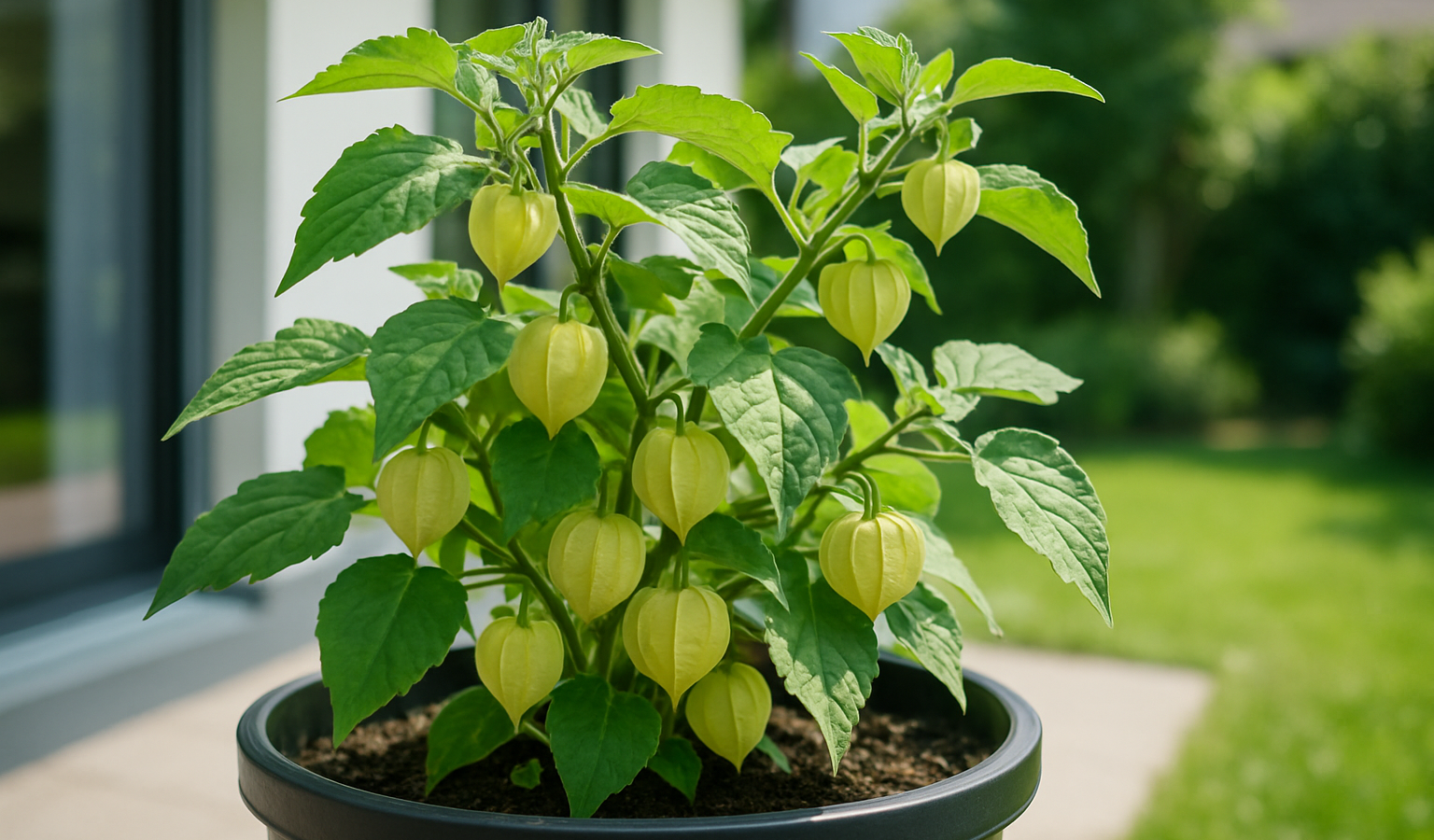
Husk cherries, also sold as ground cherries, are small golden fruits wrapped in a papery husk that looks exactly like a miniature tomatillo, because the two are close cousins. Inside the husk is a marble-sized fruit that tastes like a mix of pineapple, tomato, and vanilla, sweet enough to eat by the handful. They are one of the easiest unusual edibles a home gardener can grow: plant them like a tomato, give them room to sprawl, and then collect the ripe fruit off the ground rather than off the plant.
The plant (Physalis pruinosa) is a warm-season annual that grows low and wide rather than tall, more of a knee-high mounding sprawl than an upright bush. A single plant can cover three feet of ground and pump out hundreds of fruits over a long season. The catch most new growers do not expect: husk cherries drop their ripe fruit on the ground, and they self-seed enthusiastically, so one plant this year can mean volunteer seedlings scattered across the bed next spring.
If you can grow a tomato, you can grow husk cherries, and they need less staking, less pruning, and less babying. This guide covers starting them from seed, spacing the sprawling plants, the unusual harvest method, and how to keep their self-seeding from taking over.
Key Takeaways
- Husk cherries are warm-season annuals grown like tomatoes: start seed indoors 6-8 weeks before your last frost and transplant after the soil warms.
- The plants sprawl low and wide, not tall. Space them 24-36 inches apart and let them ramble or contain them in a cage or container.
- Harvest by collecting the husk-wrapped fruit that drops to the ground; a fallen, tan-husked fruit is ripe and sweet. Green fruit still on the plant is not ready.
- They self-seed aggressively. Expect volunteer seedlings next spring and pull or transplant them, or grow in containers to keep them contained.
What Are Husk Cherries?
Husk cherries belong to the nightshade family, alongside tomatoes, peppers, and tomatillos. The fruit forms inside a lantern-like papery husk (the botanical name for it is a calyx) that starts green and turns tan and dry as the fruit ripens. Peel back the husk and you find a smooth, round, golden-orange berry the size of a large blueberry or small cherry tomato. The flavor is distinctive: tropical and sweet-tart, with notes people describe as pineapple, mango, and tomato all at once.
Despite the tomatillo resemblance, husk cherries are sweeter and smaller, eaten fresh as fruit rather than cooked into salsa. They are wonderful raw, dropped into salads, baked into pies and jams, or simply dried like raisins. Because the husk protects the fruit, ripe ground cherries store remarkably well: left in their papery wrapper in a cool spot, they keep for weeks, sometimes a couple of months, which is unusual for a soft fruit.
Starting Husk Cherries From Seed
Husk cherries are almost always grown from seed, and they are slow to get going, so start them indoors. Sow seeds 6-8 weeks before your last expected frost date. Press the tiny seeds into a moist seed-starting mix about an eighth of an inch deep, no more. They germinate best with warmth: aim for soil around 70-80°F, ideally on a heat mat, and expect germination in one to two weeks. The seedlings start small and grow slowly at first, much like their tomatillo and pepper relatives.
Give the seedlings strong light from the moment they sprout, either a sunny south window or a grow light a couple of inches above the foliage. Leggy, stretched seedlings are weak seedlings. Once they have a couple of sets of true leaves, pot them up into larger cells or 3-4 inch pots so the roots have room. Like tomatoes, husk cherries can be planted deep at transplant time, burying part of the stem to encourage extra roots.
About a week before transplanting outdoors, harden the seedlings off by setting them outside in a sheltered, partly shaded spot for a few hours a day, gradually increasing sun and time over the week. This toughens them up so they do not stall or burn when they hit full sun and wind. Our guide to growing tomatillos covers nearly identical seed-starting steps if you want a side-by-side reference.
Transplanting and Spacing the Sprawling Plants
Wait until all danger of frost has passed and the soil has warmed to at least 60°F before transplanting. Husk cherries are tender and will sulk or die in cold soil, so there is no advantage to rushing them out early. In most of the US that means mid-to-late spring, often a week or two after you would set out tomatoes.
Choose a spot in full sun, at least six to eight hours of direct light, with well-drained soil. They are not fussy about fertility and actually fruit better in moderate rather than rich soil; too much nitrogen gives you a jungle of leaves and fewer fruits. Work in some compost, but skip heavy feeding.
Give them room to ramble
This is where new growers go wrong. Husk cherries do not grow upright like a staked tomato; they form a low, spreading mound that can reach two to three feet across and flop outward as the season goes on. Space plants 24-36 inches apart, and leave open ground around each one because the branches will sprawl across it and drop fruit there. If you crowd them, you lose fruit in the tangle and invite disease in the dense, damp interior.
You have three good options for managing the sprawl. You can simply let them ramble across open ground, which is the lowest-effort approach and makes the dropped-fruit harvest easy. You can corral each plant in a tomato cage to keep the mound more upright and the fruit cleaner. Or you can grow them in a large container or hanging basket, where the branches spill over the edge attractively and self-seeding is automatically contained.
Growing Season Care
Once established, husk cherries are low-maintenance. Water deeply and consistently while they are getting going and during fruit set, aiming for about an inch a week; uneven watering can cause flowers to drop. After they are well rooted and the season warms, they tolerate some drought, though steady moisture keeps fruit coming. A layer of mulch under the sprawling branches keeps the soil moist, suppresses weeds, and keeps the dropped fruit cleaner.
You do not need to prune or train them. They flower continuously, producing small, bell-shaped yellow blooms with dark centers that are largely self-pollinating, so even a single plant sets plenty of fruit. Pests are rarely a serious problem; the same crew that bothers tomatoes (flea beetles on young plants, the occasional hornworm, cucumber beetles) may show up, but mature plants shrug most of it off. Healthy plants outgrow minor damage.
One plant is genuinely productive. Two or three plants will bury a family in fruit, so do not overplant your first year. If you are short on space, a couple of plants in containers on a patio will keep you supplied, much like other compact, high-yield crops covered in our urban gardening hub.
Harvesting Husk Cherries
Here is the part that surprises everyone: you do not pick husk cherries off the plant. A ripe husk cherry falls to the ground on its own, husk and all, while still perfectly good to eat. The plant tells you the fruit is ready by dropping it. So instead of picking, you harvest by walking the bed and gathering the fallen, husk-wrapped fruits off the soil, which is why mulch underneath is so helpful for keeping them clean.
Judge ripeness by the husk: when it turns from green to a dry, papery tan or straw color, the fruit inside is sweet and golden. A fruit that is still green and firmly attached to the plant is not ready, and unripe ground cherries are not pleasant. If you find dropped fruit whose husk is still slightly green, let it sit on the counter in its husk for a few days to finish ripening. Plan to gather fruit every couple of days through the season, especially after warm spells, because the drop is continuous from midsummer until frost.
Stored in their husks in a single layer somewhere cool and dry, ripe husk cherries keep for several weeks. Do not husk them until you are ready to eat or cook them; the papery wrapper is what gives them their famous shelf life.
Managing Self-Seeding
Because husk cherries drop their fruit on the ground and each fruit is full of seeds, any fruit you miss becomes next year’s seedlings. In most gardens this means a flush of volunteer husk cherry seedlings popping up in the same bed the following spring, often more than you planted on purpose. This is great if you want a permanent, self-renewing patch and a nuisance if you wanted that bed for something else.
To keep them in check, gather fallen fruit diligently so fewer seeds hit the soil, and learn to recognize the seedlings so you can hoe or pull the volunteers early while they are small. If you actually want volunteers, simply thin them to proper spacing and let a few grow on; they often fruit earlier than a fresh indoor sowing. Growing in containers sidesteps the whole issue, since dropped fruit lands in the pot, not your garden beds. Treat husk cherries a bit like a friendly weed: easy, generous, and worth keeping an eye on.
Frequently Asked Questions
Are husk cherries and ground cherries the same thing?
Yes. Husk cherry and ground cherry are two common names for the same plant, Physalis pruinosa. The “ground” name comes from the way ripe fruit drops to the ground, and the “husk” name comes from the papery wrapper around each fruit. They are closely related to tomatillos but are smaller and much sweeter.
How do I know when a husk cherry is ripe?
Watch the husk, not the fruit. When the papery husk dries to a tan or straw color and the fruit drops off the plant onto the ground, it is ripe and sweet. Green fruit still firmly attached to the plant is not ready. If a dropped husk is still slightly green, let it finish ripening on the counter for a few days.
Why are my husk cherry plants all leaves and no fruit?
Usually too much nitrogen. Husk cherries fruit best in moderate soil; rich, heavily fertilized ground pushes lush foliage at the expense of flowers and fruit. Cut back on feeding, make sure they get full sun, and be patient, as they are slow to start and ramp up fruiting through midsummer.
How far apart should I space husk cherry plants?
Space them 24-36 inches apart. The plants sprawl into a low, wide mound up to three feet across rather than growing upright, so they need open ground around them. Crowding leads to lost fruit in the tangle and more disease in the damp interior. A tomato cage or large container can help contain the sprawl.
Will husk cherries come back every year?
The plant itself is a frost-tender annual and dies at the end of the season, but it self-seeds heavily. Any fruit left on the ground drops seeds that sprout the following spring, so a patch often renews itself with volunteer seedlings. Gather fallen fruit and pull unwanted volunteers if you want to keep them from spreading.