

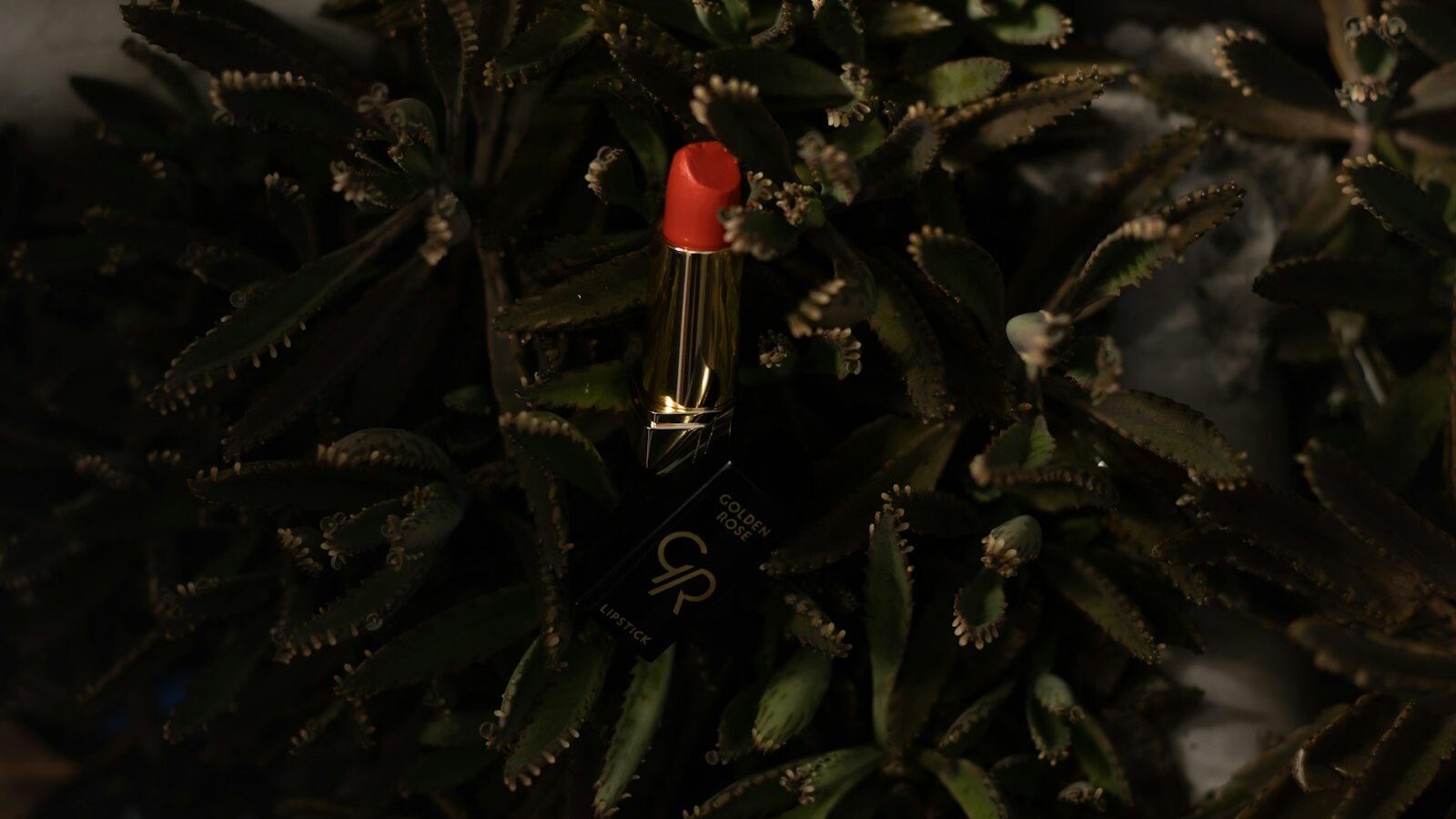
The lipstick plant (Aeschynanthus radicans, sometimes sold as A. lobbianus) earns its name from the slim dark calyx that splits open to push out a tube of waxy red flower, exactly like a lipstick rising from its case. It is a trailing epiphyte in the gesneriad family, the same group that gives us African violets and goldfish plants, and in the wild it clings to tree branches rather than rooting in soil. That single fact explains most of its care: it wants light and air around its roots, not a heavy wet pot. Get the light right and give it a brief cool rest in winter, and a healthy plant will reward you with flushes of bloom for years. Best of all, it is non-toxic to cats and dogs, so it can hang anywhere in the house without worry. Here is exactly how to keep one thriving.
Key Takeaways
- Give bright indirect light all year; gentle morning sun is fine and directly drives flowering.
- Water when the top inch of mix dries out, then water thoroughly and let it drain completely.
- Keep it warm at 65 to 80F and never let it sit below 50F.
- Aim for 50 percent humidity or higher; this is a tropical plant at heart.
- To set buds, give it a cool, drier rest at 60 to 65F for several weeks in winter.
- Propagate easily from 3 to 4 inch stem cuttings in spring or summer.
- The lipstick plant is non-toxic to cats and dogs, making it a safe hanging-basket choice.
Light: The Single Biggest Factor in Flowering
If your lipstick plant trails happily but refuses to bloom, light is almost always the reason. This plant needs bright indirect light to produce flowers, and a dim corner will give you trailing green vines and nothing more. Place it within a few feet of an east or west window, or set it back a bit from a south-facing one. A little gentle direct sun in the early morning is not just tolerated, it is beneficial and often the nudge that tips a stubborn plant into bloom.
What it cannot handle is harsh midday or afternoon sun through glass. Intense direct light scorches the leaves, leaving bleached or brown patches that never recover. The sweet spot is bright but filtered: enough light to read by comfortably all day, with no hot beam striking the foliage for hours. In a hanging basket near a bright window, the lower trailing stems often get less light than the crown, so rotate the basket a quarter turn every week or two to keep growth and flowering even all the way around. If your home is genuinely dark, a simple LED grow light overhead for ten to twelve hours a day will make the difference between a plant that survives and one that blooms.
Watering: Steady but Never Soggy
Water when the top inch of the mix has dried out. Push a finger into the soil; if it feels dry to the first knuckle, it is time, and if it still feels damp, wait a few more days. When you do water, water thoroughly until it runs freely from the drainage holes, then let the pot drain completely before it goes back in its hanger or cachepot. Lipstick plants store a little water in their thick, waxy leaves, so they tolerate a brief dry spell far better than constant wetness.
The fastest way to kill one is to leave it standing in water. As an epiphyte, its roots expect air, and a saturated pot drives out oxygen and triggers root rot within days. Empty any saucer or decorative pot promptly after watering. Expect to water roughly once a week in the bright warmth of summer and noticeably less in winter, especially during the cool rest period described below, when you should let the mix dry more between drinks. Room-temperature water is kinder than cold straight from the tap, which can shock the roots and cause leaf spotting.
Soil and Potting
Because the roots want air, never use a dense, water-retentive potting soil straight from the bag. Aim for a light, fast-draining, chunky mix. A reliable recipe is roughly two parts standard potting mix, one part orchid bark, and one part perlite. The bark creates the open pockets these epiphytic roots crave, and the perlite keeps everything draining freely. A pinch of horticultural charcoal helps keep the mix sweet over time.
Lipstick plants actually flower best when slightly root-bound, so resist the urge to over-pot. Only move up a size when roots are visibly circling the bottom or poking out the drainage holes, usually every two to three years, and choose a pot just one inch wider than the last. Always use a container with drainage holes. Repot in spring as growth resumes, and handle the brittle stems gently as they snap easily. After repotting, ease off on watering for a week or two while the roots settle, and hold any fertilizer until you see fresh growth.
Humidity and Temperature
This is a tropical plant, and it appreciates humidity of 50 percent or higher. In most homes the air is drier than that, particularly in winter when heating runs. You will see the difference in fuller, glossier foliage and fewer crispy leaf tips when you raise the moisture around it. The most effective method is a small humidifier nearby; grouping it with other plants helps, as does setting the pot above a pebble tray filled with water, as long as the pot itself never sits in the water. Misting offers only a fleeting boost and can encourage fungal spotting if leaves stay wet, so do not rely on it.
For temperature, keep it in the comfortable range of 65 to 80F for most of the year, which suits the average home nicely. The hard limit is 50F: below that, growth stalls and the plant suffers cold damage, and a chilly windowsill or a cold draft from an open door in winter can do real harm. Keep it well clear of air-conditioning vents and heating registers too, since blasts of hot or cold dry air stress the foliage and trigger leaf drop. Steady warmth with no sudden swings is exactly what it wants outside the deliberate winter rest.
How to Get It to Bloom
Two things drive flowering: enough light and a cool, drier rest in winter. The light requirement is covered above and is non-negotiable, but the rest period is the piece most people miss. In nature, a cooler dry season signals the plant to set buds. You can mimic that indoors by giving it several weeks at a cooler 60 to 65F in winter, with reduced watering so the mix stays on the dry side and no fertilizer at all. Keep the light bright throughout this rest, just cooler and drier than usual.
After this rest, return the plant to normal warmth and watering, and buds typically follow within a few weeks. Resume feeding then to fuel the flush: a high-phosphorus or balanced fertilizer at half strength every two weeks through the growing season supports both blooming and steady new growth. High-phosphorus formulas are sold for flowering plants and give an extra push toward buds, but a balanced feed at half strength works well too. Do not overfeed; a starved plant will not bloom, but an overfed one pours its energy into leaves at the expense of flowers. Mature, slightly root-bound plants bloom far more reliably than young or freshly repotted ones, so a little patience pays off.
Propagation From Stem Cuttings
Lipstick plants root readily from stem cuttings, and spring or summer is the ideal time when growth is active. Take a healthy 3 to 4 inch cutting from a non-flowering stem tip using clean, sharp scissors, cutting just below a leaf node. Strip the leaves from the lower inch or two so that one or two bare nodes will sit below the surface, since roots emerge from those nodes.
- Take a 3 to 4 inch tip cutting just below a node and remove the lowest leaves.
- Dip the cut end in rooting hormone if you have it; it speeds things along but is optional.
- Insert the cutting into a moist, gritty mix or a glass of water, keeping at least one node buried or submerged.
- Set it somewhere warm with bright indirect light and keep the medium lightly moist.
- Watch for roots in three to four weeks; a gentle tug that meets resistance confirms they have formed.
- Once rooted, pot several cuttings together in one container for a fuller, bushier plant from the start.
Planting three to five rooted cuttings in a single pot is the trick to a lush hanging basket rather than a sparse one. The same easy rooting that makes the lipstick plant a good beginner project shows up across many trailing houseplants; if you enjoy multiplying your collection this way, the approach in our guide to how to propagate a spider plant uses the same patient, node-focused method.
Pruning
Regular pruning keeps a lipstick plant full instead of leggy. Over time the stems can stretch and go bare near the crown, with all the leaves bunched at the trailing tips. Cut back the longest, sparsest stems by a third to a half, always snipping just above a leaf node. Each cut prompts the plant to branch from that point, so a thorough trim quickly thickens the whole plant.
The best time to prune hard is right after a flowering flush finishes, since the new growth you stimulate will mature in time to carry the next round of buds. Do not throw away the trimmings; they are perfect cutting material for propagation. A light pinch of the growing tips anytime through the season also encourages branching without a heavy cut. Just avoid major pruning during the winter rest, when the plant is conserving energy to set its buds.
Common Problems and Fixes
Leaf Drop
Sudden leaf drop almost always points to a temperature or watering shock. Cold drafts, a chilly window in winter, or a blast from a heating or cooling vent will make leaves fall, as will both extremes of moisture: a bone-dry pot or a waterlogged one. Move the plant away from drafts and vents, keep it steadily warm above 65F, and even out your watering so the mix is neither soaked nor parched. Some leaf loss right after a move or repotting is normal and the plant usually recovers once conditions stabilize.
No Flowers
The two usual culprits are too little light and a skipped winter rest. Move the plant somewhere brighter, ideally with a touch of gentle morning sun, and give it the cool 60 to 65F drier rest in winter to trigger buds. A very young plant, one recently repotted into a too-large pot, or one that is overfed and growing only leaves will also hold back. Patience plus correct light and a proper rest period fixes nearly every non-flowering case.
Yellowing Leaves
Yellow leaves most often signal overwatering and the early stages of root stress. Check that the pot drains freely and that you are letting the top inch dry before watering again. Yellowing can also follow exposure to harsh direct sun or, less commonly, a nutrient shortfall in a plant that has gone unfed for a long stretch. Correct the watering first, since that is the usual cause, then resume half-strength feeding during the growing season if the mix is simply exhausted.
Pests
Watch for aphids, mealybugs, and spider mites, which are the main pests on this plant. Mealybugs look like white cottony tufts in the leaf joints; spider mites announce themselves with fine webbing and stippled, dull leaves, and they thrive when the air is too dry. Wipe off light infestations with a cotton swab dipped in rubbing alcohol, or treat the whole plant with insecticidal soap or neem oil, repeating every week until the pests are gone. Keeping humidity up and inspecting new plants before they join the collection is the best prevention.
Is the Lipstick Plant Toxic to Pets
No, the lipstick plant is non-toxic to cats and dogs. This is one of its best features and a big reason it is such a popular hanging-basket plant in homes with curious animals. You can hang it where a cat might bat at the trailing stems without the worry that comes with many common houseplants. As always, it is still wise to discourage pets from chewing on any plant, since eating a lot of foliage can cause mild stomach upset in a sensitive animal even when the plant itself is not poisonous. If you are building a deliberately pet-safe collection, you will find more genuinely non-toxic, easy-care options gathered in our plants & flowers hub, alongside companions like the equally pet-friendly asparagus fern.
Frequently Asked Questions
Why won’t my lipstick plant bloom?
The two main reasons are insufficient light and a missing winter rest. Move it to bright indirect light with a little gentle morning sun, and give it several weeks at a cooler 60 to 65F with reduced watering in winter to trigger buds. Mature, slightly root-bound plants bloom most reliably.
How often should I water a lipstick plant?
Water when the top inch of mix has dried out, roughly once a week in summer and less in winter. Always water thoroughly and let the pot drain fully. Never let it stand in water, as soggy roots cause rot quickly in this epiphytic plant.
Is the lipstick plant safe for cats and dogs?
Yes. The lipstick plant is non-toxic to both cats and dogs, which makes it a great choice for a hanging basket in a home with pets. Still, discourage pets from chewing it, since large amounts of any foliage can cause mild stomach upset.
How do I propagate a lipstick plant?
Take a 3 to 4 inch tip cutting just below a leaf node in spring or summer, remove the lowest leaves, and root it in moist gritty mix or water. Roots usually form in three to four weeks. Pot several cuttings together for a fuller plant.
Why are the leaves on my lipstick plant falling off?
Leaf drop is usually a shock response to cold drafts, sudden temperature swings, or extreme watering, either too dry or too wet. Keep it steadily warm above 65F, away from vents and chilly windows, and even out your watering. Some drop after a move or repot is normal.
A lipstick plant is one of the more forgiving flowering houseplants once you understand what it is asking for: bright light, an airy pot that drains fast, steady warmth, and a short cool rest each winter to coax out those signature tubular blooms. Tend to those basics, prune to keep it full, and you will have a long-lived, pet-safe plant that rewards you with flush after flush of red flowers spilling from its trailing stems.