

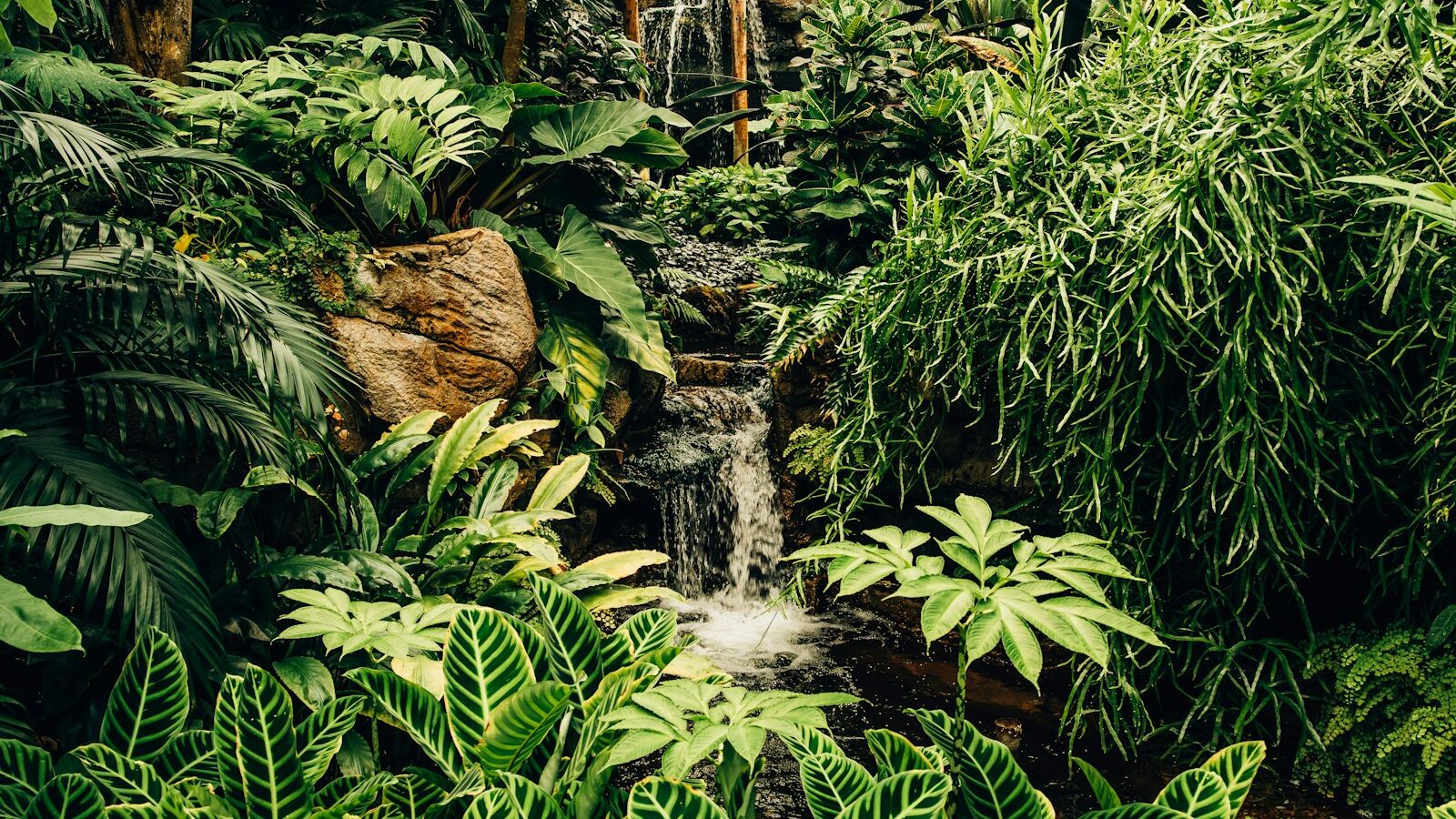
Singapore’s equatorial climate is a gift and a challenge in equal measure: year-round warmth, drenching humidity and twin monsoons mean plants either revel in it or sulk. The good news is that a huge range of tropical species absolutely thrive here, rewarding you with colour and lush foliage almost all year round. This guide rounds up 30 of the best plants for Singapore gardens, balconies and HDB corridors, with quick care notes on sun, water and how to use each one.
Key takeaways
- Match the plant to the spot: full-sun bloomers like bougainvillea and ixora will languish in deep shade, while calatheas and ferns scorch in direct afternoon sun.
- Singapore’s humidity favours tropicals, but good drainage matters more than frequent watering, especially during the monsoon months.
- Native and naturalised species (such as Singapore rhododendron and many ferns) are NParks-friendly, low-fuss and support local biodiversity.
- Group plants by water and light needs so a single watering routine keeps everyone happy.
- For balconies and corridors, choose compact, container-friendly picks; for landed gardens, use hedges and screening plants for privacy and shade.
Flowering plants for colour and sun
These sun-lovers bring relentless tropical colour and shrug off the heat. Most flower best with at least 5-6 hours of direct sun, making them ideal for open gardens, rooftops and bright balconies.
Bougainvillea (Bougainvillea spp.)
A Singapore streetscape staple, bougainvillea blazes with paper-like bracts in magenta, orange and white. Give it full sun and let the soil dry slightly between waterings, as it actually flowers more profusely when kept a touch lean and dry. Grows 1-4m and is superb trained over fences, arches or as a sculpted hedge.
Hibiscus (Hibiscus rosa-sinensis)
The classic tropical shrub, with dinner-plate blooms in reds, pinks and yellows that open daily. Plant in full sun, water regularly and feed monthly for continuous flowering. Reaches 1-3m and works as a specimen shrub or informal flowering hedge.
Ixora (Ixora coccinea)
Dense clusters of small star-shaped flowers in red, orange or pink, beloved by butterflies. Thrives in full to partial sun with consistent moisture and slightly acidic soil. Dwarf varieties stay around 0.5-1m, making it a tidy low hedge or border plant.
Frangipani (Plumeria spp.)
Few plants say “tropics” like the fragrant, waxy blooms of frangipani. It loves full sun and tolerates dry spells well, so let it drain freely and avoid waterlogging during the monsoon. A small tree of 3-6m, it gives sculptural branches and shade in landed gardens.
Heliconia (Heliconia spp.)
Bold, exotic bracts resembling lobster claws or parrot beaks on tall, banana-like clumps. Heliconia enjoys full sun to light shade with plenty of water and rich, well-drained soil. Ranges from 1-4m and makes a dramatic feature or lush screen.
Canna lily (Canna indica)
Striking paddle-shaped leaves topped with vivid red, orange or yellow flowers. Cannas love full sun and moist soil, and they tolerate the occasional waterlogged patch better than most. Growing 0.8-1.5m, they suit pond edges, borders and large containers.
Yellow bells (Tecoma stans)
Cheerful clusters of trumpet-shaped golden flowers that bloom almost continuously in the heat. Plant in full sun with moderate, regular watering and free-draining soil. A fast-growing shrub of 2-4m, ideal as a flowering screen or backdrop.
Singapore rhododendron (Melastoma malabathricum)
A hardy native shrub with pretty mauve-purple flowers and edible berries, well suited to NParks-style naturalistic planting. It copes with full sun to partial shade and is unfussy about water once established. Grows 1-3m and is excellent for low-maintenance, biodiversity-friendly gardens.
Pagoda flower (Clerodendrum paniculatum)
Tiered, pyramid-shaped clusters of orange-red flowers that attract butterflies and sunbirds. Prefers partial sun to light shade with consistently moist soil. At 1-2m it fits mid-border positions and shadier garden corners.
Foliage plants for texture and shade
When flowers fade, foliage carries the garden. These leafy picks deliver year-round colour, pattern and structure, and many prefer the dappled light found beneath trees, on sheltered balconies or along covered corridors.
Cordyline (Cordyline fruticosa)
Upright, sword-like leaves in burgundy, pink and green that add instant tropical drama. Cordyline takes partial sun to bright shade and prefers steady moisture without sitting wet. Growing 1-2m, it is a reliable container plant and colourful border accent.
Dracaena (Dracaena spp.)
Tough, architectural foliage plants ranging from slim canes to broad striped leaves. They tolerate shade and irregular watering, making them forgiving choices for busy households and dim corners. Sizes vary from 0.5-3m, suiting both indoor pots and outdoor screening.
Calathea (Calathea spp.)
Prized for intricately patterned leaves that fold up at night, calatheas adore Singapore’s humidity. Keep them out of direct sun, in bright shade with consistently moist soil. Compact at 0.3-0.8m, they are perfect for shaded patios, bathrooms and balcony corners.
Ferns (Nephrolepis, Asplenium and others)
From bird’s nest to fishtail ferns, these revel in our humidity and shade. Give them filtered light and steady moisture, never letting them dry out completely. Heights vary widely; use them as lush groundcover, hanging baskets or wall greenery in shaded spots.
Caladium (Caladium bicolor)
Heart-shaped leaves splashed in pink, white and green bring a painterly look to shady beds. Caladiums like partial to deep shade, warmth and consistently moist, rich soil. At 0.3-0.6m they brighten the understorey beneath trees and shrubs.
Croton (Codiaeum variegatum)
Leathery leaves in fiery reds, oranges and yellows that intensify with more sun. Plant in full to partial sun and water regularly to keep the colour vivid. Grows 0.5-2m and makes a bold hedge or container feature.
Philodendron (Philodendron spp.)
Glossy, sculptural leaves on climbing or self-heading plants that suit our humid air beautifully. They prefer bright shade to filtered light and even moisture. Use compact types in pots and climbers up a moss pole or shaded wall.
Spider lily (Hymenocallis littoralis)
Strappy green foliage with spidery, fragrant white flowers, common in local parks and verges. It handles full sun to partial shade and tolerates both wet and dry spells once established. At 0.5-1m it works as a hardy mass planting or border edge.
Hedges, screening and groundcovers
For privacy, structure and softening hard edges, these plants do the heavy lifting. Hedges and screens block neighbours and afternoon glare, while groundcovers suppress weeds and keep soil cool and moist.
Ficus (Ficus microcarpa)
A classic dense hedging plant that clips neatly into formal screens and green walls. It thrives in full sun to partial shade and tolerates regular trimming and our humidity with ease. Kept as a hedge it sits at 1-3m, though it can grow into a large tree if left unchecked.
Podocarpus (Podocarpus macrophyllus)
A refined, fine-needled evergreen that makes an elegant, slow-growing privacy screen. It enjoys full sun to partial shade and steady, moderate watering with good drainage. Easily maintained at 1.5-3m, it suits tidy, contemporary garden designs.
Golden penda (Xanthostemon chrysanthus)
A small tree with glossy leaves and showy golden pompom flowers that pollinators love. It prefers full sun and regular watering while establishing. At 3-6m it serves as a flowering screen or focal point in landed gardens.
Peanut grass (Arachis pintoi)
A tough, low groundcover with small yellow flowers, widely used in Singapore landscaping. It takes full sun to partial shade, needs little watering once established and smothers weeds. Staying under 15cm, it is ideal beneath shrubs and along verges.
Wandering jew (Tradescantia spathacea)
Also called oyster plant, it forms neat rosettes with purple undersides for instant colour at ground level. It copes with full sun to shade and is remarkably drought tolerant once settled. Around 0.2-0.4m, it makes a no-fuss mass groundcover.
Mondo grass (Ophiopogon japonicus)
Fine, grass-like clumps that create a soft green carpet in shadier spots. It prefers partial to full shade with consistent moisture and good drainage. At 0.1-0.3m it edges paths and borders neatly with minimal upkeep.
Sword fern as groundcover (Nephrolepis biserrata)
A vigorous native fern that quickly blankets shaded, moist ground. It thrives in partial to deep shade with regular watering and is wonderfully low maintenance. Reaching 0.5-1m, it is a lush, NParks-friendly understorey filler.
Edibles, herbs and shade-friendly picks
Tropical edibles and herbs let you harvest fresh flavour from even a small balcony, while a final group of shade-lovers handles those dim corridors and north-facing corners that defeat most plants.
Pandan (Pandanus amaryllifolius)
The fragrant backbone of local kitchens, pandan thrives in our climate with almost no effort. Give it partial sun to bright shade and keep the soil moist. At 0.5-1m it grows happily in pots, ready for kaya, rice and desserts.
Curry leaf (Murraya koenigii)
An essential aromatic for South Indian cooking, easily grown as a small shrub or tree. It prefers full to partial sun with regular watering and good drainage. Kept at 1-2m in a pot, it offers fresh leaves whenever you need them.
Laksa leaf (Persicaria odorata)
Also known as Vietnamese mint or daun kesum, this fast-growing herb loves heat and moisture. Plant in partial sun with consistently damp soil, even near a tap or pond edge. Low and spreading at 0.3-0.5m, it is perfect for container herb gardens.
Chilli (Capsicum annuum)
Compact and productive, chilli plants relish full sun and warmth. Water regularly and feed every few weeks for a steady supply of fruit. At 0.4-1m they are ideal for sunny balconies and pots.
Sweet potato (Ipomoea batatas)
Grown as much for its edible leaves as its tubers, the vine doubles as a fast, attractive groundcover. It loves full sun and regular water but tolerates a fair amount of neglect. Sprawling and low, it greens up beds and large troughs quickly.
Peace lily (Spathiphyllum wallisii)
One of the best plants for genuinely shady, indoor-style spots, with glossy leaves and white spathes. It prefers bright shade to low light and consistently moist soil. At 0.3-0.7m it is a reliable choice for sheltered corridors and bathrooms.
Snake plant (Dracaena trifasciata)
Nearly indestructible, with stiff upright leaves that tolerate deep shade and forgetful watering. Let the soil dry out between waterings to avoid rot. Growing 0.4-1m, it is the ultimate low-effort plant for dim balconies and indoor corners.
Want a pro to design or plant your Singapore garden?
Get matched with vetted local landscaping & planting pros island-wide. Free, no obligation.
Once your plants are in, keeping them lush takes a little ongoing attention. Our garden maintenance service handles trimming, feeding and pest control, while the planting service can set everything up correctly from day one. For self-help tips, browse the plant care guide, or see all Singapore services to find the right help for your space.
Frequently asked questions
What are the easiest plants to grow in Singapore for beginners?
Snake plant, dracaena, cordyline and bougainvillea are among the most forgiving. They tolerate our heat and humidity, recover well from missed waterings and need little specialist care once established.
Which plants suit a shady HDB corridor or north-facing balcony?
Choose shade-lovers such as calathea, peace lily, ferns, philodendron and snake plant. These prefer bright or filtered shade over direct sun and stay compact enough for containers.
How often should I water plants in Singapore’s climate?
Most container plants need watering once daily, or twice during very hot, dry spells. During the monsoon, cut back to avoid waterlogging, and always ensure pots drain freely to prevent root rot.
Are these plants NParks-friendly and safe to plant?
Many, including the Singapore rhododendron, spider lily and native ferns, are well suited to local conditions and support biodiversity. For verges, common property or shared spaces, check NParks guidelines first, as some areas have specific planting rules.
Which flowering plants give the most colour in full sun?
Bougainvillea, hibiscus, ixora and yellow bells are the top performers for non-stop colour in full sun. They flower more heavily the more light they receive, so reserve your brightest spots for them.