

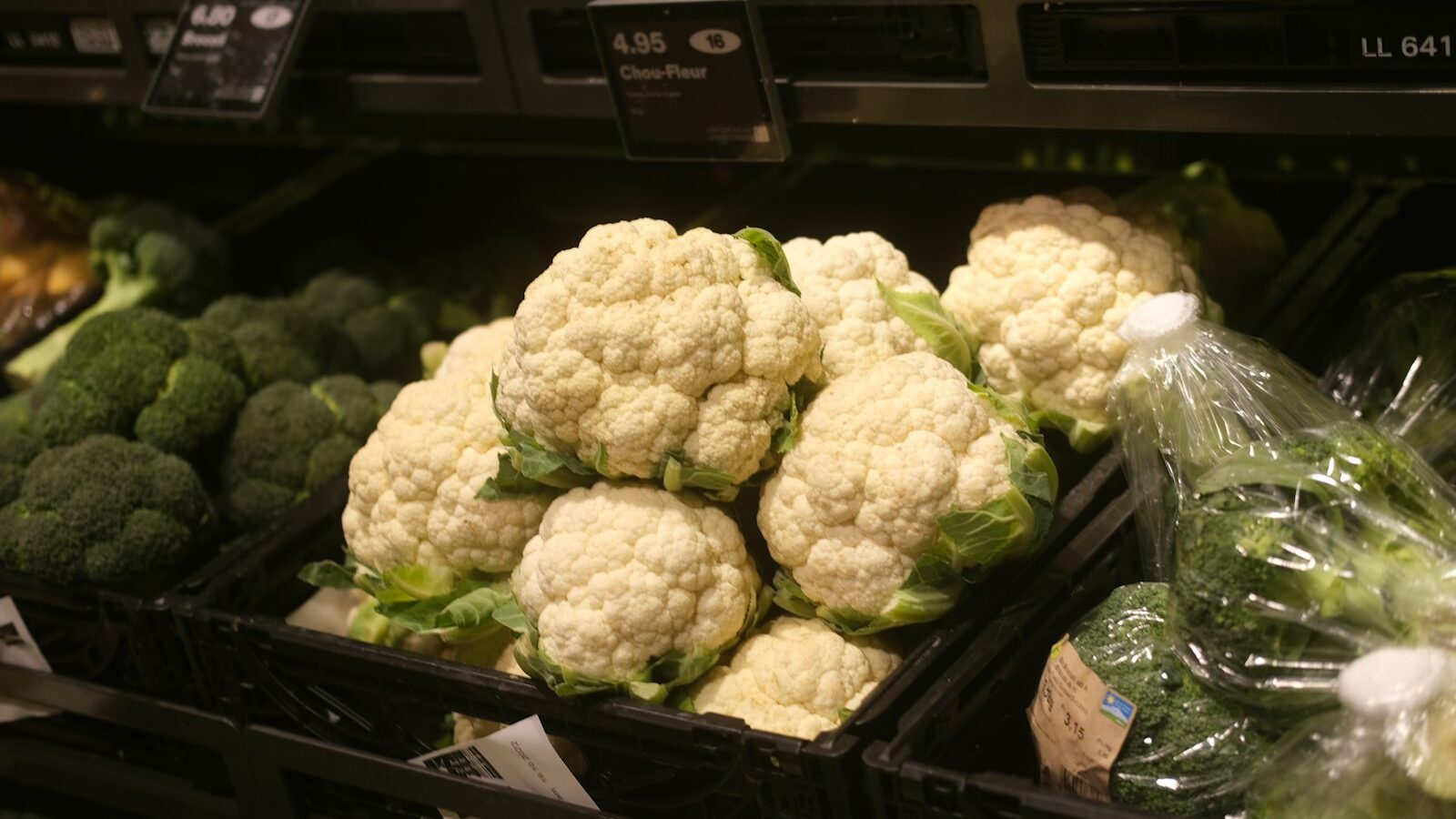
Broccoli and cauliflower are the same species—Brassica oleracea—bred into two very different vegetables, and in the garden they ask for almost the same conditions: cool weather, rich soil, steady moisture, and consistent care. But they are not equally forgiving. Broccoli is the more beginner-friendly of the two, tolerant of imperfect timing and generous enough to keep producing side shoots after the main head is cut. Cauliflower is fussier: it bolts or “buttons” at the first sign of stress, the white types often need blanching, and you usually get one head per plant and that’s it. If you’ve ever grown a perfect head of broccoli and then watched your cauliflower fall apart, the difference in temperament is exactly why. Here’s how each one grows and which is the smarter pick for your garden.
Key Takeaways
- Same species: Both are cultivars of Brassica oleracea, but broccoli is far more forgiving to grow.
- Broccoli produces a main head plus weeks of edible side shoots; most cauliflower gives one head and is done.
- Both are cool-season crops that need rich soil, even moisture, and 60–100 days; heat and stress make them bolt or “button.”
- Cauliflower (white types) usually needs blanching—tying leaves over the curd to keep it white.
- For beginners, grow broccoli first; tackle cauliflower once you’ve mastered timing and feeding.
| Trait | Broccoli | Cauliflower |
|---|---|---|
| Difficulty | Easy to moderate | Moderate to hard |
| Days to maturity | 60–90 | 70–100 |
| Harvest | Main head + side shoots | One head per plant |
| Blanching needed | No | Yes (white types) |
| Heat tolerance | Moderate | Low—bolts easily |
| Spacing | 18 in apart | 18–24 in apart |
| Best season | Spring & fall | Fall (most reliable) |
Broccoli: The Forgiving Brassica
Broccoli forms a central head of tightly packed flower buds on a thick stalk. The huge advantage for gardeners is what happens after you cut that head: most varieties respond by pushing out a flush of smaller side shoots from the leaf axils, and those keep coming for several more weeks. One plant can yield the main head plus a pound or more of side shoots, which makes broccoli one of the highest-value cool-season crops you can grow.
Growing broccoli
Treat broccoli as a cool-season crop for spring and fall. Start seed indoors 6 to 8 weeks before the last spring frost, or about 85 to 100 days before the first fall frost for a fall crop—and fall crops are usually superior because the plants mature into cooling weather instead of fighting summer heat. Transplant into rich, well-amended soil at a pH of 6.0 to 7.0, spacing plants about 18 inches apart. Broccoli is a heavy feeder: work in compost before planting and side-dress with nitrogen a few weeks after transplanting. Keep moisture even—1 to 1.5 inches of water a week—because drought stress triggers premature bolting and small, loose heads.
Harvest the main head while the buds are still tight and green, before any yellow petals show; cut the stalk 5 to 6 inches below the head at an angle so water sheds off the stub. Then leave the plant in place and keep feeding and watering—the side shoots that follow are the reward. Watch for the usual brassica pests: cabbage worms and loopers (handpick or use Bacillus thuringiensis), aphids, and flea beetles. A floating row cover from transplant day onward is the single most effective defense and also buffers temperature swings.
Cauliflower: The Demanding Cousin
Cauliflower forms a single dense “curd” of undeveloped flower tissue and, in most varieties, that’s the entire harvest—cut it and the plant is finished. It is markedly less tolerant of stress than broccoli. Any check to steady growth—a cold snap, a hot spell, drought, transplant shock, or a nutrient shortage—can cause the plant to “button” (form a tiny premature curd) or bolt without ever making a usable head. This intolerance is what earns cauliflower its reputation as a challenging crop.
Growing cauliflower
The cultural basics mirror broccoli: rich soil, pH 6.0–7.0, full sun, heavy feeding, and even moisture, with plants spaced 18 to 24 inches apart. The differences are in the margins, and the margins are everything. Cauliflower has a narrower temperature window, ideally maturing around 60–65°F, so a fall crop in cool, stable weather is far more reliable than a spring crop racing summer heat. Maintain absolutely consistent watering and feeding—any interruption shows up as a deformed or undersized curd. Boron and molybdenum deficiencies are more common in cauliflower than broccoli and cause hollow or browning curds, so a balanced soil and some compost help.
White cauliflower also needs blanching: once the curd reaches about 2 to 3 inches across, gather the plant’s outer leaves up over the head and tie or clip them in place to block sunlight. This keeps the curd white, tender, and mild instead of yellow, loose, and ricey. Check under the wrap every few days and harvest when the head is full and firm, usually 7 to 12 days after tying. Self-blanching varieties curl their own leaves over the curd, and orange, purple, and green (Romanesco) types don’t need blanching at all—they’re a smart shortcut for new growers. Harvest is one and done; cut the head with a few wrapper leaves attached and pull the plant.
In the Kitchen and the Garden Calendar
Flavor-wise, broccoli is grassier and more assertive; cauliflower is mild, nutty, and a blank canvas that roasts, purées, and “rices” beautifully. Nutritionally both are excellent crucifers, with broccoli edging ahead on vitamin C and fiber. In the garden calendar, both occupy a bed for roughly two to three months, but broccoli’s side-shoot production means it stays productive longer, while cauliflower frees its bed sooner since it’s pulled after a single cut. If bed turnover and continuous harvest matter to you, broccoli wins; if you want one big, uniform head for a specific dish, cauliflower delivers.
Common Problems and How to Fix Them
Most failures with both crops trace back to two things: timing and stress. Plant too late for a spring crop and the heads form just as summer heat hits, which makes broccoli bolt into yellow flowers and cauliflower button into useless golf-ball curds. The fix is to lean on fall plantings, when the plants size up into cooling rather than warming weather. Count back from your first fall frost using the variety’s days-to-maturity, add a couple of weeks of buffer, and start seed accordingly. For spring crops, get transplants in early under a row cover so they mature before the heat.
Loose, “ricey,” or open broccoli and cauliflower heads usually mean the plant got too warm or grew unevenly. Keep water steady—fluctuating moisture is a frequent culprit—and don’t let plants sit dry then flood them. Purpling on broccoli leaves often signals a phosphorus shortage worsened by cold soil, while browning or hollow cauliflower curds point to boron deficiency; a soil rich in organic matter and a balanced approach to feeding prevents most of it. If cabbage worms are chewing holes, inspect the undersides of leaves for the green caterpillars and the white cabbage-moth fluttering around—floating row cover from transplant day is the cleanest prevention, and Bacillus thuringiensis handles any that slip through without harming pollinators.
Clubroot, a soilborne disease that swells and distorts brassica roots, is the long-game threat. It builds up where you grow the same family repeatedly, so rotate broccoli, cauliflower, cabbage, kale, and their cousins out of a bed for at least three years before returning. Keeping soil pH closer to 7.0 also suppresses clubroot. Finally, both crops are heavy feeders that resent transplant shock, so harden seedlings off gradually over a week before planting out, and water them in well to keep growth uninterrupted from day one.
The Verdict: Which Should You Grow?
Grow broccoli if you’re newer to brassicas, want the highest return for the space, or live somewhere with unpredictable weather. Its forgiving nature and weeks of side shoots make it the better first crop and the better value, especially planted as a fall crop.
Grow cauliflower if you can give it stable cool conditions—ideally a fall planting—and you’re willing to feed, water, and blanch on schedule. Start with self-blanching or colored types (orange, purple, or Romanesco) to skip the tying step and lower the difficulty.
Grow both if you want a full cool-season brassica bed; just give cauliflower the most sheltered, consistently moist spot and time it for fall. Whatever you grow, protect both with a row cover from day one and keep the soil rich and evenly damp. For more cool-weather crops, see our vegetable and plant guides, and if you’re choosing between leafy greens for the same bed, our comparison of collards vs mustard greens is a good next read.
Frequently Asked Questions
Is broccoli or cauliflower easier to grow?
Broccoli, clearly. It tolerates imperfect timing, produces side shoots after the main head, and doesn’t need blanching. Cauliflower is sensitive to temperature and stress and usually gives only one head.
Why did my cauliflower form a tiny head?
That’s called “buttoning,” and it’s caused by stress—cold snaps, heat, drought, transplant shock, or poor nutrition that interrupts steady growth. Keep conditions cool, evenly moist, and well-fed to prevent it.
Do I have to blanch cauliflower?
Only white varieties, to keep the curd white and mild. Tie the outer leaves over the head once it’s 2–3 inches across. Self-blanching, orange, purple, and Romanesco types don’t need it.
Can I grow them in spring or fall?
Both work for broccoli, but fall is more reliable for both crops because the plants mature into cooling weather. Cauliflower especially struggles in spring when summer heat arrives during head formation.
Will broccoli regrow after I cut the head?
Yes. After you harvest the central head, most broccoli varieties push out smaller side shoots from the leaf axils for several more weeks. Keep watering and feeding to maximize that second harvest.