

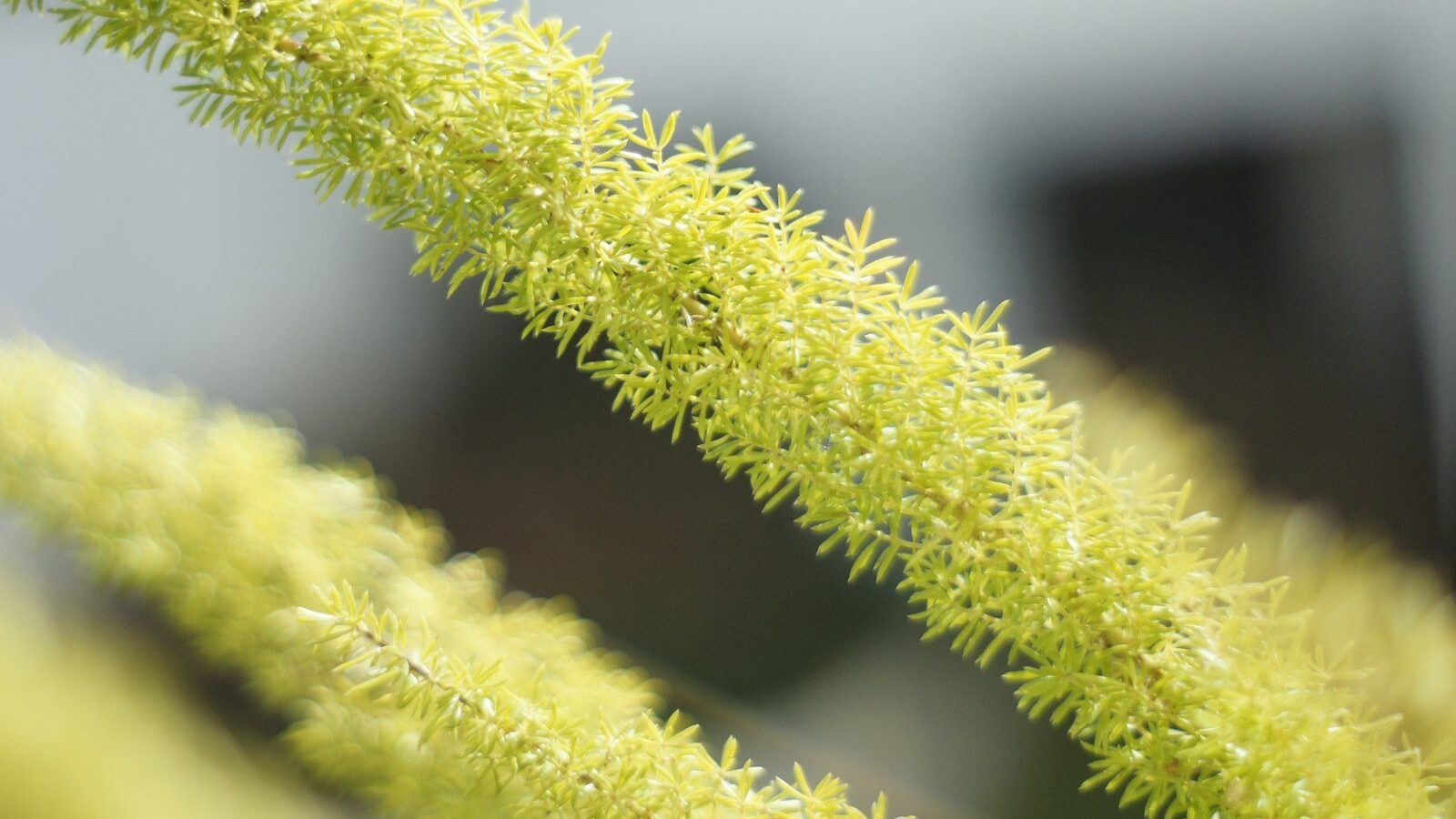
Asparagus fern care comes down to three things: bright indirect light, evenly moist (never soggy) soil, and humidity that keeps the feathery foliage from crisping. Get those right and this plant is one of the most forgiving, fast-growing things you can keep indoors. The catch most people miss is that an asparagus fern is not actually a fern at all. It is Asparagus setaceus or Asparagus densiflorus ‘Sprengeri’, a member of the lily family and a relative of edible asparagus. That matters because it grows from fleshy tuberous roots, it reproduces by seed and division rather than spores, and it can develop sharp thorns and toxic berries that catch unprepared owners off guard. This guide walks through everything that keeps the plant lush and what to do when it starts dropping needles all over your floor.
Key Takeaways
- Give bright, indirect light; direct midday sun scorches the foliage and deep shade makes growth thin and leggy.
- Water when the top 1-2 inches of soil feel dry, keeping the rootball evenly moist but never waterlogged.
- Maintain humidity above 50% and temperatures of 65-75F; dry indoor air is the number one cause of needle drop.
- Feed with a balanced liquid fertilizer at half strength once a month during spring and summer.
- Propagate easily by dividing the tuberous root mass; seed is slower but works from the ripe red berries.
- The berries are toxic to cats and dogs, and the stems can grow small thorns, so wear gloves when pruning.
Light
Asparagus fern wants bright, indirect light. An east-facing window where it catches gentle morning sun, or a spot a few feet back from a south or west window, is close to ideal. In that kind of light the foliage stays a deep, saturated green and grows in full, arching plumes. Too little light is the more common mistake indoors. In a dim corner the plant survives but stretches, the stems space out, and the soft needle-like cladodes thin out until the whole thing looks sparse and reaching. If yours is leggy, move it brighter before you do anything else.
At the other extreme, harsh direct sun is a problem. A few hours of unfiltered afternoon light through glass will bleach the foliage to a pale yellow-green and then scorch it brown at the tips. Outdoors in USDA zones 9-11, asparagus fern thrives in partial shade or dappled light under a tree or porch; full all-day sun in a hot climate will fry it. If you summer the plant outside, acclimate it gradually over a week or two so it does not sunburn after life indoors. Rotate the pot a quarter turn every week or so to keep growth even on all sides rather than leaning toward the light.
Watering
Water when the top 1-2 inches of soil feel dry to the touch, then water thoroughly until it runs from the drainage holes and empty the saucer. The goal is evenly moist soil through the growing season, not bone dry and not standing in water. Those fleshy tuberous roots store moisture, which makes the plant reasonably drought-tolerant in a pinch, but consistent neglect shows up fast as yellowing and dropped needles. In spring and summer that often means watering once or twice a week depending on your pot size, light, and indoor heat. Back off noticeably in fall and winter when growth slows; let the surface dry a little more between waterings, but never let the rootball desiccate completely.
Overwatering is the real killer. Because the tubers hold water, a pot that stays saturated will rot the roots from the inside, and by the time the top growth collapses the damage is done. Always use a container with drainage holes, and if your tap water is heavily chlorinated or softened, let it sit out overnight or use filtered water to avoid salt buildup that browns the tips. If the plant is badly pot-bound and dries out within a day of every watering, that is a signal it needs a bigger pot or division rather than constant rewatering.
Soil and Potting
Use a well-draining, peat-based or coir-based potting mix that holds moisture without staying soggy. A standard quality houseplant potting soil works well, and you can improve drainage by blending in a couple of handfuls of perlite or coarse sand. Asparagus fern is not fussy about pH but prefers slightly acidic to neutral soil. What it really cares about is that water moves through the mix freely; a dense, compacted soil that stays wet is asking for root rot.
This plant is a vigorous grower and fills a pot with dense tuberous roots faster than most houseplants. Expect to repot every one to two years, ideally in spring. The classic sign it is ready is roots and white tubers pushing up against the soil surface or out the drainage holes, or the soil drying out almost immediately after watering. When you repot, go up just one pot size, an inch or two wider in diameter. A pot that is too large holds excess wet soil around the roots and invites rot. Repotting is also the natural moment to divide an overgrown plant, which I cover under propagation below.
Feed during the active growing season with a balanced liquid houseplant fertilizer diluted to half strength, applied about once a month from spring through summer. Asparagus fern responds well to regular feeding with fuller, greener growth, but it is sensitive to fertilizer salts, so half strength is safer than full. Stop feeding entirely in late fall and winter while growth is dormant. If you see a crusty white deposit on the soil or pot rim, flush the pot with plain water to leach out accumulated salts.
Humidity and Temperature
Humidity is where asparagus fern shows its tropical roots, and dry indoor air is the single most common reason the foliage browns and sheds. Aim for relative humidity above 50%. In a typical heated or air-conditioned home, especially in winter, ambient humidity can drop to 20-30%, which the plant hates. The most reliable fix is a small room humidifier nearby. Grouping it with other plants helps, and setting the pot on a tray of pebbles with water below the pot base raises local humidity a little. Misting feels productive but does very little for sustained humidity, so do not rely on it as your only strategy.
Temperature-wise, keep it in the comfortable 65-75F range that suits most homes. Asparagus fern tolerates a bit cooler at night but is damaged below about 50F and is not frost-hardy, so it can only live outdoors year-round in USDA zones 9-11. Everywhere else, treat it as a houseplant or summer container plant and bring it in before the first cold snap. Keep it away from cold drafts, heating vents, and radiators, all of which dry and stress the foliage. A bathroom with a window, a kitchen, or any naturally humid room is a great spot for it.
Propagation
Asparagus fern propagates two reliable ways: by division and from seed. Division is by far the easier and faster method, and because the plant is not a true fern, stem cuttings do not root, so do not waste time on those. Division gives you established plants immediately, while seed is a slower project for the patient.
To divide, follow these steps:
- Water the plant a day ahead so the rootball is moist and easier to work with, then slide it out of its pot.
- Brush away loose soil so you can see the tuberous root mass and the natural clumps of stems.
- Pull the rootball apart into two or three sections by hand, or cut through the dense tubers with a clean, sharp knife. Each division needs both healthy roots and several stems.
- Pot each section into fresh well-draining mix at the same depth it grew before, in a pot just large enough for the roots.
- Water in well and keep the new divisions in bright indirect light and slightly higher humidity for a few weeks while they settle. Some temporary yellowing is normal as they recover.
To grow from seed, let the small berries ripen to bright red on the plant, then collect them and squeeze out the seeds inside. Clean off the pulp, soak the seeds in warm water overnight to soften the coat, and sow them just below the surface of moist seed-starting mix. Keep the tray warm, around 70-75F, and consistently moist, ideally covered to hold humidity. Germination is uneven and can take three to four weeks or longer, and seedlings grow slowly at first, so this route rewards patience. The same propagation logic of dividing dense root clumps applies to many easy houseplants, including the step-by-step approach to propagating a spider plant if you want to practice on something even more forgiving.
Pruning and Grooming
Asparagus fern takes well to pruning and actually looks better for it. Trim out any yellow, brown, or dead stems at the base to keep the plant tidy and channel energy into healthy growth. If a section gets leggy or sparse, you can cut those stems back hard and the plant will push fresh, fuller growth from the base. Do your main shaping in spring at the start of the growing season so the plant has time to fill back in. Always wear gloves: mature stems develop small, sharp thorns or spurs that scratch, and the plant produces a fine litter of dropped needles when handled.
For light grooming, just pinch or snip back overlong runners to keep a rounded, bushy shape, and clear shed needles from the pot surface and surrounding area so they do not mat down and hold moisture against the crown. If your plant is outgrowing its space faster than you want, regular hard pruning plus an occasional division keeps it manageable for years without losing its full, feathery character.
Common Problems and Fixes
Most asparagus fern troubles trace back to light, water, or humidity. Here is how to read the symptoms and fix them.
Yellowing and Needle Drop
A carpet of dropped needles under the plant is the classic asparagus fern complaint. The usual culprits are too little light, inconsistent watering, or low humidity, often a combination. Start by moving it to brighter indirect light and getting on a steady watering rhythm so the soil never swings from soggy to bone dry. Then raise humidity with a humidifier or pebble tray. Some yellowing also happens naturally as old stems age out, so a little shedding is normal; wholesale browning and dropping is the warning sign. Check that the plant is not sitting in a hot, dry draft from a vent.
Browning Foliage
Brown, crispy tips and stems almost always mean the air is too dry, the plant is underwatered, or it is getting scorched by direct sun. Move it out of harsh direct light, bump up humidity, and check that you are watering before the rootball fully dries. Brown patches can also come from fertilizer or water-salt buildup, so flush the pot with plain water if you have been feeding heavily or using hard tap water. Trim off the browned growth at the base once you have corrected the cause.
Pests
The dense foliage can hide spider mites, mealybugs, aphids, and scale, especially on plants kept in dry air. Spider mites show as fine webbing and stippled, faded foliage; mealybugs look like white cottony tufts in the stem junctions; scale appears as small brown bumps. Treat by rinsing the plant in the shower or sink, then applying insecticidal soap or a horticultural oil, repeating every week or so until the infestation clears. Isolate an affected plant from your others, and remember that good humidity discourages spider mites in the first place. If you keep other delicate foliage plants like a bird’s nest fern, check them too, since pests spread between neighbors.
Thorns
Those little spines along the stems are not a disease, they are normal. As asparagus fern matures, especially Asparagus setaceus, the stems can develop small thorns or spurs that catch skin and snag clothing. There is nothing to fix here, just handle the plant with gloves when pruning or repotting, and site it away from high-traffic spots and reaching toddlers. If a particular cane is especially thorny and in the way, prune it out at the base.
Is Asparagus Fern Toxic to Pets
Yes, asparagus fern is toxic to cats and dogs, so keep it out of reach if you have curious pets. The bright red berries it produces are the main concern; if eaten they can cause vomiting, diarrhea, and abdominal pain. Repeated contact with the sap and foliage can also cause skin irritation or an allergic rash in some people, which is another reason to glove up when handling it. None of this makes the plant impossible to keep with animals in the house, but place it on a high shelf or in a room your pets cannot access, and clean up any dropped berries promptly. If you suspect a pet has eaten part of the plant, call your veterinarian. For more pet-safe and pet-aware houseplant choices, browse the rest of our plants & flowers guides.
Frequently Asked Questions
Why is my asparagus fern turning yellow and dropping needles?
This is almost always a sign of stress from low light, inconsistent watering, or dry air. Move it to bright indirect light, water steadily when the top 1-2 inches dry out, and raise humidity above 50% with a humidifier or pebble tray. A little shedding of old stems is normal, but heavy browning and dropping means a care issue to correct.
How often should I water an asparagus fern?
Water when the top 1-2 inches of soil feel dry, keeping the soil evenly moist but never waterlogged. In spring and summer that is often once or twice a week; in winter, less. The fleshy tubers store water, so the plant handles brief dryness, but soggy soil rots the roots.
Is asparagus fern safe for cats and dogs?
No. Asparagus fern is toxic to cats and dogs, and its red berries can cause vomiting, diarrhea, and stomach pain if eaten. Keep it out of reach of pets and clean up any dropped berries. The sap can also irritate human skin, so wear gloves when handling it.
How do I propagate an asparagus fern?
The easiest way is division: unpot the plant, pull or cut the tuberous rootball into sections each with roots and stems, and pot them up separately. You can also grow it from the seeds inside ripe red berries, but that is much slower. Stem cuttings do not root because it is not a true fern.
Why does my asparagus fern have thorns?
Small thorns or spurs along the stems are completely normal as the plant matures, particularly on Asparagus setaceus. They are not a sign of disease. Just wear gloves when pruning or repotting, and keep the plant away from high-traffic areas where the spines might scratch.
Asparagus fern earns its popularity by being both lush and genuinely easy once you meet its handful of preferences: bright indirect light, steady moisture, warmth, and humidity. Treat the needle drop as feedback rather than failure, respect the thorns and the toxic berries, and you will have a fast-growing, feathery plant that fills a corner or trails from a shelf for years. Give it a bigger pot or a quick division when it gets crowded, and it will reward you with fresh growth season after season.