

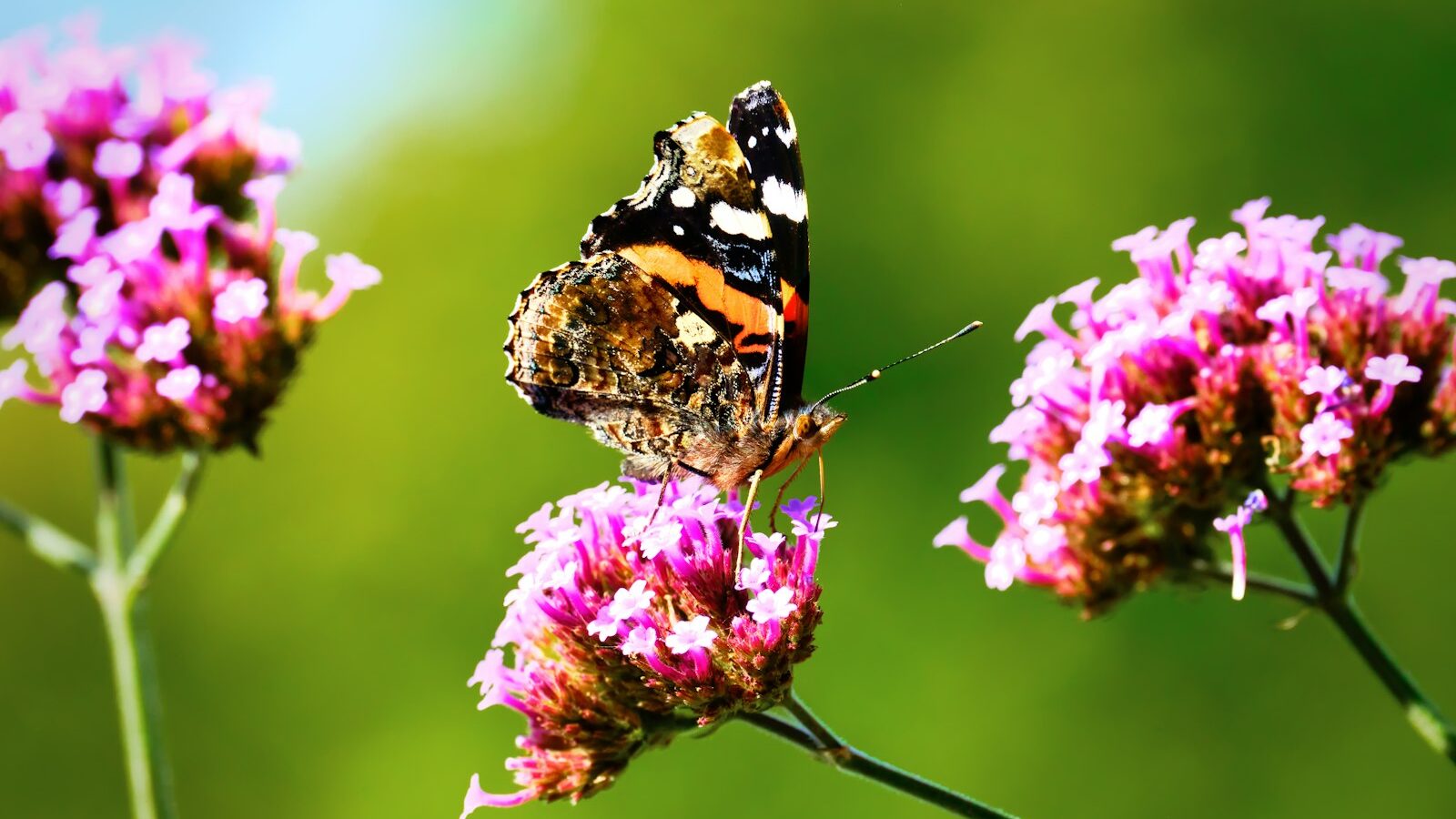
A pollinator garden is one of the most rewarding things you can plant. Fill your beds with the right nectar- and pollen-rich flowers and you’ll get a steady parade of bees, butterflies, and hummingbirds from spring through fall. This list rounds up 25 of the best plants for pollinators, organized so you can build a garden that blooms in succession and supports the widest range of pollinators.
Key takeaways
- Plant in drifts & aim for blooms spring-to-fall
- Natives support the most pollinators
- Include host plants (e.g. milkweed for monarchs)
- Single (not double) flowers offer more nectar
- Skip pesticides to protect bees
Pollinators need three things from your yard—nectar for energy, pollen for protein, and host plants where they raise young—and the best gardens layer all three across the seasons. For broader growing fundamentals, keep our plant & flower care guide handy as your home base.
Best plants for bees
Bees are the workhorses of the pollinator world, drawn especially to blue, purple, and yellow flowers with easy landing platforms. These six plants are bee magnets that are also tough and low-maintenance.
Lavender (Lavandula angustifolia)
Honeybees and bumblebees swarm lavender’s fragrant purple spikes all summer long. Give it full sun and sharp, well-drained soil—it hates wet feet—and it thrives in USDA zones 5–9. Expect blooms from early to midsummer, with a lighter second flush if you shear it back after the first.
Catmint (Nepeta faassenii)
Few plants pull in more bees per square foot than catmint, which throws up clouds of soft lavender-blue flowers for months. It’s wildly drought-tolerant, loves full sun, and is hardy in zones 3–8. Shear it after the first flush in early summer and it will rebloom into fall—learn more in our guide to catmint.
Borage (Borago officinalis)
Borage refills its star-shaped blue flowers with nectar every couple of minutes, making it one of the most productive nectar plants you can grow. This easygoing annual self-sows readily, prefers full sun, and grows in zones 2–11. It blooms from early summer until frost.
Sedum (Hylotelephium spectabile)
Late-season sedum, especially ‘Autumn Joy’, is a critical fuel stop for bees when little else is blooming. Its broad, flat flower heads start pink and deepen to rust, providing easy landing pads in full sun, zones 3–9. It blooms from late summer through fall and feeds bees and butterflies alike.
Agastache (Agastache foeniculum)
Also called anise hyssop, agastache offers tall spikes of blue-purple flowers that hum with bees and also draw hummingbirds. It’s a drought-tolerant native that loves full sun and well-drained soil in zones 4–8. Expect a long bloom season from midsummer well into fall.
Salvia (Salvia nemorosa)
Perennial salvia produces dense spikes of violet-blue flowers that bees and hummingbirds find irresistible. It’s heat- and drought-tolerant, thrives in full sun, and is hardy in zones 4–9. Deadhead spent spikes and it will rebloom from late spring through summer.
Best plants for butterflies
Butterflies prefer flat or clustered flowers they can perch on while they sip, in bright, warm colors. The plants below offer abundant nectar, and several double as host plants.
Coneflower (Echinacea purpurea)
Purple coneflower is a butterfly buffet, and its central seed cones later feed goldfinches through winter. This tough native loves full sun and tolerates drought once established, thriving in zones 3–9. It blooms from midsummer into fall—see our dedicated coneflower care guide for the details.
Butterfly Bush (Buddleja davidii)
Named for good reason, butterfly bush draws clouds of swallowtails and painted ladies to its long, honey-scented flower panicles. It wants full sun and blooms summer through fall in zones 5–9. Choose sterile, non-invasive cultivars and always pair it with native host plants, since it offers nectar but no place to raise young.
Zinnia (Zinnia elegans)
Zinnias are the easiest annual butterfly magnet you can grow, blooming nonstop in hot, saturated colors. Direct-sow them in full sun after frost and they’ll flower from early summer until the first frost in any zone. Stick to single-flowered varieties, which offer butterflies far more accessible nectar than the fluffy doubles.
Cosmos (Cosmos bipinnatus)
Airy cosmos waves daisy-like flowers that butterflies and small native bees adore. This carefree annual thrives in poor, dry soil and full sun, blooming from summer to frost in any zone. It self-sows freely, so a single planting often returns year after year.
Aster (Symphyotrichum novae-angliae)
New England aster is one of fall’s most important nectar sources, fueling migrating monarchs and late-season bees. This native loves full sun, tolerates a range of soils, and is hardy in zones 4–8. Its purple, gold-centered flowers bloom from late summer through the first frosts.
Black-Eyed Susan (Rudbeckia hirta)
Cheerful black-eyed Susans pull in butterflies, native bees, and beneficial flies with their golden, dark-centered daisies. They thrive in full sun and average soil, blooming from midsummer to fall in zones 3–9. Leave the seed heads standing and finches will work them all winter.
Best plants for hummingbirds
Hummingbirds are drawn to tubular flowers in red, orange, and pink that hold deep wells of nectar. These blooms are irresistible to a hovering hummer—and they invite bees and butterflies too.
Bee Balm (Monarda didyma)
Despite its name, bee balm’s shaggy red and pink flowers are hummingbird magnets, and bees and butterflies crowd in too. This native mint relative likes full sun to part shade and consistently moist soil in zones 4–9. It blooms in mid- to late summer; choose mildew-resistant varieties for trouble-free plants.
Penstemon (Penstemon digitalis)
Penstemon, or beardtongue, sends up spires of tubular white-to-pink flowers built for hummingbird visits. This adaptable native handles full sun and lean, well-drained soil in zones 3–8. It blooms in late spring and early summer, bridging the gap before the summer perennials take over.
Cardinal Flower (Lobelia cardinalis)
The brilliant scarlet spikes of cardinal flower are practically designed for hummingbirds, its primary pollinator. This native prefers part shade and moist to wet soil, ideal for rain gardens and pond edges in zones 3–9. It blooms from midsummer into early fall.
Trumpet Honeysuckle (Lonicera sempervirens)
This well-behaved native vine offers clusters of coral-red tubular flowers that hummingbirds work from spring through fall. Unlike its invasive Japanese cousin, it’s a polite climber for trellises and fences in full sun to part shade, zones 4–9. It’s among the longest-blooming hummingbird plants you can grow.
The same habits that draw hummingbirds—water, cover, and a pesticide-free yard—also bring in songbirds. For more, see our guide on how to attract birds to your garden.
Essential native host plants
Nectar feeds adults, but host plants are where the next generation grows up, and natives support far more insect life than exotics. These are the heavy hitters every pollinator garden should include.
Milkweed (Asclepias tuberosa)
Milkweed is the single most important plant for monarch butterflies—it’s the only thing their caterpillars can eat. Butterfly weed, the orange-flowered species, thrives in full sun and dry soil in zones 3–9 and won’t spread aggressively. Its flowers also feed a huge range of bees and butterflies from early to midsummer.
Goldenrod (Solidago species)
Unfairly blamed for hay fever (that’s ragweed’s doing), goldenrod is one of the most valuable fall nectar plants in North America. It supports countless bees and butterflies and serves as a host plant for many native moths, thriving in full sun in zones 3–9. Look for clumping cultivars like ‘Fireworks’ that won’t run.
Joe-Pye Weed (Eutrochium purpureum)
This stately native towers up to six feet, topped with mauve flower clusters that swarm with swallowtails and bees. It prefers full sun to part shade and moist soil in zones 4–9. Blooming midsummer into fall, it’s a magnificent back-of-border anchor.
Sunflower (Helianthus annuus)
Sunflowers feed pollinators with nectar and pollen, then feed birds with their seed-packed heads. Choose pollen-bearing (not pollenless) varieties for full sun; they grow as annuals in any zone and bloom midsummer to fall. Branching types extend the bloom season far longer than single-stem giants.
Blanket Flower (Gaillardia aristata)
The fiery red-and-yellow daisies of blanket flower bloom relentlessly all season and draw bees and butterflies in droves. This tough native shrugs off heat, drought, and poor soil in full sun, zones 3–10. Deadhead occasionally and it will flower from early summer to frost.
Yarrow (Achillea millefolium)
Yarrow’s flat-topped flower clusters are perfect landing pads for butterflies, small native bees, and beneficial predators. Exceptionally drought-tolerant, it thrives in lean soil and full sun in zones 3–9. Blooming late spring through summer, it’s foundational for low-water pollinator beds.
Plants for a long bloom season
The secret to a thriving pollinator garden is having something in flower from spring to fall. These dependable bloomers stretch the season and fill the gaps in between.
Phlox (Phlox paniculata)
Tall garden phlox perfumes the midsummer garden and draws butterflies, hummingbirds, and hummingbird moths to its fragrant flower domes. It likes full sun to part shade and rich, moist soil in zones 4–8. Pick mildew-resistant cultivars for weeks of mid- to late-summer bloom.
Coreopsis (Coreopsis verticillata)
Threadleaf coreopsis covers itself in golden daisies that feed bees and butterflies for months. This drought-tolerant native is happy in full sun and average soil in zones 3–9. Shear it lightly mid-season and it reblooms from early summer through fall.
Russian Sage (Salvia yangii)
Russian sage forms a haze of silvery foliage and lavender-blue flowers that bees can’t resist in summer heat. It’s about as drought- and heat-tolerant as perennials get, loving full sun and sharp drainage in zones 4–9. It blooms for a long stretch from midsummer into fall.
Verbena (Verbena bonariensis)
Tall verbena floats clusters of small purple flowers on wiry stems, a favorite perch for butterflies and skippers. Grown as an annual or short-lived perennial in zones 7–11, it loves full sun and self-sows where happy. It blooms tirelessly until frost.
Tips for a thriving pollinator garden
Choosing the right plants is half the battle; how you arrange and care for them is the rest. A few simple practices turn flowers into genuine habitat.
- Plant in drifts. Group at least three to five of the same plant together. Big blocks of color are easier for pollinators to spot and let them forage efficiently.
- Aim for a succession of blooms. Map your garden so something is always flowering from spring through fall—spring penstemon, summer coneflower and bee balm, fall asters and goldenrod.
- Choose single, not double, flowers. Frilly doubles often have little accessible nectar or pollen. Simple, open, single flowers are the most productive.
- Include host plants. Caterpillars need specific hosts—milkweed for monarchs, parsley and dill for swallowtails, native asters for many others.
- Skip the pesticides. Insecticides, including systemic neonicotinoids, kill the very pollinators you’re trying to attract. Tolerate a little leaf damage instead.
- Go native. Native plants support far more species than exotic ornamentals. Build around natives and add a few well-behaved non-natives for color.
- Provide water and shelter. A pebble-filled dish gives bees a safe place to drink, and bare ground and hollow stems give native bees places to nest.
Frequently asked questions
What is the single best plant for pollinators?
There’s no one winner, but native milkweed and coneflower are hard to beat. Milkweed is the essential host plant for monarch caterpillars, while coneflower feeds a huge range of bees and butterflies and later provides seeds for birds. The truly best garden combines many plants that bloom across the whole season.
When should I plant a pollinator garden?
Spring and fall are both ideal planting windows. Spring planting gives perennials a full season to establish, while fall planting lets roots settle in before winter for a strong start the following year. Direct-sow annuals like zinnias and cosmos after your last frost.
Do pollinator plants need full sun?
Most do best in full sun—at least six hours daily—since that’s where they produce the most flowers and nectar. That said, plants like bee balm, cardinal flower, and joe-pye weed tolerate part shade, so even shadier yards can support pollinators with the right selections.
How do I attract pollinators quickly?
Plant a mix of fast-blooming annuals such as zinnias, cosmos, sunflowers, and borage alongside your perennials. Annuals flower within weeks of planting and start drawing bees and butterflies the same season while your perennials get established for the long term.
Are double-flowered varieties bad for pollinators?
Often, yes. Breeding for extra petals frequently replaces a flower’s nectar-producing and pollen-bearing parts, leaving pollinators with little reward and sometimes no way in at all. Whenever you have the choice, pick single-flowered forms.
Start with a few natives, layer in blooms for every season, and let the bees, butterflies, and hummingbirds find you. For more growing know-how, return to our plant & flower care guide anytime.