

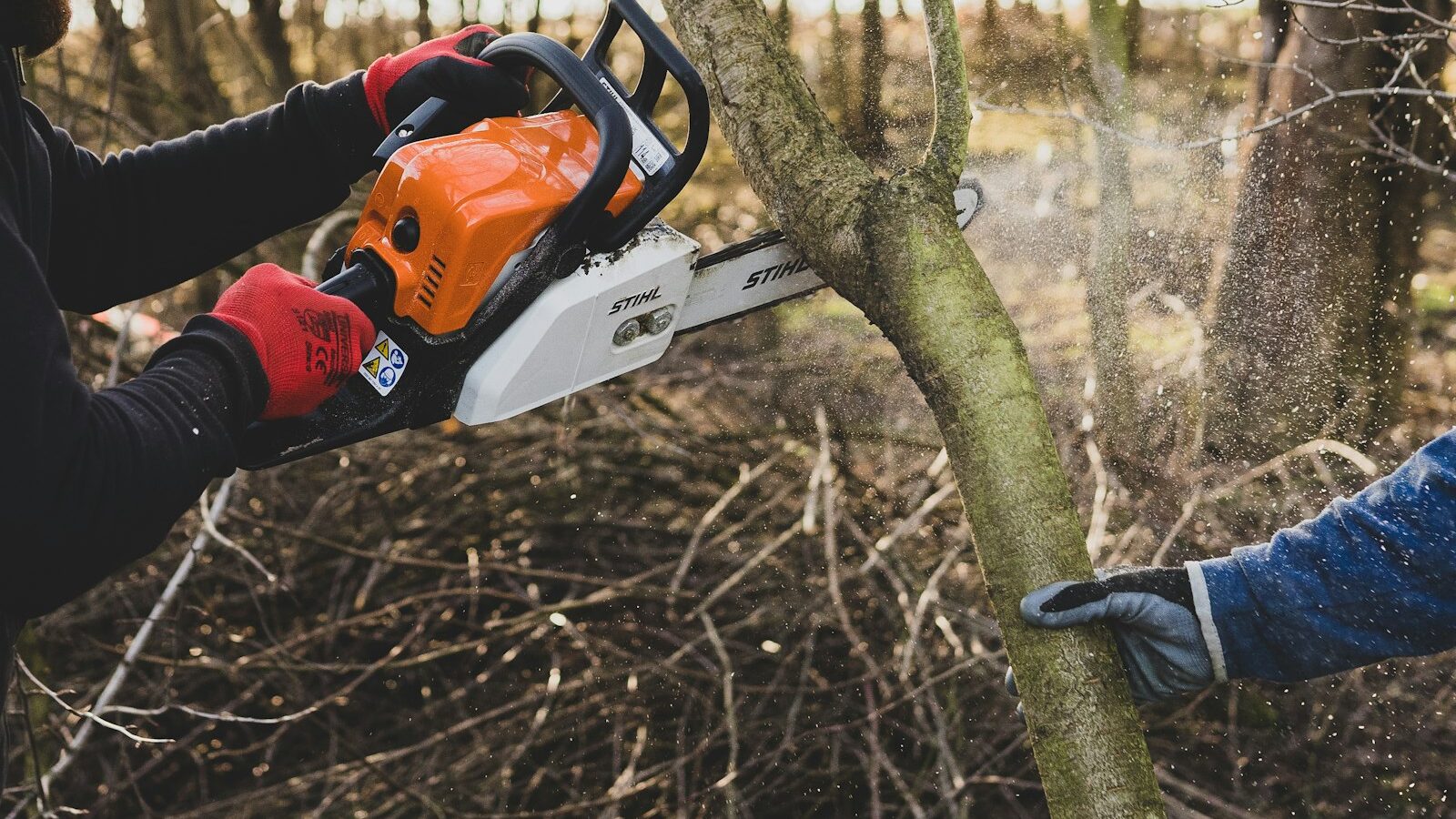
A good pruning saw is the tool that does the work a hand pruner and even a lopper can’t: clean cuts through limbs an inch to six inches thick, often overhead or at an awkward angle. The trouble is that “pruning saw” covers everything from a pocket-sized folder to a 22-inch monster and a 10-foot powered pole saw, so the right pick depends entirely on what you’re cutting and how high it is. Below are seven saws we’d actually buy in 2026, sorted by job, plus a plain-English guide to picking the right blade, length, and tooth count.
As an Amazon Associate we earn from qualifying purchases.
Our top picks
- Best overall folding: Corona RazorTooth RS 7265D (10″)
- Best fixed-blade hand saw: Silky Zubat 330 Professional
- Best manual pole saw: Fiskars Extendable Tree Pruner & Pole Saw
- Best powered pole saw: EGO Power+ PS1001 10″ Pole Saw
- Best for thick limbs: Silky Bigboy 2000 360mm
- Best compact/folding (pocket): Felco 600 Folding Pull-Stroke Saw
- Best budget: Corona RazorTooth RS 7120 13″ Fixed Blade
| Model | Type | Blade length | Best for |
|---|---|---|---|
| Corona RazorTooth RS 7265D | Folding | 10 in | Best overall folding, limbs to ~6″ |
| Silky Zubat 330 Professional | Fixed, curved | 13 in (330 mm) | Fast, clean cuts for arborists & gardeners |
| Fiskars Extendable Tree Pruner | Manual pole saw | 15 in blade / ~12 ft reach | Reaching limbs without power |
| EGO Power+ PS1001 | Powered pole saw | 10 in bar / ~10 ft reach | Frequent overhead cutting, fast work |
| Silky Bigboy 2000 | Folding (XL) | 14.2 in (360 mm) | Thick limbs & small trunks to ~7″ |
| Felco 600 | Folding, pull-stroke | 6.3 in (160 mm) | Pocket carry, light pruning |
| Corona RazorTooth RS 7120 | Fixed, curved | 13 in | Best value fixed-blade saw |
The 7 best pruning saws of 2026
Corona RazorTooth RS 7265D — best overall folding
If you want one saw that lives in a tool bag or back pocket and handles the great majority of homeowner pruning, the Corona RazorTooth 10-inch folder is the easy answer. Its curved, impulse-hardened blade carries triple-ground “razor” teeth that cut on the pull stroke and clear sawdust efficiently, so it bites through green limbs up to about six inches in diameter faster than the price suggests. The locking mechanism holds the blade open solidly, and an ergonomic, co-molded handle keeps your hand from sliding during long sessions.
It isn’t quite as silky-smooth or as long-lived as a premium Japanese blade, but for the money it is hard to beat, and the folding design makes it safe to toss in a bucket or backpack. For most people maintaining fruit trees, shrubs, and storm cleanup, this is the saw we’d hand them first. It’s also a sensible companion to a good pair of loppers for branches too thick to lop.
Pros
- Aggressive, fast-cutting RazorTooth blade
- Folds safely; clips into a bag or pocket
- Excellent cutting per dollar
Cons
- Blade not as durable as premium Japanese steel
- Replacement blades are pricier relative to the saw
Silky Zubat 330 Professional — best fixed-blade hand saw
Ask working arborists which hand saw they reach for and the answer is almost always a Silky. The Zubat 330 is the model that earns its reputation: a 13-inch (330 mm), curved, mono-constructed blade of premium Japanese steel with impulse-hardened, non-set teeth at roughly 6.5 TPI. It is taper-ground so the back of the blade is thinner than the cutting edge, which means almost no binding and a frighteningly fast cut for a tool with no motor. The molded-rubber handle is comfortable for hours, and it ships with a belt scabbard.
The curved blade and large teeth suit fresh, green wood and let you draw long, efficient pull strokes from a ladder or the ground. It costs more than a hardware-store saw, but it cuts faster, cuts cleaner, and lasts far longer; resin and rust slide off the chrome-plated blade. If you prune regularly or do any tree work, this is the upgrade you won’t regret. For straight-blade work like back cuts on the crown, Silky’s Gomtaro is the close cousin.
Pros
- Premium Japanese steel; exceptionally fast, clean cuts
- Taper-ground blade resists binding
- Comfortable handle and included scabbard
Cons
- Premium price
- Fixed blade needs its sheath for safe carry
Fiskars Extendable Tree Pruner & Pole Saw — best manual pole saw
For limbs overhead but not so frequent that you want to buy and maintain a powered tool, Fiskars’ extendable pruner is the practical pick. It extends to roughly 12 feet of reach and combines two cutting heads: a built-in bypass lopper that handles smaller branches up to about 1-1/8″ thick with a power-lever mechanism, and a razor-sharp 15-inch WoodZig pruning saw blade that slices limbs up to several inches across. The fiberglass pole keeps the weight reasonable, and a rope-free design means there’s no cord to tangle.
Manual pole saws ask more of your arms and shoulders than a powered one, and at full extension any pole saw gets tiring and a bit unwieldy. But for occasional storm cleanup and seasonal shaping of fruit and ornamental trees, this Fiskars does the job quietly, with nothing to charge and nothing to break. Keep cuts above your head deliberate and stand clear of the fall line.
Pros
- ~12 ft reach with no power needed
- Lopper plus saw head covers thin and thick limbs
- Quiet, low-maintenance, affordable
Cons
- Tiring at full extension
- Less precise than a powered head on big limbs
EGO Power+ PS1001 — best powered pole saw
When you have a lot of overhead cutting to do, a powered pole saw turns an afternoon of labor into a half hour. The EGO PS1001 runs on EGO’s 56V ARC Lithium battery platform, drives a 10-inch chainsaw bar and chain, and extends to roughly 10 feet of reach (well over 15 feet of actual cut height once you factor in your arms). The standout feature is the LED cut-line indicator, which projects where the chain will land; it sounds gimmicky until you’re squinting up into a shaded canopy trying to line up a cut.
It comes as a complete kit with battery and charger, and that 56V battery is interchangeable across EGO’s wider Power+ line, so if you already own EGO tools it slots right in. Greenworks 40V and Milwaukee M18 alternatives are also strong, but the EGO balances power, runtime, and reach the best for most yards. As with any powered saw overhead, wear eye and head protection and never cut directly above yourself.
Pros
- Fast, effortless cuts on thick limbs overhead
- LED cut-line indicator genuinely helps aim
- Battery shared across EGO Power+ tools
Cons
- Heavier than a manual pole saw at full reach
- Higher upfront cost; chain needs occasional sharpening
Silky Bigboy 2000 360mm — best for thick limbs
For the limbs that are too thick for an ordinary folder but not worth dragging out a chainsaw, the Silky Bigboy is the answer. Its 14.2-inch (360 mm) folding blade carries large XL teeth at roughly 5.5 TPI, and that aggressive pattern chews through 6- to 7-inch downed limbs and small trunks with surprising ease. Despite the size it folds flat for transport and locks securely open, and the long two-hand handle lets you put real power into each pull stroke.
It is a favorite among trail crews and overlanders precisely because it does chainsaw-adjacent work without fuel, noise, or kickback risk. If your needs run even bigger, the same family’s Katanaboy 650 takes a nearly 22-inch blade for trunk-sized wood. But for most thick-limb pruning and firewood-sized cleanup, the Bigboy hits the sweet spot of power and portability.
Pros
- Cuts 6–7″ limbs and small trunks with ease
- Folds flat despite the long blade
- No fuel, noise, or kickback
Cons
- Large and heavier than a standard folder
- Coarse teeth leave a rougher cut on small branches
Felco 600 — best compact/folding (pocket)
When you want a saw that disappears into a pocket or a holster on your belt, the Felco 600 is the one to carry. The blade is short at 6.3 inches (160 mm), the whole tool weighs only about 5.6 ounces, and it folds into a slim package that’s easy to keep on you during a walk-around prune. The pull-stroke, impulse-hardened blade runs at about 7 TPI and cuts cleanly through branches up to roughly two to three inches with the precision Felco is known for.
This isn’t the saw for storm cleanup or thick limbs; it’s the saw you actually have with you when you spot a branch that needs a cut. Pair it with a Felco hand pruner and you can do a full season of light maintenance pruning without ever picking up a bigger tool. It’s a quality-of-life upgrade for anyone who prunes a little, often. See our guide to essential garden tools for the rest of the everyday kit.
Pros
- Truly pocketable and light
- Clean, precise cuts on small branches
- Felco build quality and replaceable blade
Cons
- Short blade limits limb size
- Premium price for a small saw
Corona RazorTooth RS 7120 — best budget
If you want serious cutting capacity for the least money and don’t need the saw to fold, the fixed-blade Corona RazorTooth 13-inch is the value champion. The curved, high-carbon-steel blade uses the same razor-tooth design as Corona’s folders, cutting up to twice the material per pull stroke and handling branches up to about seven inches in diameter. The full-length tang and comfortable handle make it a confident one-handed tool, and it ships with a scabbard so you can hang it on a belt.
It won’t glide quite like a Silky, but it cuts faster and longer than almost anything else at its price, and the fixed blade means there’s no hinge to loosen over time. For a homeowner who wants a lot of saw for a little money, this is the smart buy. Combine it with the right timing in our guide on when to prune trees and shrubs and you’ll get clean, healthy cuts.
Pros
- Big cutting capacity for the price
- Fixed blade with no hinge to loosen
- Comes with a belt scabbard
Cons
- Doesn’t fold; needs the sheath to carry safely
- Not as smooth or durable as premium steel
Free, no-obligation quote · Connect with a local pro
How to choose a pruning saw
Folding vs. fixed vs. pole
Folding saws are the safest to carry and store because the blade tucks into the handle; they’re ideal for general yard work and for tossing in a bag. Fixed-blade saws (with a scabbard) tend to be stronger at the blade-to-handle joint and let you put more force into a cut, which is why arborists favor them for heavy, repeated work. Pole saws exist for one reason: reach. If you’re cutting branches higher than you can safely reach with a hand saw on the ground, a pole saw keeps you off the ladder. Choose a manual pole saw for occasional, lighter overhead cuts and a powered one if you have a lot of high limbs or thick wood to clear.
Blade length and TPI
Match blade length to the limb size you cut most: a rough rule is that a blade should be at least twice the diameter of the branch so you can complete a stroke. A 6–8 inch blade suits small branches and pocket carry; 10–13 inches handles most homeowner pruning; 14 inches and up is for thick limbs and small trunks. Teeth-per-inch (TPI) governs the trade-off between speed and finish: fewer teeth (coarser, 5–6 TPI) cut green wood faster but leave a rougher surface, while more teeth (finer, 7+ TPI) give a smoother, cleaner cut that’s gentler on the tree, especially in seasoned wood. For living trees, a slightly cleaner cut heals better.
Pull-stroke design
Most quality pruning saws, and all Japanese-style ones, cut on the pull stroke rather than the push. A pull-stroke blade can be made thinner because pulling keeps it in tension instead of buckling, which means less binding, a faster cut, and far less effort. The technique is simple: let the saw do the work, draw long, smooth strokes toward you, and ease off pressure on the push. Don’t force it; forcing a blade is how teeth chip and cuts wander.
Reach and safety
With pole saws, more reach means more weight and less control, so buy only as much reach as you genuinely need. Always identify your escape path before a cut and never stand directly under the limb you’re removing. For larger limbs, use a relief cut (an undercut a few inches out from your final cut) to keep bark from tearing down the trunk. Wear eye protection always, and a hard hat and gloves when working overhead or with a powered saw. Keep blades sharp; a dull saw makes you push harder, and that’s when slips happen.
Frequently asked questions
What size pruning saw do I need?
Match the blade to the branches you cut most. For most homeowners a 10–13 inch saw handles limbs up to five or six inches in diameter, which covers the great majority of pruning. Step up to a 14 inch or larger blade only if you regularly cut thick limbs or small trunks, and choose a 6–8 inch folder for pocket carry and light work.
Are folding or fixed-blade pruning saws better?
Folding saws are safer to carry and store and are perfect for general use. Fixed-blade saws are typically stronger at the joint and let you apply more force, so they suit heavy, repeated cutting. Many gardeners own one of each: a folder for the bag and a fixed blade with a scabbard for serious work.
Why do pruning saws cut on the pull stroke?
Pulling keeps the blade in tension, so it can be made thinner without buckling. That means less binding, a faster cut, and noticeably less effort than a push saw. Just draw long, smooth strokes toward you and let the teeth do the work rather than forcing them.
Do I need a pole saw or a regular pruning saw?
Get a pole saw only if you need to cut branches higher than you can safely reach from the ground with a hand saw. A manual pole saw covers occasional overhead cuts; a powered pole saw is worth it if you have a lot of high or thick limbs. For everything at or below shoulder height, a hand saw is faster and more precise.
How do I keep a pruning saw sharp and rust-free?
Most impulse-hardened blades (like Silky and Corona RazorTooth) aren’t meant to be resharpened; when they finally dull, you replace the blade. To extend life, wipe the blade clean of sap after use, keep it dry, and store it in its sheath. A clean, sharp blade cuts faster and is safer because you don’t have to force it.
Bigger job? Hire a pro.
For large, tall or hazardous work, compare free, no-obligation quotes from vetted local tree pros near you.