

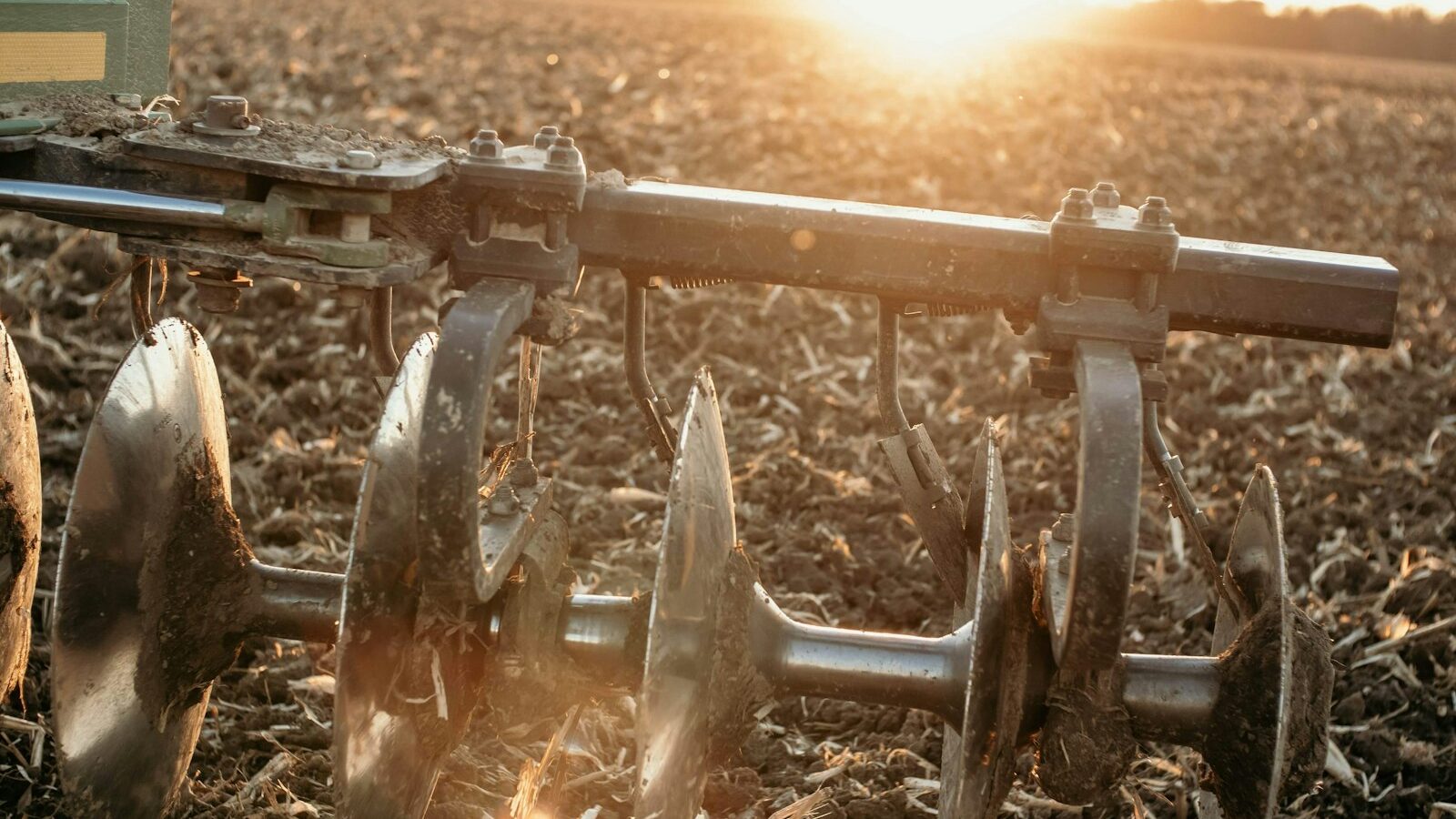
The difference between a chore and a pleasant half-hour in the garden is usually the hand tool you reach for. “Hand cultivator” is a loose label that covers two related but distinct jobs: cultivating — scratching and loosening the top inch or two of soil to break a crust, work in compost, and let water and air down to roots — and weeding — severing or levering out unwanted plants before they seed. Some tools do one job brilliantly and the other poorly, and a few clever designs handle both. The wrong choice leaves you on your knees fighting a flimsy claw that bends on the first root, or stooping over a bed until your back gives out. This guide covers seven hand cultivators and weeders I would actually keep in the shed in 2026, from the classic three-tine claw to the do-everything hori-hori knife and the stand-up tools that save your knees, with the honest trade-offs for each.
As an Amazon Associate we earn from qualifying purchases. This page contains affiliate links at no extra cost to you.
Key Takeaways
- Three-tine claw cultivators are the all-rounders for scratching open soil crust and working compost into the top inch or two of a bed.
- The hori-hori knife is the closest thing to a do-everything tool — it weeds, plants bulbs, divides perennials, and cuts roots, which is why it lives in most serious gardeners’ belts.
- Hoe-style weeders (loop, scuffle, and Cape Cod) slice weeds off at the root line while standing, the fastest way to clear seedling weeds.
- Choose forged or stainless one-piece tools over cheap stamped tines that bend on the first hidden root.
- Save your back: a long-handled stand-up weeder is worth it for taproot weeds in lawns and large beds.
| Product | Best For | Key Spec |
|---|---|---|
| Edward Tools 3-Tine Hand Cultivator | General soil loosening | Forged carbon steel, 3 tine |
| Nisaku NJP650 Hori-Hori Knife | Do-everything tool | 7.25 in stainless, serrated |
| Fiskars Ergo Hand Cultivator | Comfort & arthritis | Cast aluminum, soft grip |
| CobraHead Original Weeder | Precision weeding | Tempered steel hook blade |
| Rogue Garden Hoe 575G | Slicing seedling weeds | 5.75 in reclaimed steel head |
| Grampa’s Weeder Stand-Up | Lawn taproot weeds | 45 in bamboo, 4-claw foot |
| Truper 30293 Warren Hoe | Furrows & heavy cultivating | Forged head, 54 in handle |
1. Edward Tools 3-Tine Hand Cultivator — Best General Cultivator
The three-tine hand cultivator is the tool most people picture when they hear “cultivator,” and the Edward Tools version is a well-made example at a fair price. It uses forged carbon steel tines set into a single head, with a cushioned handle and a hanging hole, and the curved tines are spaced to rake through the top inch or two of soil without clogging. You drag it toward you across a bed to break the crust that forms after watering, mix in a top-dressing of compost, or rough up the surface before sowing fine seed.
What separates a good claw from a frustrating one is whether the tines hold their shape, and forged steel does. Cheap stamped cultivators splay or bend the first time you hit a buried root or rock; this one takes that abuse and keeps its rake angle. It is a cultivator first, not a weeder — it will rake out loose seedling weeds and surface runners, but it does not sever taproots. For routine bed maintenance and seedbed prep, it is the workhorse I reach for most.
Pros
- Forged steel tines hold their shape against roots and rocks
- Ideal for breaking soil crust and working in compost
- Inexpensive and comfortable for everyday use
Cons
- Rakes out loose weeds but won’t sever taproots
- Carbon steel needs drying to avoid surface rust
- Short handle means kneeling or bending
2. Nisaku NJP650 Hori-Hori Knife — Best Do-Everything Tool
If I could keep only one hand tool, it would be a hori-hori, and the Nisaku NJP650 is the one that earned the genre its cult following. It is a Japanese soil knife with a 7.25-inch stainless-steel blade, concave like a trowel for scooping, with one straight cutting edge and one serrated edge, and depth gradations stamped into the blade for planting bulbs at the right depth. The full-tang construction means the blade runs through the wooden handle, so you can lever, pry, and stab without snapping it.
The reason it lives in so many gardeners’ belts is sheer versatility: it digs and weeds, slices through a clump of perennials for dividing, saws through stubborn roots with the serrated edge, opens bags, and cuts twine. As a weeder it excels at the surgical work a claw cannot do — driving down beside a dandelion’s taproot and levering the whole thing out. The honest catch is that it is a knife: the edges are genuinely sharp, it demands respect and a sheath, and it is not the tool for raking a wide soil surface. For precision and do-anything utility, nothing else here competes.
Pros
- Astonishingly versatile — digs, weeds, divides, cuts roots
- Full-tang stainless blade levers and pries without snapping
- Depth markings make bulb and transplant planting precise
Cons
- Sharp blade demands care and a sheath
- Not made for raking wide soil surfaces
- Wooden handle needs occasional oiling
3. Fiskars Ergo Hand Cultivator — Best for Comfort & Arthritis
For gardeners with arthritis, weak grip, or wrists that flare up after an hour in the beds, the Fiskars Ergo hand cultivator is built around comfort. The head is cast aluminum, so it is light, will never rust, and stays rigid; the handle is shaped to keep the wrist in a more neutral, less-strained position and is wrapped in a soft, grippy material that does not slip when your hands are damp. It is the same familiar three-tine cultivating action, just engineered to ask less of your joints.
The ergonomic handle and light aluminum head are a real benefit for anyone who finds traditional steel tools fatiguing, and Fiskars backs the line with a long warranty. The flip side of light aluminum is that it cannot take the same brute prying as a forged carbon-steel head — pry hard against a big root and you risk the head before you move the root. Used as intended, for loosening soil and light weeding in containers and beds, it is the most comfortable cultivator here and the one I recommend most often to older gardeners.
Pros
- Ergonomic handle eases wrist and hand strain
- Light, rustproof cast-aluminum head
- Soft, non-slip grip and a strong warranty
Cons
- Aluminum head can’t take heavy prying like forged steel
- Best for light soil work, not breaking hard ground
- Costs more than a basic steel claw
4. CobraHead Original Weeder & Cultivator — Best for Precision Weeding
The CobraHead is a single curved, tempered-steel blade shaped like its namesake snake’s head, and it has a devoted following among market gardeners for one reason: it gets in among closely spaced plants and pulls weeds with surgical precision. The narrow hooked blade slips into tight rows, hooks under a weed, and lifts it root and all, or scratches a shallow furrow for seeding without disturbing the crop beside it. The recycled-plastic handle is set at an angle that keeps your wrist comfortable as you draw it toward you.
Where a three-tine claw is a blunt instrument for open soil, the CobraHead is a scalpel for the crowded bed — interplanted vegetables, dense flower borders, the inch of space between a seedling and a weed. It also doubles as a mini-cultivator, digging planting holes and trenching seed rows. The trade-off is that its single blade is slower than a hoe for clearing a large area of seedling weeds, and the precision it offers is wasted on a wide-open bed. For close, careful work it is hard to beat.
Pros
- Narrow hooked blade weeds precisely between close plants
- Tempered steel hooks under and lifts roots whole
- Doubles as a furrower and planting-hole digger
Cons
- Single blade is slow for clearing large weedy areas
- Precision is wasted on open, uncrowded beds
- Short handle means working on your knees
5. Rogue Garden Hoe 575G — Best for Slicing Seedling Weeds
When you have a bed full of newly germinated weeds, the fastest cure is to slice them off at the soil line before they establish, and a sharp draw hoe does that standing up. The Rogue Garden Hoe 575G is made in the USA from reclaimed agricultural disc-blade steel, which is hard enough to take and hold a genuine cutting edge — most box-store hoes are too soft and merely bash weeds rather than cutting them. The 5.75-inch head is sized for bed work, and the sharpened edge lets you skim just under the surface, severing weed seedlings by the dozen with a light pull.
The key insight with any hoe is that a sharp one is a different tool from a dull one. Kept sharp, the Rogue glides and cuts; the difference in effort is dramatic. It is at its best on small annual weeds in open soil between rows — exactly the situation where a single-blade hand weeder would be painfully slow. It is less useful for established perennial weeds with deep taproots, which it will slice the top off but not kill, and you do need to give the edge an occasional touch with a file to keep it cutting.
Pros
- Hard reclaimed-steel head takes and holds a real edge
- Slices seedling weeds at the soil line, fast, while standing
- USA-made and built to last decades
Cons
- Only as good as its edge — needs occasional sharpening
- Tops perennial weeds but won’t kill deep taproots
- Premium price for a hoe
6. Grampa’s Weeder Stand-Up Weeder — Best for Lawn Taproot Weeds
For dandelions, plantain, and other taproot weeds in a lawn, nothing saves your back like a stand-up weeder, and Grampa’s Weeder is the long-running classic. It is a long bamboo handle topped with a foot bar and a four-claw steel head; you center the claws over the weed, step on the bar to drive them into the soil around the root, then tip the handle back to lever the entire taproot out in one piece. No kneeling, no bending, no herbicide — and because it pulls the whole root, the weed does not simply regrow from a severed crown.
The stand-up design is genuinely back-saving and makes clearing a lawn of dandelions almost satisfying. It works best in soil that is slightly moist, where the claws can sink and the root will release; in bone-dry, hard ground the claws struggle and you may snap the taproot. It is also a specialist — it pulls individual taproot weeds and does nothing for soil cultivation or a carpet of tiny seedlings. As the tool that finally makes lawn weeding tolerable, though, it pays for itself the first spring.
Pros
- Pulls taproot weeds standing up — no kneeling or bending
- Removes the whole root so weeds don’t regrow
- No chemicals; safe around kids and pets
Cons
- Struggles in dry, hard-packed soil
- Specialist — only for individual taproot weeds
- Does nothing for soil cultivation or seedling weeds
7. Truper 30293 Warren Hoe — Best for Furrows & Heavy Cultivating
The Warren hoe is the pointed, heart-shaped-head hoe that does the heavier cultivating jobs the other tools here cannot, and the Truper 30293 is a sturdy, affordable example with a forged head on a 54-inch hardwood handle. Its pointed tip is made for opening seed furrows and planting trenches in a single dragging pass, while the wider shoulders of the head pull soil back over seeds and hill up rows of potatoes, beans, or corn. It is a full-length tool, so you do all of this standing.
This is the cultivator for the vegetable gardener who is opening rows, hilling crops, and breaking heavier soil — work that would wreck a hand claw and that a slicing hoe is not shaped for. The forged head stands up to that load, and the long handle gives you leverage and saves your back. The trade-offs are that it is a coarse instrument: no good for delicate weeding among seedlings, and on rocky ground the pointed tip can jar your wrists. As the heavy-duty member of a cultivating kit, it rounds out the bed nicely. If you are setting up rows from scratch, our guide on how to prepare a new flower bed pairs well with this tool’s job.
Pros
- Pointed head opens seed furrows in one pass
- Wide shoulders hill rows and pull soil over seeds
- Long handle and forged head for heavy cultivating, standing
Cons
- Too coarse for delicate weeding among seedlings
- Pointed tip can jar wrists in rocky soil
- Bulky to store compared with hand tools
How to Choose a Hand Cultivator or Weeder: What to Look For
Cultivating vs weeding. Decide which job dominates your gardening before you buy. Cultivating — loosening soil crust, mixing in compost, prepping a seedbed — is best served by a three-tine claw or a Warren hoe. Weeding splits further: slicing many small seedling weeds calls for a sharp draw hoe, picking weeds out of crowded plantings calls for a hori-hori or CobraHead, and pulling taproot weeds from a lawn calls for a stand-up weeder. Most gardeners end up owning two or three tools because the jobs genuinely differ; if you want one tool to lean on, the hori-hori covers the most ground.
Steel and build quality. This is where cheap tools betray you. Forged or tempered steel heads (and full-tang knives) hold their shape and edge against roots and rocks; stamped sheet-metal tines splay and bend the first time you hit a buried root. Stainless resists rust and slides through soil with less friction but is a touch softer; high-carbon steel holds an edge better but needs drying and occasional oiling. A one-piece or full-tang construction is far more durable than a blade merely socketed or riveted into a handle.
Handle length and ergonomics. Short-handled hand tools give you control and precision but put you on your knees; long-handled tools save your back at the cost of fine control. If you garden for long stretches or have knee, back, or wrist issues, prioritize a long handle for clearing work and an ergonomic grip (like the Fiskars Ergo) for the close work you must do by hand. A kneeling pad and a comfortable grip will do more for your gardening stamina than any single blade.
Soil type and timing. Most of these tools work far better in slightly moist soil — taproot weeders release roots cleanly, hoes slice instead of dragging, and claws penetrate without bouncing. Weed when the soil has had a day to drain after rain, and weed young: a seedling weed dies from a flick of a sharp hoe, while the same weed a month later needs a hori-hori and real effort. Keep edges sharp with a mill file and your tools will feel new for years. For more buyer guides to fill out your shed, browse our tools and gear hub.
Frequently Asked Questions
What is the difference between a cultivator and a weeder?
A cultivator loosens and aerates the top inch or two of soil — breaking the crust that forms after watering, working in compost, and prepping a seedbed — usually with multiple tines or a hoe head. A weeder is designed to remove unwanted plants, either by slicing them off at the soil line (hoes), levering out the root (hori-hori, stand-up weeders), or hooking them out from crowded beds (CobraHead). Some tools, like the hori-hori knife, do both jobs reasonably well, but most are better at one.
Is a hori-hori knife really worth it?
For most gardeners, yes. The hori-hori is the most versatile single hand tool you can own: it weeds, digs planting holes, plants bulbs at the right depth thanks to its marked blade, divides perennials, and saws through roots with its serrated edge. If you tend to carry one tool around the garden, this is the one that handles the widest range of jobs. The caveats are that it is a genuinely sharp knife that needs a sheath and care, and it is not the right tool for raking a wide soil surface.
What is the best tool for pulling dandelions out of a lawn?
A stand-up taproot weeder like Grampa’s Weeder is the best choice. You center its claws over the dandelion, step down to drive them around the taproot, and tip the handle to lever the whole root out — no kneeling and no herbicide. Because it removes the entire taproot, the weed does not regrow from a broken crown. It works best in slightly moist soil; in bone-dry, hard ground the root tends to snap rather than pull free.
Should I weed when the soil is wet or dry?
Slightly moist soil is the sweet spot. After the ground has drained for a day following rain or watering, taproot weeds release more easily, hoes slice cleanly, and claws penetrate without bouncing. Bone-dry, hard-packed soil makes every tool struggle and causes taproots to snap off. Soaking-wet soil, on the other hand, compacts when you walk on it and gums up tines. Aim to weed when the soil crumbles in your hand rather than smearing or cracking.
Why do my cheap hand cultivators keep bending?
Almost always because they are made from stamped sheet metal rather than forged or tempered steel. Stamped tines have no real strength and splay or bend the moment they hit a buried root or rock. The fix is to buy tools with forged steel heads, tempered-steel blades, or full-tang construction — they cost more up front but hold their shape for decades. A forged three-tine claw or a tempered hook weeder will outlast a dozen bargain tools.