

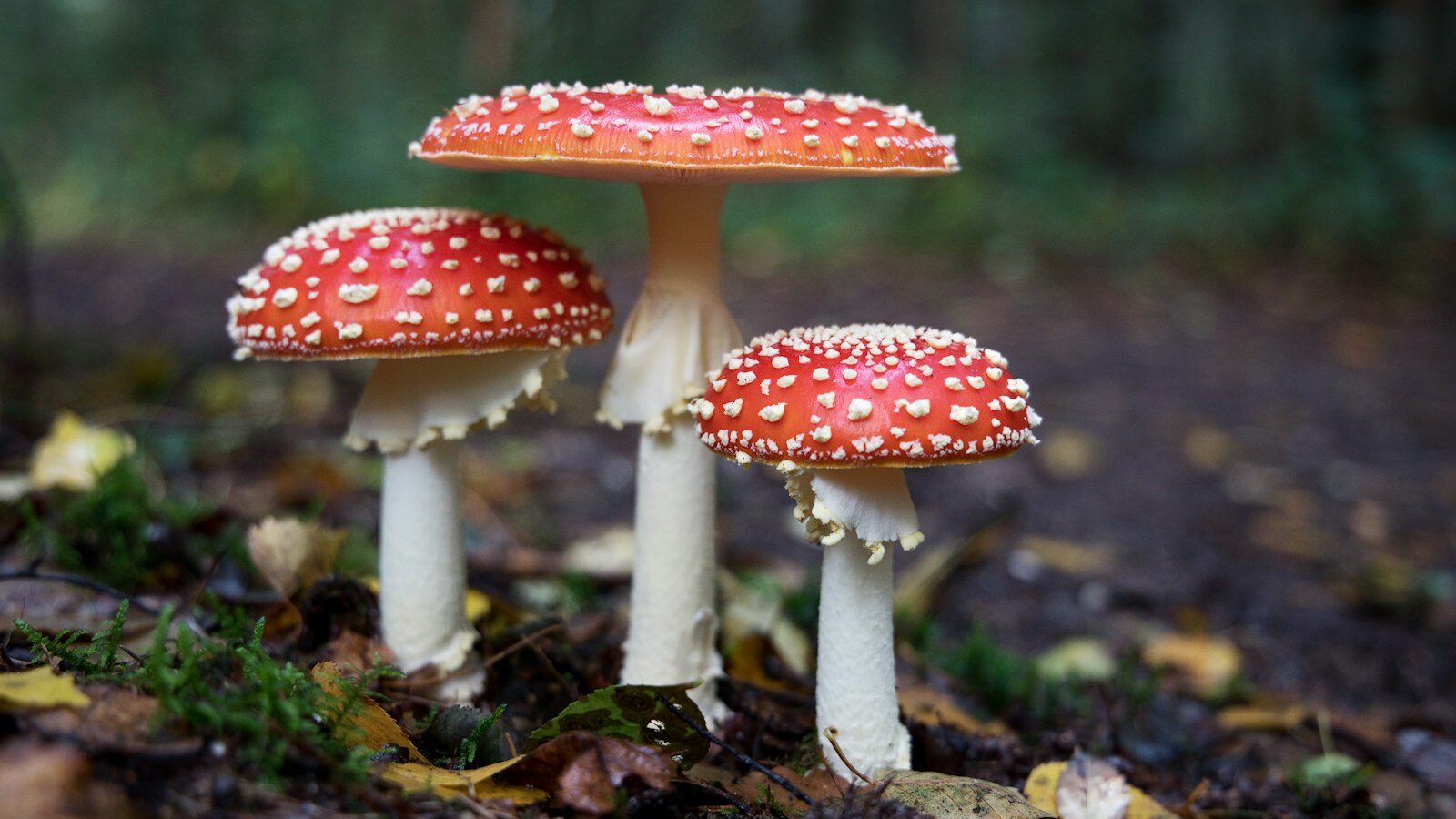
You water your houseplant, walk away, and a day later there’s a little yellow mushroom poking out of the soil — sometimes a whole cluster. It looks alarming, but here’s the reassuring headline: those mushrooms are almost always harmless. They’re the fruiting bodies of saprophytic fungi that feed on decaying organic matter in your potting mix, not parasites attacking your plant. The fungus was already living in the soil; the mushroom is just the visible part, like an apple on a tree. That said, their appearance does tell you something about conditions in the pot, and there are a couple of situations where you should take action. This guide explains exactly what’s happening and what (if anything) to do.
Key Takeaways
- Houseplant mushrooms are saprophytic fungi feeding on decaying organic matter in the soil — they do not harm your plant.
- The most common one, the bright yellow Leucocoprinus birnbaumii (flowerpot parasol), is famous and totally benign to plants.
- They appear because conditions are warm, humid, and moist — usually a sign you’re watering a bit heavily or have low airflow.
- Mushrooms can be toxic if eaten, so remove them if you have curious pets or small children; otherwise they’re optional to remove.
- To stop them, let the soil dry more between waterings, improve airflow and light, and refresh or replace the top layer of mix.
What These Mushrooms Actually Are
The mushrooms sprouting in your pot are the reproductive structures of fungi that live in the potting mix. The bulk of the organism is a hidden network of thread-like filaments called mycelium spread through the soil; the mushroom is simply the temporary “fruit” it sends up to release spores. These fungi are saprophytes — decomposers that break down dead organic material such as the bark, peat, coir, and wood fibers in commercial potting mixes. They do not feed on or attack living plant roots, which is the key difference between them and the root-rot pathogens people fear.
By far the most common houseplant mushroom is Leucocoprinus birnbaumii, the yellow houseplant or flowerpot parasol mushroom — a small, bright lemon-yellow, parasol-shaped mushroom that appears almost overnight and often collapses within a day. It’s so common in potted plants that it has earned its nickname. Its spores ride in on potting soil and are essentially impossible to avoid entirely. Seeing it means your mix contains organic matter and your conditions favor fungal fruiting — nothing more sinister.
Why They Suddenly Appeared in Your Pot
Fungi fruit when conditions are right, and houseplant care often creates exactly the right conditions. Understanding the triggers tells you how to respond.
How to diagnose the conditions
Mushrooms pop up when the soil is consistently moist, the air is warm and humid, light is low, and there’s plenty of organic matter to feed on. Ask yourself: Have you been watering frequently or keeping the soil constantly damp? Is the plant in a warm room with poor airflow, or a steamy bathroom? Is the pot in a dim corner? Did you recently repot with fresh organic-rich mix (which often carries spores)? A “yes” to several of these explains the bloom. Mushrooms frequently appear right after a warm spell or a stretch of generous watering.
What the mushrooms are telling you
Read them as a gentle signal, not an alarm. Their presence usually means the pot is staying wetter than strictly necessary, airflow is limited, or light is low — the same conditions that, taken further, can lead to overwatering problems for the plant itself. So while the fungus won’t hurt your plant, the conditions that invited it are worth a second look. If your plant is otherwise healthy, this is just a nudge to ease off the watering a touch.
Do They Harm Your Plant? (Almost Never)
This is the question everyone asks, and the answer is reassuring: no, these saprophytic mushrooms do not harm your houseplant. They consume dead organic matter, not living roots, and in doing so they actually contribute to the natural decomposition that releases nutrients back into the soil — a small benefit, if anything. They don’t cause root rot; root rot is a separate problem driven by waterlogged soil and different pathogens. You can have mushrooms in a perfectly healthy pot.
The one genuine caution is toxicity to people and pets. Many of these mushrooms, including the common yellow Leucocoprinus, are toxic if eaten and can cause stomach upset. They pose no danger by simply existing in the pot, but if you have a cat, dog, or small child who might nibble them, that’s the real reason to remove them promptly. Don’t handle them and then touch your eyes or mouth, and wash your hands afterward — basic caution, not panic.
How to Remove Houseplant Mushrooms
Removal is optional for the plant’s sake but sensible if you’d rather not look at them or have pets and kids around. Note up front that you can pluck mushrooms all day and they may return, because the mycelium remains in the soil — removal manages the visible fruit, not the underlying fungus.
The quick fixes
Simply pick the mushrooms as soon as they appear, ideally before they open and release more spores, and throw them in the trash (not the compost, to avoid spreading spores). Wear gloves or wash your hands afterward. For a more lasting reduction, scoop out and replace the top 2 inches of soil where most fruiting occurs, which removes a chunk of the active mycelium and spores. Letting the surface dry out fully also knocks back fruiting fast, since these fungi need moisture to send up mushrooms.
The thorough fix
If mushrooms keep returning and bother you, repot the plant entirely into fresh, well-draining mix, rinsing the roots and discarding the old colonized soil. This is the most complete reset, though even new mix can eventually host fungi if conditions stay damp. Skip chemical fungicides — they’re unnecessary for a harmless saprophyte, can stress your plant, and rarely solve the problem any better than improving the conditions does.
When You Should Actually Act
To keep things in perspective, here’s when removal moves from optional to worthwhile. Act if you have pets or young children who might eat the mushrooms, since they’re toxic if ingested. Act if you’re seeing repeated heavy flushes, which signal the soil is staying too wet — address the watering for your plant’s benefit. And reconsider your whole watering routine if, alongside the mushrooms, the plant shows yellowing leaves, a sour-smelling pot, or mushy stems, because those point to actual overwatering and possible root rot that does threaten the plant. In a healthy pot with no pets or kids, you can honestly just leave the mushrooms alone and enjoy the curiosity.
Prevention: Keeping Mushrooms From Coming Back
Since these fungi need moisture, warmth, and organic matter, you reduce them by adjusting conditions rather than waging war on the fungus. Let the top inch or two of soil dry out between waterings instead of keeping it constantly damp — this is the single most effective deterrent and it’s better for most plants anyway. Improve airflow around your plants and give them adequate light, since stagnant, dim, humid spots invite fruiting. Use a well-draining mix and a pot with drainage holes so water doesn’t linger. Refresh the top layer of soil periodically. And accept that occasional mushrooms are normal in any pot with organic soil — a tidy, well-cared-for plant can still sprout one now and then, and that’s perfectly fine.
For more on getting watering and soil conditions right, browse our Plants & Flowers hub, and if you grow indoors in a compact home where humidity runs high, our urban gardening guides cover container and small-space care. If your yellowing leaves have you worried about watering more broadly, our guide on African violet leaves turning yellow walks through the overwatering symptoms to watch for.
Frequently Asked Questions
Will the mushrooms hurt my houseplant?
No. They’re saprophytic fungi that feed on decaying organic matter in the potting mix, not on living roots, so they don’t damage your plant. They don’t cause root rot either — that’s a separate problem from waterlogged soil. You can have mushrooms in a completely healthy pot.
What is the little yellow mushroom in my plant pot?
It’s almost certainly Leucocoprinus birnbaumii, the yellow houseplant or flowerpot parasol mushroom — a bright lemon-yellow, umbrella-shaped fungus that appears overnight and often collapses within a day. It’s extremely common in potted plants, harmless to the plant, but toxic if eaten.
Are houseplant mushrooms poisonous to pets and kids?
Many, including the common yellow one, are toxic if eaten and can cause stomach upset. They’re harmless just sitting in the pot, but if you have curious pets or small children, remove the mushrooms promptly, keep the plant out of reach, and wash your hands after handling them.
Why do the mushrooms keep coming back after I remove them?
Because the main organism — a network of fungal threads called mycelium — stays in the soil after you pluck the mushroom. Picking removes only the visible fruit. To reduce regrowth, let the soil surface dry out, replace the top layer of mix, or repot into fresh soil.
How do I stop mushrooms from growing in my plant soil?
Make conditions less fungus-friendly: let the top inch or two of soil dry between waterings, improve airflow and light, use well-draining mix with proper drainage, and refresh the surface soil periodically. You can’t eliminate spores entirely, but drier, brighter, airier conditions sharply cut down fruiting.