

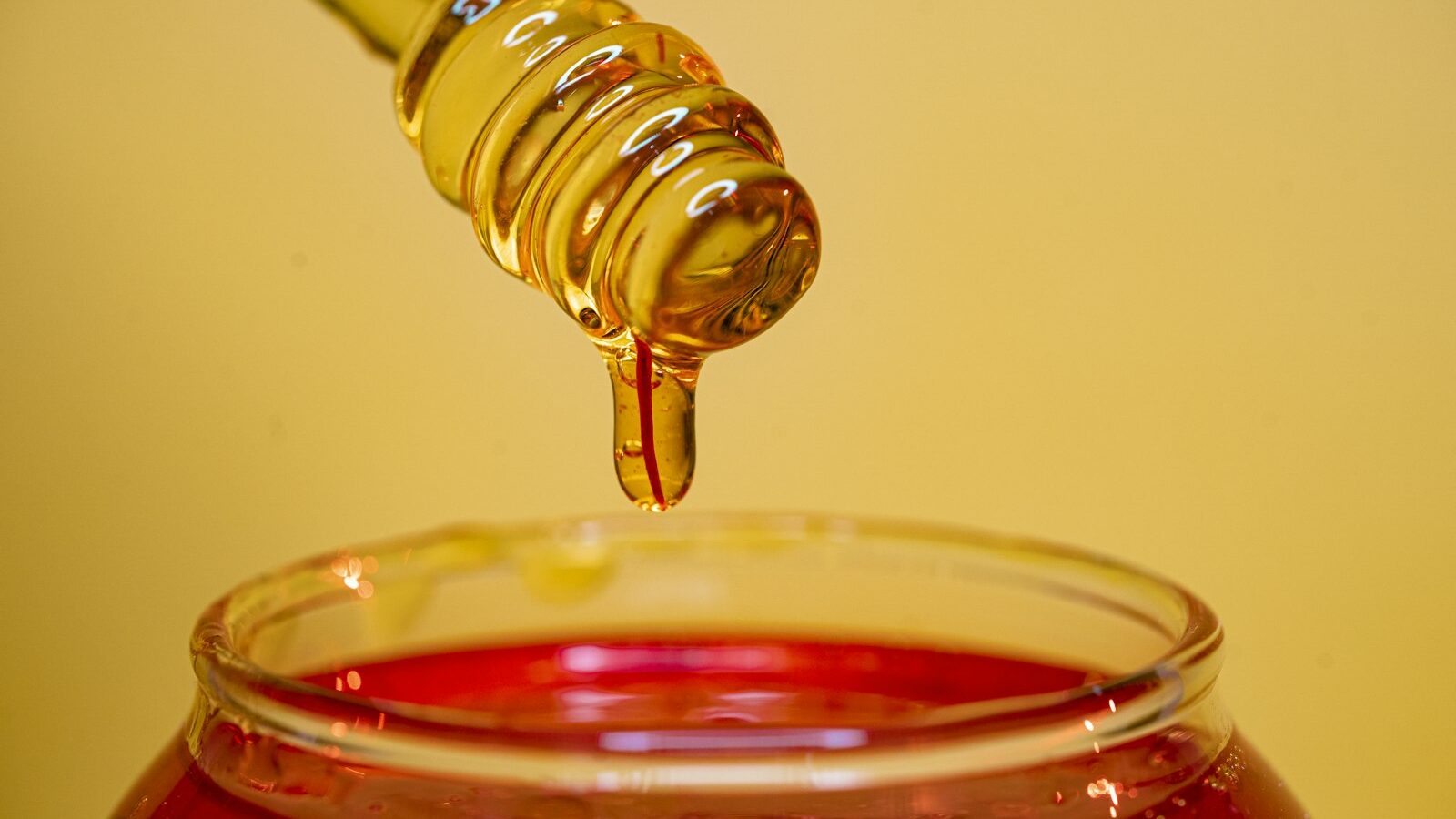
If you want more cuttings to root and root faster, commercial rooting hormone wins; honey does not actually stimulate roots. Here is the honest version most blog posts skip: honey contains no auxins, the plant hormones that trigger root initiation, so it cannot do the core job a rooting product does. What honey can offer is mild antimicrobial action that may keep a cut surface cleaner while the cutting roots on its own. That distinction explains nearly every honey success story you will read online: the plants people propagate with honey are usually easy-rooting species that would have rooted in plain water anyway. Below is what each one genuinely does, how to use them, and which cuttings actually benefit from real hormone.
Key Takeaways
- Commercial rooting hormone works because it supplies a synthetic auxin, usually indole-3-butyric acid (IBA), that directly stimulates root formation.
- Honey is not a rooting hormone: it contains no auxins and does not trigger root initiation.
- Honey’s only plausible benefit is mild antiseptic action that may reduce rot and fungal infection on the cut while the cutting roots on its own.
- Easy-to-root plants such as pothos, coleus, mint, willow, and tomato root readily in plain water, so honey appearing to work is the plant doing the work itself.
- Use real IBA hormone for woody and semi-hardwood cuttings, where it meaningfully raises rooting percentage and speed.
| Factor | Commercial Rooting Hormone | Honey |
|---|---|---|
| Active ingredient | Auxin, usually IBA (indole-3-butyric acid), sometimes NAA | Sugars, trace acids, hydrogen peroxide precursors; no auxin |
| Stimulates root initiation? | Yes, directly | No |
| Antimicrobial effect | Some formulas add a fungicide | Mild, from low water activity and peroxide chemistry |
| Best on woody / hardwood cuttings | Strong, measurable improvement | No meaningful effect on rooting |
| Easy softwood cuttings | Faster, slightly higher success | They root anyway, with or without it |
| Forms available | Powder, gel, and liquid concentrate | Raw or processed, diluted in water |
| Shelf life | Long if stored cool and dry | Effectively indefinite, but irrelevant to rooting |
| Cost | Low per use; one container lasts years | Pantry cheap, but no rooting payoff |
Commercial Rooting Hormone: What It Actually Does
Rooting hormone works because it delivers an auxin to the base of a cutting. Auxins are the plant hormones that regulate root development, and plants make their own version, indole-3-acetic acid (IAA). Commercial products supply a more stable synthetic analog, almost always indole-3-butyric acid (IBA), and occasionally naphthaleneacetic acid (NAA). When you dip a fresh cut in IBA, you flood the wound zone with the signal that tells dormant cells to dedifferentiate and form root primordia. The result, on cuttings that respond, is more roots, more uniform roots, and roots that appear faster than they would unaided. This is well-established horticulture; commercial nurseries rely on IBA for exactly this reason.
The effect is dose-dependent and species-dependent. Soft, easy cuttings need only a low concentration, while tough woody material needs a higher one, which is why product lines sell different strengths or a concentrate you dilute. Overdosing matters: too much auxin can blacken the stem base and inhibit rooting rather than help it, so more is not better. The honest caveat is that hormone is not magic. It improves the odds and the speed; it does not force an incompatible cutting to root, and it cannot rescue a cutting taken at the wrong time, kept too wet, or left to dry out.
Powder, gel, or liquid
Powders are the most forgiving and have the longest shelf life: moisten the cut end, tap off excess, and dip lightly into the powder, then knock off the surplus before inserting. Gels coat evenly and cling well, which suits hollow or fleshy stems. Liquid concentrates let you mix a precise strength and give the most control for serious propagation, often used as a quick dip. Whichever form you choose, never dip the cutting into the original container; pour a little out to use so you do not contaminate the whole supply. Wound the very base with a clean cut just before applying, and insert into a sterile, well-drained medium rather than water for woody material. Our broader notes on propagating ornamentals from cuttings sit alongside the rest of our plants and flowers guides if you want species-by-species timing.
Honey: What It Does and Does Not Do
Let us be clear, because the internet is not: honey is not a rooting hormone. It contains sugars, trace organic acids, enzymes, and some antimicrobial compounds, but it contains no auxins, no IBA, no IAA, nothing that signals a plant cell to start making roots. So when a recipe tells you to dip a cutting in a honey-water mix to root it, the honey is not providing the root-forming signal. Any rooting that follows is the cutting’s own auxins doing the work, exactly as they would on a bare cutting in a glass of water.
What honey can plausibly do is act as a mild antiseptic. Honey has very low water activity and its glucose-oxidase chemistry can release small amounts of hydrogen peroxide, which together suppress some bacteria and fungi. On a fresh cut surface, that may modestly reduce the rot and fungal infection that sometimes kill a cutting before it can root. That is a real but limited benefit, and it is a protective one, not a stimulating one. It might help a slow-rooting cutting survive long enough to do its own thing, but it will not make a stubborn woody cutting produce roots it otherwise would not. Honest framing matters here: do not expect honey to replace IBA.
Why honey seems to work
The honey legend persists because of which plants people test it on. Pothos, coleus, mint, basil, willow, tomato, and similar species are notoriously eager rooters. Drop a pothos cutting in plain water and it roots; the same cutting smeared with honey also roots, and the honey gets the credit it did not earn. To know whether anything you add is doing the rooting, you have to test it against a plain-water or untreated control on the same species. Run that comparison on easy plants and the honey, cinnamon, aspirin, and willow-water cuttings all root about the same as the untreated ones, because the plant was always going to root on its own.
How They Compare on the Things That Matter
On root initiation, the core function, there is no real contest: commercial hormone supplies auxin and honey does not. On antimicrobial protection, honey has a mild edge over a plain hormone powder, though many hormone products already include a fungicide, and you can keep cuttings clean far more reliably with sterile tools, fresh medium, and clean water than with any dip. On ease of use, both are simple. On cost, honey is cheaper per spoonful but a small container of rooting powder lasts for years and costs little per cutting, so the savings from honey are illusory once you account for failed cuttings.
The deciding factor is the cutting itself. For easy softwood cuttings that root in water, neither product is necessary, and you will see little difference from honey because the plant does the work. For semi-hardwood and woody cuttings such as roses, hydrangea, lavender, rosemary, blueberry, and many shrubs and trees, IBA hormone produces a clear, repeatable improvement in both the percentage that root and how quickly they do. Honey offers those cuttings nothing on the rooting front. If your goal is propagating tougher plants reliably, hormone is the tool; if you are rooting a pothos for fun, you need nothing at all.
The willow water myth, briefly
Willow water deserves a separate mention because it is the one home remedy with a kernel of plausibility. Willow bark contains salicylic acid and small amounts of natural auxin, so soaking willow stems in water does leach a little of both. The catch is that the auxin concentration in homemade willow water is uncontrolled and almost certainly far below an effective dose, and the salicylic acid mainly acts as a stress-signaling and antimicrobial compound rather than a root stimulant. In side-by-side tests on easy cuttings, willow water rarely outperforms plain water by a meaningful margin. It is more interesting than honey biochemically, but it is still no substitute for a measured IBA dip on cuttings that actually need help.
How to Use Each, Step by Step
To use rooting hormone: take a cutting with a clean, sharp blade, ideally with two or more nodes, and strip the lower leaves. Make a fresh cut at the base just before treating. Pour a little powder or gel into a separate dish, moisten the cut end if using powder, dip the base, and tap off the excess. Insert into a moistened sterile medium such as a fine seed or propagation mix, firm gently, and keep humid and warm out of direct sun. Roots typically appear in a couple of weeks to a couple of months depending on species and warmth.
To use honey if you want to try it as a protective dip: stir roughly a tablespoon of honey into a cup of warm, previously boiled and cooled water, let it cool fully, then dip the cut end before sticking the cutting. Understand that you are using it for its mild antiseptic effect on the wound, not to stimulate roots, and pair it with the same sterile, humid, warm conditions you would give any cutting. For outdoor propagation projects where keeping cuttings in a humid, sheltered spot matters, our guide to setting up a productive outdoor growing space covers building a simple shaded propagation area.
The Verdict
Honey is a pantry myth dressed up as a rooting hormone. It can mildly protect a cut from rot, but it does not initiate roots, and the success stories come from plants that root on their own. Choose based on what you are actually propagating.
Scenario: Rooting woody or semi-hardwood cuttings (roses, lavender, rosemary, blueberry, shrubs). Use a commercial IBA rooting hormone. This is where it earns its keep, raising both the percentage that root and the speed. Honey will not help these.
Scenario: Rooting easy softwood cuttings (pothos, coleus, mint, tomato). Use nothing, or plain water. These root readily on their own, so honey and hormone alike add little. Save your supplies.
Scenario: You are worried about cuttings rotting before they root. Focus on sterile tools, fresh medium, clean water, and good airflow. A honey dip may offer mild extra protection, but clean technique does far more than any additive.
Scenario: You want one product that covers most propagation. Buy a small container of IBA rooting powder or gel. It is inexpensive per use, stores for years, and works across the cuttings that genuinely need a hormone.
Scenario: You want a fun, no-cost experiment with kids. Try honey, willow water, and a plain-water control side by side on the same easy plant. You will likely see them all root about the same, which is the real lesson. For more beginner-friendly projects, browse our urban gardening hub.
Frequently Asked Questions
Does honey actually root cuttings?
Not by stimulating roots. Honey contains no auxins, the hormones that trigger root formation, so it cannot initiate rooting. Its only plausible benefit is mild antimicrobial protection on the cut. Cuttings that root after a honey dip would have rooted on their own.
What is the active ingredient in commercial rooting hormone?
Almost always indole-3-butyric acid (IBA), a stable synthetic auxin, and sometimes naphthaleneacetic acid (NAA). These directly stimulate root initiation at the cut, which is why they reliably improve rooting on cuttings that need help.
Which cuttings really need rooting hormone?
Woody and semi-hardwood cuttings such as roses, lavender, rosemary, hydrangea, blueberry, and many shrubs and trees, where IBA measurably raises rooting percentage and speed. Easy softwood cuttings like pothos, mint, and coleus root in plain water without any hormone.
Is willow water a good natural rooting hormone?
It is the most plausible home remedy because willow contains salicylic acid and a little natural auxin, but the dose in homemade willow water is uncontrolled and usually too weak to matter. In tests on easy cuttings it rarely beats plain water meaningfully.
Can too much rooting hormone hurt a cutting?
Yes. Auxin is dose-dependent, and an excessive concentration can blacken the stem base and inhibit rooting rather than help it. Use the strength matched to your cutting type, dip lightly, and tap off the excess before inserting.