

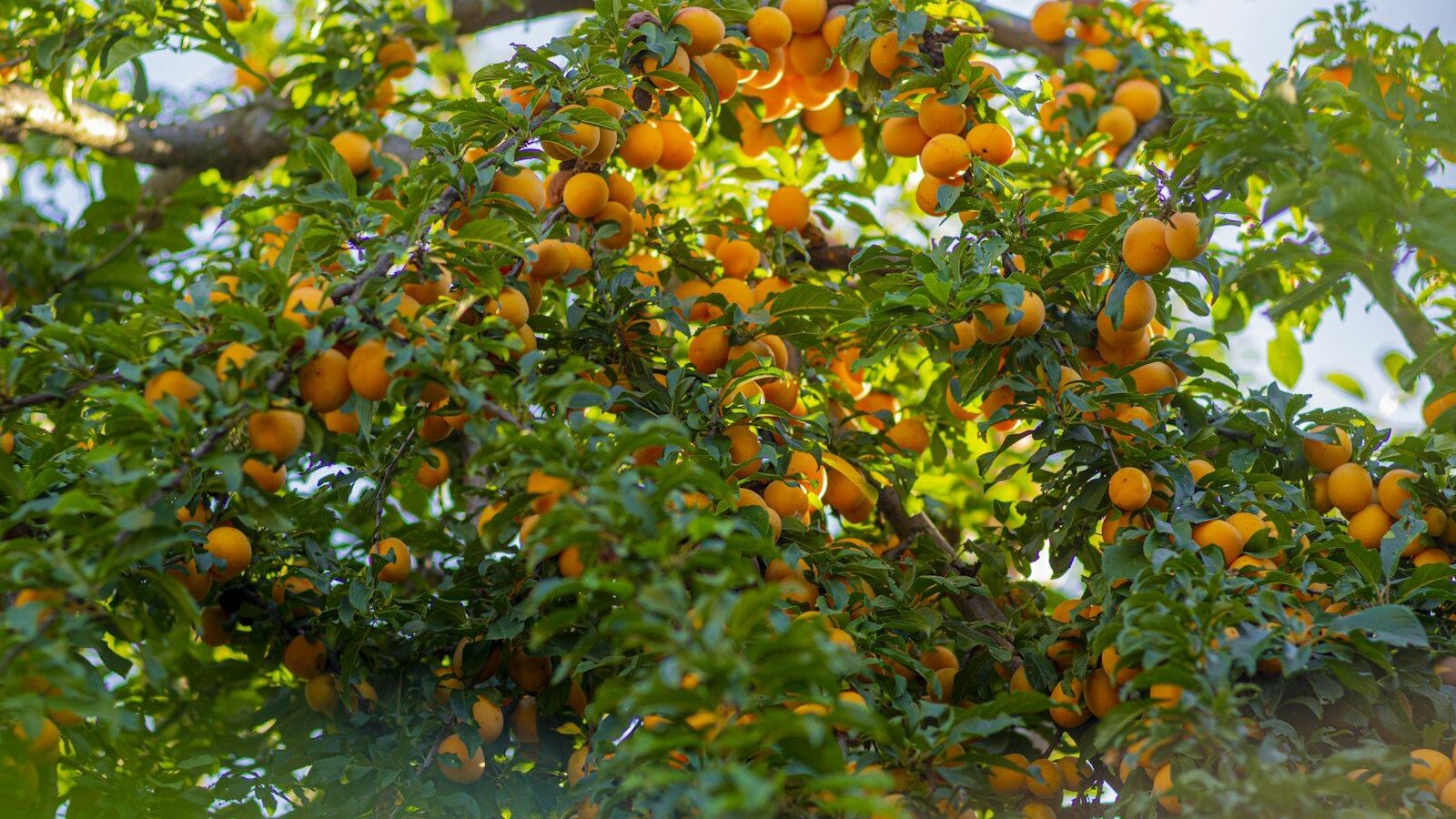
The kumquat is the most cold-hardy and forgiving citrus you can grow, which makes it the tree to start with if you have never grown your own oranges or lemons. It is a compact, slow-growing evergreen that tops out around 8 to 15 feet in the ground and stays much smaller in a pot, covered in glossy dark-green leaves and, in winter, dozens of bright oval fruit you eat whole—skin and all. The peel is sweet, the flesh is tart, and the combination is bracing and addictive. Kumquats tolerate temperatures into the low 20s Fahrenheit, fruit reliably even in cool conditions, and grow happily in a container that you can wheel into a garage or sunroom when a hard freeze threatens. This guide covers everything you need to grow a productive kumquat tree: the right USDA zones, how to plant it in the ground or a pot, watering and feeding rhythms through the year, and exactly when and how to harvest the fruit.
Key Takeaways
- Hardiness: Kumquats are the toughest citrus, reliably hardy in USDA zones 9–11 and survivable into the low 20s°F; in zones 4–8 grow them in a pot and overwinter indoors.
- Light: Give them full sun—at least 6–8 hours—for heavy fruiting and sweet peel.
- Soil: Plant in well-drained, slightly acidic soil (pH 6.0–6.5); citrus hate wet feet.
- Container-friendly: They thrive in a 15–20 gallon pot, staying 4–6 feet tall, making them ideal for patios and cold climates.
- Harvest: Fruit ripens late fall through winter and holds on the tree for weeks—pick when fully colored deep orange and slightly soft.
Kumquat Varieties Worth Knowing
Most kumquats sold in the US fall into two main types, and knowing the difference helps you pick the flavor you want. ‘Nagami’ is the classic and most widely grown—oval fruit with a sweet skin and notably tart, almost sour flesh. It is the workhorse for marmalade and candying and the variety you will see most often at nurseries. ‘Meiwa’ is rounder, larger, and sweeter overall, with less acidity, making it the best choice for eating fresh straight off the tree. There is also ‘Marumi’, a round, slightly spicy type that is among the most cold-hardy of all.
You will also encounter hybrids on nursery tables. The calamondin (a kumquat-mandarin cross) is often sold as an ornamental “calamansi” and is even more cold-tolerant, while limequats and orangequats cross kumquat with lime and mandarin respectively. All are self-fertile, so a single tree will set fruit on its own without a pollinating partner—a big advantage for small gardens and patios.
USDA Zones and Climate
Kumquats are reliably hardy outdoors in the ground in USDA zones 9 through 11, and an established tree can shrug off brief dips into the low-to-mid 20s°F—several degrees colder than a lemon or lime will tolerate. In zone 8, you can often grow one in the ground in a protected microclimate (against a south-facing wall, under an overhang) with frost cloth on the coldest nights, but it is a gamble in a hard winter.
In zones 4 through 8, the smart move is to grow your kumquat in a container and treat it as a patio plant that comes inside for winter. The tree spends spring through fall outdoors soaking up sun, then moves to a bright, cool room, sunroom, or attached garage before the first hard freeze. Because kumquats go semi-dormant in cool weather and need less light in winter, they overwinter indoors far more gracefully than most citrus.
Planting a Kumquat in the Ground
If you are in zone 9 or warmer, plant in spring once the danger of frost has passed and the soil has warmed. Choose the sunniest spot you have—6 to 8 hours of direct sun is the floor for good fruiting—with excellent drainage. Kumquats will not tolerate standing water, so avoid low spots and heavy clay that stays soggy. A gentle slope or a raised berm helps enormously.
Step by Step
- Dig a hole as deep as the root ball and twice as wide. Do not amend the backfill heavily—citrus establish best in native soil so roots spread outward rather than circling.
- Set the tree so the top of the root ball sits about an inch above the surrounding grade; planting too deep is a leading cause of citrus decline.
- Keep the graft union (the swollen knob low on the trunk) well above the soil line.
- Backfill, firm gently, and build a shallow watering basin around the drip line.
- Water deeply to settle the soil, then mulch with 2–3 inches of bark, keeping it pulled back several inches from the trunk to prevent rot.
Space multiple trees 8 to 10 feet apart. For the first two or three years, focus on building a strong root system and an open, well-lit canopy rather than chasing fruit.
Growing a Kumquat in a Container
The container option is what makes kumquats accessible to gardeners far outside the citrus belt. Start with a pot around 15 to 20 gallons (roughly 18–24 inches across) with generous drainage holes. Terracotta breathes well; plastic and glazed pots hold moisture longer and stay lighter to move—pair a heavy pot with a wheeled plant caddy so you can roll the tree indoors each fall.
Use a fast-draining mix made for citrus or cactus, or build your own by cutting a quality potting mix with extra perlite, pine bark, and coarse sand so water runs straight through. Never use garden soil in a pot—it compacts and suffocates roots. Place the container where it gets maximum sun. When you bring it inside for winter, set it by your brightest window or under a grow light, keep the room cool (55–65°F is ideal), and water far less than in summer. Watch for spider mites and scale in dry indoor air and hose the foliage or wipe leaves periodically. A container kumquat typically stays a manageable 4 to 6 feet tall and can fruit heavily for years before it needs repotting or root-pruning, usually every 2–3 years.
Watering and Feeding
Kumquats want soil that is consistently moist but never waterlogged. In the ground, water deeply once or twice a week during the growing season, letting the top inch or two dry between soakings; established trees need less. In a pot, check often—containers dry quickly in summer heat and may need water every day or two, while in winter they may go a week or more. Inconsistent watering causes fruit drop and split fruit, so aim for steady moisture rather than drought-then-flood swings.
Feed with a fertilizer formulated for citrus, which supplies the nitrogen and the micronutrients (especially iron, zinc, and manganese) that citrus crave. Apply in roughly three feedings spread across the active growing season—early spring, late spring, and midsummer—and stop feeding by late summer so the tree hardens off before winter. Yellowing leaves with green veins signal a micronutrient deficiency that a good citrus food will correct. For deeper guidance on amending beds and balancing soil pH, see our broader notes on growing in the Plants & Flowers section, and if you are gardening on a balcony or patio our Urban Gardening guides cover container culture in depth.
Pruning and Routine Care
Kumquats need little pruning. Remove dead, crossing, or inward-growing branches to keep the canopy open, and snip any suckers that sprout from below the graft union—these come from the rootstock and will never produce good fruit. The best time for shaping is right after harvest in late winter or early spring, before the spring flush. Keep the center of the tree open enough that sunlight and air reach the interior, which improves fruiting and reduces fungal problems.
Watch for the common citrus pests: aphids and the curling damage of leafminers on tender new growth, plus scale and mealybugs that excrete sticky honeydew and invite sooty mold. A strong jet of water, horticultural oil, or insecticidal soap handles most outbreaks. Healthy, well-fed trees in full sun shrug off the majority of problems on their own.
When and How to Harvest
Kumquats ripen from late fall through winter, with most fruit coloring up between November and March depending on your climate. The fruit turns from green to a deep, even orange and softens slightly when ready. Unlike many fruits, kumquats do not continue ripening off the tree, so let them color fully before picking. A real advantage of the kumquat is that ripe fruit holds well on the branch for weeks, so you can harvest gradually as you eat them rather than picking all at once.
Pick by clipping the stem with pruners or by gently twisting the fruit off; pulling can tear the peel. To eat one fresh, give it a gentle roll between your fingers to release the oils, then pop the whole thing in your mouth—the sweet skin and tart flesh balance each other. Beyond fresh eating, kumquats shine candied, sliced into salads, simmered into marmalade, or muddled into drinks. A mature tree can produce hundreds of fruit in a good season, so expect to have plenty to share.
Frequently Asked Questions
How cold can a kumquat tree tolerate?
Kumquats are the most cold-hardy true citrus and an established tree can survive brief drops into the low-to-mid 20s°F. They are reliably hardy in the ground in USDA zones 9–11. In colder zones, grow yours in a container and bring it into a bright, cool room or garage before the first hard freeze.
Do I need two kumquat trees to get fruit?
No. Kumquats are self-fertile, so a single tree will flower and set fruit on its own with no pollinating partner. This makes them ideal for small gardens, patios, and indoor-overwintering setups where you only have room for one tree.
How long until a kumquat tree produces fruit?
A grafted nursery tree often carries a little fruit within the first year or two, with meaningful crops by years three to four as the canopy fills out. Trees grown from seed take much longer—often five to seven years or more—and may not come true to the parent, so buy a grafted plant for faster, reliable fruit.
Why are my kumquat leaves turning yellow?
The usual culprits are overwatering or poor drainage, or a micronutrient deficiency. Yellowing leaves with green veins point to iron, zinc, or manganese shortage—correct it with a citrus-specific fertilizer. Uniform yellowing and soggy soil mean you are watering too much; let the top inch or two dry between soakings and confirm the pot or planting site drains freely.
Can you eat the skin of a kumquat?
Yes—the whole point of a kumquat is eating it skin and all. The peel is sweet and the flesh is tart, so they balance each other. Roll the fruit between your fingers first to release the aromatic oils in the skin, then eat the entire fruit. ‘Meiwa’ types are sweetest for fresh eating, while tart ‘Nagami’ is best candied or made into marmalade.