

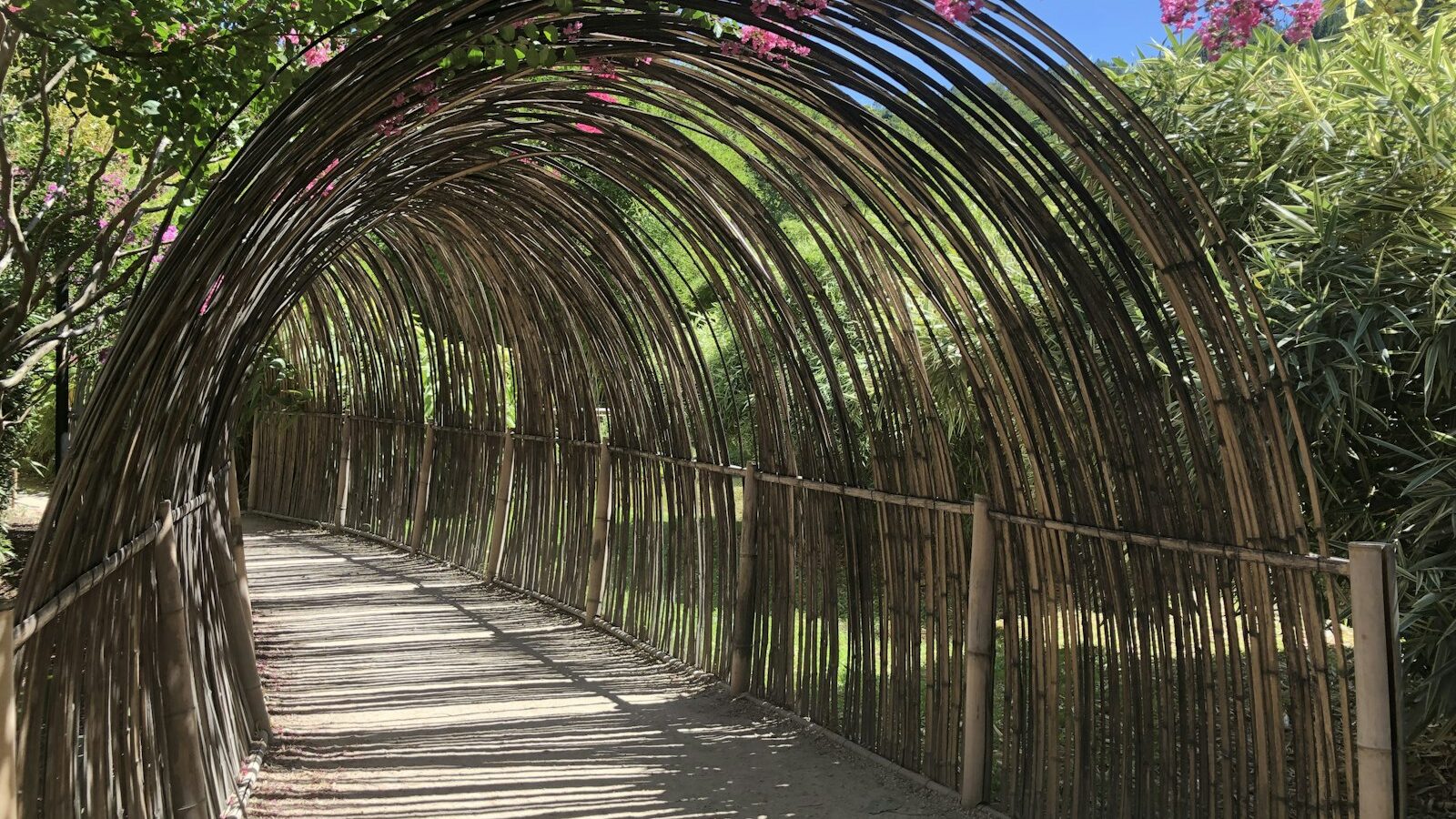
A pergola is one of the most rewarding additions you can make to a Singapore home. In our hot, humid, year-round tropical climate, a well-designed pergola transforms an exposed patio, garden, or rooftop into a shaded outdoor living room you can actually use, whether you live in a landed property or an EC, condominium, or terrace house with a private yard. It tames the harsh midday sun, channels monsoon rain away from your seating, frames climbing greenery, and lifts the value and kerb appeal of the whole property.
This guide covers everything Singapore homeowners ask about pergolas: the design styles that suit our weather, how the main materials compare on cost and maintenance, louvered versus fixed roofs, roofing options, the permits you may need, and realistic SGD price ranges. If you are also weighing up a deck or a green boundary, see our guides to outdoor decking in Singapore and a garden fence and trellis.
What a pergola adds to a Singapore home
The single biggest benefit is shade. A pergola knocks down direct sun and surface temperatures so a paved patio or timber deck becomes comfortable to sit on by late afternoon. Pair it with a solid or louvered roof and you also gain shelter from sudden tropical downpours, extending your usable outdoor hours all year. Beyond comfort, a pergola defines an outdoor zone, an alfresco dining nook, a poolside lounge, a BBQ corner, and creates a structure for climbers such as bougainvillea or jasmine to soften the architecture. For landed homes, it is a relatively affordable way to add genuine living space without the cost of a full extension.
Pergola materials compared
Material choice is the biggest driver of both cost and how the pergola ages in Singapore’s sun and rain. The four common options are tropical hardwood (typically Chengal), powder-coated aluminium, steel, and wood-plastic composite (WPC). The table below compares them at a glance.
| Material | Indicative cost (SGD) | Maintenance | Durability in sun & rain |
|---|---|---|---|
| Timber (Chengal) | $$$ mid to high | High — needs oiling/sealing every 1–2 years | Excellent if maintained; naturally rot and termite resistant, weathers to silver-grey |
| Aluminium (powder-coated) | $$$–$$$$ mid to high | Low — occasional wash down | Excellent; rust-proof, ideal for louvered/motorised systems |
| Steel (galvanised/coated) | $$ low to mid | Medium — watch for rust at joints and scratches | Very strong; vulnerable to corrosion in humidity if coating fails |
| WPC composite | $$–$$$ low to mid | Low — no oiling, just cleaning | Good; resists rot and termites, can fade slightly over years of UV |
In short: choose Chengal timber for natural warmth and a classic tropical look if you do not mind regular upkeep; choose aluminium for a clean modern finish and the lowest fuss, especially for louvered roofs; choose steel for large spans on a tighter budget, accepting some rust vigilance; and choose WPC for a timber look without the oiling routine.
Louvered and motorised vs fixed roofs
A traditional pergola has fixed beams or slats overhead, giving partial, dappled shade. That is fine for climbers and looks lovely, but it will not keep rain off. The popular upgrade in Singapore is the louvered pergola, an aluminium roof of adjustable blades you can tilt for more shade or open for ventilation. Motorised louvered versions add a remote or app, and many include rain sensors that close the blades automatically when a downpour starts, draining water through built-in gutters.
Fixed pergolas are cheaper and simpler. Louvered and motorised systems cost considerably more but deliver true all-weather flexibility, which is genuinely valuable given how quickly our weather swings between blazing sun and heavy rain. For most landed homeowners wanting a usable outdoor room, a louvered aluminium roof is the sweet spot.
Roofing and covering options
- Polycarbonate panels — affordable, lightweight, and rainproof; UV-treated sheets cut glare while letting daylight through. The most common rain cover for fixed pergolas.
- Tempered or laminated glass — premium, sleek, and easy to see through, but pricier and shows dust and leaf litter readily.
- Climbing plants — bougainvillea, thunbergia, or jasmine over an open frame give living shade and a true tropical feel, though they need pruning and offer no rain protection.
- Retractable fabric or shade cloth — a flexible, lower-cost way to add or remove shade as needed.
Design styles
The right style follows your home’s architecture. Modern minimalist pergolas use slim aluminium or steel in black, charcoal, or white for sharp, clean lines, perfect for contemporary landed houses. Tropical resort styling leans on Chengal timber, natural tones, and lush planting for a Bali-inspired retreat. Attached pergolas extend off the house wall to shelter a patio or kitchen door, while freestanding structures create a destination in the garden or by the pool. For ideas on tying the structure into planting, see our notes on tropical garden design in Singapore.
Permits and approvals
This is the step homeowners most often overlook. A pergola is an outdoor structure, and additions to landed property may require approval from the URA (Urban Redevelopment Authority) for planning and the BCA (Building and Construction Authority) for structural and building works, depending on size, height, location relative to boundaries and drains, and whether it is covered or attached to the house. Small, open, freestanding garden features may fall under exemptions, but larger or roofed structures frequently do not.
If you live in a condominium or EC, you will also need to check your MCST by-laws and management approval before building anything on a PES or roof terrace. The safest path is to engage a contractor or qualified person who can advise on, and where needed submit, the relevant applications. Always check current URA and BCA requirements for your specific plot before you commit, as the rules and exemptions are updated from time to time. A reputable landscape design and build firm will handle this as part of the project.
Rough cost ranges in Singapore
Pricing varies widely with size, material, roof type, foundations, and finishing, but the following are sensible planning figures for supply and installation:
- Basic fixed pergola (steel or simple timber, open or polycarbonate roof): roughly SGD 3,000–8,000 for a modest patio size.
- Quality Chengal timber pergola: roughly SGD 8,000–18,000 depending on span and detailing.
- Aluminium louvered pergola: roughly SGD 12,000–30,000, with motorised, sensor-equipped systems at the upper end and beyond for large areas.
- Add-ons such as integrated lighting, side screens, glass walls, and built-in drainage add several thousand dollars each.
Always get at least two or three itemised quotes so you can compare like for like on material grade, roof system, and warranty. For larger landed projects, a pergola is often planned alongside decking, planting, and hardscaping, see our guide to landed property landscaping for the bigger picture.
Gazebos and trellises
A gazebo is a fully roofed, often octagonal or square freestanding pavilion, more enclosed than a pergola and built for complete shelter, ideal as a poolside or garden retreat. A trellis is a lighter lattice frame, usually vertical, designed to support climbing plants against a wall or as a screen. Pergolas sit between the two: more substantial than a trellis, more open than a gazebo. Many gardens combine them, a pergola over the dining area, a trellis for greenery and privacy along the fence.
Frequently asked questions
Do I need approval to build a pergola in Singapore?
Possibly. Additions to landed property may need URA planning approval and BCA building approval depending on size, height, and whether the structure is roofed or attached to the house. Always check current URA and BCA requirements for your plot, and for condos, your MCST by-laws.
Which pergola material lasts best in our climate?
Powder-coated aluminium is the lowest-maintenance and rust-proof choice, while Chengal timber is extremely durable if you oil it every year or two. WPC offers a timber look with little upkeep, and steel is strong but needs rust vigilance.
How much does a pergola cost in Singapore?
A basic fixed pergola starts around SGD 3,000–8,000, a quality Chengal timber pergola runs roughly SGD 8,000–18,000, and an aluminium louvered or motorised system typically ranges from SGD 12,000–30,000 or more depending on size and features.
Will a pergola keep the rain out?
An open or slatted pergola gives shade but not rain protection. For all-weather use, add a polycarbonate or glass roof, or choose a louvered aluminium system, ideally motorised with a rain sensor and built-in gutters.
What is the difference between a pergola and a gazebo?
A pergola is a partly open overhead structure, often with slats or a louvered roof, while a gazebo is a fully roofed, enclosed freestanding pavilion offering complete shelter. Pergolas suit defined outdoor living zones; gazebos suit standalone garden retreats.
Featured project by Gensou Aquascaping
Get free pergola quotes in Singapore
Tell us about your project and we’ll match you with vetted local landscaping pros. Free quotes, no obligation.