

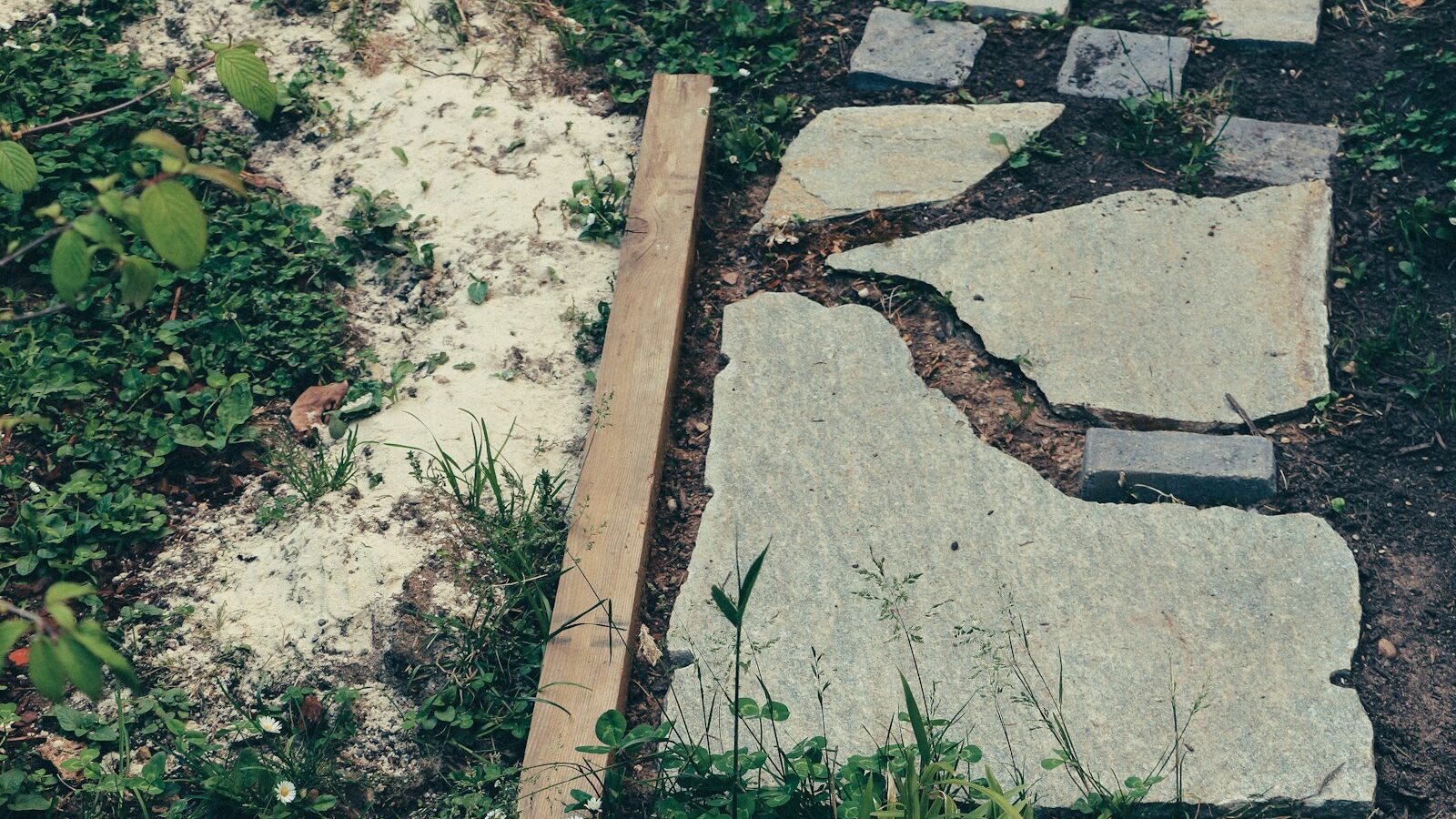
A well-designed path does more than get you from the back door to the garden shed: it shapes how your whole yard feels, draws the eye toward focal points, and quietly tells visitors where to walk. Whether you want a crunchy gravel trail through a cottage border or a crisp flagstone walkway to the front door, the right material and layout can transform an ordinary backyard. This guide rounds up 30 path and walkway ideas across nine materials and a dozen design themes, with honest notes on looks, cost, and upkeep so you can pick what fits your style and budget.
Key takeaways
- Gravel and mulch are the cheapest, most DIY-friendly paths; flagstone, pavers, and poured concrete cost more but last decades with little upkeep.
- A solid base (excavation, gravel, and compaction) matters more than the surface material for preventing sinking, weeds, and frost heave.
- Curved, meandering paths feel relaxed and cottage-like; straight paths read formal and move you quickly to a destination.
- Build main walkways at least 36-48 inches wide so two people (or a wheelchair) can pass comfortably.
- Mixing materials, adding low-voltage lighting, and planting between stepping stones turn a plain path into a design feature.
Path materials compared at a glance
Before diving into individual ideas, it helps to see how the common materials stack up. Costs below are rough installed ranges for the US and vary by region, access, and whether you DIY. Use this as a starting point, then read the sections that follow for the design details.
| Material | Look | Cost | Upkeep |
|---|---|---|---|
| Gravel | Casual, cottage, rustic | $5-$12/sq ft | Medium: top up, edge, weed |
| Decomposed granite | Natural, soft, earthy | $4-$10/sq ft | Medium: refresh, re-stabilize |
| Stepping stones | Informal, playful | $8-$20/sq ft | Low-medium: reset, weed joints |
| Flagstone | Elegant, organic | $15-$30/sq ft | Low: occasional joint repair |
| Brick | Classic, formal | $14-$28/sq ft | Low-medium: weeds, releveling |
| Concrete pavers | Clean, versatile | $12-$25/sq ft | Low: sweep, refill joint sand |
| Poured concrete | Modern, seamless | $8-$18/sq ft | Low: seal, watch for cracks |
| Mulch / bark | Soft, woodland | $2-$6/sq ft | High: replenish yearly |
| Recycled / reclaimed | Eclectic, eco-friendly | Varies widely | Varies by material |
Loose materials: gravel, decomposed granite, and mulch
Loose-fill paths are the fastest, most affordable way to define a walkway, and they drain beautifully. The trade-off is upkeep: loose materials migrate, thin out, and need topping up over time. Strong edging is non-negotiable to keep them in their lane.
Gravel and pea stone
- Pea gravel: smooth, rounded stones that feel great underfoot but roll around; best in low-traffic, contained areas.
- Crushed angular gravel: the chips lock together and compact firmly, making it the better choice for main walkways.
- Look and cost: casual and cottage-friendly for $5-$12 per square foot installed; one of the best budget options.
- Pro tip: lay landscape fabric under the gravel and use steel, stone, or composite edging to cut weeding and keep stones off the lawn.
Decomposed granite (DG)
- A fine, sandy crushed granite that packs into a firm, natural-looking surface popular in dry and Mediterranean-style gardens.
- Stabilized DG (mixed with a binder) resists washout and gives a smoother, more walkable surface than loose gravel.
- Earthy gold and tan tones blend with rock landscaping ideas and drought-tolerant planting.
- Plan to refresh and re-stabilize every few years, especially on slopes where runoff carries fines away.
Mulch and bark paths
- The cheapest path going ($2-$6 per square foot) and ideal for woodland, vegetable-garden, and informal routes.
- Soft and quiet underfoot; shredded hardwood or bark nuggets both work, with nuggets lasting a bit longer.
- High upkeep: organic mulch breaks down and compacts, so expect to replenish at least once a year.
- Great as a temporary path while you decide on a permanent material, or to connect beds in a larger backyard landscaping plan.
Free, no-obligation quote · Connect with a local pro
Stepping stones and flagstone
Natural stone reads as timeless and high-end, and it works in nearly every garden style. You can space stones as individual steppers for a relaxed feel or fit them tightly for a continuous walkway.
Stepping stone paths
- Set individual stones (natural slabs, cut pavers, or precast rounds) with gaps for grass, groundcover, or gravel between them.
- Space stones so the centers fall about 24 inches apart, matching a comfortable, natural stride.
- Bed each stone on a few inches of sand or gravel and set it slightly proud of the soil to avoid trip lips and mower scalping.
- Perfect for crossing a lawn, threading through a border, or as a budget-friendly intro to stone.
Flagstone walkways
- Irregular flagstone (bluestone, sandstone, limestone, slate) fitted together creates an organic, upscale walkway.
- Dry-laid on a compacted gravel and sand base with planted or gravel-filled joints; or mortared over a concrete slab for a rigid, formal finish.
- At $15-$30 per square foot it costs more, but it lasts for decades with minimal care.
- Pairs naturally with a stone patio so the path and sitting area feel like one cohesive design.
Pavers, brick, and poured concrete
For the lowest-maintenance, most durable walkways, manufactured and rigid materials are hard to beat. They handle heavy foot traffic, look crisp, and give you the most control over shape and pattern.
Concrete pavers
- Uniform, interlocking units come in countless colors, shapes, and finishes, including styles that convincingly mimic natural stone.
- Sand-set over a compacted base so individual pavers can be lifted and reset if one settles.
- Lay them in herringbone or running-bond for strength, or basketweave for a more decorative look.
- Permeable paver versions let water soak through, easing drainage and runoff concerns.
Brick paths
- Classic and warm, brick suits traditional, colonial, and cottage homes especially well.
- Choose true clay pavers (rated for ground contact) over wall brick so the surface won’t spall in freeze-thaw climates.
- Patterns like herringbone and basketweave add visual interest; a soldier-course border frames the path neatly.
- Expect occasional weeding of joints and the odd relevel, but brick ages gracefully and develops character.
Poured concrete
- A seamless, modern surface that’s smooth, sturdy, and the most accessible underfoot.
- Dress it up with broom, exposed-aggregate, stamped, or colored finishes so it doesn’t read as a plain gray slab.
- Needs control joints to manage cracking and periodic sealing in harsh climates.
- Often the best value per square foot for long, straight runs like a front walkway or side yard.
Recycled and reclaimed path ideas
Eco-minded and budget gardeners can build standout paths from salvaged and recycled materials. These options add instant character and keep usable goods out of the landfill.
- Reclaimed brick: antique bricks bring weathered color and a sense of history.
- Broken concrete (“urbanite”): salvaged slab pieces laid like flagstone make a free or low-cost stone-look path.
- Crushed shell or recycled glass: a coastal, sparkling alternative to gravel in mild climates.
- Wood rounds or reclaimed pavers: tree-trunk slices or salvaged stone create a one-of-a-kind woodland walk (seal wood and expect a shorter lifespan).
Design themes: shape, style, and layout
Material sets the texture, but layout sets the mood. The same flagstone feels formal in a straight run and relaxed in a meandering curve. Think about where the path leads and how you want the journey to feel.
Straight vs. curved and meandering
- Straight paths feel formal, deliberate, and efficient; use them to connect two fixed points like a gate and a front door.
- Curved, meandering paths feel relaxed and inviting, slow the walker down, and add a sense of discovery.
- Give curves a real reason to bend, such as a tree, boulder, or planting bed, so they look intentional rather than random.
- A gentle S-curve through a lawn or border is one of the easiest ways to make a small yard feel larger.
Formal vs. cottage style
- Formal: symmetry, clean lines, tight joints, and uniform materials like cut stone, brick, or poured concrete.
- Cottage: irregular flagstone or gravel with plants spilling over the edges and softening every line.
- Match the path to your home’s architecture and the rest of your outdoor living space for a cohesive look.
- Edging style reinforces the theme: crisp steel for modern, tumbled stone or timber for rustic.
Mixed materials, planting, and lighting
- Mix materials for interest: stone steppers in a gravel bed, or a brick border around a concrete path, combine durability with character.
- Plant the joints with low, walkable groundcovers like creeping thyme, Irish moss, or dichondra to soften stone and release fragrance underfoot.
- Light the way with low-voltage path lights, recessed step lights, or solar fixtures spaced every 6-8 feet for safety and ambiance.
- Define the edges with metal, stone, brick, or composite edging to keep materials contained and lines clean.
Free, no-obligation quote · Connect with a local pro
Base prep, width, and accessibility basics
The most beautiful path will fail if the groundwork is wrong. A proper base prevents sinking, weeds, and frost heave, and smart sizing keeps the walkway comfortable for everyone who uses it.
Base preparation basics
- Excavate to the right depth: roughly 4-6 inches for loose materials and 6-8 inches or more for pavers and stone, deeper in cold climates.
- Lay down a compacted gravel sub-base, then a setting layer of sand or stone dust for rigid materials.
- Compact each layer with a plate compactor or hand tamper; skipping compaction is the top cause of settling.
- Slope the surface slightly (about 1-2%) away from the house and structures so water drains instead of pooling.
Width and accessibility
- Main walkways should be 36-48 inches wide so two people can walk side by side or pass comfortably.
- Secondary garden paths can narrow to 24-30 inches, but keep at least 36 inches anywhere a wheelchair or stroller needs access.
- Favor firm, stable, slip-resistant surfaces (poured concrete, tightly set pavers, stabilized DG) for accessible routes; avoid loose pea gravel.
- Keep grades gentle, eliminate trip lips between units, and add handrails on any steps or sloped sections.
Frequently asked questions
What is the cheapest material for a garden path?
Mulch or bark is the least expensive at roughly $2-$6 per square foot, followed by gravel at $5-$12. Both are DIY-friendly, but mulch needs replenishing yearly and gravel needs periodic topping up and edging to stay tidy.
How wide should a garden walkway be?
Make main walkways 36-48 inches wide so two people can pass comfortably. Secondary garden paths can drop to 24-30 inches, but keep at least 36 inches wherever a wheelchair, stroller, or wheelbarrow needs to get through.
Do I really need a gravel base under a path?
For pavers, brick, and stone, yes. A compacted gravel sub-base plus a sand or stone-dust setting layer prevents sinking, shifting, and frost heave. Skipping the base is the number one reason paths settle and develop trip hazards.
What can I plant between stepping stones?
Low, walkable groundcovers handle light foot traffic well: creeping thyme, Irish or Scotch moss, dichondra, and blue star creeper are popular. They soften the stone, suppress weeds, and many release a pleasant scent when stepped on.
Which path material lasts the longest with the least upkeep?
Poured concrete, natural flagstone, and concrete pavers all last for decades with minimal care. Pavers have the edge for repairs because you can lift and reset individual units, while concrete may eventually crack and need patching or sealing.
Featured project by Gensou Aquascaping
Want a path or walkway installed?
Compare free, no-obligation quotes from vetted local hardscaping pros near you.