

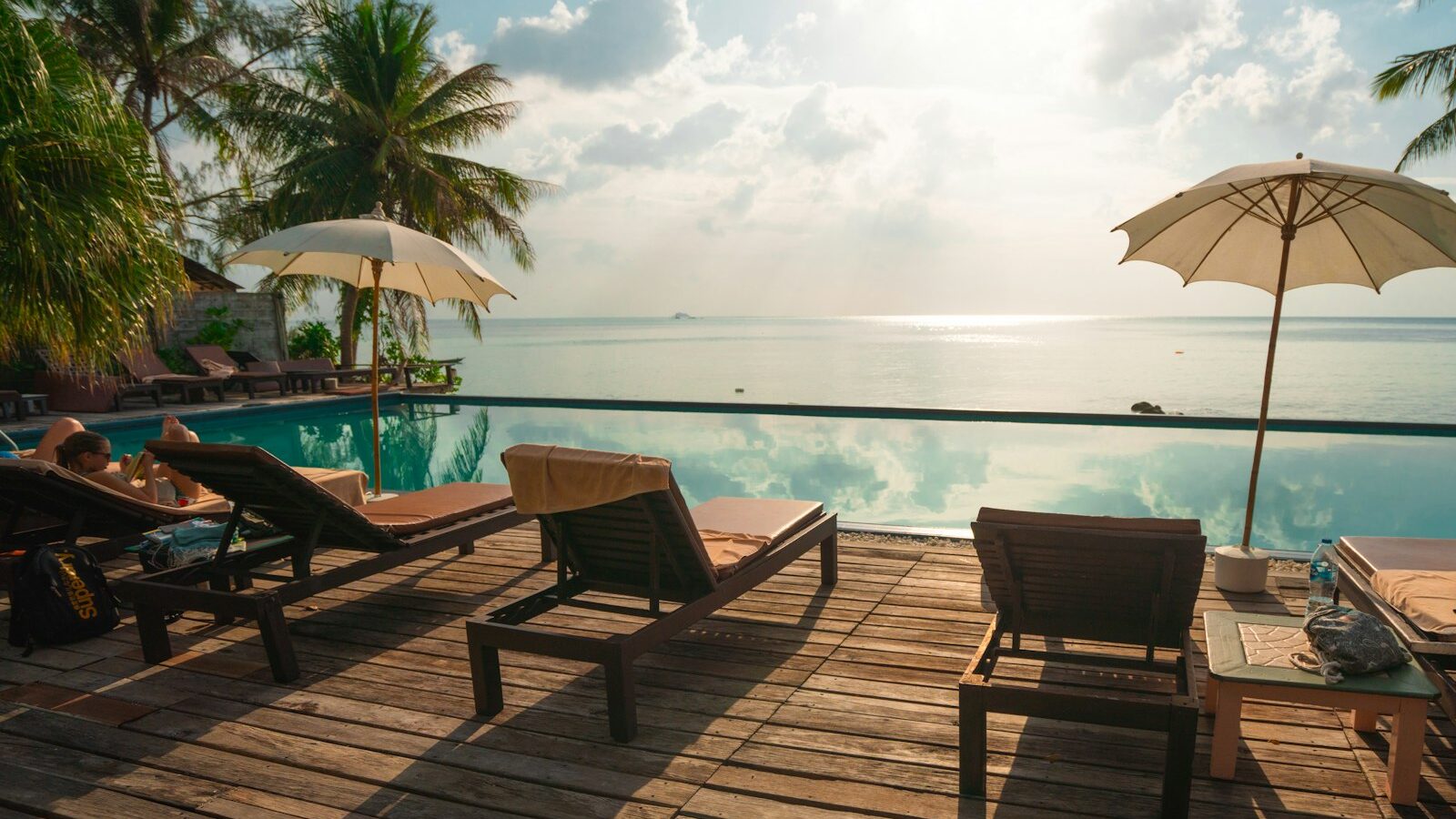
Outdoor decking has become one of the most popular ways to transform underused outdoor space in Singapore. Whether you live in an HDB flat with a service yard, a condo with a balcony, or a landed home with a generous garden, a well-built deck turns bare concrete into a warm, usable extension of your living space. It softens the harshness of tiles and screed, stays cooler underfoot than paving in the midday sun, and instantly lifts the look of any outdoor area.
This guide covers everything you need to plan an outdoor decking project here: the materials commonly used in our tropical climate, realistic SGD costs, how to choose between them, what installation over concrete or a balcony involves, and how to keep your deck looking good through years of heat, humidity and heavy rain. If you want to go deeper on any single topic, we link to detailed guides throughout.
Why decking suits Singapore homes
Decking works particularly well in Singapore because so much of our outdoor space is small, hard and exposed. A few square metres of timber or composite can completely change how a space feels and functions:
- Condo balconies — laying decking over the existing floor creates a seamless indoor-outdoor flow and hides utilitarian tiles, perfect for a small lounge or dining nook.
- HDB service yards and balconies — a low-profile deck makes a tight space feel intentional and tidy, ideal for a reading corner or plant display.
- Poolside and water features — timber and composite are kinder underfoot than wet tiles and offer better slip resistance.
- Landed gardens and patios — raised decking creates a level entertaining platform over uneven ground, lawns or sloping terrain.
For a broader look at how decking fits alongside paving and patios, see our overview of patios, decking and paving in Singapore.
Decking material options compared
Broadly, your choices fall into three camps: natural tropical hardwoods, WPC (wood-plastic composite), and timber-look tiles or modular decking. Each has a different balance of cost, lifespan and upkeep. The table below gives rough installed prices in SGD per square foot to help you compare like-for-like.
| Material | Type | Cost (S$/sqft installed) | Lifespan | Maintenance |
|---|---|---|---|---|
| Balau | Tropical hardwood | S$15–25 | 15–20 yrs | Moderate — oil yearly |
| Chengal | Tropical hardwood | S$20–35 | 20–30 yrs | Moderate — oil yearly |
| Accoya | Modified softwood | S$30–45 | 25+ yrs | Low — very stable |
| Teak | Hardwood | S$35–60 | 25+ yrs | Moderate — premium cost |
| WPC / composite | Wood-plastic composite | S$20–40 | 15–25 yrs | Low — wash only |
| Timber-look tiles | Porcelain / modular | S$12–30 | 20+ yrs | Very low — wipe clean |
Natural hardwoods such as Balau and Chengal remain the classic choice for their rich grain, durability and density, which suits our damp climate well. If you are weighing these two, our guide to Balau vs Chengal decking breaks down the differences in detail. For a full rundown of natural-wood options, see our timber decking in Singapore guide.
Composite decking has surged in popularity because it resists rot, splintering and fading with almost no upkeep — a big draw in a city where free weekends are precious. The trade-off is a slightly more uniform, manufactured look and a tendency to run warmer in direct sun. Our composite decking guide explains the grades and brands worth considering.
How to choose the right decking
There is no single “best” material — the right pick depends on where the deck goes, how much sun and rain it takes, and how much maintenance you are willing to do. Work through these questions:
- How much upkeep can you commit to? If you want to oil and clean once or twice a year, natural hardwood rewards you with a beautiful patina. If you would rather forget about it, composite or porcelain tiles are far more forgiving.
- How exposed is the area? Fully open landed patios and poolsides take relentless UV and rain. Choose a dense, stable material — Chengal, Accoya or a quality composite — that resists warping and cupping.
- What is your budget? For a tight budget, Balau or timber-look tiles deliver good value. For a premium, low-maintenance finish, Accoya, teak or top-tier composite are worth the spend.
- What look do you want? Warm, natural grain points to hardwood; clean, consistent and fuss-free points to composite or porcelain.
Installation over concrete and balconies
Most decking in Singapore is laid over an existing hard surface — a screeded balcony, a concrete patio or a poolside slab — rather than dug into soil. The boards sit on a sub-frame of timber joists or adjustable pedestals, raised a few centimetres above the slab to allow water to drain and air to circulate underneath. That ventilation gap is essential here: trapped moisture is the fastest route to rot and mould.
On a condo balcony, a good installer will check that the deck height clears your sliding-door threshold and does not block any floor drains or scupper outlets. Pedestal systems are popular for balconies because they are non-penetrating — no drilling into the waterproofing membrane — and the deck can be lifted later for maintenance or inspection. For a focused walkthrough of balcony projects, including drainage and height considerations, read our guide to balcony decking in Singapore.
If you live in a condo, check your management corporation’s by-laws before starting — many require approval for balcony works and may specify that the existing waterproofing must not be compromised. For landed homes, ensure your contractor accounts for falls (gentle slopes) so rainwater runs off rather than pooling.
Maintaining decking in the tropical climate
Singapore’s heat, humidity and frequent downpours are tough on outdoor surfaces. A bit of routine care keeps any deck looking its best:
- Sweep and rinse regularly to clear leaves, pollen and debris that trap moisture and encourage algae or mould — especially in shaded, north-facing corners.
- Oil natural hardwood once or twice a year to nourish the timber, deepen the colour and reduce surface cracking. Left untreated, hardwoods weather to a silvery grey — a look some owners actually prefer.
- Treat mould early with a deck-safe cleaner; our humidity means green or black spotting can appear quickly in low-airflow spots.
- Keep drainage clear so water never sits on or under the boards. Standing water is the main enemy of any deck here.
Composite and porcelain need the least attention — usually just a wash with soapy water — which is a major reason they have become so common on Singapore balconies.
Rough total cost: balcony vs landed patio
Total project cost depends on the material, the area, the complexity of the sub-frame and any edging or trim. As a rough guide for budgeting:
- HDB or condo balcony (around 50–80 sqft): roughly S$1,000–S$3,000 for timber, and S$1,500–S$3,500 for composite, including the sub-frame and labour.
- Landed patio or poolside (around 200–400 sqft): roughly S$4,000–S$12,000 depending on material and finish, with hardwood and composite at the higher end.
Remember that installed rates — timber decking typically S$15–35/sqft and composite S$20–40/sqft — already include the joist or pedestal sub-frame and fitting, so quotes priced only on board cost can be misleading. For a fuller breakdown of what drives the final figure, see our decking cost in Singapore guide, and always get at least three itemised quotes to compare like-for-like.
Frequently asked questions
What is the best decking material for Singapore’s climate?
There is no single winner. Chengal and Accoya are excellent dense, stable hardwoods for exposed areas, while quality composite offers near-zero maintenance. For a low-upkeep balcony, composite or porcelain tiles usually make the most sense; for a warm, natural landed garden deck, Chengal or Balau is hard to beat.
Can I install decking on my condo balcony myself?
Modular click-together tiles are DIY-friendly for a simple, level balcony. However, a proper raised deck needs correct sub-frame spacing, drainage falls and drain clearance, so most owners hire a professional — particularly as condo by-laws often require that the waterproofing membrane is not penetrated or damaged.
How long does outdoor decking last in Singapore?
With proper care, hardwood decks last 15–30 years depending on the species, composite typically lasts 15–25 years, and porcelain tiles 20 years or more. Good drainage, ventilation under the boards and routine cleaning make the biggest difference to lifespan.
Is composite decking better than wood?
Neither is universally better. Composite wins on low maintenance and resistance to rot and splintering, while natural wood wins on appearance, feel and the ability to be re-oiled or sanded back. Your priorities on upkeep, budget and look should guide the decision.
Do I need NParks or other approval for decking?
Decking within your own home generally does not require NParks approval, but if your project touches state land, a roadside verge or a drainage reserve you may need clearance from the relevant authority. Condo residents should also seek approval from their management corporation before starting balcony works.
Ready to compare options for your space? Use the quote form above to get matched with vetted local decking professionals, or explore our detailed guides on timber decking and composite decking to narrow down your choice.
Featured project by Gensou Aquascaping
Get free decking quotes in Singapore
Tell us about your project and we’ll match you with vetted local decking pros. Free quotes, no obligation.