

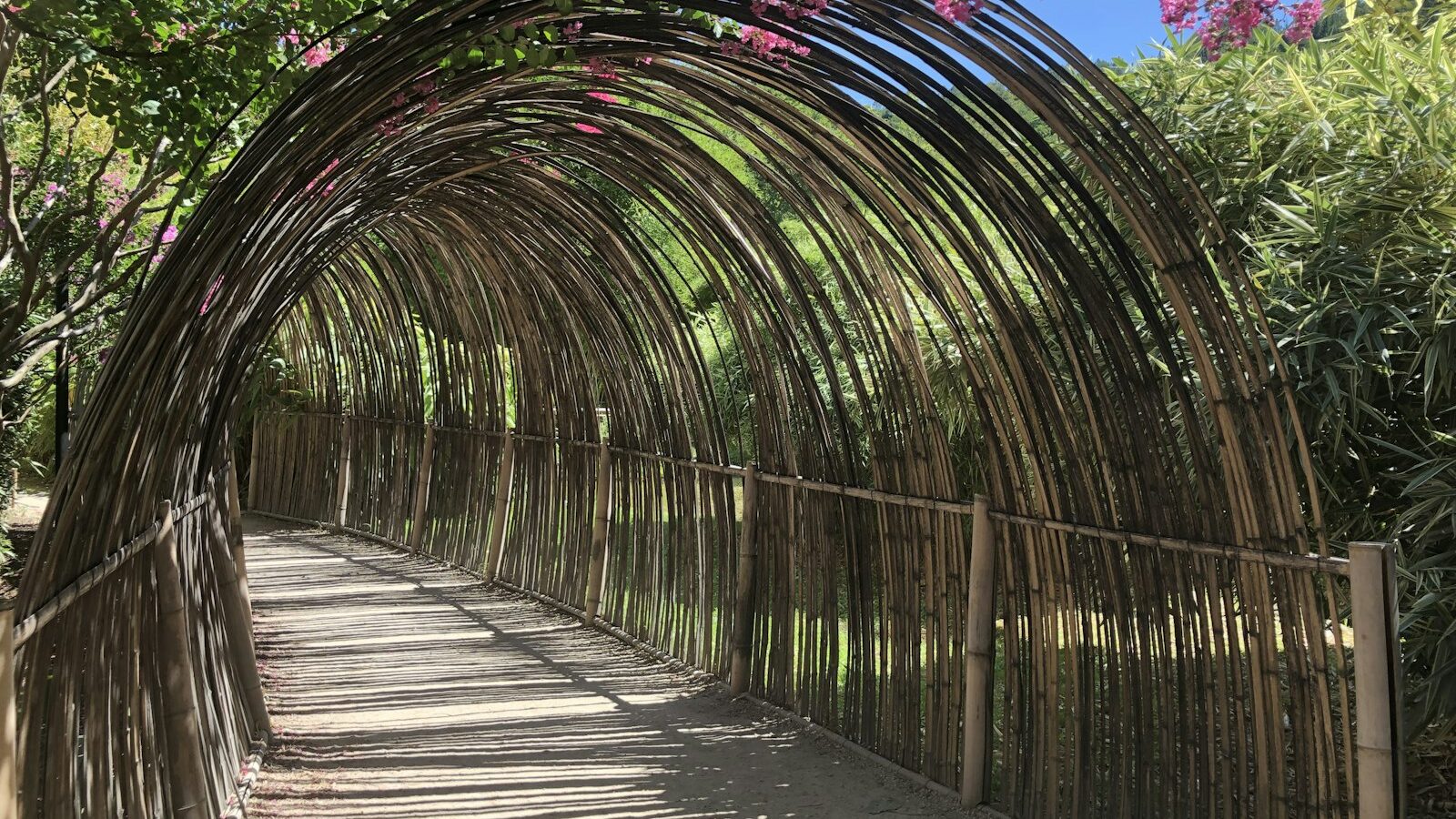
A pergola is one of the highest-impact upgrades you can make to a backyard: it defines an outdoor room, throws welcome shade over a patio or deck, and gives climbing plants something beautiful to grab onto. Whether you want a weekend kit or a custom build with a louvered roof, the right design comes down to a few choices about placement, material, and how you plan to use the space. Below are 25 pergola ideas grouped by theme, with quick practical notes and rough cost cues to help you plan.
Key takeaways
- Attached pergolas extend your home and are cheaper to build; freestanding ones can go anywhere but need more posts and footings.
- Material drives cost and upkeep: cedar is the budget-friendly classic, aluminum and vinyl are low-maintenance, steel is the strongest for big spans.
- A louvered (adjustable) roof is the upgrade that turns a pergola into all-weather shade you can dial in.
- Climbing plants, shade sails, and curtains are the cheapest ways to add real, cooling shade to an open-rafter design.
- Expect roughly $2,000–$6,000 for a kit install and $8,000–$20,000+ for a custom or louvered build.
Attached vs. freestanding: pick your footprint first
Before you fall in love with a material or a roof style, decide whether the pergola will lean on your house or stand on its own. This single choice shapes your budget, permitting, and where the structure can go.
1–3. Attached pergolas
- Off the back door (the classic). Bolted to a ledger board on the house, an attached pergola uses two posts instead of four and reads like a true extension of your living space. Great over a back patio or sliding-door entry.
- Over a kitchen window run. Shading west-facing glass cuts afternoon heat indoors. Quick note: flash the ledger properly so water never sits against the siding.
- Wrapping a corner. An L-shaped attached pergola can hug an inside corner of the house to shelter a longer seating run. Cost cue: attached builds typically run $3,000–$9,000 because they need fewer footings.
4–6. Freestanding pergolas
- Garden destination. Set a standalone pergola at the far end of the yard to create a reason to walk out there—pair it with a gravel pad and a bench.
- Poolside or hot-tub anchor. A freestanding frame defines a wet zone without touching the house. More on hot tubs below.
- Floating over a deck island. Posts can mount directly to a deck frame. Quick note: confirm your deck framing can carry the load before you build up. Cost cue: freestanding builds run $4,000–$12,000+ thanks to four posts and four footings.
Materials: wood, vinyl, aluminum, and steel
Material is the biggest lever on both price and long-term maintenance. Here is how the four common choices compare.
7–8. Wood and cedar
- Western red cedar. Naturally rot- and insect-resistant, warm-toned, and easy to work with. The go-to for a classic, organic look. Quick note: plan to re-seal every 2–3 years to keep the color.
- Pressure-treated pine. The budget hero. Paint or stain it and it holds up fine; let it weather and it grays. Cost cue: a PT or cedar kit can land between $1,500 and $5,000 before install.
9. Vinyl
- White, wipe-clean, no painting—ever. Vinyl pergolas suit traditional and coastal homes and shrug off moisture. Quick note: vinyl can flex on very wide spans, so it’s best at small to mid sizes. Cost cue: $3,000–$7,000 installed.
10. Aluminum
- Modern, light, and rust-proof. Powder-coated aluminum gives clean lines and near-zero upkeep, which is why most louvered systems are built from it. Cost cue: aluminum frames start around $4,000 and climb fast with motorized features.
11. Steel
- Maximum strength, minimum posts. Steel spans farther than any other material, so you get an airy, post-light frame over a big patio. Quick note: specify galvanized or powder-coated steel to prevent rust. Cost cue: custom steel is premium territory, often $10,000+.
Louvered & adjustable roofs: shade on demand
An open-rafter pergola only filters sun. If you want to actually control light and rain, a louvered roof is the upgrade to make.
12–14. Adjustable-roof options
- Manual louvers. A hand crank tilts the slats from full sun to full shade. The affordable way into the louvered category.
- Motorized louvers. A remote or wall switch rotates the roof; many close tight enough to shed rain into integrated gutters. Quick note: pair with a rain sensor so it closes automatically.
- Retractable canopy. A fabric panel glides along the rafters on a track—softer and cheaper than louvers, easy to add to a wood frame. Cost cue: full louvered systems typically run $10,000–$25,000+ depending on size and motorization.
Free, no-obligation quote · Connect with a local pro
Pergolas with climbing plants
Nothing softens a pergola like a vine threading through the rafters. Living shade is the cheapest cooling there is—just be patient while it fills in.
15–17. Best climbers
- Wisteria. Dramatic spring blooms and dense summer shade, but it’s vigorous and heavy—build a beefy frame and prune it twice a year. See our wisteria care guide before you plant.
- Climbing roses. Fragrant and showy; they need tying-in to the structure since they don’t twine on their own.
- Grapevine. Edible bonus, gorgeous fall color, and reliable leafy shade by midsummer. Quick note: grapes drop fruit, so avoid planting directly over seating you want spotless.
Pergolas over a patio, deck, or hot tub
The surface underneath shapes both the build and the vibe. Match the pergola to how the space is already used.
18–20. Placement ideas
- Over a patio. The most common spot—anchor posts into the slab or footings and you instantly get a defined dining or lounge room. Browse more patio ideas for the surface and furniture layout.
- Over a deck. Tie posts into the deck framing for a raised outdoor living room with a view. Our deck ideas guide covers railing and material pairings.
- Over a hot tub. A pergola adds privacy and a sense of enclosure to a spa. Quick note: skip dense overhead vines here (leaf litter in the water) and use a partial cover or sail instead.
Want a pergola designed & built?
Compare free, no-obligation quotes from vetted local landscapers near you.
Curtains, shade sails & soft shade
If plants are too slow and louvers are too pricey, fabric is the fast, flexible middle ground for real shade and privacy.
21–22. Fabric add-ons
- Outdoor curtains. Hung on a rod or cable, they block low-angle sun, add privacy, and bring a resort feel. Quick note: choose UV- and mildew-resistant outdoor fabric and weight the hems so they don’t billow.
- Shade sails. Triangular or square tensioned panels stretched across the rafters give modern, breezy coverage for well under $300 per sail.
Pergola lighting
Lighting is what makes a pergola usable after sunset, and it’s an easy DIY-friendly layer.
23–24. Lighting ideas
- String lights. Café-style bulbs zig-zagged across the top are the classic, affordable choice—run a guide wire so they hang taut.
- Integrated fixtures. Recessed downlights, post sconces, or a ceiling fan in a louvered roof. Quick note: budget for an electrician if you’re adding hardwired fixtures or a fan.
Budget kits vs. custom builds
Your last decision is whether to buy off the shelf or build to spec. Both can look great; they just serve different goals.
25. Kit or custom?
- Pre-cut kits ship as labeled parts you assemble in a weekend—great value at $1,500–$5,000 for wood or vinyl, more for aluminum. Best for standard sizes on a flat surface.
- Custom builds let you match the house, span wider, and add louvers or built-in lighting—plan for $8,000–$20,000+. Best when the pergola is a permanent centerpiece. Tie it into the larger plan in our outdoor living guide.
Frequently asked questions
Do pergolas provide real shade?
An open-rafter pergola only filters sunlight—expect dappled, partial shade. For real cooling, add climbing plants, a shade sail, a retractable canopy, or step up to a louvered (adjustable) roof you can close.
Do I need a permit to build a pergola?
Often yes, especially for attached structures, anything over a certain height or square footage, or builds near setbacks. Rules vary by city and HOA, so check with your local building department before you start.
Attached or freestanding—which is cheaper?
Attached is usually cheaper because it borrows support from the house and needs only two posts and footings. Freestanding requires four of each, but it can be placed anywhere in the yard.
What’s the lowest-maintenance pergola material?
Aluminum and vinyl are the most hands-off—no painting or sealing, and they won’t rot or rust. Cedar looks beautiful but needs re-sealing every few years; steel should be galvanized or powder-coated to stay rust-free.
How long does a pergola last?
A quality cedar or pressure-treated pergola lasts 10–20 years with upkeep, while aluminum, vinyl, and properly coated steel can last several decades with almost no maintenance.