

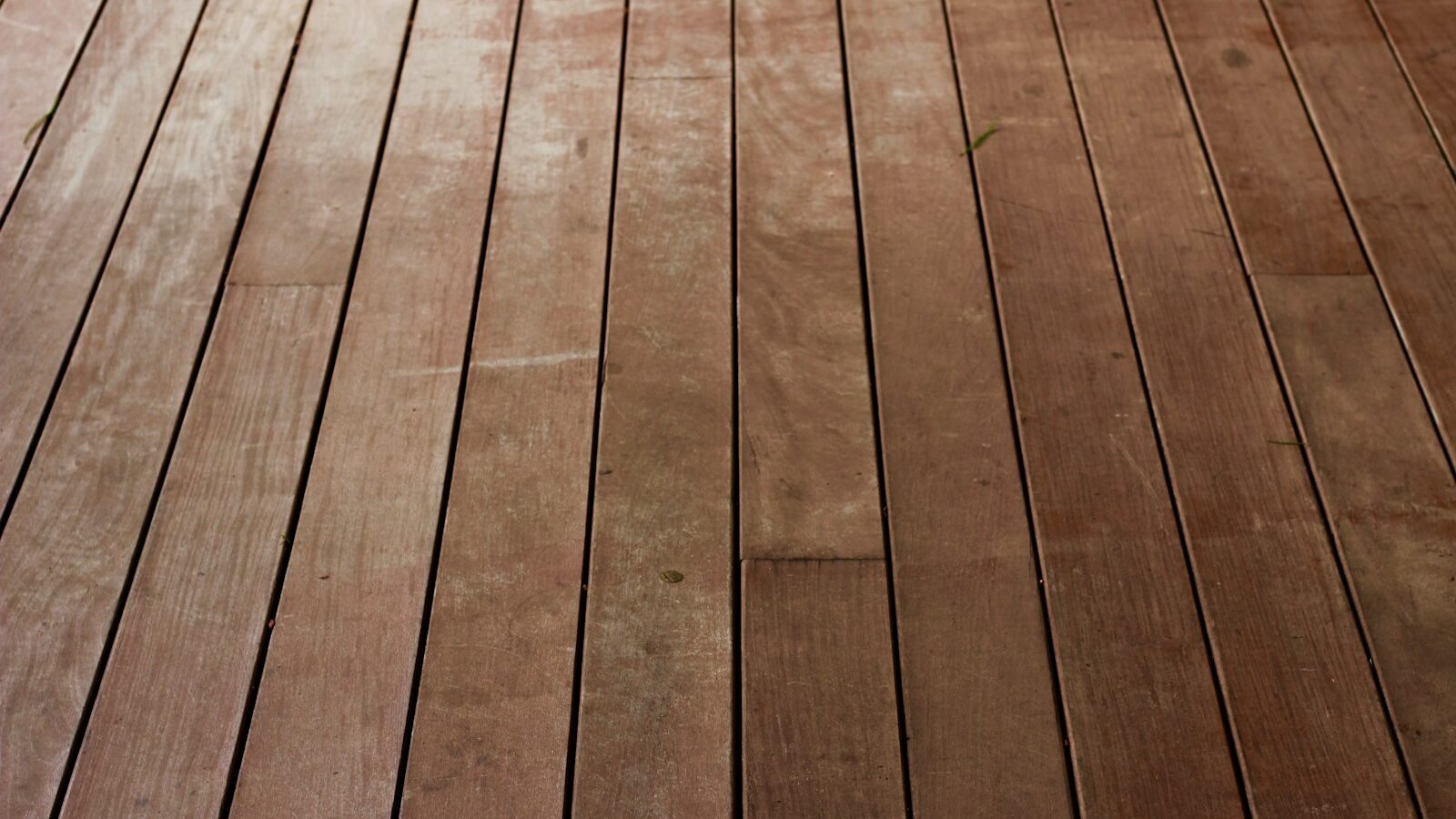
Timber decking remains the most sought-after way to transform a balcony, patio or poolside corner into a warm, liveable outdoor room in Singapore. Real wood underfoot brings a natural softness that tiles and concrete simply cannot match, and in our humid tropical climate the right hardwood can shrug off rain, sun and the occasional flooded balcony for decades. The challenge is choosing wisely: not every timber survives Singapore’s relentless moisture, and prices vary widely by species and finish.
This guide compares the popular tropical hardwoods used for outdoor timber decking here, explains why dense hardwood suits our weather, sets out a realistic maintenance schedule, and gives honest timber decking Singapore pricing so you can budget before you call a contractor. Whether you are dressing up an HDB service balcony, a condo planter ledge or a landed garden deck, the fundamentals are the same.
Why hardwood suits Singapore’s climate
Singapore sits a hair above the equator, so timber decking faces near-constant humidity, daily UV and sudden tropical downpours. Softwoods such as pine rot, warp and grow fungus quickly in these conditions, which is why local installers stick almost exclusively to dense tropical hardwoods. High-density species absorb less water, resist termites and fungal decay naturally, and stay dimensionally stable when the boards are repeatedly soaked and baked dry.
Density is measured loosely by durability class, where Class 1 is the most naturally durable. For decking exposed to weather and standing water, you want Class 1 or strong Class 2 timber. Anything less will need heavy chemical treatment to last, and even then will disappoint. The trade-off is that the densest woods are heavier, harder to cut and more expensive, so most homeowners choose based on budget and the look they want.
Popular tropical hardwoods compared
The four species below cover the vast majority of outdoor timber decking installed in Singapore. Balau and Merbau are the everyday workhorses, Chengal is the premium long-life option, and teak is the luxury choice usually reserved for feature areas or yacht-style finishes.
| Hardwood | Durability class | Colour | Approx. SGD/sqft (installed) | Lifespan | Maintenance |
|---|---|---|---|---|---|
| Balau | Class 2 (high) | Pale to medium honey-brown | S$15-22 | 15-20 years | Moderate; oil 1-2x/year |
| Chengal | Class 1 (very high) | Yellow-brown ageing to silvery-grey | S$22-32 | 25-40 years | Low; very forgiving |
| Merbau | Class 1-2 | Reddish-brown | S$16-24 | 20-25 years | Moderate; leaches tannin early |
| Teak | Class 1 | Golden-brown ageing to grey | S$28-35+ | 25-40 years | Low; naturally oily |
Balau
Balau is the default choice for affordable outdoor timber decking in Singapore. It is dense, strong and widely stocked, giving a clean honey-brown deck at a sensible price. Left unoiled it weathers to a soft grey, which many owners actually prefer. It is the best value entry point if you want genuine hardwood rather than composite.
Chengal
Chengal is the gold standard for longevity. As a true Class 1 timber native to the region, it resists decay and termites so well that older Chengal decks can outlast their owners. It commands a premium and supply can be tight, but for a landed garden or pool deck you want to build once, it is hard to beat. For a deeper look, see our Balau vs Chengal decking comparison.
Merbau
Merbau offers a rich reddish tone and excellent durability at a mid-range price. Its one quirk is tannin bleed: in the first months, rain can wash a rusty-red stain onto adjacent tiles or walls, so it needs a settling-in period and careful placement near light surfaces.
Teak
Teak is the luxury option. Its high natural oil content makes it beautifully stable and almost self-maintaining, which is why it is used on boats. The cost puts it out of reach for large decks, but it shines as a feature platform, an outdoor shower base or a designer balcony.
Oiling and maintenance schedule
All wood decking weathers, and you have two honest choices: oil it to preserve the warm colour, or let it silver naturally. Neither is wrong, but each has a routine. Skipping maintenance entirely will not rot a Class 1 timber, but it will lead to surface checking, splinters and a tired grey finish faster than you would like.
- Weekly: sweep off leaves and debris; rinse with water to stop dirt and mildew building up in the grooves.
- Monthly: scrub lightly with a soft brush and mild detergent, especially in shaded, damp corners prone to algae.
- Every 6-12 months: clean thoroughly, let dry, then apply two coats of decking oil to restore colour and water resistance. Balau and Merbau benefit most; Chengal and teak can be oiled less often.
- Annually: inspect for lifting boards, loose screws and end-grain checking; sand rough patches and reseal exposed ends.
In Singapore’s humidity, oiling frequency matters more than the brand of oil. A poolside or fully exposed deck dries and weathers faster than a covered balcony, so adjust the schedule to how much sun and rain your deck actually takes.
Timber vs composite decking
Composite decking, made from wood fibre and recycled plastic, is the main alternative to natural timber. It needs no oiling, will not splinter and holds its colour, which appeals to busy homeowners. The trade-off is a less authentic feel underfoot, a tendency to get hot in direct afternoon sun, and a manufactured look that purists dislike. Real hardwood, by contrast, ages with character and can be sanded back to life, but it demands the upkeep above.
Neither is universally better; it comes down to whether you value natural warmth or low maintenance. We compare them in detail in our guide to composite decking in Singapore, and you can browse all materials in our outdoor decking overview.
Best uses: balconies, patios and pools
Timber decking adapts to almost every Singapore home type. On HDB and condo balconies, lightweight Balau planks on adjustable plastic pedestals are popular because they sit above the existing tiles without drilling, protect the developer waterproofing, and can be lifted for cleaning. Always check your condo by-laws and HDB guidelines before any fixed work, and keep drainage gaps clear.
For landed patios and garden platforms, Chengal or Merbau on a proper joist sub-frame gives a solid, long-life surface that handles furniture and foot traffic. Around pools, choose a higher durability class and leave generous spacing between boards so water drains and the timber dries quickly; a barefoot-friendly hardwood that does not overheat is ideal. See our full range of patios, decking and paving options to plan the wider space.
Sustainability and sourcing
Tropical hardwoods come from regional forests, so responsible sourcing matters. Ask your supplier for legally harvested timber and, where available, certification such as FSC or PEFC, which indicates the wood comes from managed forests. Reclaimed Chengal, salvaged from old jetties and kampong structures, is another sustainable and characterful choice that many Singapore contractors can supply.
For larger landscaping projects, it is worth confirming that your works comply with NParks and town council requirements, particularly for anything affecting common property, drainage or trees. A reputable decking pro will advise on this as part of the quote.
Frequently asked questions
How much does timber decking cost in Singapore?
Expect roughly S$15-35 per square foot installed. Balau sits at the affordable end (around S$15-22/sqft), while Chengal and teak run S$22-35+/sqft depending on grade, board size and sub-frame complexity. Difficult access or a raised joist structure adds to the cost.
Which hardwood lasts the longest?
Chengal and teak, both Class 1 timbers, last the longest at 25-40 years with reasonable care. Balau and Merbau typically give 15-25 years, which is still excellent value for most balconies and patios.
Do I need to oil my timber deck?
No, but it is recommended if you want to keep the warm wood colour. Without oil, the deck weathers to a silvery-grey and may check or splinter slightly sooner. Durable hardwoods will not rot from skipping oil, but they look and feel better with it.
Can I install timber decking on an HDB or condo balcony?
Yes. Most balcony decks use a pedestal system that lays over existing tiles without drilling, preserving waterproofing. Check your HDB or condo management rules first, as some require non-permanent, removable installations and clear drainage.
Is timber or composite decking better for Singapore?
It depends on your priorities. Timber gives unmatched natural warmth but needs periodic oiling; composite is virtually maintenance-free but feels manufactured and can heat up in the sun. For an authentic outdoor room, hardwood wins; for fuss-free convenience, composite is worth considering.
Ready to compare species, finishes and quotes for your home? Use the form above and we will connect you with vetted Singapore decking specialists who can advise on the right hardwood for your balcony, patio or poolside space.
Featured project by Gensou Aquascaping
Get free timber decking quotes
Tell us about your project and we’ll match you with vetted local decking pros. Free quotes, no obligation.