

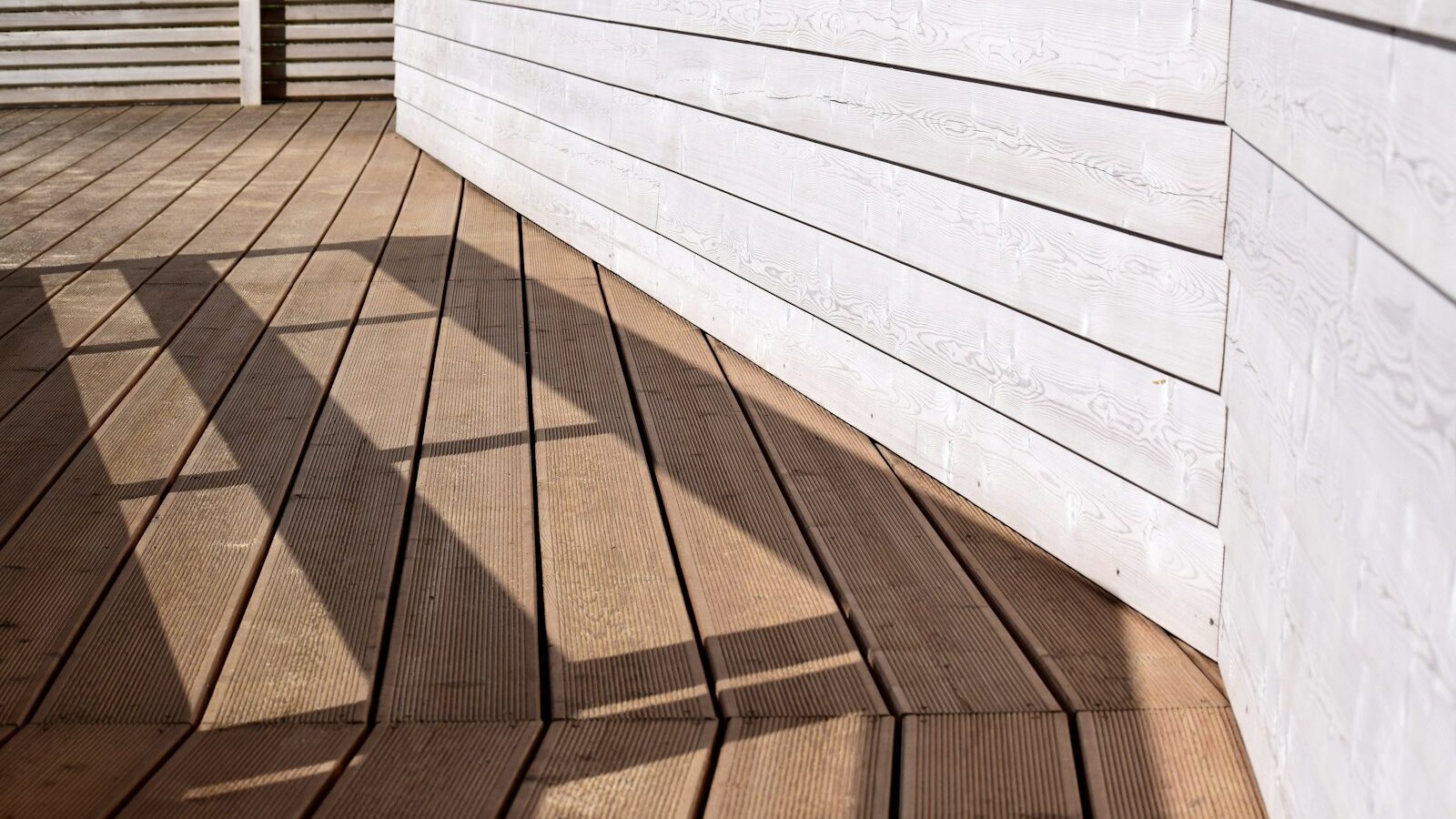
Composite decking has become one of the most popular outdoor flooring choices across Singapore, and it is easy to see why. In our hot, humid, monsoon-soaked climate, a deck that resists rot, repels termites and never needs oiling holds genuine appeal. Whether you are refreshing an HDB balcony, dressing up a condominium roof terrace or building a full deck around a landed garden, composite and WPC decking promise the warm look of timber with a fraction of the upkeep. This guide explains what the material actually is, what it costs in Singapore dollars, and the real pros and cons before you commit.
What is composite and WPC decking?
Composite decking is an engineered board made by blending recycled wood fibres or sawdust with plastic polymers such as polyethylene or polypropylene. This wood-plastic mix is why it is often called WPC decking, short for wood-plastic composite. The two terms are used almost interchangeably in Singapore, although strictly speaking WPC is the broad material category and “composite decking” usually refers to the finished boards sold for outdoor floors.
The result is a board that looks remarkably like timber but behaves very differently. Because the wood fibres are sealed within plastic, the material does not absorb water the way natural timber does, so it will not warp, splinter or rot in the way an untreated hardwood deck might. For homeowners who love the appearance of a timber deck but dread the maintenance, composite wood decking in Singapore offers a sensible middle ground.
The pros of composite decking in Singapore
Singapore’s tropical conditions are tough on outdoor materials. Year-round humidity, heavy rain and relentless sun punish natural timber, which is exactly where composite decking shines.
- Low maintenance: No annual sanding, staining or oiling. A wash with soapy water and a soft brush every few weeks keeps boards looking fresh.
- Termite and rot resistant: The plastic content gives termites nothing to feed on, and the sealed surface resists the fungal rot that thrives in our humidity.
- Splinter-free and barefoot friendly: Ideal for families with young children or anyone padding around a balcony barefoot.
- Colour stability: Quality capped boards resist fading far better than stained timber, holding their tone for years under strong sun.
- Consistent appearance: Boards arrive uniform in colour and grain, with no knots or natural defects to work around.
- Eco credentials: Many boards use recycled plastics and reclaimed wood fibre, appealing to greener households.
The cons you should weigh up
No material is perfect, and composite decking has trade-offs that matter in the Singapore context.
- Heat underfoot: Composite absorbs and holds heat. On a west-facing balcony in the afternoon sun, darker boards can become uncomfortably warm to walk on barefoot. Lighter colours and shaded areas mitigate this.
- Higher upfront cost: Good composite costs more per square foot than budget timber, though lower maintenance often evens this out over the deck’s life.
- The look: Premium boards are convincing, but a discerning eye can still tell composite from a genuine hardwood such as chengal or balau. Cheap boards in particular can look plasticky.
- Surface scratches: Uncapped boards can scratch or scuff, and stains from oil or grease may be harder to remove than expected.
- Not repairable like timber: A damaged composite board usually has to be swapped out rather than sanded back.
Composite vs timber decking compared
The choice usually comes down to composite versus a natural hardwood. The table below sets out how they stack up for a typical Singapore home. For a deeper look at solid timber, see our guide to timber decking in Singapore and our comparison of balau versus chengal decking.
| Factor | Composite / WPC | Natural timber |
|---|---|---|
| Installed cost (SGD) | S$20-40 per sqft | S$25-55 per sqft |
| Maintenance | Wash only, no oiling | Annual oiling and sanding |
| Lifespan | 15-25 years | 10-20 years (well maintained) |
| Appearance | Uniform, timber-like | Natural grain, premium feel |
| Heat underfoot | Warmer in direct sun | Cooler, more natural |
| Termite and rot | Highly resistant | Resistant if hardwood, needs care |
Capped versus uncapped composite
One of the most important decisions is whether to choose capped or uncapped boards, and it has a real effect on performance in our climate.
Uncapped composite
First-generation composite without a protective outer layer. It is cheaper, but the exposed wood-plastic surface is more prone to fading, staining and surface mould in humid, shaded corners. Best kept to budget projects or covered areas.
Capped composite
A polymer shell is bonded around the core, sealing it completely. Capped boards resist fading, scratching and staining far better and are the sensible choice for Singapore’s sun and rain. They cost a little more, but for an exposed balcony or open landed garden the upgrade is well worth it.
Is composite decking suitable for HDB and condo balconies?
Yes, and it is one of the most popular uses. Composite is lightweight, splinter-free and quick to install on a balcony, making it ideal for HDB flats and condominium units alike. Most balcony installations use a pedestal or batten system that sits above the existing screed, so there is no permanent fixing to the structure and the boards can usually be lifted later. This matters for HDB owners, where alterations should keep the original floor and drainage intact, and for condo residents who must respect management corporation rules and waterproofing warranties. Always check with your management before starting work on a condo balcony.
For landed homes, composite works beautifully for garden decks, pool surrounds and roof terraces, where its weather resistance really pays off. If you are still weighing your options across the whole house, our overview of outdoor decking in Singapore and our dedicated guide to balcony decking are good next reads.
How composite decking is installed
Installation is faster and cleaner than a traditional timber deck. A typical job follows these steps.
- Survey and levelling: The installer checks the substrate, falls and drainage so water runs away correctly.
- Sub-frame: Aluminium or composite joists are laid, often on adjustable pedestals for balconies and roof terraces, keeping the boards above any standing water.
- Board fixing: Boards are secured with hidden clips that slot between them, giving a clean, screw-free surface and allowing for thermal expansion.
- Trims and finishing: Edge trims and fascia boards conceal the frame for a neat, finished look.
A small balcony can be completed in a day or two, while a large landed deck may take a week. Leaving expansion gaps is critical in Singapore, as composite expands and contracts with temperature swings. You can see how decking fits alongside other hardscaping in our patios, decking and paving section.
Frequently asked questions
How much does composite decking cost in Singapore?
Expect roughly S$20 to S$40 per square foot installed, depending on the board quality, whether it is capped, the complexity of the sub-frame and the size of the area. Premium capped ranges sit at the top of that band.
Does composite decking get too hot in our climate?
It can feel warm in direct afternoon sun, especially darker boards. Choosing lighter colours, capped boards with cooler technology, or installing under partial shade keeps surfaces comfortable for bare feet.
How long does WPC decking last?
Quality capped composite typically lasts 15 to 25 years in Singapore conditions, often outliving a comparable softwood deck while needing far less maintenance over its life.
Can I install composite decking on my HDB balcony myself?
DIY click-tile composite is available, but for a fitted balcony deck a professional installer ensures correct falls, drainage and expansion gaps, and protects your waterproofing. This avoids ponding water and warranty issues later.
Is composite decking better than timber?
Neither is outright better. Composite wins on maintenance and weather resistance, while natural hardwood wins on appearance and that authentic underfoot feel. Your priorities, budget and how much upkeep you are willing to do should guide the choice.
Composite and WPC decking offer Singapore homeowners a practical, good-looking and low-maintenance way to enjoy outdoor living, from a compact HDB balcony to a sprawling landed garden. Weigh the heat and cost against the freedom from oiling and rot, choose capped boards for our humid tropical climate, and you will have a handsome deck that looks great for years. When you are ready, gather a few quotes from trusted local installers to compare options and pricing for your specific space.
Featured project by Gensou Aquascaping
Get free composite decking quotes
Tell us about your project and we’ll match you with vetted local decking pros. Free quotes, no obligation.