

Choosing a fence is one of the higher-stakes outdoor decisions you’ll make as a homeowner. It shapes your property’s curb appeal, decides whether your dog stays in the yard, and can run anywhere from a few hundred to several thousand dollars. The right answer depends entirely on what you need the fence to do. This guide walks through the most common types of fences, the materials they’re built from, real 2026 cost ranges, and a clear framework for matching a fence to your goals.
Part of our Landscaping & Hardscaping guide →
In this guide
We’ll cover wood, vinyl, chain-link, aluminum, composite, wrought iron, bamboo, and split-rail, then move into how to actually choose between them based on privacy, security, looks, pets, and budget. Finally, we’ll touch on the practical stuff people forget until it’s too late: permits, property lines, and gates.
The 8 Most Common Fence Materials
Wood Fences
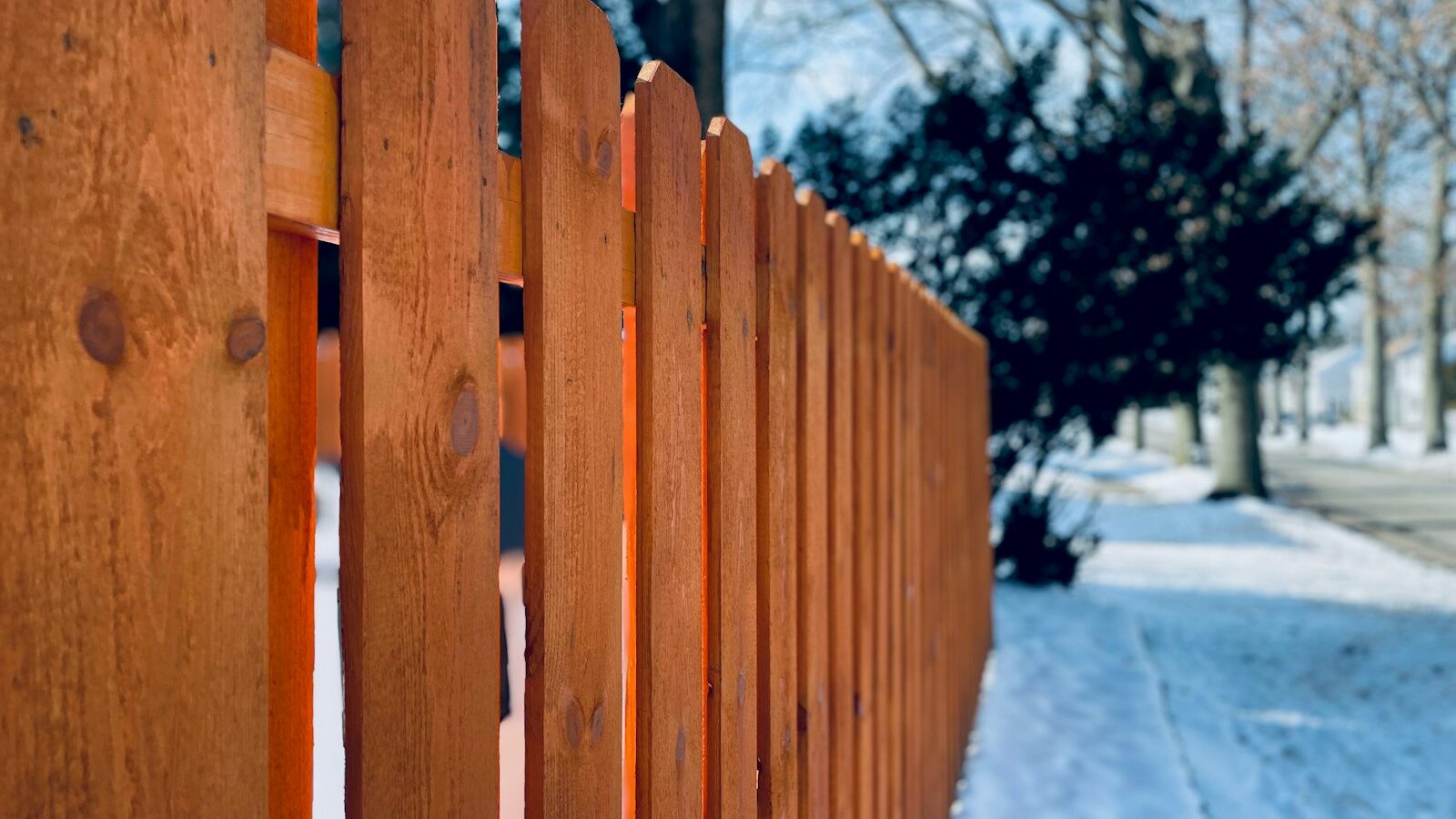
Wood is the default American backyard fence for good reason: it’s affordable up front, easy to customize, and looks warm and natural. Cedar and redwood resist rot and insects without chemical treatment, while pressure-treated pine is the budget choice. Wood handles privacy well in tall solid-board or shadowbox styles, but it’s the highest-maintenance option here. Expect to stain or seal it every two to three years, and plan on replacing warped or rotted boards over time. Most wood privacy fences last 15 to 20 years with upkeep.
Vinyl / PVC Fences
Vinyl is the low-maintenance answer to wood. It never needs painting or staining, won’t rot or attract termites, and cleans up with a garden hose. It comes in privacy panels, picket, and post-and-rail styles, usually in white, tan, or gray. The trade-off is a higher up-front price and a slightly less natural look. Cheaper vinyl can become brittle and crack in extreme cold or fade in harsh sun, so quality matters. A good vinyl fence lasts 25 to 30 years with almost no work.
Chain-Link Fences
Chain-link is the most economical way to enclose a yard, contain a dog, or secure a perimeter. Galvanized steel mesh shrugs off weather and needs essentially no maintenance. It offers zero privacy on its own, though privacy slats or climbing plants can soften it. It’s the go-to for backyards where function beats form, dog runs, and commercial lots. Vinyl-coated (usually black or green) versions look noticeably better and disappear into landscaping. Lifespan runs 15 to 25 years.
Aluminum / Metal Fences
Aluminum delivers the elegant ornamental look of wrought iron without the rust or the price. It’s lightweight, rustproof, and powder-coated so it holds color for decades with no maintenance. It’s an excellent choice around pools (it meets most code requirements), front yards, and slopes, since panels rack to follow grade. Aluminum is decorative and defines boundaries well but provides no privacy and only modest security. Quality aluminum fencing lasts 30-plus years.
Composite Fences
Composite blends recycled wood fibers and plastic to mimic the look of real wood while resisting rot, fading, and insects. It’s the premium privacy option: solid panels, no painting, no warping, and a substantial feel. The downside is cost, both for materials and the heavier installation. If you want the appearance of a stained wood fence with the maintenance profile of vinyl, composite is the sweet spot. Most composite fences carry 20-to-25-year warranties.
Wrought Iron Fences
True wrought iron is the classic high-end ornamental fence: heavy, strong, and timeless, often seen around historic homes and estates. It offers real security and unmatched longevity, lasting 50-plus years, but it requires periodic sanding and repainting to fight rust, and it’s expensive. Many homeowners who love the look choose powder-coated aluminum or steel instead to skip the upkeep. Genuine iron makes sense when authenticity and permanence justify the cost.
Bamboo Fences
Bamboo brings a fast-growing, eco-friendly, tropical or Zen aesthetic to a yard. It’s typically sold as rolled fencing or pre-built panels and works beautifully as a privacy screen or accent over an existing frame. It’s inexpensive and renewable, but it’s also the least durable option here. Untreated bamboo weathers, splits, and may last only 5 to 15 years depending on climate and sealing. It shines in mild, dry regions and garden settings rather than as a primary security fence.
Split-Rail Fences
Split-rail (post-and-rail) is the rustic, open fence you see along rural driveways, pastures, and large country properties. With just two or three horizontal rails, it marks boundaries and contains large animals without blocking views. It uses minimal material so it’s cheap per linear foot, especially across long runs, and goes up fast. Add welded-wire mesh on the back to keep dogs or smaller pets contained. It offers no privacy and minimal security, but for acreage it’s hard to beat on charm and value.
Free, no-obligation quote · Connect with a local pro
Fence Materials Compared: Cost, Look, Lifespan & Maintenance
The table below gives realistic 2026 US ranges for professionally installed fencing. Prices swing with height, panel style, terrain, local labor, and material grade, so treat these as planning numbers. For a tailored estimate, see our full breakdown of fence installation cost.
| Material | Look | Cost / linear ft (installed) | Lifespan | Maintenance |
|---|---|---|---|---|
| Wood | Warm, natural, customizable | $15–$40 | 15–20 yrs | High (stain/seal every 2–3 yrs) |
| Vinyl / PVC | Clean, uniform, modern | $25–$60 | 25–30 yrs | Very low (rinse clean) |
| Chain-link | Utilitarian, see-through | $10–$25 | 15–25 yrs | Very low |
| Aluminum | Ornamental, sleek | $25–$55 | 30+ yrs | Very low |
| Composite | Wood-like, premium | $30–$65 | 20–25 yrs | Low |
| Wrought iron | Classic, elegant, heavy | $30–$80 | 50+ yrs | Moderate (repaint to stop rust) |
| Bamboo | Natural, tropical/Zen | $12–$30 | 5–15 yrs | Moderate (seal regularly) |
| Split-rail | Rustic, open | $12–$30 | 15–20 yrs | Low to moderate |
One of the most common matchups homeowners weigh is wood against vinyl. We break down the up-front price, lifetime cost, and look in our dedicated guide to wood vs vinyl fence options.
How to Choose the Right Fence
Start with the job the fence has to do. Most fences are built for one of five reasons, and the right material follows naturally from your priority.
For Privacy
If blocking sightlines is the goal, you want a solid, tall barrier: a six-foot wood privacy fence, vinyl privacy panels, or composite. Shadowbox wood gives privacy while letting air through. For more inspiration on layouts and styles, browse our privacy fence ideas.
For Security
For keeping people or intruders out, prioritize height and strength: steel, wrought iron, or heavy-gauge aluminum with minimal footholds and pointed or flush tops. Avoid horizontal rails on the outside that double as a ladder. Chain-link with a top rail and locking gate is the budget security choice.
For Decoration & Curb Appeal
When the fence is about looks and defining a front yard, ornamental aluminum, a classic white picket, or a low decorative panel does the job without walling off the view. These pair well with a broader plan; our team can integrate fencing into a complete landscape design and build.
For Pets & Dogs
For dogs, height and gaps matter most. Large or jumpy breeds need at least a six-foot fence; diggers need a buried bottom rail or concrete footer. Avoid wide pickets a small dog can squeeze through. Chain-link, solid wood, and vinyl all work; split-rail needs added wire mesh to be pet-proof.
For a Tight Budget
If cost drives the decision, chain-link, pressure-treated wood, split-rail, and bamboo deliver the most fence per dollar. You can also cut costs with DIY-friendly designs and reclaimed materials. See our roundup of cheap fence ideas for ways to enclose a yard without overspending.
Free, no-obligation quote · Connect with a local pro
Permits, Property Lines & Gates
Before any post goes in the ground, handle three things that cause the most disputes and do-overs.
- Permits: Many cities and counties require a permit for fences above a certain height (often 6 to 7 feet in back, 3 to 4 feet in front). Check with your local building department first; an unpermitted fence may have to come down.
- HOA rules: If you’re in a homeowners association, get written approval. Many HOAs restrict materials, colors, and heights, and can fine you or force removal.
- Property lines: Never guess where your line is. Order a survey or locate your pins, and set the fence a few inches inside your boundary to avoid encroachment claims. Talk to neighbors early, especially about cost-sharing on a shared line.
- Call before you dig: Dial 811 a few days ahead so utilities can mark buried gas, water, and electric lines. It’s free and legally required in most states.
- Gates: Plan gate width to fit what passes through. A walk gate runs 3 to 4 feet; a drive or mower gate needs 10 to 12 feet. Use heavy hinges and a sag-resistant frame, since gates take the most wear.
If you’re handy, many of these fences are weekend projects. Our step-by-step walkthrough on how to build a fence covers layout, setting posts, and hanging panels.
Frequently Asked Questions
What is the cheapest type of fence?
Chain-link is usually the cheapest installed at roughly $10 to $25 per linear foot, followed closely by bamboo, split-rail, and pressure-treated wood. For the lowest possible cost, a DIY split-rail or wire fence on a long rural run beats everything per foot.
What type of fence lasts the longest?
Wrought iron and quality aluminum last the longest, often 30 to 50-plus years. Aluminum has the edge because it never rusts and needs no repainting, while iron requires upkeep to reach its full lifespan. Vinyl is the longest-lasting low-maintenance privacy option at 25 to 30 years.
Which fence is best for privacy?
A six-foot solid wood, vinyl privacy panel, or composite fence gives the best privacy. Composite and vinyl add the bonus of low maintenance, while wood is cheaper up front. For airflow plus privacy, choose a shadowbox or board-on-board wood design.
How much does it cost to fence a typical yard?
For an average quarter-acre lot needing about 150 to 200 linear feet, expect roughly $2,000 to $5,000 for chain-link or basic wood, $4,000 to $9,000 for vinyl or aluminum, and more for composite or ornamental iron. Gates, slopes, and removal of an old fence add to the total.
Do I need a permit to build a fence?
Often yes, especially for taller fences. Rules vary by city and county, and HOAs add their own requirements. Always check with your local building department and HOA before starting; skipping this step risks fines or having to tear the fence down.
The best fence is the one that matches your top priority, your climate, and your budget. Decide what the fence must accomplish first, pick the material that does that job with maintenance you can live with, and handle permits and property lines before you build. Do that, and your fence will earn its keep for decades.
Featured project by Gensou Aquascaping
Want a fence designed & installed?
Compare free, no-obligation quotes from vetted local fencing pros near you.