

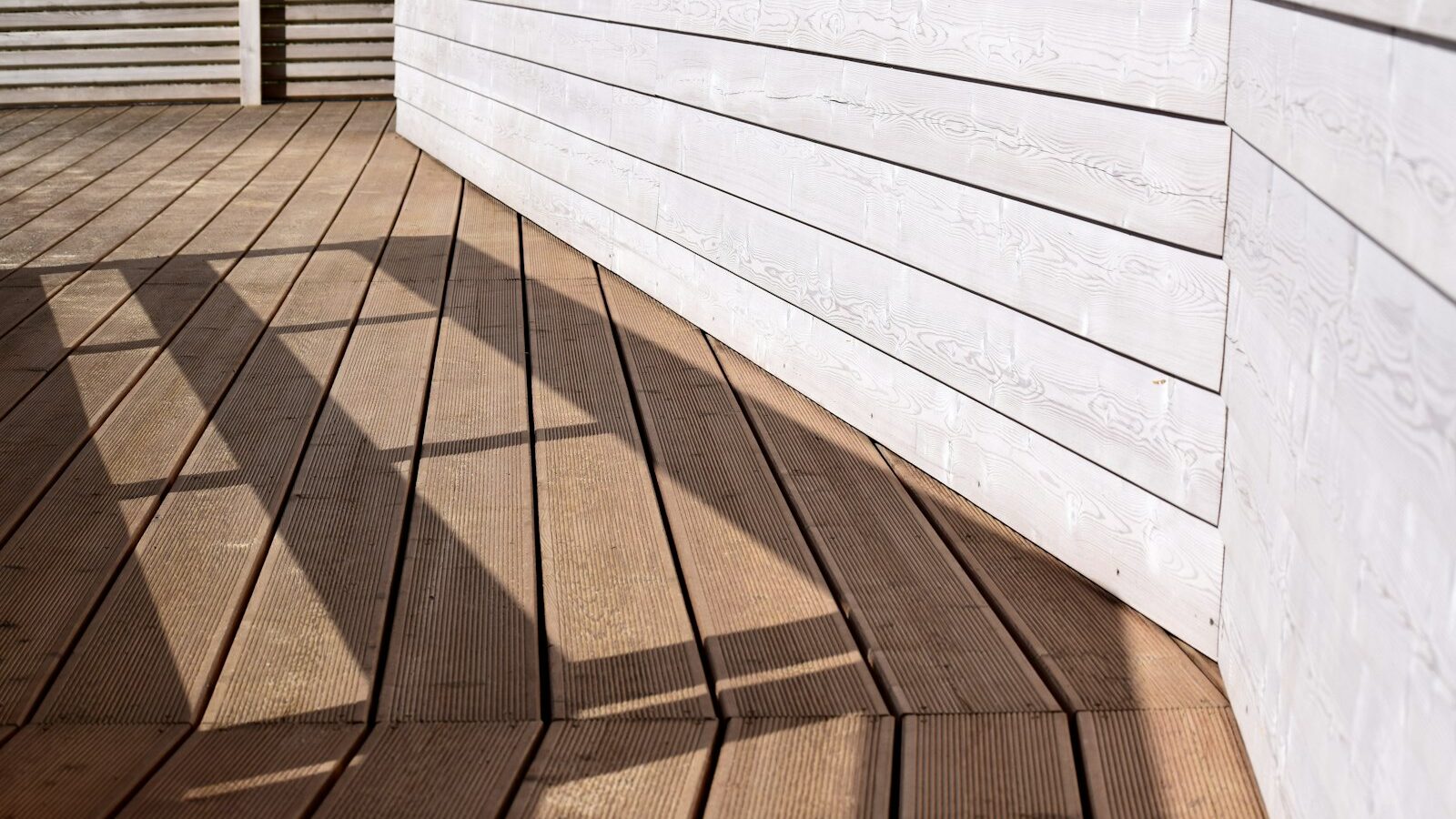
If you are planning a timber deck for your Singapore home, two tropical hardwoods will almost certainly land on your shortlist: Balau and Chengal. Both are dense, durable Southeast Asian species that cope admirably with our heat, humidity and monsoon downpours, and both are stocked widely by local decking suppliers. The catch is that they are not interchangeable. They differ in colour, grain, density, lifespan, maintenance demands and — crucially — price. Getting the choice right means a deck that ages gracefully for decades; getting it wrong means premature warping, fading or a budget blown on more timber than your project really needed.
This guide compares Balau decking and Chengal decking head to head for Singapore conditions, then helps you decide which suits your scenario — whether that is a tight budget, a poolside lounging area, a designer-led look or a once-in-a-lifetime deck you never want to replace.
Balau vs Chengal: the quick comparison
Before we dig into the detail, here is the head-to-head at a glance. Prices reflect typical 2026 Singapore supply-and-install rates and will vary with board thickness, joist spacing and site access.
| Factor | Balau | Chengal |
|---|---|---|
| Durability / density | Very high; ~850–950 kg/m³ | Exceptional; ~915–980 kg/m³, naturally oilier |
| Colour & grain | Warm light-to-medium brown, fairly even grain | Yellow-brown to reddish, ages to silvery grey; richer figure |
| Price (supply & install, SGD/sqft) | ~$18–$28 | ~$28–$42 |
| Expected lifespan (outdoors, SG) | 15–25 years | 25–40+ years |
| Maintenance | Oil 2–3 times a year to hold colour | Oil 1–2 times a year; very forgiving if left to grey |
| Availability | Widely stocked, shorter lead times | Stocked but scarcer; longer waits for wide/long boards |
Appearance: colour and grain
Balau presents as a warm, light-to-medium brown with a relatively uniform, straight grain. That consistency is part of its appeal: laid across a balcony or patio, Balau reads as calm and contemporary, and it pairs neatly with light render, white-frame glazing and minimalist planting. Freshly oiled, it has a honeyed glow.
Chengal is the more characterful timber. New boards range from yellow-brown to a deeper reddish tone, often with a livelier figure and the occasional darker streak. Left unoiled in Singapore’s strong sun, Chengal weathers to an elegant silvery-grey patina that many homeowners deliberately court for a resort or kampong-luxe aesthetic. If you want a deck with visible personality and depth, Chengal usually wins on looks; if you want clean uniformity, Balau is the safer pick.
Durability in Singapore’s climate
Both species are Class 1 durable hardwoods, which is exactly why they dominate the local market. Singapore’s combination of relentless humidity, UV intensity, sudden heavy rain and a year-round termite threat is punishing on softer timbers, but Balau and Chengal both have the density and natural extractives to resist rot, fungal attack and insect damage.
The difference is one of degree. Chengal is denser and noticeably oilier, giving it the edge in raw longevity and dimensional stability — it moves less with moisture swings, so you see less cupping and fewer surface checks over the years. Balau is still highly durable and will comfortably serve a residential deck for the better part of two decades, but it is marginally more prone to small surface checking and colour fade if maintenance lapses. For a deck in constant contact with splash, spray or standing water, Chengal’s extra resilience is worth weighing carefully.
Cost: what you will actually pay
Chengal is the premium of the two, typically commanding 40–60% more than Balau. As a rough Singapore guide for supplied-and-installed decking, Balau lands around $18–$28 per square foot while Chengal sits around $28–$42 per square foot, depending on board grade, length and the complexity of your sub-frame. Wide or extra-long Chengal boards carry a further premium because they are harder to source.
Look beyond the sticker price, though. Chengal’s longer lifespan and lighter maintenance schedule can make it the cheaper option over a 30-year horizon, even though it costs more on day one. Balau rewards a smaller upfront outlay and is the pragmatic choice if you may reconfigure the space within a decade or so. If you are still comparing materials more broadly, it is worth reading our overview of timber decking in Singapore alongside the lower-maintenance alternative of composite decking before committing.
Maintenance and oiling
Neither timber is fit-and-forget if you want to preserve its original colour, but the regimes differ. Balau benefits from a quality decking oil two to three times a year in Singapore’s harsh sun; skip it and the surface fades faster toward grey and is more likely to develop fine checks. The good news is that oiling Balau is straightforward and the timber drinks it in evenly.
Letting it grey gracefully
Chengal is more forgiving. Because it is naturally oilier and denser, one to two oilings a year are usually enough to keep its warm tone, and if you are happy to let it silver, you can largely leave it alone and simply wash it down periodically. Whichever you choose, keep the deck swept and free of trapped leaf litter — standing organic debris holds moisture and is the real enemy of any tropical hardwood. For step-by-step upkeep that applies to both species, see our guide to outdoor decking.
Which should you choose? By scenario
- On a budget: Balau delivers genuine tropical-hardwood durability at the lower price point, making it the sensible default for most HDB balconies and value-focused landed decks.
- For looks: Chengal’s richer colour, livelier grain and graceful silver-grey ageing make it the designer’s favourite where the deck is a feature, not just a floor.
- Poolside or wet areas: Chengal’s superior density and oil content give it the edge against constant splash and spray, resisting movement and checking better over time.
- Maximum longevity: If you want a deck measured in decades rather than years and are comfortable with the higher upfront cost, Chengal is the clear pick.
- High-traffic family balcony: Either works; Balau keeps the budget in check for a balcony deck, while Chengal rewards households planning to stay put for the long haul.
A note on sustainable sourcing
Both Balau and Chengal are slow-growing native species, and Chengal in particular is increasingly scarce, which is part of why it costs more. Insist on timber from responsibly managed sources — ask your supplier for certification such as FSC or PEFC, or documented legal-harvest provenance. Reclaimed Chengal, salvaged from old structures, is also available in Singapore and is both a characterful and an environmentally sound choice. Specifying certified or reclaimed stock protects the species and gives you a clearer conscience under the deck you will enjoy for years.
If your project extends beyond the deck itself to surrounding hardscape, our wider resource on patios, decking and paving in Singapore covers how timber, stone and paving can work together.
Frequently asked questions
Is Chengal really better than Balau?
Chengal is denser, oilier, longer-lasting and more characterful, so on pure performance and looks it does edge ahead. But “better” depends on your budget and goals — Balau offers most of the durability for noticeably less money, and for many residential decks that trade-off makes Balau the smarter buy.
How much more does Chengal cost than Balau in Singapore?
Expect Chengal to run roughly 40–60% more. As a 2026 guide, Balau is around $18–$28 per square foot supplied and installed, while Chengal sits around $28–$42 per square foot, with wide or long boards costing more again.
How long will each deck last in Singapore’s climate?
With reasonable maintenance, Balau typically lasts 15–25 years outdoors here, while Chengal commonly reaches 25–40 years or more. Good sub-frame ventilation and regular cleaning make a real difference to both figures.
Do I have to oil my deck?
Only if you want to keep the original warm colour. Oil Balau two to three times a year and Chengal one to two times a year. If you are happy for the timber to weather to a silvery grey, you can skip oiling and simply keep the deck clean — the structural durability is unaffected.
Which is best for a poolside deck?
Chengal, for its superior density and natural oil content, which resist movement and surface checking from constant splash. Balau can still be used poolside successfully, but it asks for more diligent oiling to stay at its best around water.
Get free decking quotes in Singapore
Tell us about your project and we’ll match you with vetted local decking pros. Free quotes, no obligation.