

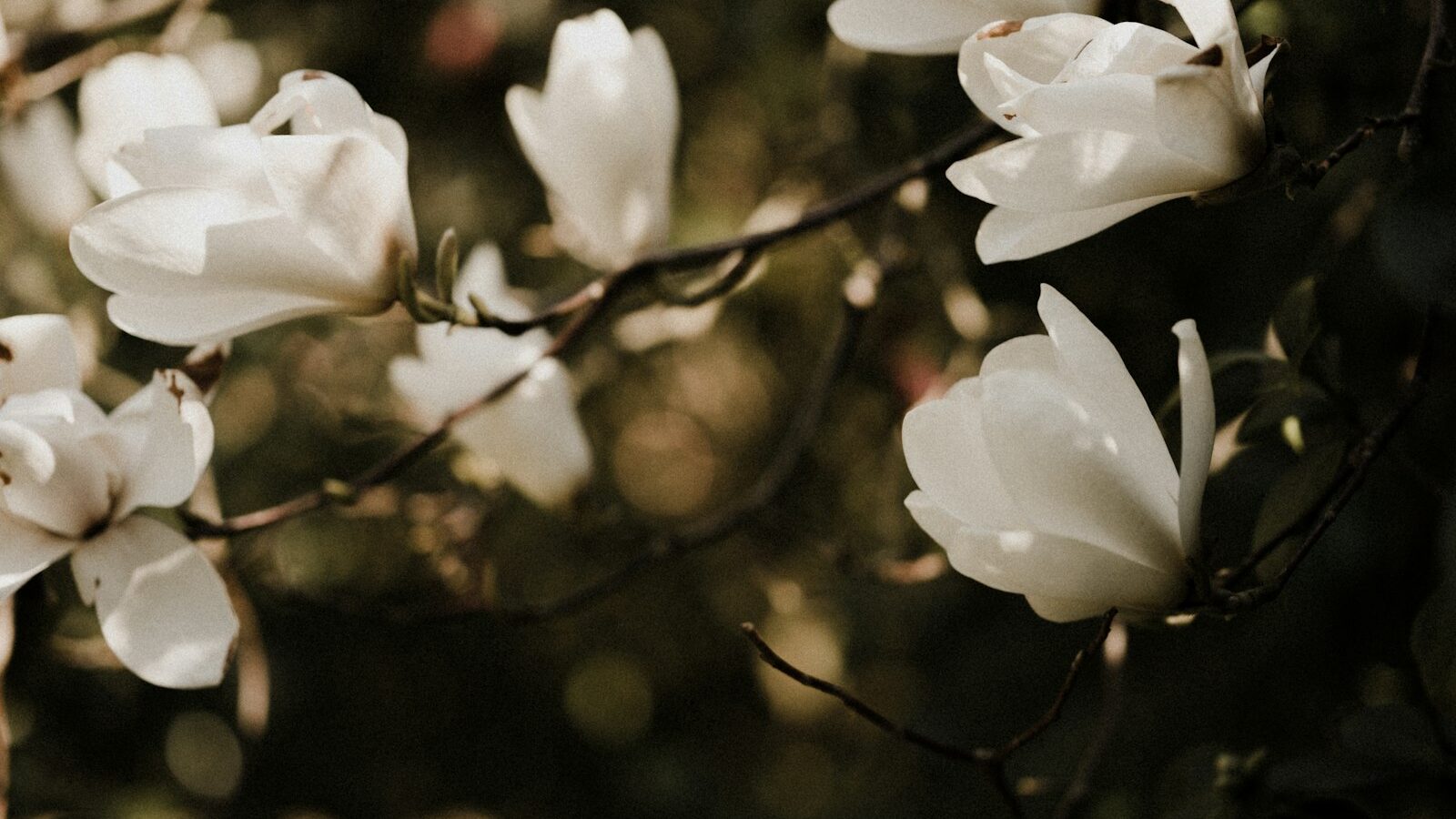
Few trees command attention like a magnolia in full bloom, whether it is a towering Southern magnolia draped in glossy evergreen leaves or a saucer magnolia exploding into pink goblet-shaped flowers before spring has properly begun. These ancient trees are surprisingly adaptable, thriving in cool US gardens and steamy Singapore courtyards alike. This guide covers the most popular magnolia types, how to choose and plant one, and the soil, water, feeding, pruning, and pest care that keeps them healthy for decades.
Magnolia quick facts
- Light: Full sun to part shade (6+ hours ideal; afternoon shade in hot tropical climates)
- Soil: Rich, moist, well-drained and slightly acidic (pH 5.5–6.5)
- USDA zones: 4–10 depending on species (tropical, non-zoned, in Singapore)
- Mature size: 8 ft (star) up to 80 ft (Southern), highly type-dependent
- Bloom: Late winter through summer; flowers white, pink, purple, or cream
As an Amazon Associate we earn from qualifying purchases.
Popular types of magnolia
Magnolias range from compact shrubs to enormous shade trees, and choosing the right one starts with knowing the major players. The Southern magnolia (Magnolia grandiflora) is the iconic evergreen with leathery leaves and dinner-plate-sized white blooms, perfect for large landscapes and warm climates. The saucer magnolia (Magnolia x soulangeana) is a deciduous favorite prized for its early, pink-purple, cup-shaped flowers. The star magnolia (Magnolia stellata) is the smallest of the bunch, a slow-growing shrub-tree covered in strappy white star flowers in late winter.
The sweetbay magnolia (Magnolia virginiana) is the most forgiving for wet sites and tolerates more shade, offering lemon-scented creamy blooms and semi-evergreen foliage in milder zones. Finally, the ‘Jane’ magnolia is one of the popular “Little Girl” hybrids, bred to bloom later in spring to dodge late frosts, with deep reddish-purple tulip-shaped flowers on a tidy small frame. You can browse live specimens of any of these as a balled-and-burlapped or potted magnolia tree to plant in your own yard.
| Type | Size | Zones | Notes |
|---|---|---|---|
| Southern (M. grandiflora) | 60–80 ft | 7–10 | Evergreen, huge fragrant white blooms, needs space |
| Saucer (M. x soulangeana) | 20–30 ft | 4–9 | Deciduous, early pink goblet flowers, frost-prone buds |
| Star (M. stellata) | 8–15 ft | 4–8 | Smallest, shrubby, white star flowers, great for small yards |
| Sweetbay (M. virginiana) | 10–35 ft | 5–10 | Tolerates wet soil and shade, lemon-scented blooms |
| ‘Jane’ (Little Girl hybrid) | 10–15 ft | 4–8 | Late bloomer, frost-resistant, reddish-purple flowers |
Choosing the right magnolia for your garden
Match the tree to your space first. If you have a sprawling lawn in a warm zone, a Southern magnolia delivers year-round evergreen structure, but it will overwhelm a small suburban lot. For tight courtyards, patios, or foundation plantings, a star magnolia or a ‘Jane’ hybrid stays in scale. Gardeners in cold zones who battle late frosts should favor ‘Jane’ and the other Little Girl hybrids over saucer magnolias, whose early buds are often browned by a surprise freeze.
Climate matters as much as size. In Singapore and other tropical regions, magnolias are grown as ornamentals without USDA zone constraints, but they appreciate afternoon shade and consistently moist, acidic soil to handle the heat and intense sun. In the cooler US, position bloom timing against your last frost date so you actually get to enjoy the flowers. For a broader look at siting ornamentals, see our plant & flower care guide.
Where and how to plant
Plant in early spring or fall when temperatures are mild and the tree can establish roots before stress sets in. Choose a spot with full sun to part shade and shelter from harsh wind, which can scorch leaves and snap brittle branches. Magnolias have wide, shallow, fleshy root systems that resent disturbance, so pick the location carefully—these trees do not like to be moved once settled.
Dig a hole two to three times as wide as the root ball but no deeper than the root ball itself; planting too deep is a leading cause of decline. Set the tree so the top of the root ball sits slightly above the surrounding soil, backfill with the native soil you removed, water deeply to settle out air pockets, and stake only if the tree is in a windy site. Avoid amending the backfill heavily, which can trap roots in a “pot” of rich soil instead of encouraging them to spread.
Soil, light, and water
Magnolias want rich, moist, well-drained soil that is slightly acidic, ideally in the pH 5.5 to 6.5 range. In alkaline soils the leaves may yellow between the veins (chlorosis); working in compost or pine bark and using an acidifying fertilizer helps. While sweetbay magnolia tolerates wet feet, most other types dislike soggy, waterlogged ground, so improve drainage on heavy clay sites before planting.
For light, aim for at least six hours of sun for the best flowering, though afternoon shade is welcome in hot climates. Keep the soil consistently moist during the first two to three years, providing roughly an inch of water per week from rain or irrigation, and more during heat waves. Established trees are moderately drought-tolerant but bloom and grow far better with steady moisture, so do not let them bake bone-dry for extended stretches.
Feeding and mulching
Magnolias are not heavy feeders. A young tree benefits from a light spring application of a balanced, slow-release fertilizer formulated for acid-loving plants, applied as growth begins. Avoid feeding late in the season, which pushes tender growth vulnerable to frost. Convenient tree fertilizer spikes placed around the drip line release nutrients gradually and are an easy option for established trees that need only a modest boost.
Mulch is non-negotiable for magnolias because their shallow roots dry out and overheat easily. Spread a two-to-three-inch layer of organic mulch over the root zone, keeping it a few inches away from the trunk to prevent rot. Mulch conserves moisture, moderates soil temperature, suppresses weeds, and slowly feeds the soil as it breaks down. For technique and material choices, our mulching guide walks through the details.
Pruning magnolias
Magnolias need very little pruning and generally look best with their natural form left intact. When you do prune, timing is everything: prune just after flowering finishes, since magnolias bloom on old wood and cutting in winter or early spring removes the buds you have been waiting for. Deciduous types like saucer and star magnolias are pruned in late spring after the show ends, while evergreen Southern magnolias can be lightly shaped in summer.
Limit yourself to removing dead, damaged, crossing, or rubbing branches and any suckers or water sprouts. Magnolias heal slowly from large cuts, so make small, clean cuts and avoid heavy topping. For a full seasonal breakdown of when to cut woody plants, see our companion article on when to prune trees and shrubs.
Common problems: scale, leaf spot, and more
Magnolia scale is one of the most common pests, appearing as bumpy brown or white shell-like bumps on twigs that secrete sticky honeydew and lead to sooty black mold. Treat heavy infestations with horticultural oil during the dormant season or when crawlers are active in late summer, and prune out badly infested twigs. Fungal leaf spot shows up as dark blotches on the foliage, usually in wet conditions; rake up and discard fallen leaves, improve air circulation, and avoid overhead watering to reduce it.
Yellowing leaves often signal chlorosis from soil that is too alkaline, correctable with acidifying amendments. Frost-browned blooms are a cosmetic issue on early-flowering types and are best prevented by choosing late bloomers. Generally, a well-sited, well-mulched magnolia with steady moisture shrugs off most problems on its own.
Growing magnolias in containers
Compact types like star magnolia and the ‘Jane’ hybrid grow well in large containers, making them ideal for Singapore balconies, US patios, and small gardens. Use a pot at least 18 to 24 inches wide with generous drainage holes and fill it with a quality acidic, well-draining potting mix. Container magnolias dry out fast, so check moisture frequently and water whenever the top inch of mix feels dry, especially in hot weather.
Feed potted trees a bit more regularly than in-ground ones since nutrients leach out with watering, using a diluted acid-loving plant fertilizer through the growing season. Repot every two to three years or top-dress with fresh compost, and in cold US zones protect the pot from hard freezes by moving it to a sheltered spot or wrapping it, since roots in containers are far more exposed than those in the ground.
Frequently asked questions
How long does it take a magnolia to bloom?
It depends on type and whether you start from a young or established tree. Star and saucer magnolias often bloom within two to three years, while Southern magnolias grown from seed can take a decade or more. Buying a larger nursery tree speeds things up considerably.
Why is my magnolia not flowering?
The usual culprits are too much shade, pruning at the wrong time (which removes flower buds), a young tree that simply needs more time, or late frost damaging early buds. Ensure six or more hours of sun and prune only right after blooming.
Do magnolias have invasive roots?
Magnolia roots are wide and shallow rather than deep, so they rarely damage foundations, but they can lift nearby pavers or compete with lawn. Plant large types like Southern magnolia at least 15 to 20 feet from structures and hardscaping.
Can magnolias grow in Singapore’s climate?
Yes. Magnolias are grown as ornamentals in tropical regions without USDA zone limits. Give them consistently moist, acidic soil, afternoon shade from the harshest sun, and good drainage, and they will perform well.
Are magnolia leaves and flowers toxic to pets?
Magnolias are generally considered non-toxic to dogs and cats, so a curious nibble is unlikely to cause serious harm. As with any plant, large quantities can still cause mild stomach upset, so discourage chewing.