

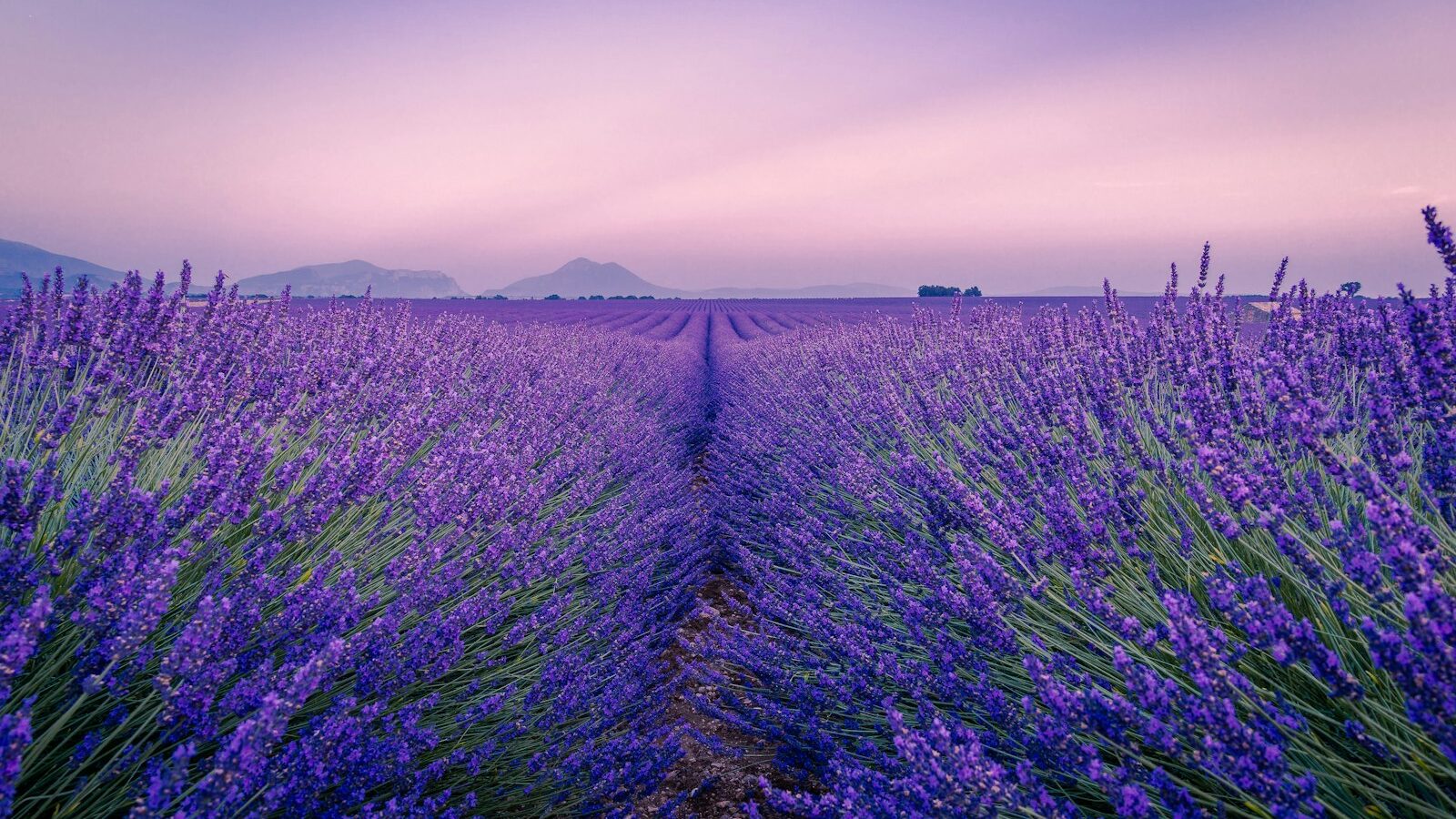
Few plants reward a little neglect quite like lavender. This Mediterranean sub-shrub thrives on sun, poor soil, and infrequent watering, filling the summer garden with silvery foliage, fragrant flower spikes, and a steady hum of bees. The trick to keeping it alive for years rather than a single season is learning to grow it lean and dry, exactly the opposite of how most of us treat our garden plants.
Lavender quick facts
- Light: full sun (6-8 hrs)
- Soil: lean, alkaline, sharp drainage
- Water: low; drought-tolerant once established
- USDA zones: 5-9 (by type)
- Prune yearly to avoid woodiness
As an Amazon Associate we earn from qualifying purchases.
Know your lavender types
Not all lavenders are equally hardy or equally fragrant, and picking the right type for your climate is the single most important decision you’ll make. The lavender you buy as a small plant might be one of three main groups, each with its own personality and cold tolerance.
English lavender (Lavandula angustifolia)
This is the hardiest and most cold-tolerant group, surviving USDA zones 5 to 9. Varieties like ‘Hidcote’ and ‘Munstead’ are compact, deeply fragrant, and the best choice for cooking and drying. If you live where winters dip below 0°F (-18°C), English lavender is your safest bet.
French and Spanish lavender
French lavender (Lavandula dentata) and Spanish lavender (Lavandula stoechas, the one with showy “rabbit ear” bracts on top of each bloom) are more tender, generally hardy only in zones 7 or 8 to 10. They bloom early and long but are best treated as annuals or container plants in cold regions. Their fragrance is more camphor-forward and less suited to culinary use.
Lavandin (Lavandula x intermedia)
Lavandin is a vigorous hybrid of English and Portuguese lavender, hardy in zones 5 to 9. Big, sprawling varieties like ‘Grosso’ and ‘Provence’ produce long stems prized for crafts and essential oil. They’re slightly later to bloom than English types and bigger overall, so give them room to spread. You can browse live lavender plants by variety to match your zone.
The four keys to success
Almost everything that goes wrong with lavender traces back to ignoring one of these four conditions. Get them right and the plant practically takes care of itself.
- Full sun. Lavender needs at least 6 to 8 hours of direct sunlight a day. In shade it gets leggy, flops, and rarely flowers well. More sun also means stronger fragrance and oil content.
- Sharp drainage. Lavender roots must never sit in water. Heavy clay is its number one killer. Amend the planting site with horticultural grit or coarse sand, or build a raised mound so excess water drains away fast.
- Lean, alkaline soil. Rich, fertile soil produces soft, floppy growth and fewer flowers. Lavender prefers poor soil with a pH around 6.7 to 7.5. A handful of garden lime in acidic soils nudges the pH up and improves performance.
- Restraint with water. Once established, lavender is genuinely drought-tolerant and resents frequent watering. Overwatering, not cold, is what kills most lavender plants.
How to plant lavender
Spring after the last frost is the ideal planting time, giving roots a full season to establish before winter. In hot-summer climates, early fall also works well.
- Choose the sunniest, best-draining spot you have. A south-facing slope or the base of a sunny wall is ideal.
- Dig a hole slightly wider than the root ball. Mix coarse grit or sand into the backfill if your soil holds water.
- Set the plant so the crown sits at or slightly above soil level. Planting too deep invites rot.
- Space plants 18 to 36 inches apart depending on the mature size of your variety, allowing airflow between them.
- Water in well at planting, then water sparingly. Mulch with gravel or grit rather than bark or compost, which traps moisture against the stems.
Skip the fertilizer. Lavender thrives on neglect, and feeding it usually does more harm than good. For more foundational planting advice, see our main plant & flower care guide.
Pruning to prevent woodiness
An unpruned lavender becomes a sprawling, woody mess within a few years, with bare stems at the base and a thin tuft of growth on top. Old wood doesn’t readily resprout, so the goal of pruning is to keep the plant compact and forestall that woody decline for as long as possible.
When and how to prune
- Prune once a year, ideally in late summer right after flowering, or in early spring before new growth begins.
- Cut back by about one third, shaping the plant into a tidy mound. Always leave some green growth on each stem.
- Never cut into thick, leafless old wood. Lavender rarely regenerates from bare wood, and a hard cut into it can kill the plant.
- Use clean, sharp pruning shears so you make clean cuts that heal quickly.
Annual pruning is the difference between a lavender that looks good for a decade and one that needs replacing after three or four years. If a plant has already gone woody and bare, it’s usually better to replace it than to try a rescue.
Harvesting and drying
Lavender is at its most fragrant just as the flowers begin to open. Harvesting at the right moment captures the most essential oil for sachets, bundles, and cooking.
- Timing. Cut stems when the lower flowers on the spike have opened but the top ones are still in bud. Harvest in the morning after the dew dries.
- Cutting. Gather a handful of stems and cut long, just above the leafy growth. Frequent harvesting actually encourages a second flush in many varieties.
- Drying. Tie stems into small bundles and hang them upside down in a warm, dark, well-ventilated spot for two to four weeks. Darkness preserves color and fragrance.
- Storing. Once fully dry, strip the buds into an airtight jar, or keep whole stems for decoration. Dried lavender holds its scent for a year or more.
Growing lavender in pots
Container growing is a smart solution if your soil is heavy clay or your winters are too cold for the variety you love. Pots let you control drainage precisely and move tender lavenders to shelter for winter.
- Choose a pot at least 12 to 16 inches wide with generous drainage holes. Terracotta is ideal because it wicks moisture away from the roots.
- Use a gritty, free-draining mix: a soil-based potting mix cut with up to one third coarse sand or grit.
- Water only when the top inch or two of mix is dry. Never let the pot stand in a saucer of water.
- Move the pot to the sunniest position available. Container plants need that light even more than ground-grown ones.
Potted lavender pairs beautifully with other sun-loving, drought-tolerant plants like catmint for a low-fuss display.
Winter care by zone
How you overwinter lavender depends entirely on your USDA zone and the type you’re growing. Winter wet, not winter cold, is usually the real danger.
- Zones 5-6: Stick to hardy English lavender or lavandin. Apply a light gravel mulch for protection but avoid heavy organic mulch, which holds moisture and promotes rot. A bit of evergreen bough cover helps in harsh, snow-free cold.
- Zones 7-8: Most types overwinter outdoors with little fuss. Ensure excellent drainage so plants don’t sit in cold, wet soil.
- Zones 9-10: Lavender grows almost year-round. The bigger challenge here is summer humidity rather than winter cold.
- Cold zones with tender types: Grow French or Spanish lavender in pots and move them into an unheated garage, porch, or greenhouse before hard frost.
Because it asks so little once established, lavender is a natural fit for water-wise plantings. See our low-maintenance landscaping ideas for more drought-tolerant pairings.
Why lavender dies
When lavender fails, the cause is almost always moisture related. Understanding the common killers helps you avoid them.
- Overwatering. The number one cause of death. Soggy roots rot quickly. When in doubt, water less.
- Poor drainage. Heavy clay or low spots keep roots wet even without overwatering. Raised beds and grit fix this.
- Humidity and crowding. Hot, humid climates and crowded plantings invite fungal disease. Space plants for airflow and prune to open up the center.
- Rich soil or fertilizer. Lush feeding produces weak, disease-prone growth and few flowers. Keep it lean.
- Old age and woodiness. Even well-grown lavender naturally declines after 8 to 10 years. Annual pruning extends its life, but replacement is normal eventually.
Frequently asked questions
How often should I water lavender?
For the first season after planting, water deeply about once a week to help roots establish. After that, established lavender rarely needs watering except in prolonged drought. Overwatering is far more dangerous than underwatering.
Why is my lavender turning gray or brown in the middle?
Bare, woody centers are a sign of age and missed pruning. Lavender doesn’t resprout readily from old wood, so prune by a third every year after flowering to keep growth dense. A plant that’s already badly woody is usually best replaced.
Can I grow lavender indoors?
It’s difficult. Lavender needs intense direct sun and excellent air circulation that most homes can’t provide. If you try, place it in your sunniest south-facing window, use a gritty mix, and let the soil dry between waterings. A sunny outdoor spot or pot is far more reliable.
Which lavender is best for cooking?
English lavender (Lavandula angustifolia), especially varieties like ‘Munstead’ and ‘Hidcote’, has the sweetest flavor and lowest camphor content. Avoid French and Spanish types for culinary use, as they taste more medicinal.
Will lavender come back every year?
Yes, if you grow a type hardy in your zone. English lavender and lavandin are perennial in zones 5 to 9. French and Spanish lavenders are perennial only in mild zones (roughly 7-8 and warmer) and are often grown as annuals or potted plants elsewhere.