

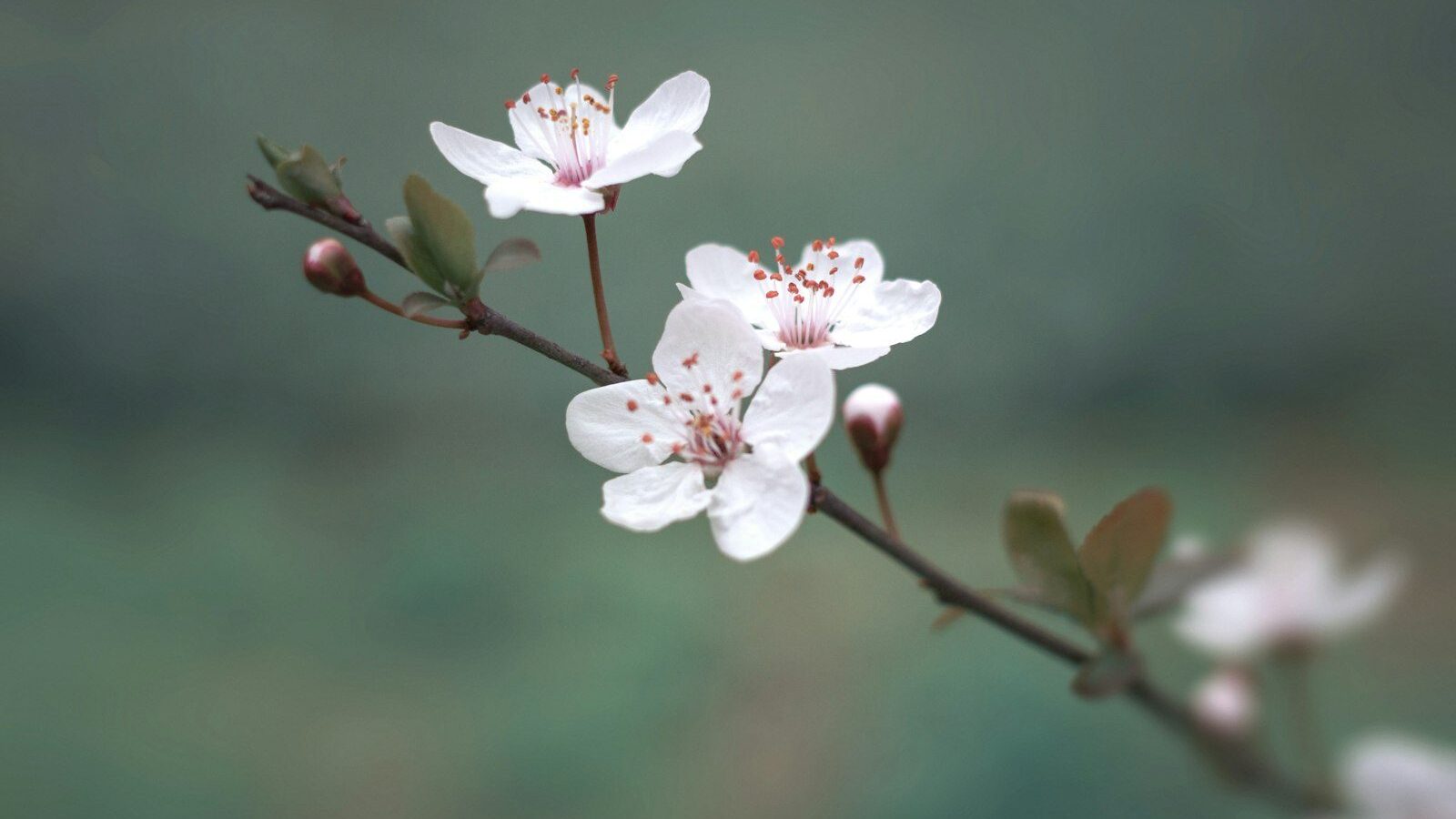
A cherry tree gives you two gifts: a cloud of blossom in early spring and, weeks later, glossy fruit that store-bought cherries can’t touch for sweetness or price. Growing your own is very doable, but cherries reward gardeners who understand a few key decisions up front. The biggest is sweet versus sour: sweet cherries (the dessert kind) usually need a pollination partner and prefer milder climates, while sour or tart cherries (for pies and preserves) are hardier, smaller, and self-fertile — meaning a single tree will fruit on its own. You’ll also need a plan for birds, which adore ripe cherries as much as you do. This guide walks through choosing a tree, pollination, siting, planting, the years-to-fruit timeline, pruning, and the pests and diseases that matter most.
Key Takeaways
- Sweet vs. sour: most sweet cherries need a pollination partner; sour (tart) cherries are self-fertile and hardier.
- Plant when dormant — late winter to early spring before bud break; bare-root trees go in then.
- Full sun (6–8 hours) and sharp drainage are essential; cherries rot fast in wet soil.
- Years to fruit: dwarf/semi-dwarf trees crop in 3–5 years; standard trees take 4–7 years.
- Prune in late summer, not winter, to reduce silver leaf and bacterial canker infection.
- Netting is essential — birds will strip a ripe tree in days without protection.
Sweet Cherries vs. Sour Cherries
The first and most important choice is which type to grow. Sweet cherries (Prunus avium) — Bing, Lapins, Stella, Rainier, Sweetheart — produce the large, firm, sugary cherries you eat fresh. They make bigger trees, prefer USDA zones 5–7 (a few to zone 8), and most need a pollination partner. Sour or tart cherries (Prunus cerasus) — Montmorency, Morello, North Star — are smaller, hardier trees (zones 4–6, some to zone 3), bred for pies, jam, and juice. Crucially, sour cherries are self-fertile and stay compact, making them the easier choice for a single-tree backyard.
Then choose a rootstock size. Dwarfing rootstocks (like Gisela series) keep sweet cherries to 8–15 feet — a huge advantage, since full-size sweet cherries can reach 30–40 feet and become impossible to net or harvest. Sour cherries are naturally smaller, often 12–18 feet, or dwarf to 8–10 feet. For most home gardens, a dwarf or semi-dwarf tree you can cover with netting and pick from the ground is far more practical than a towering standard.
Pollination Partners
Pollination is where sweet and sour cherries differ most. Most sweet cherries are self-unfruitful and need a second, compatible sweet cherry variety blooming at the same time nearby (within about 50–100 feet) for bees to cross-pollinate them. To complicate matters, sweet cherries fall into incompatibility groups — two varieties in the same group won’t pollinate each other — so check that your pair is cross-compatible, or choose self-fertile sweet varieties like Stella, Lapins, or Sweetheart, which fruit alone and also pollinate other sweet cherries.
Sour cherries are self-fertile — a single tree sets a full crop without a partner, and a sour cherry can even pollinate a sweet cherry if bloom times overlap. So if you have room for only one tree and want guaranteed fruit, a sour cherry like Montmorency or a self-fertile sweet cherry like Stella is the foolproof choice.
Where and When to Plant
Cherries demand full sun — six to eight hours daily — for sweet fruit and quick-drying foliage that resists disease. The other absolute requirement is excellent drainage: cherries are notoriously intolerant of wet feet and succumb quickly to root rot in heavy, soggy soil. A slightly raised or sloping site that sheds water and lets frost drain away on cold spring nights is ideal, since early blossoms are vulnerable to late frost. Aim for a soil pH around 6.0–7.0.
Plant while the tree is dormant — late winter to early spring, just before bud break. Bare-root trees must go in during dormancy; container-grown trees can be planted into spring but still prefer the cool season. In mild-winter areas, fall planting also works.
Planting Step by Step
- Dig a hole twice as wide as the roots and no deeper than the root system — never plant a cherry in a low, water-collecting spot.
- Keep the graft union 2–4 inches above the soil line so the scion can’t root past the size-controlling rootstock.
- Soak bare-root trees a few hours, spread the roots, and backfill with native soil rather than heavy amendments.
- Water in well and mulch a few inches deep in a wide ring, keeping mulch off the trunk.
- Space trees 12–18 feet apart for semi-dwarfs, more for standards; stake dwarf rootstocks in windy sites.
Mulching correctly matters for any fruit tree — see our guide on how to mulch around trees and avoid mulch volcanoes, and if your young tree needs support, how to stake a tree properly.
How Long Until a Cherry Tree Fruits?
Dwarf and semi-dwarf cherry trees typically bear their first crop in 3 to 5 years, while standard-size trees take 4 to 7 years. Sour cherries often begin a year or so sooner than sweet types. As with other fruit trees, removing the first season or two of fruit lets the young tree invest in roots and a strong framework. A well-cared-for cherry then produces reliably for 15–30 years (sour) or longer (sweet on vigorous rootstocks).
Pruning Cherry Trees
Cherries are the one major fruit tree you should prune in summer, not winter. Pruning in late spring or summer, when the tree is in active growth and cuts heal fast, dramatically reduces infection by silver leaf fungus and bacterial canker — both of which enter through pruning wounds and are far more active in cool, wet dormant-season conditions. Prune just after harvest for established trees, or in late spring for young ones.
- Sweet cherries are usually trained to a central leader or a modified open center; they fruit on long-lived spurs, so prune lightly and avoid removing fruiting spurs.
- Sour cherries fruit more on one-year-old wood and respond to slightly more renewal pruning to keep young productive growth coming.
- Every year: remove dead, diseased, crossing, and inward branches; open the canopy to light and air; keep the tree at a height you can net and harvest.
- Always use clean, sharp tools and disinfect between cuts, especially if canker is present.
For the underlying technique of where and how to make cuts, our guide to pruning shrubs covers the fundamentals that apply to fruit trees too.
Watering, Feeding, and Harvest
Keep young trees consistently moist — about an inch of water a week — through their first two or three seasons, then water established trees during dry spells, especially as fruit swells. Avoid wildly fluctuating moisture near harvest: a sudden soaking after dry weather is the classic cause of split, cracked cherries. Feed modestly; like pears, cherries don’t want heavy nitrogen, which pushes soft growth prone to canker and aphids. A spring topdressing of compost or a light balanced feed is usually enough.
Cherries do not ripen further once picked, so leave them on the tree until fully colored and sweet, then taste-test before a big harvest. Pick with the stems attached to extend storage life. The hardest part of harvest is beating the birds to it.
Pests and Diseases
Birds are the number-one cherry pest — robins, starlings, and waxwings can strip a ripening tree in a day or two. The only reliable defense is netting the whole tree as the fruit colors up, which is itself an argument for keeping trees small. Among insects, spotted wing drosophila (SWD) is now a major threat — this fruit fly lays eggs in ripening fruit, leaving maggots inside; manage it by harvesting promptly, removing all dropped and overripe fruit, and using traps. Cherry fruit fly, aphids (especially black cherry aphid, which curls new leaves), and scale are other common pests.
On the disease side, bacterial canker (oozing, sunken bark lesions and dieback) and silver leaf (a silvery sheen on leaves from a wood-rotting fungus) are the reasons to prune in summer and protect wounds. Brown rot turns fruit into shriveled mummies in wet weather — remove mummified fruit and improve air circulation. Cherry leaf spot causes purple spots and early leaf drop; rake and destroy fallen leaves. Choosing disease-resistant varieties, siting for sun and drainage, and keeping the canopy open prevent most problems before they start.
With a self-fertile sour cherry or a self-fertile sweet variety, a sunny well-drained site, summer pruning, and good netting, you can harvest bowls of homegrown cherries every June. Find more fruit and flower how-tos in our Plants & Flowers collection.
Frequently Asked Questions
Do I need two cherry trees to get fruit?
It depends on the type. Most sweet cherries need a compatible pollination partner nearby, but self-fertile sweet varieties like Stella, Lapins, and Sweetheart fruit alone. Sour (tart) cherries such as Montmorency are self-fertile and crop fully from a single tree.
How long until a cherry tree produces fruit?
Dwarf and semi-dwarf cherry trees usually bear their first crop in 3–5 years, while standard trees take 4–7 years. Sour cherries often start a little sooner. Removing fruit the first season or two helps the young tree build a strong framework.
When should I prune a cherry tree?
Prune cherries in summer — late spring through just after harvest — rather than winter. Summer cuts heal quickly and greatly reduce infection by silver leaf fungus and bacterial canker, which thrive in cool, wet dormant-season conditions.
How do I keep birds off my cherry tree?
Netting the entire tree as the fruit begins to color is the only reliable method — birds can strip a ripe tree in a day or two. Keeping the tree small with a dwarfing rootstock makes covering it far easier.
Why are my cherries splitting?
Cracked or split cherries are usually caused by uneven moisture — a heavy rain or sudden watering after a dry spell makes the fruit absorb water faster than the skin can stretch. Keep soil moisture consistent, especially as harvest approaches, and mulch to buffer fluctuations.
Choose the right type for your space and climate — a foolproof self-fertile sour cherry or a self-fertile sweet variety — give it full sun and sharp drainage, prune in summer, and net the fruit, and your cherry tree will reward you with spring blossom and bowls of fresh fruit for years to come.