

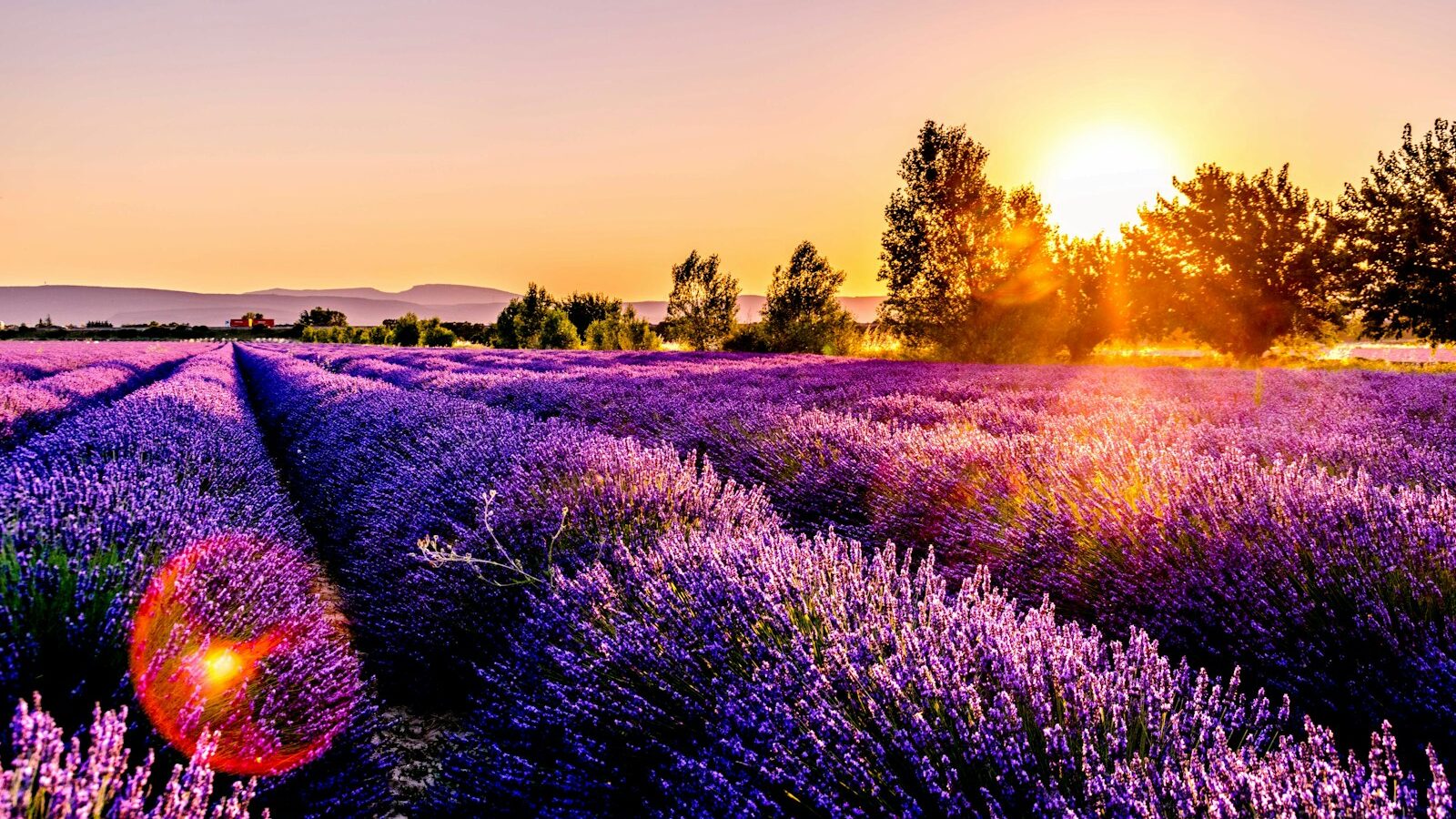
If you want lavender that survives a real winter and smells like the classic sachet, grow English lavender (Lavandula angustifolia). If you want a long, almost nonstop show of flowers in a mild climate and you do not care about cooking with it, grow French lavender (Lavandula stoechas, often sold as Spanish lavender). That is the short answer, and for most US gardeners north of Zone 7 it is the only answer, because French lavender is not reliably hardy below about 15 to 20 degrees Fahrenheit. Everything else below is the detail that helps you match the plant to your zone, your soil, and what you actually plan to do with the blooms.
Key Takeaways
- Hardiness: English lavender survives to USDA Zone 5; French lavender is only reliable in Zones 8 to 11.
- Fragrance: English has the sweet, classic lavender scent; French is more resinous, piney and camphor-forward.
- Bloom: English flowers in one or two flushes in early to midsummer; French blooms early and repeats for months in mild climates.
- Looks: French is unmistakable for its tufted “rabbit-ear” bracts on top of each flower head.
- Culinary use: Cook only with English lavender; French is too high in camphor to eat.
English Lavender (Lavandula angustifolia)
English lavender is the backbone of the lavender world and the one most American gardeners should reach for first. Despite the name, it is native to the Mediterranean, not England; it earned the label because it thrived in English gardens and became the source of the most prized lavender oil. It forms a tidy, rounded mound 12 to 24 inches tall and wide, with narrow silvery-green leaves and slender flower spikes that rise 6 to 12 inches above the foliage on bare stems.
Its biggest advantage is cold-hardiness. Established plants shrug off winters down to USDA Zone 5 (roughly minus 20 degrees Fahrenheit), and many cultivars are reliable in Zone 4 with snow cover or a light winter mulch. This is what makes it the practical choice across most of the northern and central United States. The fragrance is the second draw: it is the sweet, clean, slightly floral scent that defines what most people mean by “lavender,” with low camphor, which is exactly why it is the one you use in cooking, sachets, and high-quality essential oil.
Bloom time runs early to midsummer, typically June into July, with a possible lighter second flush in late summer if you shear the plant after the first round. Reliable cultivars include ‘Munstead’ (compact, 12 to 18 inches, early), ‘Hidcote’ (deep violet, dense, excellent for hedging), ‘Phenomenal’ and ‘Sensational’ (vigorous, humidity-tolerant hybrids that hold up better in the muggy Southeast and Midwest), and ‘Royal Velvet’ (a top pick for dried bundles because it holds color).
How to grow English lavender
Lavender lives or dies by drainage. Plant in full sun (six-plus hours) in lean, gritty, alkaline soil with a pH of 6.7 to 7.5. Heavy clay and wet feet kill more lavender than cold ever will, so amend with coarse sand or fine gravel, or plant on a mound or raised bed. Space plants 18 to 36 inches apart depending on cultivar, water deeply but infrequently while they establish, then back off; mature English lavender is drought-tolerant and prefers to dry out between waterings. Prune in spring or right after bloom, cutting back about one-third into the green growth but never into bare old wood, which rarely regrows. A gravel mulch instead of bark keeps the crown dry and prevents rot.
French Lavender (Lavandula stoechas / Spanish Lavender)
French lavender, also widely sold as Spanish lavender, is the showy, instantly recognizable cousin. Each chunky flower head is topped with a pair of upright, petal-like bracts that look like little rabbit ears or a pineapple tuft, in shades of purple, magenta, pink, or white. The plant is a bit looser and more open than English lavender, growing 18 to 36 inches tall, with grayer, more deeply toothed foliage. Note that true Lavandula dentata is also sometimes called French lavender; the rabbit-ear plant most garden centers label “French” or “Spanish” is L. stoechas, and that is the one covered here.
Its headline feature is bloom length. In mild climates French lavender starts flowering several weeks earlier than English types, often in spring, and keeps going in repeated flushes through summer and into fall if you deadhead. The trade-off is tenderness: it is reliably perennial only in USDA Zones 8 to 11 and dies in a hard freeze, so gardeners in colder zones grow it as an annual or in a pot that overwinters indoors or in a frost-free greenhouse. The scent is also different: more pungent, resinous, and camphor-heavy, which some people love as a fresh, piney aroma but which makes it unsuitable for the kitchen.
How to grow French lavender
The cultural needs mirror English lavender: full sun, sharp drainage, and lean soil. French lavender tolerates slightly more acidic soil and a touch more humidity than English types, which is one reason it performs well in California, the Gulf Coast, and the lower South. Because it blooms so continuously, it responds dramatically to deadheading and a light shear two or three times a season to keep it tidy and pushing new flowers. In Zone 7 and colder, treat it as a container plant: use a fast-draining potting mix cut with grit, and move the pot to a cool, bright, frost-free spot for winter rather than expecting it to survive in the ground.
French lavender also tends to be shorter-lived than English types even in its happy zone, often declining after three or four years, so plan to take softwood cuttings in late spring or early summer to keep a supply of replacements coming. Cuttings root easily in a gritty mix and let you build a uniform low hedge without buying new plants every season. Space young plants 18 to 24 inches apart, water them through their first summer to establish a root system, then treat them as the drought-tolerant subshrubs they are. As with all lavenders, never let them sit in soggy winter soil; in heavy ground, a raised berm or a large terracotta pot, which wicks moisture away from the roots, makes the difference between a plant that thrives and one that rots at the crown.
A quick word on a third option you will see at the garden center: lavandins (Lavandula x intermedia, such as ‘Provence’ and ‘Grosso’). These are hybrids of English lavender and spike lavender, prized for very long flower stems and heavy oil yield. They are hardy to about Zone 6, larger than English lavender, and higher in camphor, so they are excellent for fragrant hedges and dried wands but not for cooking. If you are choosing strictly between English and French, just know the lavandins sit between them in both hardiness and use.
Head-to-Head Comparison
| Feature | English (L. angustifolia) | French / Spanish (L. stoechas) |
|---|---|---|
| USDA hardiness | Zones 5 to 9 (some to 4) | Zones 8 to 11 |
| Mature size | 12 to 24 in. tall, compact mound | 18 to 36 in. tall, looser |
| Flower look | Slender spikes on bare stems | Chunky heads with rabbit-ear bracts |
| Bloom time | Early to midsummer, 1 to 2 flushes | Spring through fall, repeats |
| Fragrance | Sweet, classic, low camphor | Resinous, piney, high camphor |
| Culinary use | Yes, the culinary lavender | No, too much camphor |
| Best climate | Cold to temperate, drier | Mild, Mediterranean, coastal |
The Verdict: Which Should You Grow?
If you live in Zone 7 or colder, grow English lavender. It is the only one of the two that will reliably survive your winters in the ground, and it gives you that classic fragrance for hedging, dried bundles, and cooking. French lavender will only work for you as a summer annual or an overwintered pot, which is a fair amount of fuss for a tender plant.
If you want lavender to cook with for shortbread, lemonade, herbes de Provence, or infused honey, the choice is made for you: English lavender, full stop. Its low camphor content gives a sweet, floral flavor, while French lavender’s camphor makes food taste medicinal.
If you live in Zone 8 to 11 and want maximum flower power, French lavender is hard to beat. Its early start, long repeat bloom, and dramatic tufted heads make it a standout in a low-water Mediterranean or coastal garden, especially if you want curb appeal more than culinary use. Many gardeners in mild climates simply grow both: English for fragrance and the kitchen, French for the long, showy display. For more on building a tough, low-water bed, see our guides on plants and flowers and on designing a water-wise outdoor living space.
Frequently Asked Questions
Can French lavender survive winter outdoors?
Only in USDA Zones 8 to 11. It is damaged or killed below about 15 to 20 degrees Fahrenheit, so in colder regions grow it in a pot and move it to a cool, bright, frost-free spot for winter rather than leaving it in the ground.
Which lavender smells the strongest?
French lavender often smells more pungent up close because of its high camphor content, but English lavender has the sweet, “classic” lavender scent most people prefer and the one used for premium essential oil and sachets.
Is French lavender safe to eat?
No. Its high camphor content makes it taste harsh and medicinal. Use only culinary English lavender (L. angustifolia) such as ‘Munstead’ or ‘Royal Velvet’ for cooking and baking.
Which lavender blooms longer?
French lavender, in a mild climate. It starts in spring and reblooms through fall if deadheaded. English lavender typically gives one main early-to-midsummer flush plus a lighter rebloom after shearing.
Why does my lavender keep dying?
Almost always poor drainage and wet feet, not cold. Lavender needs full sun, lean alkaline soil, and to dry out between waterings. Plant on a mound or in gritty soil, use gravel mulch, and avoid heavy clay.