

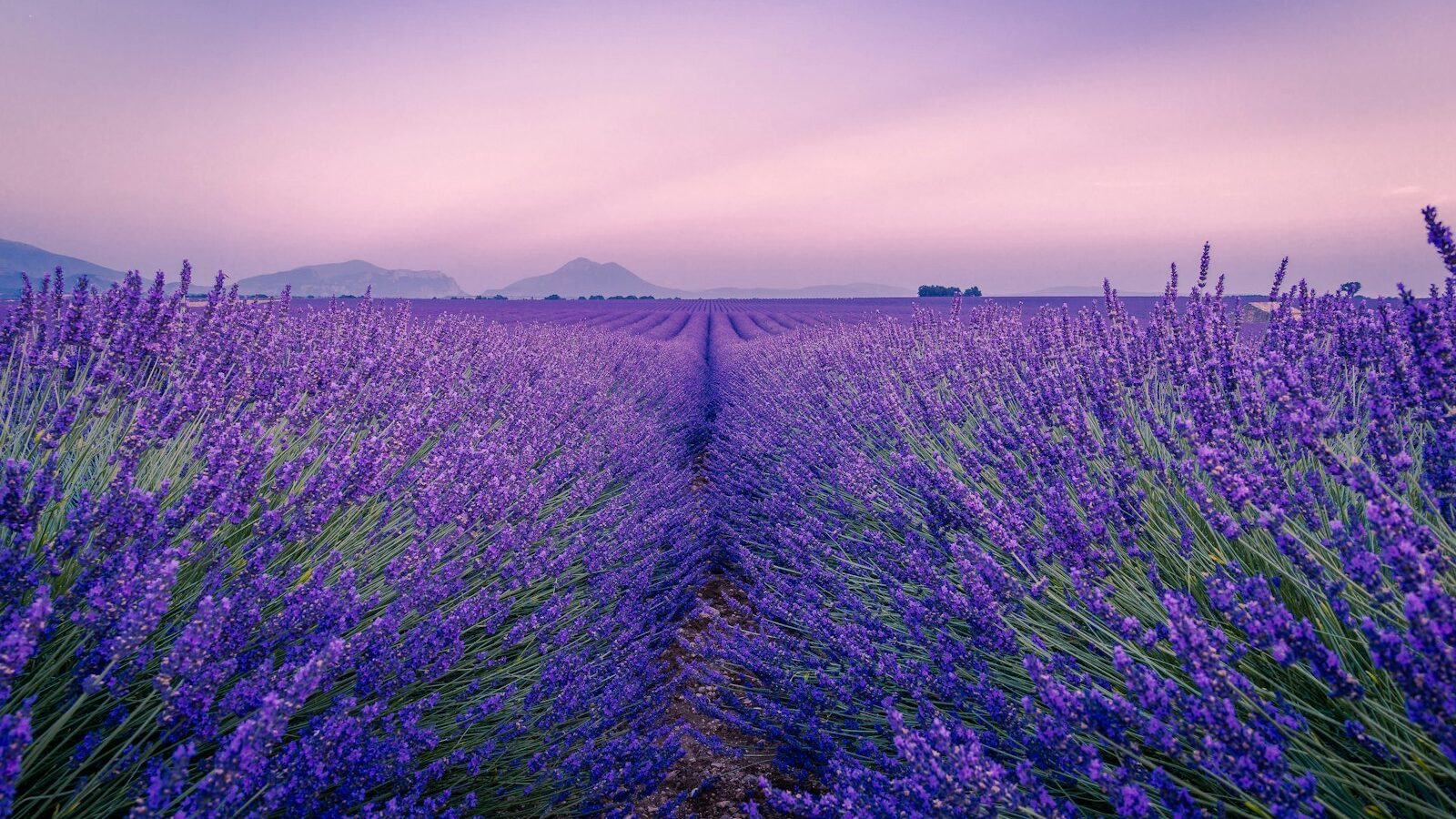
Few sights are as disheartening as a once-silvery, fragrant lavender plant fading to crisp brown stems. The good news is that lavender is remarkably tough once you understand what it actually wants, and brown foliage is almost always a clear message rather than a death sentence. Lavender is a Mediterranean shrub, evolved on dry, rocky, sun-baked hillsides with poor alkaline soil and very little water. When it turns brown, it is usually because something in your garden contradicts those native conditions: the soil holds too much moisture, it is too rich, the air is too humid and still, the winter was too cold and wet, or the plant has simply grown old and woody. This guide walks through all five causes, shows you exactly how to diagnose which one is affecting your plant, and gives you concrete fixes you can apply this week. Whether you grow English lavender for hedging or a tender French variety in a pot, the principles below will help you bring it back from the brink or replace it wisely.
Key Takeaways
- Overwatering and poor drainage cause root rot and are by far the most common reason lavender turns brown from the base up.
- Lavender thrives in lean, gritty, alkaline soil with a pH of 6.7 to 7.3 and full sun for 6 to 8 hours a day.
- Water established plants deeply but only every 1 to 2 weeks, and never feed with rich compost or nitrogen fertilizer.
- Match the variety to your USDA zone: English lavender is hardy to zone 5, while French and Spanish types need zone 8 or warmer.
- Prune by one-third every year after flowering, never cut into old bare wood, and plan to replace woody plants every 5 to 10 years.
Cause 1: Overwatering and Poor Drainage
This is the number one killer of lavender, and it accounts for the majority of browning plants gardeners ask about. Lavender hates wet feet. In its native Mediterranean habitat it grows in thin, stony soil where rain drains away within minutes. When roots sit in soggy soil they suffocate and rot, and the plant can no longer move water and nutrients upward, so the foliage browns, wilts, and dies. Counterintuitively, an overwatered lavender often looks exactly like a thirsty one, which leads people to water more and accelerate the decline.
How to diagnose
Look for browning that starts at the base of the plant and works upward, rather than at the tips. Press the lower stems: if they are soft, mushy, or blackened instead of firm and woody, root rot is at work. Push a finger 2 to 3 inches into the soil near the crown. If it feels damp, cool, or smells sour even a few days after watering, drainage is your problem. Heavy clay soil, mulch piled against the stems, saucers under pots that collect water, and planting in a low spot that pools rain are all warning signs. Gently lift a small plant and check the roots: healthy lavender roots are pale and firm, while rotted roots are brown, slimy, and pull apart easily.
How to fix
Stop watering immediately and let the soil dry out completely before giving any more. For established plants in the ground, water deeply only every 1 to 2 weeks during the growing season, and not at all in winter in most climates. Improve drainage by amending the planting area with coarse grit, horticultural sand, or fine gravel, mixing it into the top 12 inches so that water flows through quickly. If your soil is heavy clay, build a raised bed or a low mound 8 to 12 inches high and plant the lavender on top so excess water drains away from the crown. For container plants, switch to a terracotta pot, which breathes and wicks moisture, use a gritty cactus or Mediterranean mix cut with extra perlite or sand, and make sure the drainage holes are never blocked. If root rot has already set in, dig the plant up, trim away all mushy black roots and stems with clean shears, and replant into fast-draining soil; a healthy portion may recover, but a fully collapsed plant is usually beyond saving.
Cause 2: Soil That Is Too Rich or Too Acidic
Gardeners often kill lavender with kindness by planting it in lush, compost-heavy beds alongside vegetables or roses. Lavender is adapted to poor, low-nutrient soil, and when given too much organic matter or fertilizer it produces soft, weak, leggy growth that flops, browns, and becomes vulnerable to disease. Soil chemistry matters just as much: lavender prefers neutral to slightly alkaline conditions, ideally a pH of 6.7 to 7.3. In acidic soil, the plant struggles to take up nutrients properly, leading to yellowing and browning foliage and stunted, unhappy growth.
How to diagnose
If your lavender is growing tall and floppy with sparse flowers and browning, weak stems despite good drainage and sun, over-rich soil is the likely culprit. Think back to whether you mixed in plenty of compost, manure, or a granular fertilizer at planting, or whether the lavender shares a bed with heavily fed plants. To check pH, buy an inexpensive soil test kit or a probe meter from any garden center, or send a sample to your local extension service. A reading below about 6.5 means your soil is too acidic for lavender to be fully happy. Naturally acidic regions, peaty soils, and areas with high rainfall tend to run on the acidic side.
How to fix
Stop fertilizing entirely; lavender almost never needs feeding, and a single light top-dressing of bone meal in spring is more than enough for most plants. To raise the pH of acidic soil, work in garden lime or dolomitic lime according to the package rate for your soil type, then retest after a few weeks since lime acts slowly. A handful of crushed eggshells or a little wood ash worked around the base can also nudge the pH upward over time. If the soil is simply too rich, the most reliable solution is to dig the plant up and replant it into a leaner mix of roughly two parts native soil to one part grit or sand, with little to no added compost. Going forward, give lavender its own dedicated spot away from pampered, well-fed garden neighbors. For more on getting the conditions right for woody Mediterranean herbs, our guide on why your rosemary is dying covers very similar soil and watering pitfalls.
Cause 3: High Humidity and Poor Air Circulation
Lavender loves dry air just as much as dry soil. In humid climates, or where plants are crowded together with stagnant air, fungal diseases take hold and brown the foliage from the inside out. The most common offender is botrytis, a gray mold that causes browning and a fuzzy gray coating on dense interior growth, especially during warm, wet, still weather. Even healthy plants will brown internally if their centers never dry out and air cannot move through the foliage.
How to diagnose
Part the foliage and look at the center of the plant. If the browning is concentrated in the dense, shaded interior while the outer tips stay greener, and especially if you see grayish fuzz, soft brown patches, or a musty smell, you are dealing with a fungal humidity problem rather than thirst or rot. Plants packed tightly together, grown against a wall or fence with no airflow, or mulched with moisture-trapping bark are most at risk. Humid coastal and southern gardens see this far more often than dry inland ones.
How to fix
Open the plant up to air and light. Space lavender plants 2 to 3 feet apart so breezes can pass between them, and prune out the crowded, dead, or diseased interior growth with clean, sharp shears, cutting back to healthy tissue and removing all the trimmings from the bed. Replace any organic bark mulch around the base with a 1 to 2 inch layer of light-colored gravel or coarse grit, which reflects heat, keeps the crown dry, and discourages fungal spores. Water at the base in the morning rather than overhead in the evening so foliage dries quickly. In persistently humid regions, choosing more disease-resistant English lavender and giving each plant extra room makes a lasting difference.
Cause 4: Frost, Winter Damage, and Dieback
If your lavender browned over winter or right after a cold snap, frost damage is the obvious suspect, and the cause is usually a mismatch between the variety and your climate. Not all lavender is equally hardy. English lavender (Lavandula angustifolia), including reliable cultivars like Munstead and Hidcote, is hardy down to USDA zone 5 and shrugs off hard frosts. French lavender (Lavandula dentata) and Spanish lavender (Lavandula stoechas), with their showy bracts, are far more tender and generally only survive outdoors in zone 8 or warmer. Cold, wet winters are especially deadly because the combination of freezing temperatures and saturated soil rots and bursts the roots.
How to diagnose
If the browning appeared after winter or a late frost, and the damage is widespread across the upper growth, cold injury is likely. Confirm which lavender you have and look up its hardiness rating against your USDA zone; a French or Spanish lavender left outside in a zone 6 winter will almost certainly brown and die back. Scratch a stem with your fingernail in spring: green tissue underneath means the wood is still alive and may resprout, while brown, dry, brittle wood throughout signals the plant or that branch is dead. Wait until late spring before writing a plant off, because lavender can be slow to push new growth.
How to fix
Once the danger of hard frost has passed, prune out clearly dead brown growth back to living green wood to let the plant recover and reshape itself. The bigger fix is preventive: choose a variety rated for your zone, favoring hardy English types in cold regions. In borderline areas, apply a light, airy mulch such as gravel or straw around the crown for winter protection, but keep it loose so it does not trap moisture. Grow tender French and Spanish lavenders in containers so you can move them into an unheated greenhouse, garage, or sheltered porch over winter, watering them only sparingly during the cold months. Avoid pruning hard in autumn, as fresh cuts and tender new growth are far more frost-sensitive than mature stems.
Cause 5: Natural Woodiness, Aging, and Bad Pruning
Lavender is a short-lived woody shrub, and over time the base naturally turns gray-brown and woody while flowering shifts to the outer tips, leaving a bare, split center. This is partly the plant’s natural aging, but it is dramatically accelerated by neglect or by the single most common pruning mistake: cutting back into old, leafless wood. Unlike many shrubs, lavender will not reliably regrow from bare brown stems, so a hard cut into the woody base often leaves a permanent dead patch that never recovers.
How to diagnose
If the browning is confined to the thick, gnarled, woody base while the outer growth still flowers, and especially if the plant is several years old and has split open in the middle, this is age and structure rather than disease. A plant that was cut hard last season and failed to resprout from the cut points has been pruned into old wood. Lavender that has never been pruned tends to become a sprawling, open, woody mound with a dead-looking center within a few years.
How to fix
Prune correctly and consistently. Each year, right after the main flush of flowering, shear the plant back by about one-third, shaping it into a tidy mound, but always stop cutting while there is still some green leaf below your cut. Never cut into the bare brown wood, because it will not bush out again. Regular annual pruning keeps the plant compact and delays woodiness for years. Even with perfect care, however, lavender is not immortal; most plants begin to decline and look ragged after 5 to 10 years, at which point the kindest move is to replace them with fresh young plants. Lavender propagates easily from softwood cuttings taken in early summer, so you can grow replacements for free before the old plants give out. If you enjoy nursing tough plants back to health, you may also find our advice on why your succulents are dying useful, since both share a hatred of overwatering.
How to Prevent Lavender From Turning Brown
Prevention is far easier than rescue, and almost every browning problem traces back to ignoring lavender’s Mediterranean nature. Start by choosing the right plant for your conditions: pick a variety rated for your USDA zone, leaning on hardy English lavenders like Munstead and Hidcote where winters drop below zone 7, and reserving tender French and Spanish types for warm regions or movable containers. Plant in the leanest, grittiest, fastest-draining soil you can manage, amended with sand or gravel and limed if needed to keep the pH between 6.7 and 7.3, and never enriched with heavy compost or fertilizer.
Site lavender in full sun, with at least 6 to 8 hours of direct light a day, and give each plant 2 to 3 feet of space for air to circulate. Water deeply but infrequently, roughly every 1 to 2 weeks once established, and let the soil dry fully between waterings; mature plants in the ground often need no supplemental water at all in a normal season. Mulch with light gravel or grit rather than bark to keep the crown dry and discourage fungus. Finally, prune every year after flowering by about one-third without ever cutting into old wood, and plan to replace tired plants every 5 to 10 years. Follow these habits and your lavender will stay silver, fragrant, and covered in purple spikes instead of crisping to brown. For more troubleshooting guides on keeping your blooms and foliage healthy, browse our full plants and flowers hub.
Frequently Asked Questions
Will my brown lavender grow back?
It depends on what is brown. If the green outer growth browned from frost or drought stress, prune back to living green wood and the plant will usually recover. But brown, woody, leafless stems at the base almost never resprout, because lavender does not regenerate from old wood. Scratch a stem in spring: green underneath means there is hope, while dry and brittle throughout means that section is dead.
How often should I water lavender?
Far less than most plants. Established lavender in the ground typically needs a deep soak only every 1 to 2 weeks during the growing season, and often nothing at all in winter or in a rainy climate. Always let the soil dry out completely between waterings. Container plants dry faster and may need water a little more often, but overwatering is the most common cause of browning, so when in doubt, wait.
Why is my potted lavender turning brown?
Potted lavender usually browns from overwatering, poor drainage, or soil that stays too wet. Use a terracotta pot with open drainage holes, fill it with a gritty, fast-draining mix cut with extra sand or perlite, and never let it sit in a saucer of water. Make sure it gets 6 or more hours of sun, and move tender varieties indoors over winter.
Should I cut off the brown parts of my lavender?
Yes, remove clearly dead brown growth to tidy the plant and improve airflow, but only cut back to living green tissue. Avoid shearing deep into the bare woody base, since lavender will not bush out from old wood and you will be left with a permanent dead gap. Do your main pruning right after flowering, taking off about one-third of the plant.
Can lavender survive winter outdoors?
It depends entirely on the variety and your climate. English lavender is hardy to USDA zone 5 and overwinters well outdoors in most temperate gardens, especially with sharp drainage. French and Spanish lavenders are tender and generally survive outside only in zone 8 or warmer, so in colder regions grow them in pots and shelter them indoors over winter.