

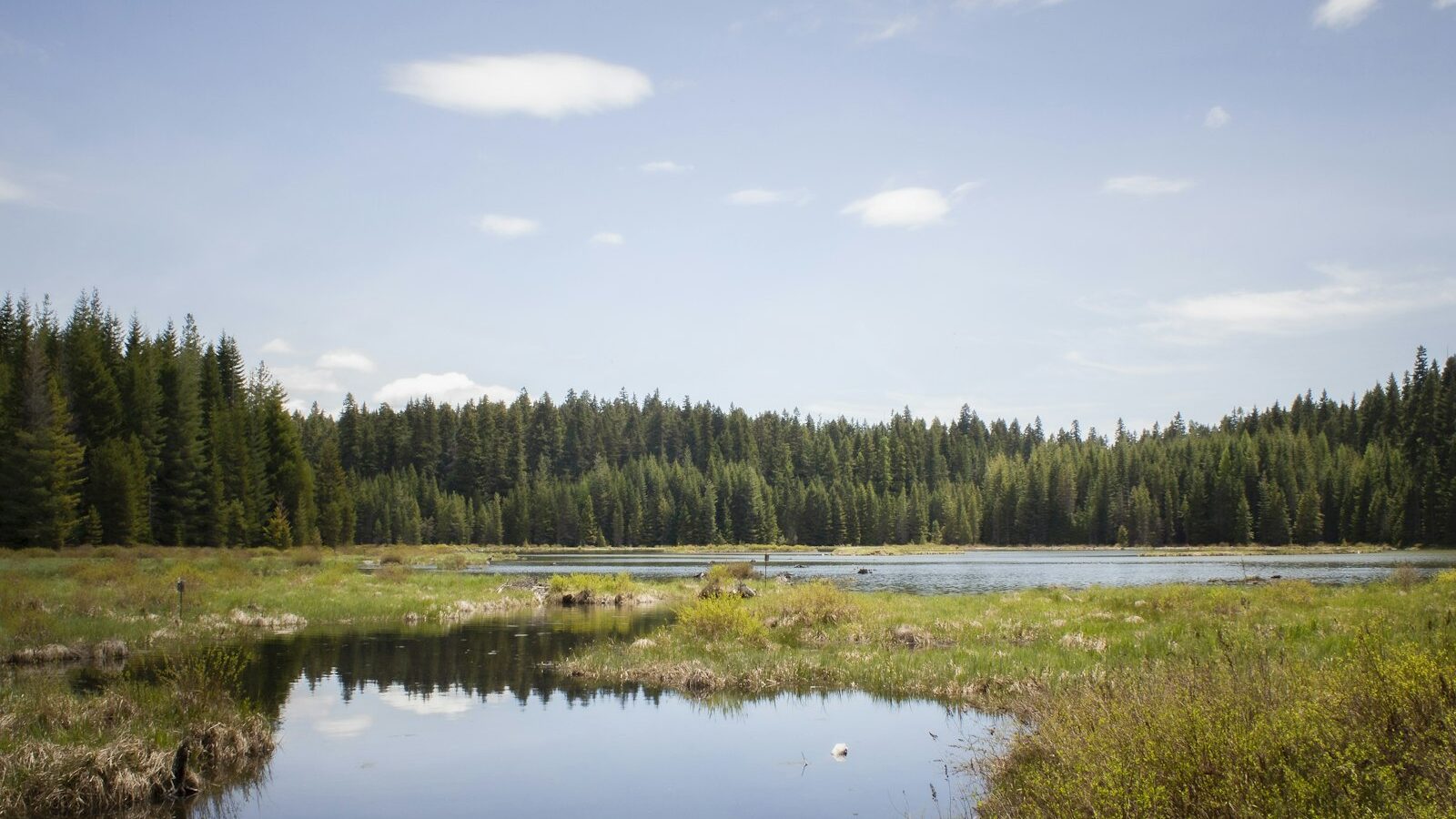
A wildlife pond is one of the single most powerful things you can add to a yard to boost biodiversity, and the good news is it is far easier than a fish pond. No pump, no filter, no fancy plumbing, just a hole, a liner, some native plants, and a little patience. Within a season or two you will have frogs, dragonflies, birds, and bees all using your water, and it will largely look after itself.
Key takeaways
- A gently sloping edge lets wildlife in & out
- Skip fish — they eat tadpoles & insects
- Use native oxygenating & marginal plants
- No pump needed; let it balance naturally
- Add log/rock habitat nearby
As an Amazon Associate we earn from qualifying purchases.
If you have already read our pillar guide on how to build a backyard pond, this is the wildlife-focused version of the same project. The core construction is similar, but the design choices all tilt toward making the pond welcoming to native critters rather than showing off koi.
Why a wildlife pond matters
Across North America and much of the world, natural ponds, wetlands, and seasonal pools have been drained or paved over at a staggering rate. Amphibians like frogs, toads, and salamanders have lost much of their breeding habitat, and pollinators need reliable water sources too. A small backyard pond can act as a stepping stone, linking up the patchwork of green spaces that wildlife uses to move through a landscape.
How big does it need to be?
Even a pond the size of a bathtub helps. Bigger ponds hold more stable temperatures and support more species, but a small pond in a busy neighborhood can be a lifeline. Build the biggest one your space and budget allow.
Planning your wildlife pond
Good planning is what separates a thriving wildlife pond from a green, stagnant puddle. Spend time on this stage before you ever lift a shovel.
Where to put it
- Light: Aim for a spot with roughly half a day of sun. Some sun fuels plant growth and warms the water for breeding amphibians, but a little afternoon shade keeps algae down.
- Away from trees: Keep the pond out from under overhanging trees if you can. Falling leaves rot in the water and overload it with nutrients, which feeds algae.
- Level ground: A flat or gently sloping area is far easier to dig and line evenly.
- Visible: Put it where you will actually see it from the house. You will enjoy the wildlife far more, and you will notice if the water level drops.
Design rules that make it wildlife-friendly
- No fish. This is the single most important rule. Fish eat tadpoles, insect larvae, and eggs, and they stir up sediment. A wildlife pond is for amphibians and invertebrates, not fish.
- A gently sloping “beach” edge. At least one side should slope very gradually, like a shallow beach, so frogs, birds, hedgehogs, and even a clumsy bee can climb in and out safely. A steep-sided pond is a drowning trap.
- Varied depths. Include a shallow shelf (a few inches), a marginal zone (around 9-12 inches), and a deeper central area (18-24 inches or more). Different creatures and plants need different depths, and a deep zone resists freezing solid in winter.
- An irregular, natural shape. Curves and a wiggly outline give more edge habitat than a neat rectangle.
Digging and lining the pond
With your shape marked out (a length of rope or a garden hose makes a great outline), you are ready to dig. For most backyard wildlife ponds, a flexible liner is the simplest, longest-lasting option.
Step by step
- Mark the outline with rope, then lay out the depth zones inside it so you know where each shelf goes.
- Dig the deepest zone first, then work outward to create the marginal shelf and the gently sloping beach edge. Keep the top rim as level as you can all the way around using a board and a level.
- Remove sharp stones and roots from the hole, then add a protective pond underlayment layer. Old carpet or a few inches of sand work in a pinch, but proper underlayment protects the liner from punctures.
- Lay the liner. A fish-safe EPDM pond liner is flexible, durable, and easy to mold into curves. Drape it loosely into the hole, pressing it into the contours and pleating the folds neatly at corners. For help choosing materials and sizing, see our pond liner guide.
- Anchor the edges with rocks, soil, or flagstones, hiding the liner overhang. On the beach edge, run the liner up the slope and cover it with a layer of washed gravel or pebbles so wildlife has grip.
- Trim the excess liner, leaving a generous margin tucked under the edging so it cannot slip into the water.
To size the liner, use this rule: liner length = pond length + (2 × max depth) + 2 feet of overlap, and the same formula for width. Measure twice, buy once.
Free, no-obligation quote · Connect with a local pro
Filling and planting
Let it fill naturally
Wherever possible, let rainwater fill the pond rather than tap water. Rainwater is low in nutrients and free of chlorine, so it gives you the best start and the clearest water. If you must use tap water to get going, let it sit and dechlorinate for a few days before adding plants or expecting wildlife. Once filled, resist the urge to “do” anything for a while; a wildlife pond needs to settle and find its own balance.
Choosing native plants
Plants are the engine of a wildlife pond. They oxygenate the water, provide cover and egg-laying surfaces, and shade out algae. Always choose native pond plants for your region and avoid invasive species, which can escape and choke local waterways. For a deeper rundown of varieties, browse our best pond plants guide.
- Oxygenators (submerged): Plants like hornwort or native waterweed live underwater, pump out oxygen, and soak up the nutrients algae would otherwise use. Add a bundle or two to the deep zone.
- Marginals (shallow shelf): Native rushes, sedges, pickerelweed, blue flag iris, and arrowhead grow with their roots wet and their tops in the air. They give dragonfly nymphs a ladder to climb out and emerge.
- Floating plants: A little floating leaf cover (such as a native water lily in a larger pond) shades the surface and keeps the water cool, but keep it to under half the surface so light still reaches below.
- Damp-edge plants: Marsh marigold and other moisture-lovers along the beach edge soften the transition and offer cover for emerging frogs.
Plant sparingly at first. It always looks bare on day one, but pond plants grow fast and you will be thinning them within a year.
Creating habitat around the pond
The water is only half the project. What surrounds the pond determines how many creatures actually move in and stay. Wildlife needs shelter, sun-warmed surfaces, and damp hiding places near the water.
Easy habitat features to add
- Log pile: Stack a few logs and branches in a shady corner near the edge. Frogs and toads shelter here, and the rotting wood feeds beetles and other insects that birds love.
- Rock pile: A loose mound of rocks creates cool, damp crevices for amphibians by day and warm basking spots in the sun.
- Long grass and native plants: Let an area near the pond grow long and plant native wildflowers. This gives cover for creatures crossing between the pond and the rest of the yard, and feeds the bees you want to attract.
- A few partly submerged stones: Stones that break the surface give bees and birds a safe place to land and drink without falling in.
If a full pond is more than you want to take on right now, a smaller water source still helps pollinators. A container water garden on a patio is a great entry point and can host marginal plants and visiting bees.
Ongoing care (it is minimal)
A well-planned wildlife pond is close to self-sustaining. There is no pump to service and no filter to clean. Your job is mostly to leave it alone and intervene only lightly.
- Top it up during dry spells, ideally with collected rainwater, so the level does not drop too far and strand wildlife or expose the liner to UV.
- Skim some leaves in fall to stop too much organic matter sinking and rotting, but leave a little; the muck on the bottom is valuable habitat.
- Thin overgrown plants once a year, in late summer or early fall. Pull excess growth, leave it on the bank overnight so creatures can crawl back into the water, then compost it.
- Lift out blanketweed by twirling it onto a stick if algae gets heavy. It usually settles down on its own once the plants establish and the nutrient balance evens out.
- Do not use chemicals. No algaecides, no pesticides nearby. They harm the very life you are trying to attract.
A note on winter
In cold climates, your deep zone keeps a refuge of unfrozen water at the bottom where frogs can overwinter. If the surface ices over for a long stretch, float something to keep a small hole open for gas exchange rather than smashing the ice, which sends shockwaves through the water.
Free, no-obligation quote · Connect with a local pro
What wildlife will arrive
One of the joys of a wildlife pond is that you do not stock it; the wildlife finds it. Insects arrive on the wing within days, and amphibians often show up the first or second spring. Resist the temptation to import frogspawn from elsewhere, which can spread disease; let nature colonize on its own.
- First weeks: Water beetles, pond skaters, and other insects fly or crawl in almost immediately.
- First summer: Dragonflies and damselflies patrol the water and lay eggs; their nymphs become some of the most interesting residents.
- First spring: Frogs and toads find the water to breed, and you may see your first clouds of tadpoles.
- Ongoing: Birds drop in to drink and bathe, bees and butterflies sip from the shallow edges, and at dusk you may spot bats hunting the insects above the surface.
Give it two full seasons before you judge it. A wildlife pond gets richer every year as the plants mature and word gets around the neighborhood that there is water to be had.
Frequently asked questions
Do I really need to skip fish?
Yes, if biodiversity is the goal. Fish eat tadpoles, insect larvae, and eggs, and they keep the water cloudy by stirring up sediment. You can have a wildlife pond or a fish pond, but not both in the same small body of water. Frogs and dragonflies are the stars here.
Will a wildlife pond breed mosquitoes?
A balanced pond actually controls mosquitoes. Dragonfly nymphs, beetles, and other predators eat mosquito larvae faster than they can hatch. Problems only arise in stagnant water with no life, which is exactly what a planted, wildlife-rich pond is not.
Do I need a pump or filter?
No. Wildlife ponds work best with still water and no pump. Plants do the oxygenating and the natural balance keeps the water healthy. Skipping the pump also saves money, energy, and maintenance, and avoids sucking in tadpoles and insects.
How long until wildlife shows up?
Insects arrive within days. Dragonflies and damselflies usually appear the first summer, and frogs or toads typically find the pond by the first or second spring. Birds and bees use it as soon as there is a safe edge to land on.
Is a wildlife pond safe around children?
Any open water is a drowning risk for young children, so supervise closely. A gently sloping edge helps, and you can fit a sturdy mesh grid just below the surface or fence the area until kids are older.
Featured project by Gensou Aquascaping
Want a pro to build your pond?
Compare free, no-obligation quotes from vetted local pond pros near you.