

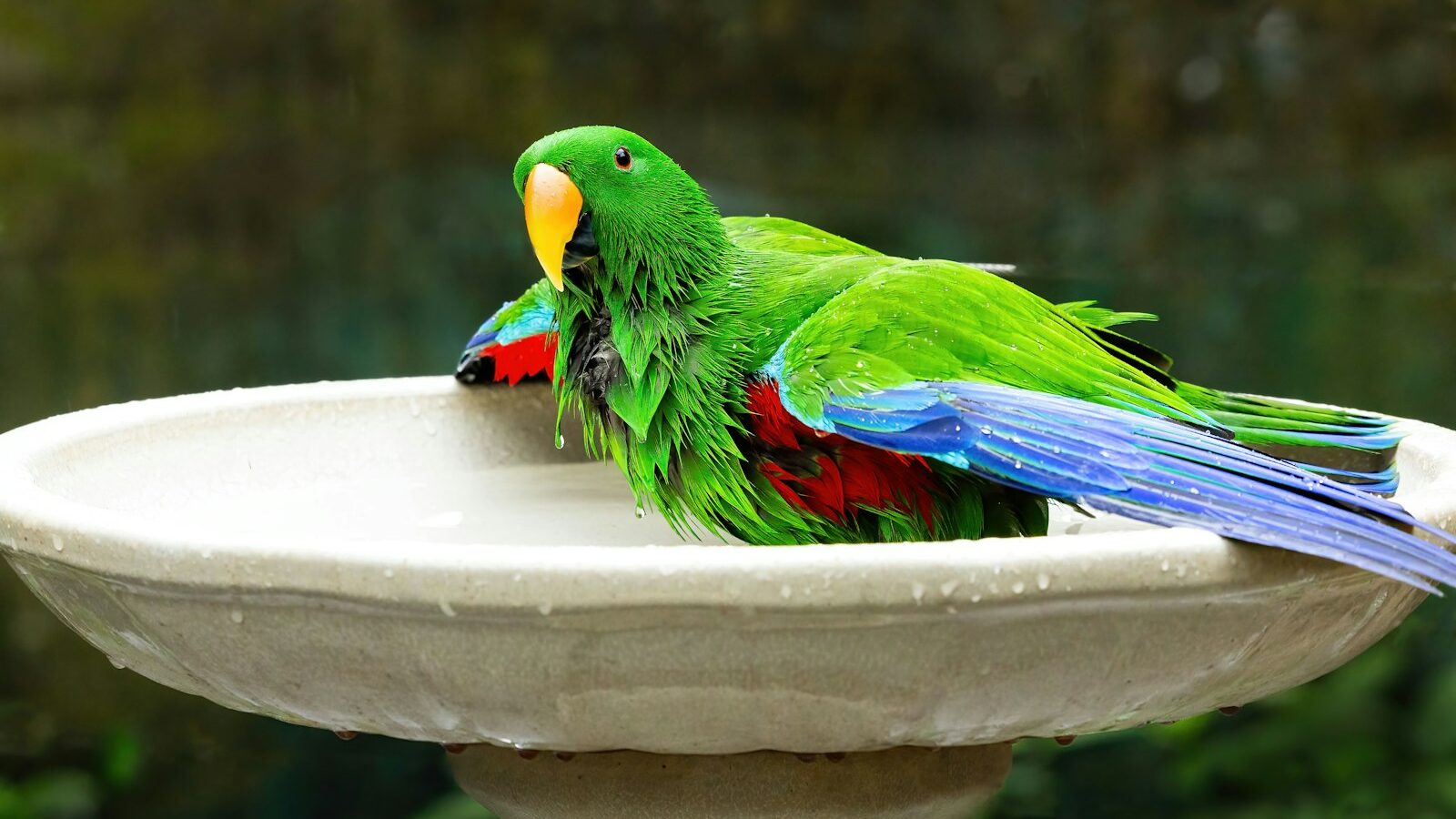
A garden alive with birdsong, flashing wings, and the soft splash of bathing songbirds is one of the simplest joys you can build at home. The good news is that you don’t need acres or rare plants to make it happen. Provide four essentials, food, water, shelter, and safe places to nest, and birds will find you within days.
Key takeaways
- Provide food, water, shelter & nesting
- Moving water (a birdbath/dripper) is a magnet
- Native plants & berries feed birds naturally
- Different feeders/seed attract different birds
- Skip pesticides; keep cats away
As an Amazon Associate we earn from qualifying purchases.
The four essentials birds need
Every bird-friendly garden, whether it’s a city balcony or a half-acre yard, rests on the same four pillars. Get these right and the rest is fine-tuning.
What every garden needs
- Food — feeders plus seed-bearing plants, berries, and the insects birds hunt for protein.
- Water — for drinking and bathing, ideally moving or dripping so it catches the eye.
- Shelter — dense shrubs, evergreens, and trees where birds hide from weather and hawks.
- Nesting — natural cavities, brushy cover, and nest boxes for cavity-nesting species.
Think of these as layers. A garden that offers all four in different heights, from ground cover to canopy, will attract far more species than one that does a single thing well. Diversity of structure is the real secret behind a busy backyard.
Choosing feeders and the right food
Different birds eat in different ways, so the feeder and the food you offer act as a filter for who visits. Matching the two is the fastest way to bring in the species you want.
Match the feeder to the bird
- Tube feeders with small ports suit finches, chickadees, and titmice.
- Hopper and platform feeders welcome cardinals, jays, and a wide mix of larger birds.
- Nyjer (thistle) feeders are a magnet for goldfinches and pine siskins.
- Suet cages feed woodpeckers, nuthatches, and wrens, especially in cold weather.
- Nectar feeders bring in hummingbirds; use a simple 4:1 water-to-sugar mix, never dye.
The best all-around seeds
- Black-oil sunflower — the single most popular seed, eaten by nearly everyone.
- Nyjer — tiny, oil-rich, beloved by finches.
- Suet — high-fat energy for insect-eaters in fall and winter.
- Safflower — favored by cardinals and largely ignored by squirrels and grackles.
- White millet — scattered on the ground for juncos, doves, and sparrows.
Skip cheap mixes heavy with red milo and cracked corn; much of it gets kicked to the ground and wasted. A good starter kit is one quality bird feeder filled with black-oil sunflower seed. Clean feeders every couple of weeks with a dilute bleach solution to prevent disease from spreading at crowded ports.
Add water, the ultimate magnet
If you do only one thing beyond feeding, add water. Birds that never touch a seed feeder, like warblers, thrushes, and orioles, will still stop for a drink and a bath. Moving water is irresistible, because the glint and sound carry far across a garden.
Birdbath basics
- Keep it shallow, no more than two inches at the deepest point, with a gentle slope.
- Choose a rough or textured surface so birds can grip; add a flat stone in the middle as a perch.
- Place it near, but not under, cover so birds can escape a hawk but stay safe from ambushing cats.
- Refresh the water every day or two and scrub it weekly to keep algae and mosquitoes down.
To turn a plain basin into a magnet, add motion with a dripper, a small solar fountain, or a mister. A simple birdbath with a bubbling fountain head will easily double your visitors. In freezing climates, a heated bath keeps water open through winter, when natural sources lock up and open water becomes scarce.
For the biggest impact of all, build a water feature. A pond gives birds a natural shoreline to drink and bathe from, plus the insects and amphibians that come with it. See our guide on how to build a backyard pond, and if wildlife is your main goal, the gentler shallow-edged design in how to make a wildlife pond.
Free, no-obligation quote · Connect with a local pro
Plant natives that feed birds naturally
Feeders are a supplement; native plants are the foundation. They supply seeds, berries, and nectar, and just as importantly they host the caterpillars and insects that nearly all songbirds rely on to raise their young. A yard built around native plants feeds birds around the clock, for free.
Seed heads and flowers to leave standing
- Coneflowers (Echinacea) — their spiky seed heads feed goldfinches well into winter.
- Black-eyed Susans — long-blooming and packed with seeds birds love.
- Sunflowers — plant a few and let the heads ripen for a natural feeder.
- Native grasses and asters — late-season seed and shelter for ground feeders.
Resist the urge to cut everything back in fall. Standing seed heads and dried stems are a winter pantry. Learn to grow two of the most reliable performers in our coneflower care and black-eyed Susan care guides.
Berry and fruit producers
- Serviceberry — early summer fruit for robins, waxwings, and catbirds.
- Dogwood and viburnum — fat-rich fall berries that fuel migration.
- Elderberry and holly — late-season fruit that holds through winter.
- Native sumac — persistent berries that become emergency food in deep cold.
Provide shelter and places to nest
Food and water bring birds in for a visit; shelter and nesting sites convince them to stay. Birds need cover from predators and harsh weather, and a safe place to raise their young, or they’ll move on to a better-protected yard nearby.
Shrubs and trees for cover
- Evergreens like spruce, juniper, and arborvitae give year-round protection and winter roosts.
- Dense native shrubs create thickets where small birds hide and nest.
- A layered planting of ground cover, shrubs, small trees, and canopy mimics natural habitat.
- A brush pile in a back corner offers instant cover and a winter insect supply.
Nest boxes
Cavity nesters such as bluebirds, chickadees, wrens, and some woodpeckers will readily use a well-built nest box. Match the entrance-hole size to the species you want, mount it at the right height, and add a predator baffle on the pole. Face the opening away from prevailing wind and rain, and clean boxes out at the end of each season so they’re ready for spring.
Keep birds safe: skip pesticides and manage predators
A garden full of birds is only a success if those birds stay alive. Two threats do the most damage, and both are within your control.
Ditch the pesticides
Insecticides wipe out the caterpillars, beetles, and bugs that are the primary food for baby birds, and many can poison birds directly. A single clutch of chickadees can need thousands of caterpillars before fledging. Let birds be your pest control instead; a healthy garden reaches its own balance, where predators keep aphids and beetles in check.
Cats and other predators
- Keep pet cats indoors or in an enclosed “catio”; free-roaming cats kill billions of birds a year.
- Place feeders and baths either within ten feet of cover or well out in the open, never in the awkward middle zone.
- Add baffles to feeder and nest-box poles to stop raccoons, squirrels, and snakes.
- Apply window decals or screens to cut down on fatal collisions with glass.
Take a year-round approach
Birds need your garden in every season, and the yards that buzz with activity are the ones that deliver something all year. A little planning across the calendar pays off in steady, varied visitors.
- Spring — clean nest boxes, offer nesting material, and watch for returning migrants.
- Summer — keep water fresh and let natives bloom and host insects for nestlings.
- Fall — leave seed heads standing and plant new shrubs and trees while soil is warm.
- Winter — offer high-fat suet and seed, keep water open, and provide evergreen roosts.
Start with one feeder and a birdbath this week, then add a native shrub or two each season. Within a year you’ll have a layered, living garden that takes care of itself, and rewards you with company from dawn to dusk.
Frequently asked questions
How long does it take for birds to find a new feeder?
Usually a few days to a couple of weeks. Birds locate food by sight, so placing a feeder near cover, where they already perch, speeds things up. Be patient and keep it stocked and clean.
What is the single best food to start with?
Black-oil sunflower seed. More species eat it than any other single seed, its thin shells are easy to crack, and it works in nearly every feeder type, from tubes to platforms.
Do I need to feed birds in summer?
You don’t have to, since natural food is abundant, but summer feeding is fine and lets you enjoy fledglings. Water matters most in hot weather; keep a clean, shallow bath topped up.
How do I keep squirrels off my feeders?
Use a pole-mounted baffle, hang feeders at least ten feet from launch points, and try safflower or nyjer seed, which squirrels tend to ignore. Weight-activated feeders also help.
Will a birdbath attract mosquitoes?
Only stagnant water breeds mosquitoes. Change the water every day or two, or add a small fountain, dripper, or wiggler. Moving water won’t support larvae and attracts far more birds anyway.
Featured project by Gensou Aquascaping
Want a wildlife-friendly garden designed?
Compare free, no-obligation quotes from vetted local landscapers near you.