

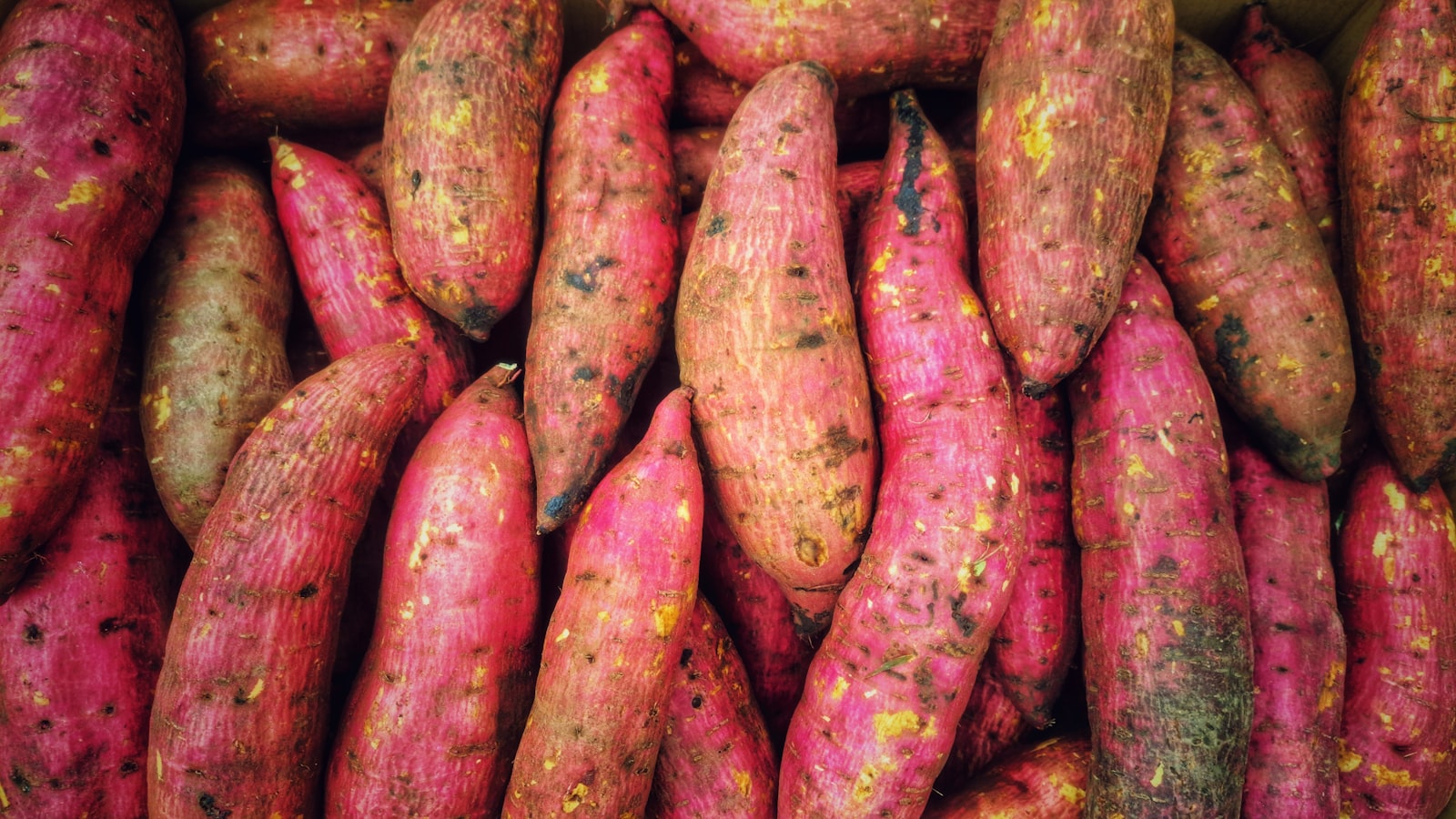
Sweet potatoes are one of the most rewarding crops you can grow: a single planting can fill a bin with sweet, nutritious roots that store for months. They love heat, ask for little fertilizer, and thrive in loose, well-drained soil, which makes them a great fit for raised beds, grow bags, and even smaller urban plots. This guide walks you from slips all the way to a properly cured harvest, including tips for shorter northern seasons.
Part of our Vegetable Gardening & Raised Beds guide →
In this guide
- Understanding the sweet potato (and what it needs)
- Getting slips: grow your own or buy them
- Soil, sun, and when to plant
- Watering and the truth about fertilizer
- Growing sweet potatoes in containers and grow bags
- Harvesting before frost
- Curing for sweetness and storage
- Tips for northern and short-season climates
- Frequently asked questions
Sweet potato quick facts
- Warm-season; needs a long, hot season
- Plant slips after the soil warms
- Loose, mounded soil; don’t over-fertilize
- Harvest before frost
- Cure 1-2 weeks for sweetness & storage
As an Amazon Associate we earn from qualifying purchases.
Understanding the sweet potato (and what it needs)
The sweet potato (Ipomoea batatas) is a tropical, warm-season crop in the morning glory family. Despite the name, it is not closely related to the regular potato and grows very differently. Instead of planting tubers, you plant rooted cuttings called “slips,” and the plant produces sprawling vines above ground while swelling its edible storage roots below.
Sweet potatoes need warmth above almost everything else. They want a long stretch of hot weather — most varieties take roughly 90 to 120 days from transplanting to harvest, and they keep growing roots right up until cool weather or frost stops them. If you understand that two things matter most — heat and loose soil — you are most of the way to a good crop. For the bigger picture on planning an edible space, see our urban gardening guide and our walkthrough on how to start a vegetable garden.
Getting slips: grow your own or buy them
Buying slips
The simplest route is to buy slips from a garden center or by mail order in spring. They usually arrive as bare, slightly wilted-looking cuttings — don’t panic, that’s normal. Stand them in a jar with an inch of water for a day or two and they’ll perk up and start rooting. Buying lets you choose proven varieties such as ‘Beauregard’ and ‘Georgia Jet’ (fast, good for shorter seasons) or ‘Centennial’ and ‘Bonita’. You can browse sweet potato slips online and have them shipped at the right planting window for your region.
Growing your own slips
You can also grow slips from a healthy, organic store-bought sweet potato (non-organic ones are often treated to prevent sprouting). About six to eight weeks before your planting date:
- Suspend the sweet potato with toothpicks so the bottom half sits in a jar of water, or bury it halfway in a tray of damp potting mix.
- Keep it warm (75–85°F / 24–29°C) and in bright light. A sunny windowsill or a seedling heat mat works well.
- In a few weeks, leafy sprouts emerge. When each slip is 4–6 inches long, gently twist or snip it off.
- Root the slips in water for several days until white roots appear, then they’re ready to plant.
Soil, sun, and when to plant
Sweet potatoes demand full sun — at least 6 to 8 hours a day — and loose, well-drained soil. Heavy clay or compacted ground produces thin, twisted, or stunted roots, so this is the one crop where soil texture really pays off. Work in plenty of compost and, if your ground is heavy, build raised mounds or ridges about 8–10 inches high and a foot or so wide. Mounding warms the soil faster, improves drainage, and gives the roots room to expand.
Timing is critical. Sweet potatoes have zero frost tolerance and sulk in cold soil, so wait until 3 to 4 weeks after your last frost, when soil temperatures have reached at least 60–65°F (16–18°C) and ideally warmer. Planting too early into cold ground sets the plants back far more than waiting a couple of weeks would. Space slips about 12–18 inches apart in rows 3 feet apart, burying them deep so only the top leaves show, and water them in well.
To warm soil even faster in cooler regions, lay down black plastic mulch or landscape fabric a week or two before planting and cut holes for the slips. This trick alone can add valuable growing time to a short season.
Watering and the truth about fertilizer
Watering
Keep the soil evenly moist for the first few weeks while slips establish — roughly an inch of water per week. Once the vines take off, sweet potatoes are quite drought-tolerant and you can ease back. Consistent moisture produces smoother, more uniform roots, while wild swings from bone-dry to soaked can cause cracking. Important: stop watering (or sharply reduce it) about 2 to 3 weeks before harvest. Drier soil at the end firms up the roots and helps them store better.
Go easy on the nitrogen
This is the mistake that catches most new growers: too much nitrogen gives you lush vines and disappointing roots. Sweet potatoes evolved to thrive in lean soil, and heavy feeding tells the plant to make leaves instead of storage roots. Skip nitrogen-rich fertilizers and lawn feeds. If you fertilize at all, use a balanced or phosphorus- and potassium-leaning, low-nitrogen fertilizer at planting and then leave the plants alone. In decent soil amended with compost, they often need no feeding at all.
Growing sweet potatoes in containers and grow bags
No garden bed? Sweet potatoes do well in large containers, which also gives you total control over soil quality and warmth. Use a roomy pot or fabric grow bag of at least 10–15 gallons (the bigger, the better for root size). Fabric bags are ideal because they drain freely, warm up quickly in the sun, and “air-prune” the roots.
- Fill with a loose, well-draining mix of potting soil blended with compost.
- Plant one to two slips per 15-gallon container.
- Set the container in the sunniest, hottest spot you have — against a south-facing wall is perfect.
- Water more often than in the ground, since pots dry out faster, but still ease off near harvest.
- Let the vines trail over the sides or tuck them up off the ground so they don’t root at every node.
You can find sturdy grow bags sized for root crops in most sizes. For more crops that thrive in pots, see our roundup of the best vegetables to grow in containers. And if you like this kind of root crop, our how to grow potatoes guide pairs nicely.
Harvesting before frost
Most sweet potatoes are ready 90 to 120 days after planting, but the calendar matters more than a precise date: you must dig them before the first frost. Frost kills the vines, and if it reaches the roots it causes dark, rotting spots that ruin storage. When a light frost blackens the foliage, harvest within a day or two — don’t leave the roots sitting in cold ground.
To harvest, cut away the vines, then loosen the soil with a digging fork well away from the crown to avoid spearing the roots. Lift gently by hand — sweet potato skins are thin and easily bruised when freshly dug. Brush off loose dirt but do not wash them; washing before storage invites rot. Handle them like eggs and set them somewhere warm and dry, because the next step is what makes them truly delicious.
Curing for sweetness and storage
Curing is the single most important step for great sweet potatoes, and the one beginners most often skip. Freshly dug sweet potatoes are starchy and bland; curing converts some of those starches to sugar, dramatically improving flavor and texture. It also heals minor cuts and toughens the skin so the roots store for months instead of weeks.
To cure, hold the roots for about 1 to 2 weeks in a warm, humid place — ideally 80–85°F (27–29°C) with high humidity (around 85–90%). A warm corner, a greenhouse, or a closed area with a small space heater and a pan of water can work. After curing, move the sweet potatoes to a cool, dark, well-ventilated spot at around 55–60°F (13–16°C). Do not refrigerate them — cold below 50°F causes chilling injury and a hard, off-tasting core. Properly cured and stored, they’ll keep for 6 months or more, and their flavor actually improves over the first few weeks.
Tips for northern and short-season climates
You can absolutely grow sweet potatoes in cooler northern regions — gardeners succeed well into Canada and the upper Midwest — but you’ll want to stack the deck in your favor:
- Choose fast varieties. ‘Beauregard’, ‘Georgia Jet’, and ‘Porto Rico’ mature quickly and are best for short summers.
- Pre-warm the soil. Black plastic or landscape fabric over the beds for a couple of weeks before planting makes a real difference.
- Use raised beds or grow bags. They warm faster and drain better than cold, heavy ground.
- Don’t rush planting. A slip planted into warm soil in early summer will outgrow one stuck in cold soil weeks earlier.
- Extend the season. Row covers or low tunnels at each end of summer trap heat and protect from early frost.
- Watch the forecast. Harvest at the first frost warning rather than gambling on a few more days of growth.
With heat, loose soil, and patience through curing, even a modest plot can hand you a bountiful, long-storing harvest. For more crops and planning help, return to our urban gardening guide.
Frequently asked questions
How long do sweet potatoes take to grow?
Most varieties take about 90 to 120 days from transplanting slips to harvest. They keep sizing up until cool weather, so plant as early as warm soil allows and harvest before the first frost.
Can I grow sweet potatoes from a grocery store one?
Yes, if it’s organic — many non-organic sweet potatoes are treated to prevent sprouting. Suspend it in water or damp soil in a warm, bright spot, and it will produce slips you can root and plant in 6 to 8 weeks.
Why are my sweet potato vines huge but the roots tiny?
This is almost always too much nitrogen. Rich feeding pushes leafy growth at the expense of storage roots. Skip nitrogen fertilizers, grow them in lean-but-loose soil, and make sure they get full sun.
Do I really need to cure sweet potatoes?
Yes, if you want them sweet and storable. Curing for 1 to 2 weeks in warm, humid conditions converts starch to sugar and toughens the skin. Uncured roots taste bland and spoil far faster.
How should I store cured sweet potatoes?
Keep them in a cool (55–60°F), dark, ventilated spot — never the refrigerator, which causes chilling damage. Don’t wash them before storage. Cured and stored properly, they last 6 months or more.